
Tai Po & the Railway Museum
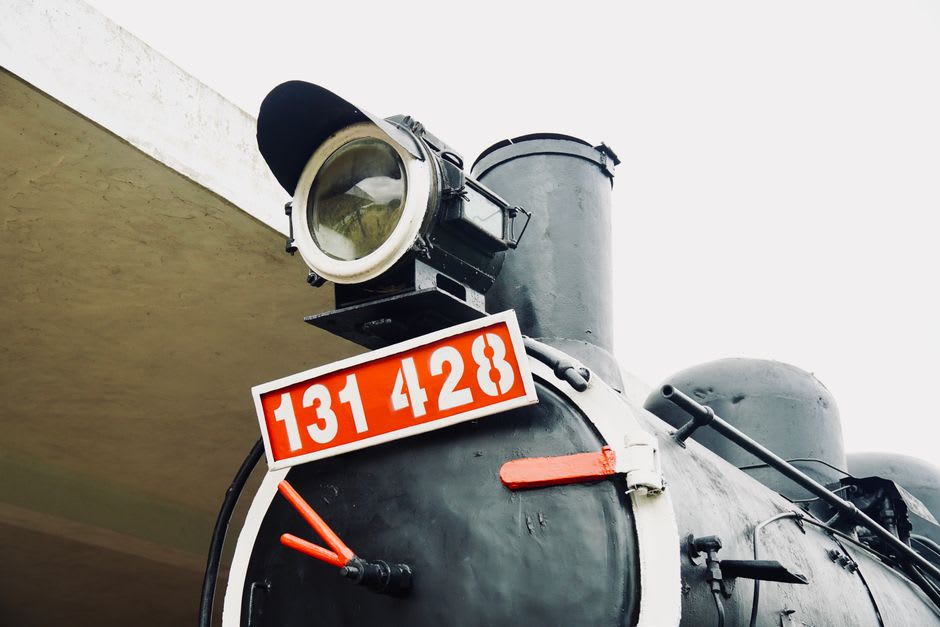
"An old steam locomotive sat parked on a short stretch of preserved track behind the museum, going nowhere, and somehow that made it feel more honest about what it was."
An old market town where a disused colonial train station has become a museum, and the wet market still runs the way it always has.
Tai Po is one of the older market towns in the New Territories, with a history as a trading hub that predates British rule by centuries, and it’s easy to pass through on the way to somewhere else — Plover Cove, the Wetland Park, the border crossings further north — without stopping. We almost did exactly that, until a half-day gap in a longer New Territories itinerary put us right next to the Hong Kong Railway Museum, and I have a low-grade weakness for train museums that Lia has learned to just accommodate at this point.
The museum occupies the old Tai Po Market railway station, a squat, elegant building completed in 1913 in a traditional Chinese pitched-roof style that looks almost nothing like the British colonial architecture you’d expect from a railway building of that era — it was deliberately designed to blend with the surrounding market town rather than announce itself as an outpost of empire. The station served the Kowloon-Canton Railway until the 1980s, when a new elevated station replaced it nearby, and rather than demolish the old building, the government preserved it and turned it into a small, free, genuinely well-kept museum.
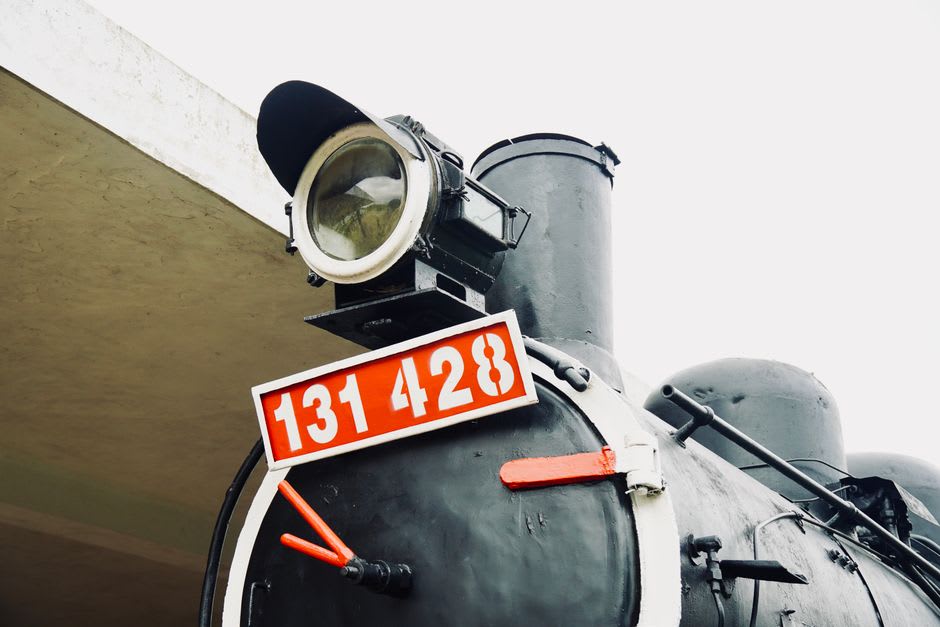
Old carriages sit on preserved track behind the main building, including a wooden-bodied car that once carried royalty and a steam locomotive retired decades ago, and you’re free to climb into most of them, which is more than most transit museums allow. It took maybe forty-five minutes to see properly, and the appeal isn’t really the scale of the collection — it’s small — but the specificity of standing in a station building built for a railway that no longer runs through it, in a town that has otherwise kept moving.
Afterward we walked into Tai Po Market proper, the actual wet market rather than the old station of the same name, which runs at a volume and intensity that made the museum feel even quieter by comparison — stalls stacked with produce, fish still moving in shallow tubs, vendors calling out prices, none of it staged for visitors because almost none of the customers around us were visitors. It was, in its way, as good an argument for the New Territories as anything else we saw that week: history preserved deliberately beside daily life that never stopped for it.
When to go: Year-round, since the museum is compact and mostly weather-protected. Visit the wet market in the morning when it’s at its busiest and most alive; by mid-afternoon many stalls have already closed for the day.