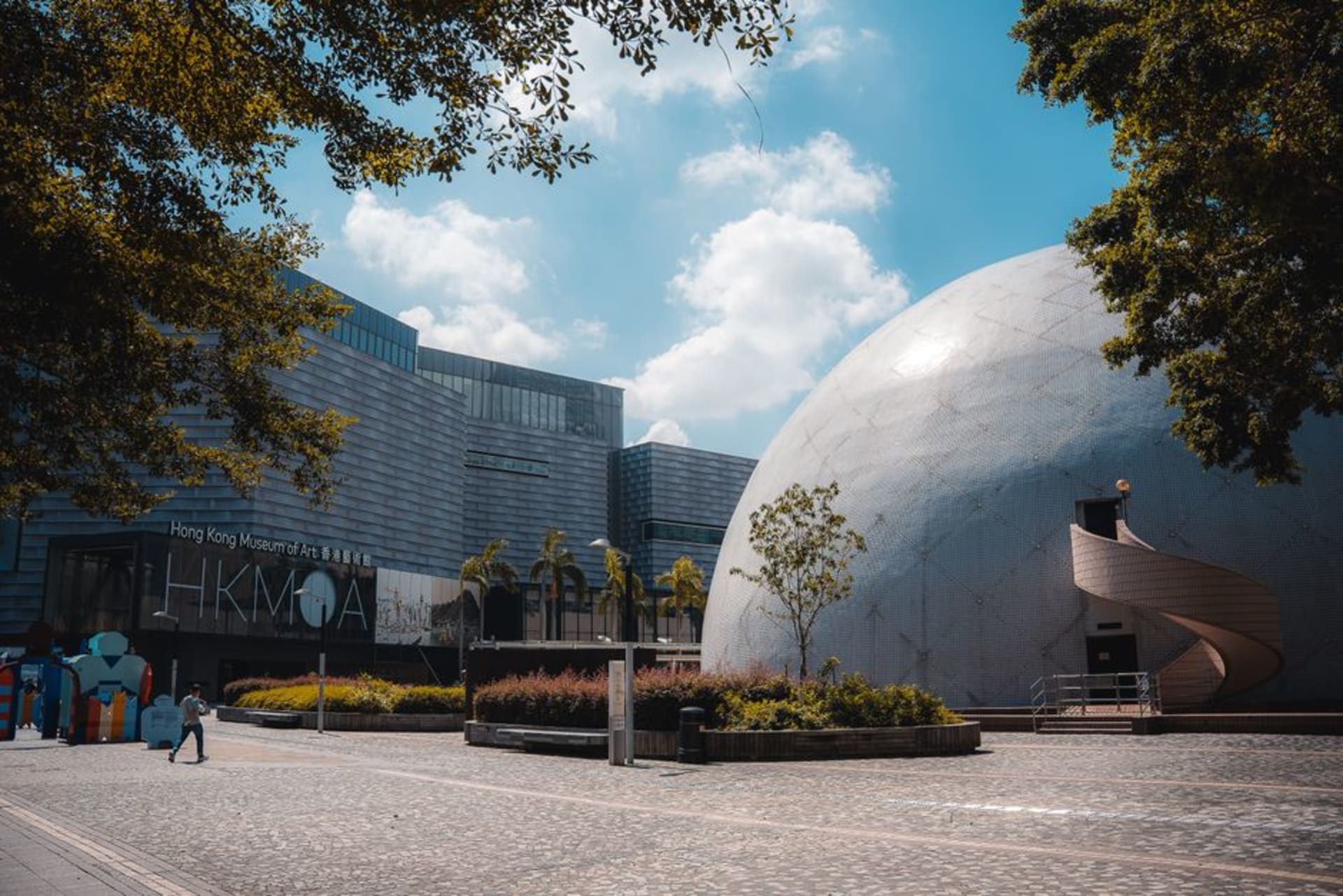
Hong Kong Space Museum
"I went in to escape the heat for an hour and came out ninety minutes later having forgotten I was hot at all."
A golden dome on the Tsim Sha Tsui waterfront hiding a planetarium and a genuinely excellent tour through the history of getting off this planet.
The Space Museum’s dome is one of those Hong Kong landmarks you register a dozen times from a distance — from the Star Ferry, from across the harbour, from the top of the Peak — before you ever actually go inside it. Lia and I finally ducked in on a July afternoon when the humidity had beaten us into submission, expecting a quick, cool half hour before continuing our walk along the waterfront. We stayed for nearly two hours instead, which tells you more about the museum than any review could.
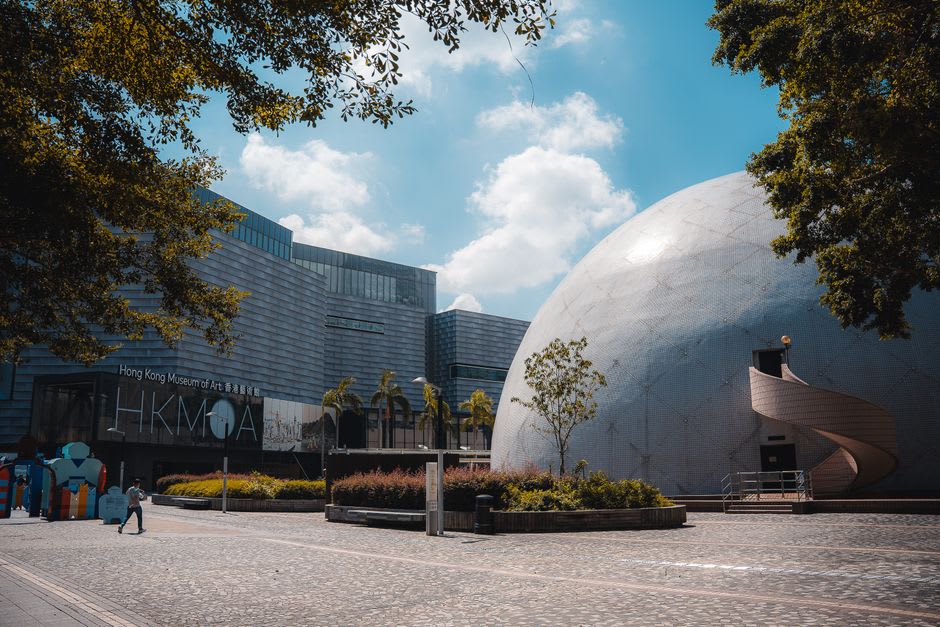
The Hall of Space Science, in the museum’s east wing, is the real substance — a floor of exhibits tracing rocketry, satellite technology, and China’s own space program with a rigor and physical scale I did not expect from what I’d assumed was a fairly modest local museum. There’s a real Long March rocket engine, scorched and enormous, and a mock-up of the Tiangong space station module you can walk through, cramped in a way that made the astronauts’ actual missions feel more real than any documentary had managed. Lia, who studied engineering before switching careers entirely, spent a suspicious amount of time reading the propulsion panels aloud to me.
The planetarium under the dome itself is the reason to actually plan your visit around a showtime rather than wandering in. It runs a rotating schedule of sky shows and giant-screen documentaries projected onto the full curve of the dome, and the tilted seats mean you’re genuinely looking up rather than at a flat screen ahead of you — the sense of immersion is closer to a very good IMAX than a typical planetarium. We caught an astronomy show timed to Hong Kong’s own night sky, light-polluted as it is, which made an odd, poignant case for actually leaving the city to see stars properly.
The Hall of Astronomy on the ground floor is smaller and more hands-on, aimed more at kids, but the meteorite samples and the exhibit on Chinese lunar exploration are worth the extra fifteen minutes even if you’ve come mainly for the planetarium. Ticket prices are low enough that the whole visit feels almost like an afterthought financially, which after Hong Kong’s usual costs is its own small relief.
When to go: Any time of year, since the appeal here is entirely indoor and air-conditioned, but it’s a genuinely good call during July and August when the outdoor heat and humidity make museum-hopping the smartest afternoon plan. Book the planetarium showtime online ahead, since popular slots sell out on weekends.