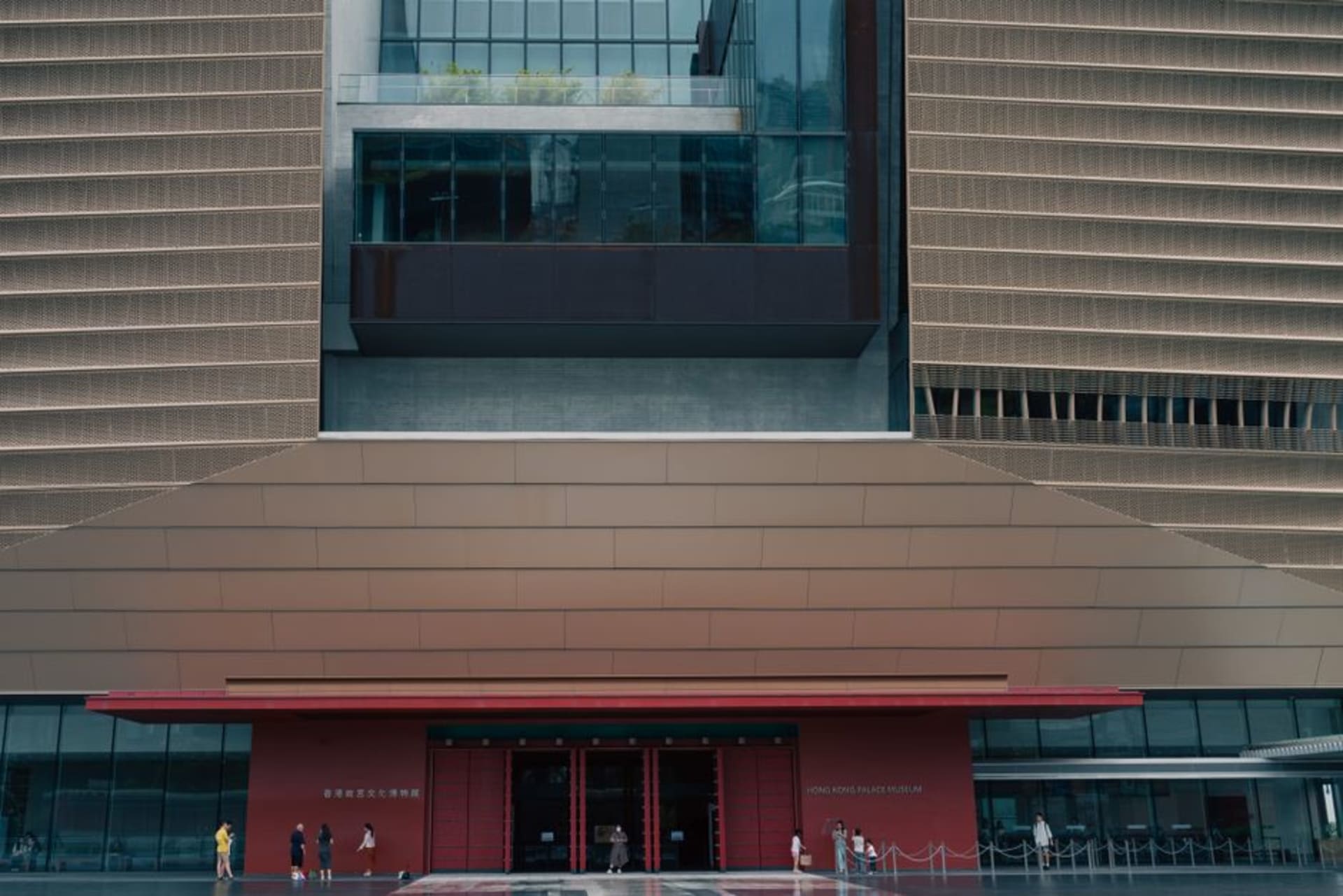
Hong Kong Palace Museum
"I stood in front of a five-hundred-year-old imperial robe and thought about how strange it is that it ended up thirty minutes from my hotel room."
Nine hundred imperial treasures on loan from Beijing's Forbidden City, displayed inside a building that reinterprets a courtyard palace in glass and steel.
I’ll admit I nearly skipped the Hong Kong Palace Museum on my last trip, assuming it would be some diplomatically neutered version of “important Chinese history,” heavy on wall text and light on anything that actually moved me. I was wrong within the first gallery. The museum holds close to a thousand artefacts on long-term loan from the Palace Museum in Beijing — the Forbidden City’s own collection — and the curation doesn’t shy away from complexity. There are ceremonial robes so finely embroidered they look machine-made until you get close enough to see the human error in the stitching, imperial seals the size of a fist, and an entire gallery devoted to how Qing-dynasty emperors used art as a tool of political theatre, which felt oddly familiar in ways I wasn’t expecting a museum to make me think about.
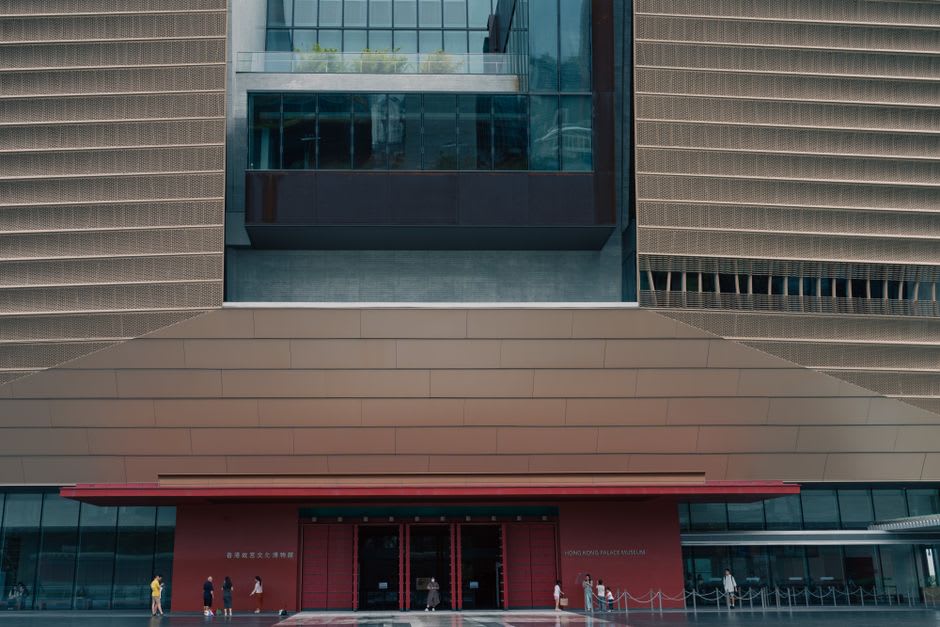
The building, designed by Rocco Yim, is doing something quietly clever architecturally — its stacked, tiered form is a modern reinterpretation of the courtyards and thresholds of a traditional Chinese palace, compressed into a nine-storey structure on the West Kowloon waterfront. You feel it most in the central atrium, where a square opening cuts straight up through the building and frames a slice of sky, echoing the courtyards you’d cross inside the actual Forbidden City. It’s the kind of architectural gesture that could read as gimmicky and instead lands as genuinely moving, especially once you’ve spent an hour looking at objects that came out of that same physical place.
What surprised me most was gallery nine, on the top floor, dedicated to contemporary artists responding to the same imperial collection — a deliberate refusal to let the museum become only a monument to the past. Then you step out onto the rooftop terrace, and the whole thing resets: Victoria Harbour laid out below, container ships and ferries crossing paths, the Hong Kong Island skyline stacking up on the far side. Two very different kinds of history sitting in view of each other.
When to go: Weekday afternoons are calmest. The special exhibitions rotate every few months and often require a separate ticket, so check the current lineup before you go. Pair it with M+ next door for a full art-and-culture afternoon in West Kowloon.
Keep exploring
More from Hong Kong
 hong-kong
 Peng Chau
The smallest of Hong Kong's inhabited outlying islands — a fifteen-minute loop of narrow lanes, a defunct match factory, and almost no one else around.
Explore hong-kong
 Ping Shan Heritage Trail
Hong Kong's oldest heritage trail, threading through clan halls and a 600-year-old pagoda in a part of the New Territories most visitors never reach.
Explore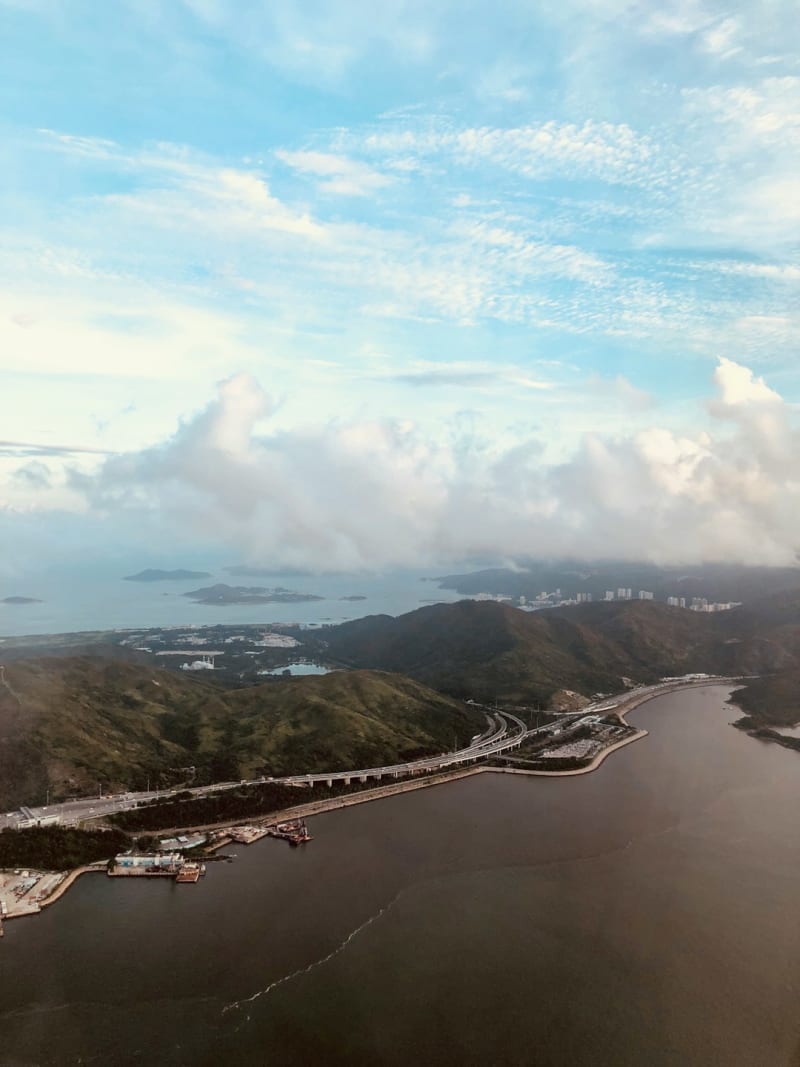 hong-kong
 Plover Cove
A reservoir built by damming the sea itself, ringed by one of Hong Kong's longest and least-crowded coastal hiking trails.
Explore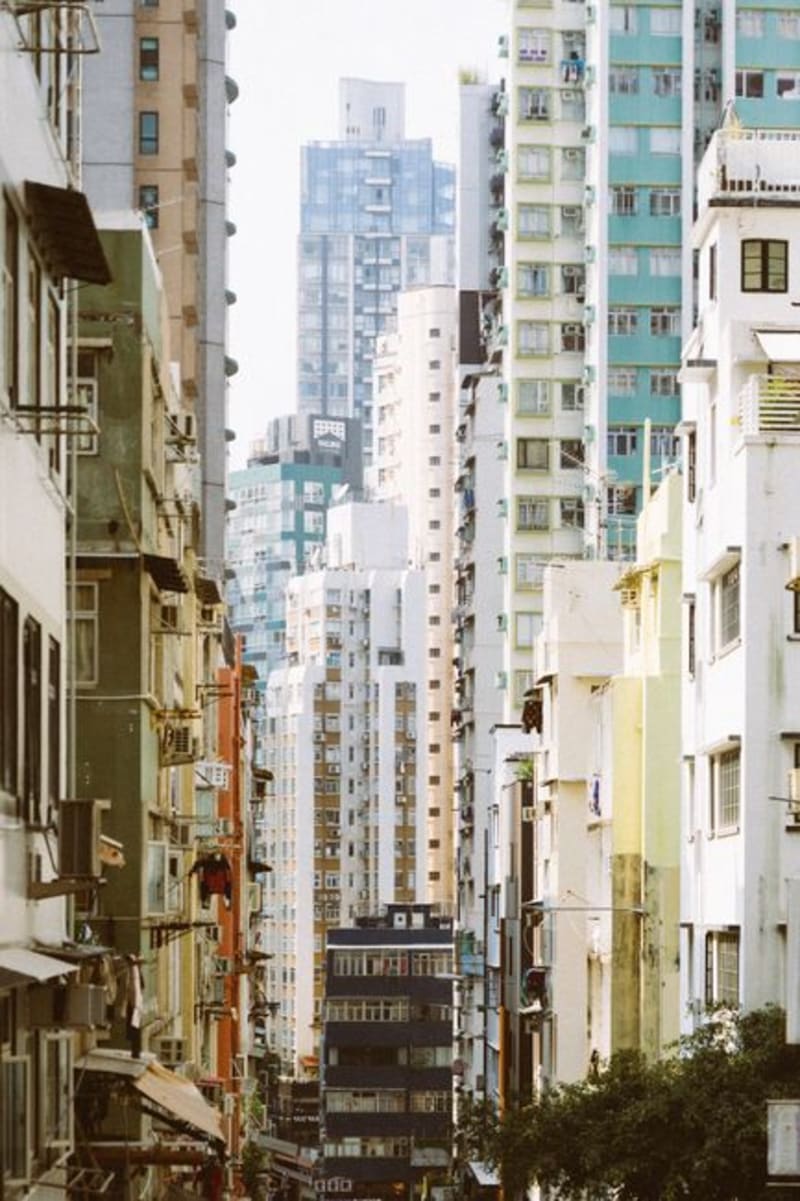 hong-kong
 PMQ
A former police married quarters turned design incubator, where Hong Kong's independent fashion, ceramics, and product designers get studio space instead of storefronts.
Explore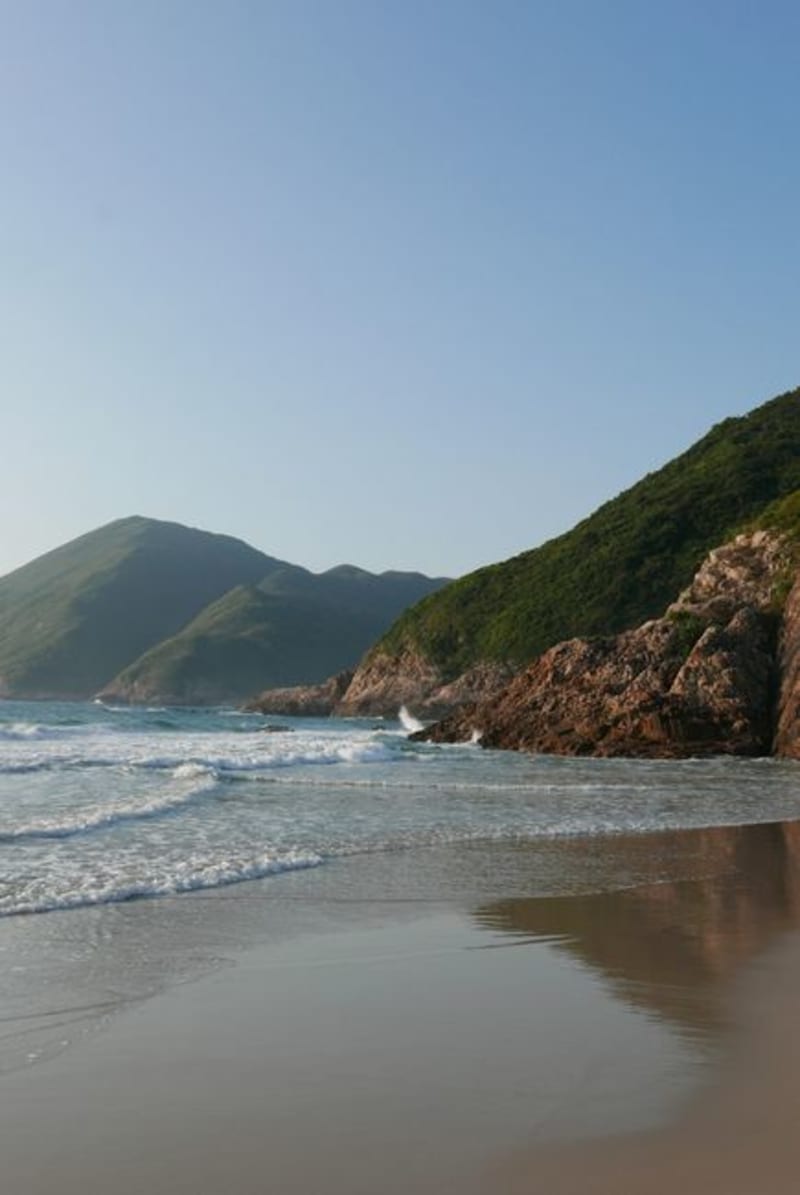 hong-kong
 Po Toi
Hong Kong's southernmost inhabited island — wind-carved rock formations, a near-empty seafood pier, and a ferry that runs on its own schedule.
Explore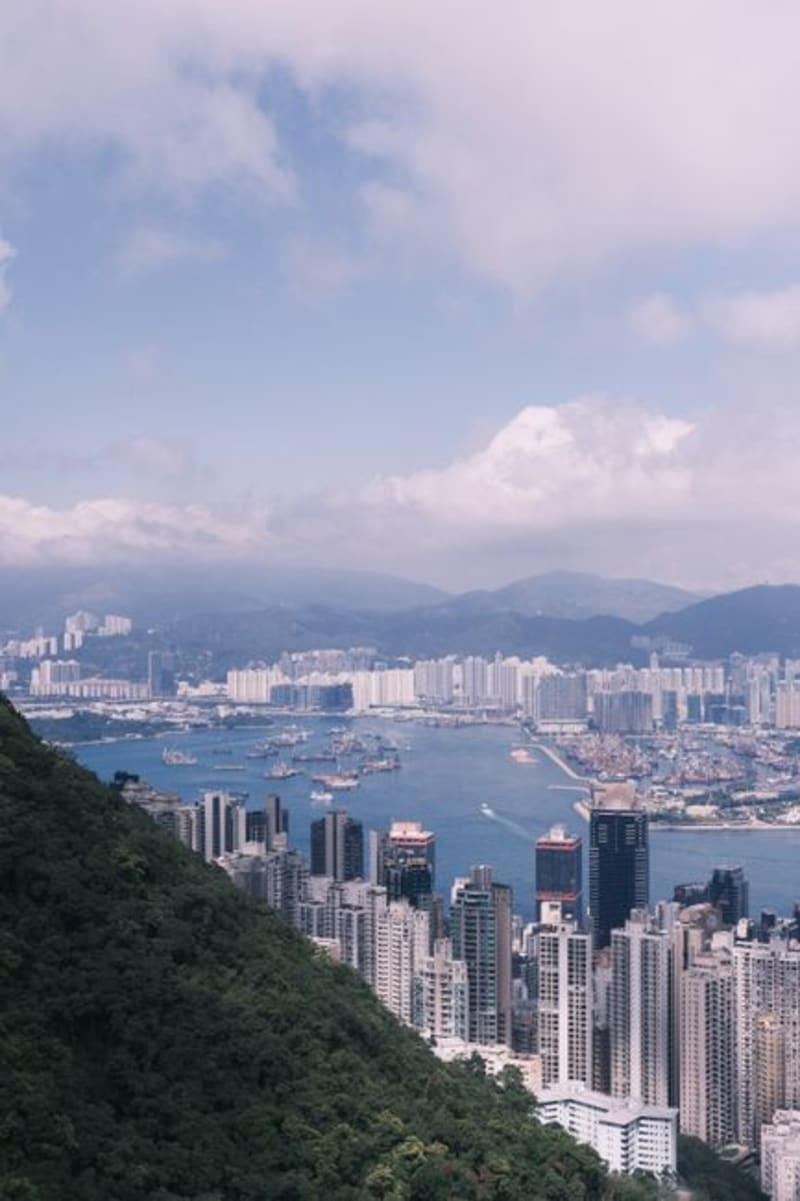 hong-kong
 Pui O
A Lantau beach where feral water buffalo graze the wetlands behind the sand — the strangest, most memorable beach combination anywhere in Hong Kong.
Explore