Lion Rock
"Every skyline needs a landmark it argues about. Kowloon has Lion Rock, and the argument is part of the point."
The rock that looks exactly like a crouching lion above Kowloon, and a hike loaded with more civic symbolism than any mountain has a right to carry.
Lion Rock is the outcrop that gives shape to the entire Kowloon skyline — a granite formation on the ridge between Kowloon and Sha Tin that, from the right angle, resembles a crouching lion with startling precision, head raised, watching over the city below. It has become genuine civic shorthand in Hong Kong: the “Lion Rock Spirit” is invoked constantly in local media to describe resilience and hard work, tied to a 1970s TV drama about working-class life that used the mountain as its symbol. I didn’t fully understand the weight of that reference until a Hong Kong friend explained it to me over dinner, visibly moved in a way that surprised me, and I went to hike it the following weekend with a different sense of what I was climbing toward.
The trail up from Wong Tai Sin is short in distance but steep and relentless, climbing almost immediately into forest and then onto exposed rock scrambles near the top. It is a busy trail by Hong Kong hiking standards — locals treat it as a genuine after-work or weekend fitness route, and I passed people in their sixties moving up the steepest sections faster than I was managing, which was humbling in the specific way that only happens when you’re huffing uphill in a country not your own.
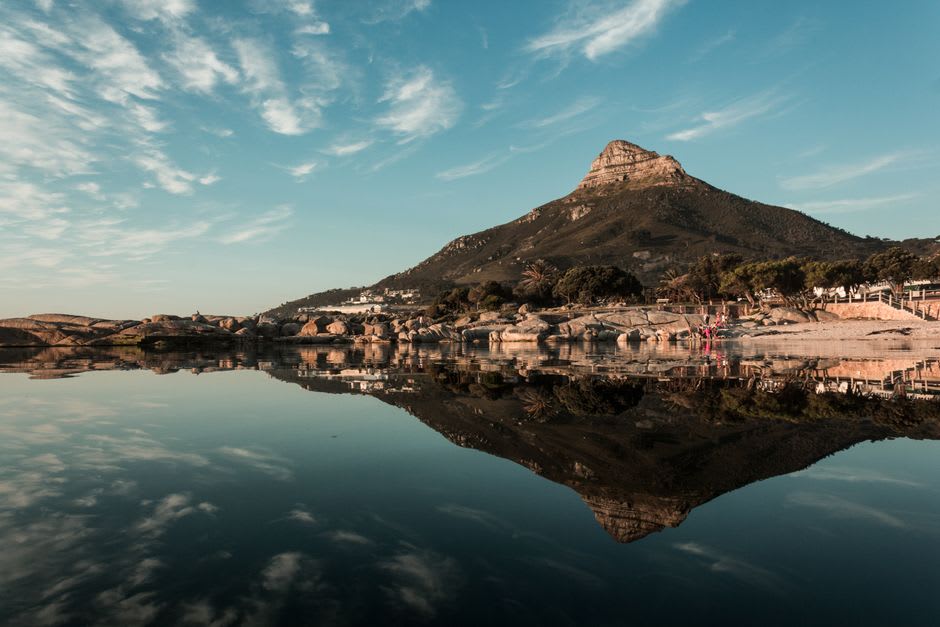
The head of the lion itself — the actual outcrop everyone photographs from below — requires a further scramble that most guides describe as optional and I’d describe as worthwhile but genuinely exposed, not for anyone uneasy on rock with a serious drop beside it. I went partway up and decided that the view from the saddle just below was plenty for my purposes and my nerves. From there, the whole of Kowloon spreads out in a density that Hong Kong Island’s skyline, for all its glamour, doesn’t quite match — a compressed grid of towers running right up to the harbour, with the Island’s own skyline rising beyond the water like a second act.
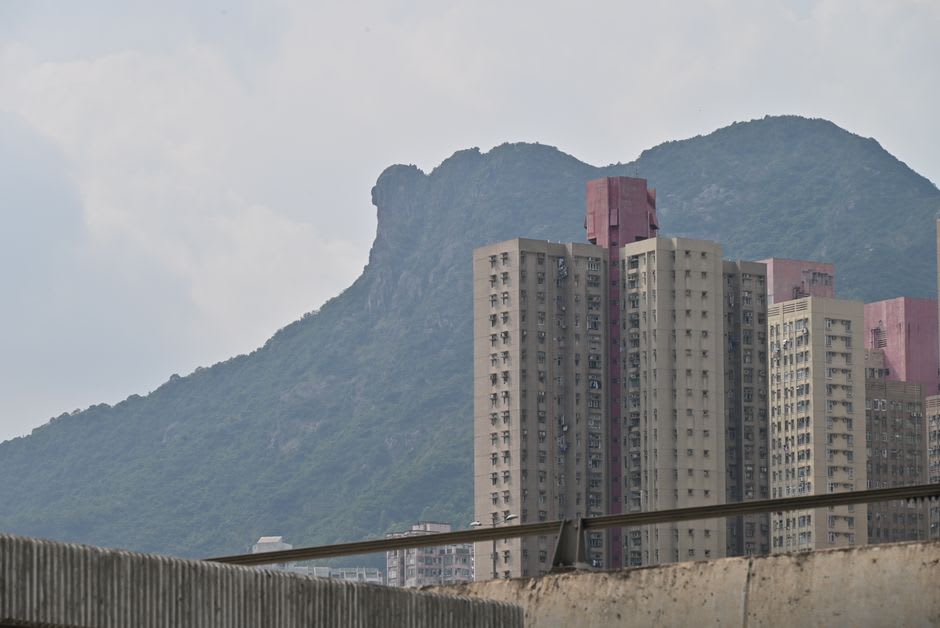
Sunset is the popular time to be up there, and for good reason — the light softens the concrete into something almost warm, and by the time it’s properly dark, Kowloon below turns into a sheet of lit windows stretching to the water, one of the most purely urban views I’ve had anywhere.
When to go: Late afternoon year-round for sunset over Kowloon, though clearer air in autumn and winter (October to February) makes the far views to Hong Kong Island noticeably sharper. Bring a headlamp if you’re staying for sunset — the descent trail has minimal lighting.
Keep exploring
More from Hong Kong
 hong-kong
 M+ Museum
A vast concrete-and-tile museum of visual culture rising over the harbour, where contemporary Asian art gets the scale and seriousness it's long deserved.
Explore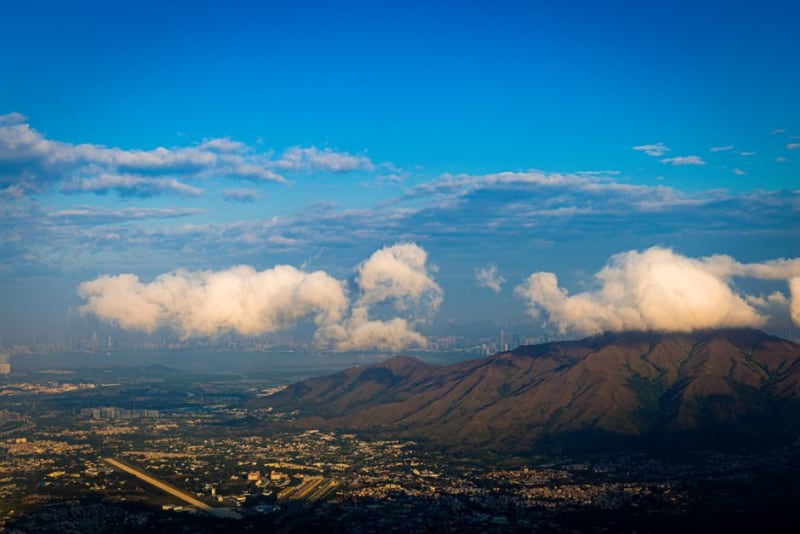 hong-kong
 Ma On Shan
The 'Saddle Mountain' above Sha Tin — a serious climb through old quarries and pine forest to one of the sharpest ridgelines in the New Territories.
Explore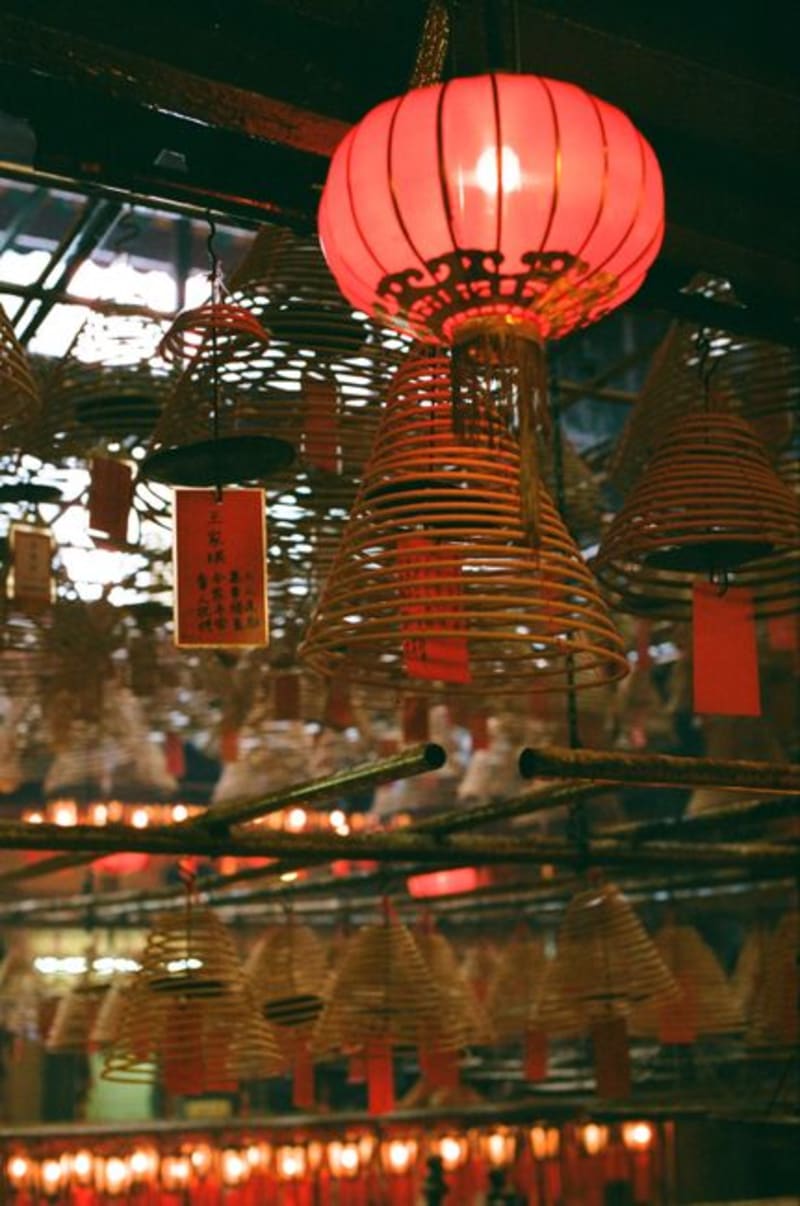 hong-kong
 Man Mo Temple
The oldest and most atmospheric temple on Hong Kong Island — a haze of slow-burning incense coils dedicated to the gods of literature and war.
Explore hong-kong
 Mong Kok
The world's densest neighbourhood, where every alley hides a different obsession — goldfish, sneakers, flowers, chess.
Explore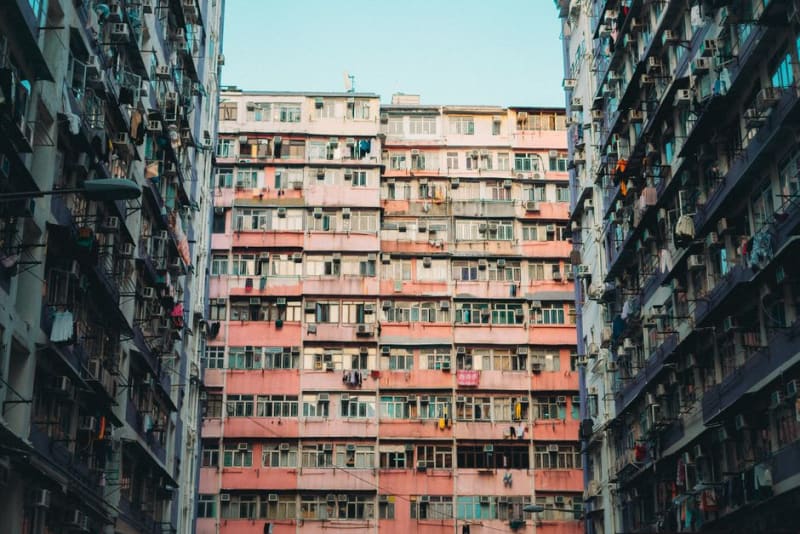 hong-kong
 Monster Building
Quarry Bay's cluster of five interlocking residential towers, so densely stacked and photogenic they've become an unofficial architectural icon.
Explore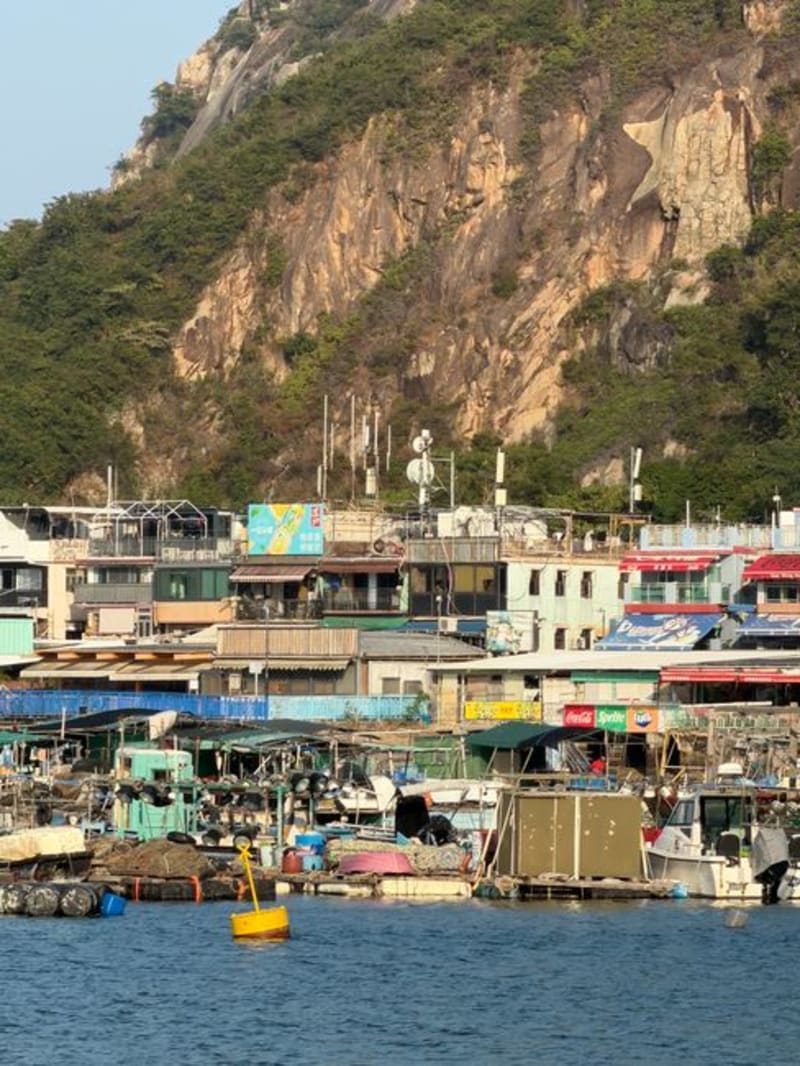 hong-kong
 Mui Wo
Lantau's easygoing ferry town — Silvermine Bay's waterfall, a wide quiet beach, and the gateway most day-trippers rush straight through.
Explore