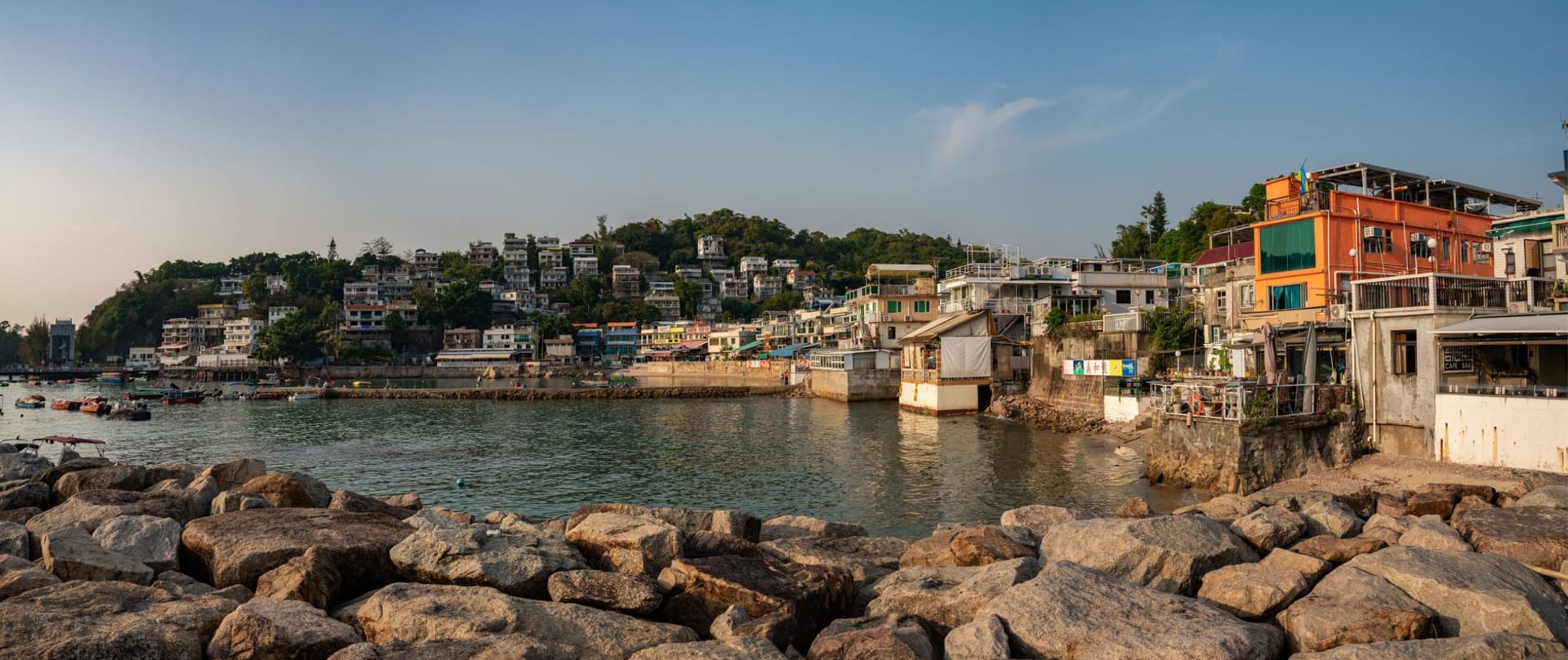
Lamma Island
"Lamma moves at a pace the rest of Hong Kong has entirely forgotten how to do."
What surprised me about Lamma was how quickly the transition happened. Forty minutes on the ferry from Central Pier and you are somewhere that operates on what the rest of Hong Kong would consider geological time. People walk slowly here. Cats sleep in the middle of footpaths with complete confidence that nothing will disturb them. The seafood restaurants that line the waterfront at Sok Kwu Wan open for lunch and don’t particularly care when they close. I arrived on a Tuesday afternoon and within twenty minutes of walking I had entirely lost track of what hour it was, which in Hong Kong — a city that runs on density and urgency — felt like a genuine accomplishment.
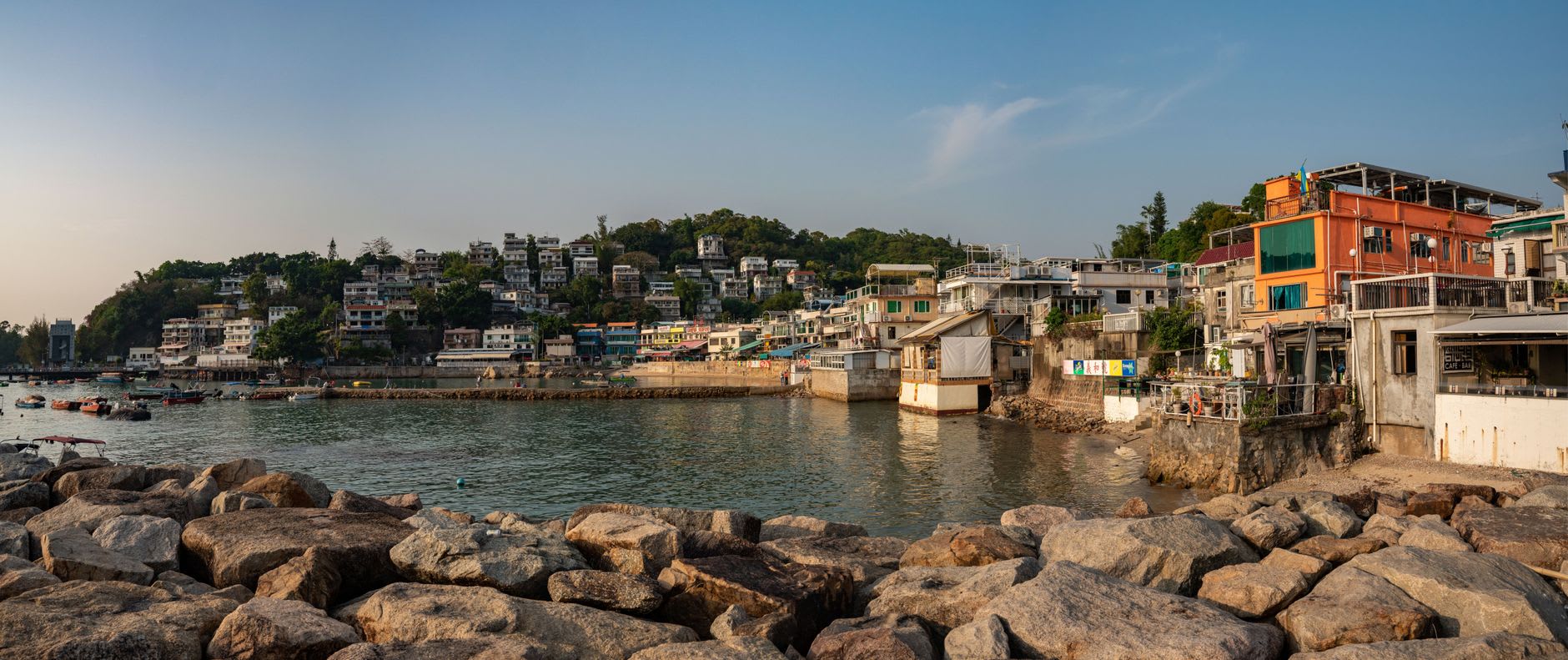
Lamma has two main settlements: Yung Shue Wan on the north and Sok Kwu Wan on the southeast coast, connected by a hiking trail of about an hour through the island’s wooded spine. The trail climbs through secondary forest where the trees are old enough to close a canopy overhead, and the views from the ridge — looking east toward Lamma Channel and its parade of container ships, west toward the open South China Sea — give you a sense of Hong Kong’s maritime geography that no map quite communicates. The ships are enormous and they move slowly, which creates a strange temporal sensation: the island is absolutely quiet, the forest absolutely still, and out on the water these vast structures are silently repositioning themselves across the blue.
Sok Kwu Wan is the seafood village. The restaurants here are essentially sheds on platforms over the water, and they bring you what was alive in the tanks an hour before. I am not a particularly theatrical eater, but my first visit to Lamma changed my relationship with steamed crab in a way I haven’t fully recovered from. A live flower crab, chosen by weight from a tank, steamed with ginger and scallion and disassembled into sections — the flesh was so sweet it barely needed the dipping sauce. The restaurant owner’s mother, who I think was about eighty, came out to make sure I was eating it correctly. She showed me which joints to break and in what order, using hand gestures that needed no translation, and watched until she was satisfied.
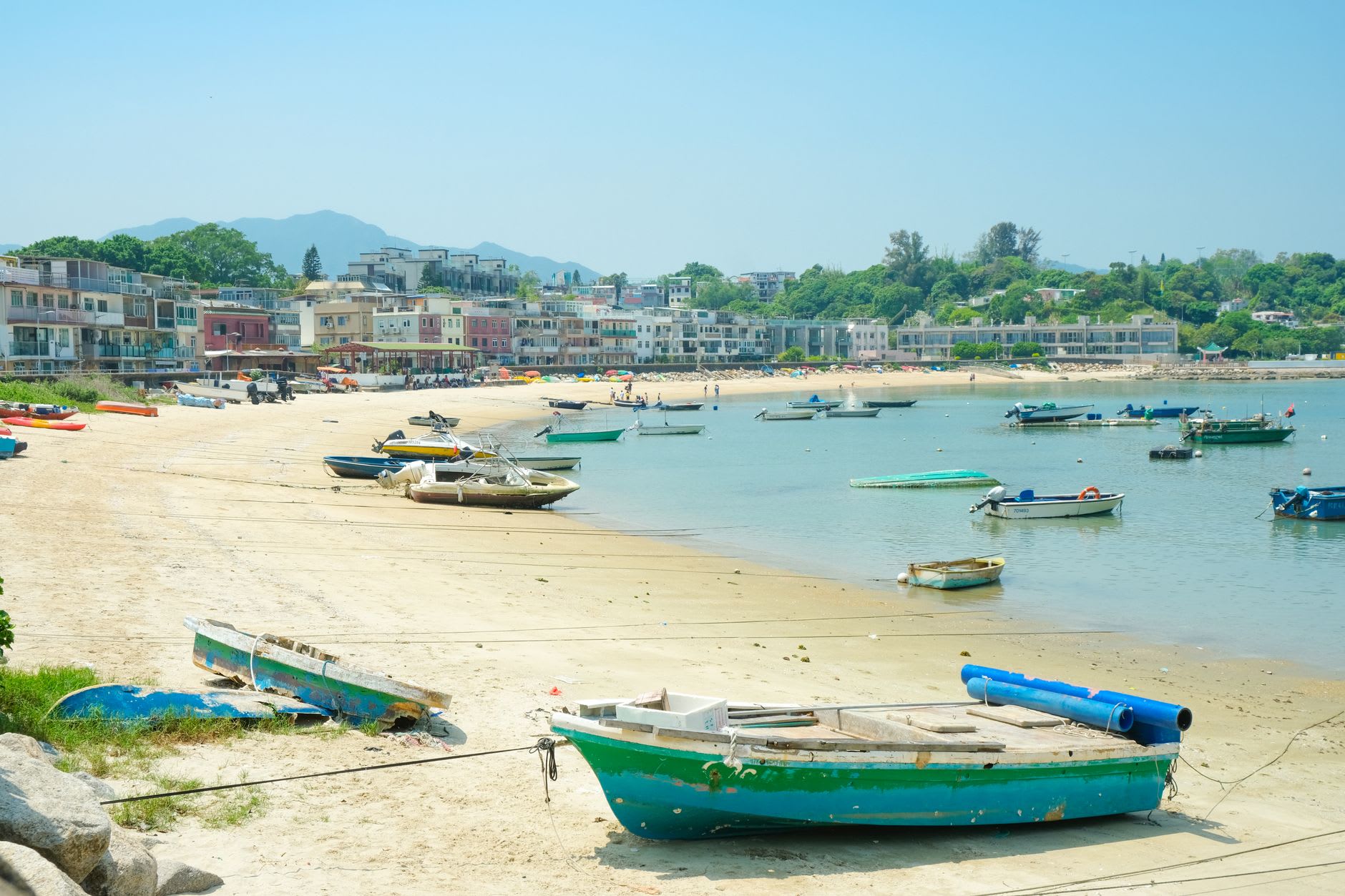
Yung Shue Wan has a different character — more residential, with small cafes and noodle shops and a bakery that makes wife cakes (flat pastry filled with winter melon paste) that I ate three of standing on the ferry pier. A community of expat artists and Hong Kong urban escapees has been here since the 1980s, and the vibe is one of slightly bohemian permanence — the kind of place where people come for a weekend and then keep finding reasons not to leave, until one day they realise they’ve lived here for a decade.
When to go: October through April for the best hiking weather and the freshest seafood. The typhoon season from July to September can interrupt ferry service without warning, which can be an adventure or an inconvenience depending on your schedule and disposition. A weekday visit means quieter restaurants and trails almost entirely to yourself.