Dragon's Back
"Forty minutes from Central and I was standing on a ridge with the sea on both sides, wondering why I'd waited so long."
A ridge trail on Hong Kong Island's south side with sea views on both flanks — the hike everyone recommends, and for once the reputation is earned.
Everyone who has spent more than a weekend in Hong Kong will tell you to do Dragon’s Back, and I resisted it for exactly that reason. Overhyped, I assumed — a scenic dirt path that had been talked up by every listicle until it couldn’t possibly live up to itself. Lia was the one who pushed. She’d read that it had once been named among the best urban hikes in Asia by a travel magazine and wanted to see if that was marketing or truth. We took the bus up from Shau Kei Wan on a Wednesday morning specifically to avoid the weekend crowds, and within the first twenty minutes of climbing through the woods above To Tei Wan, I understood the fuss.
The trail follows the undulating spine of a ridge that genuinely does resemble a dragon’s back if you squint at the right angle from a distance, and the geography does the marketing for itself. On one side, the high-rises of Tai Tam and the reservoir; on the other, the open water toward Big Wave Bay and Shek O, with the coastline curling away in green headlands. It is not a hard hike by any technical measure — a few sustained climbs, nothing requiring gear beyond decent shoes — but the payoff-to-effort ratio is about as good as hiking gets anywhere I’ve been.
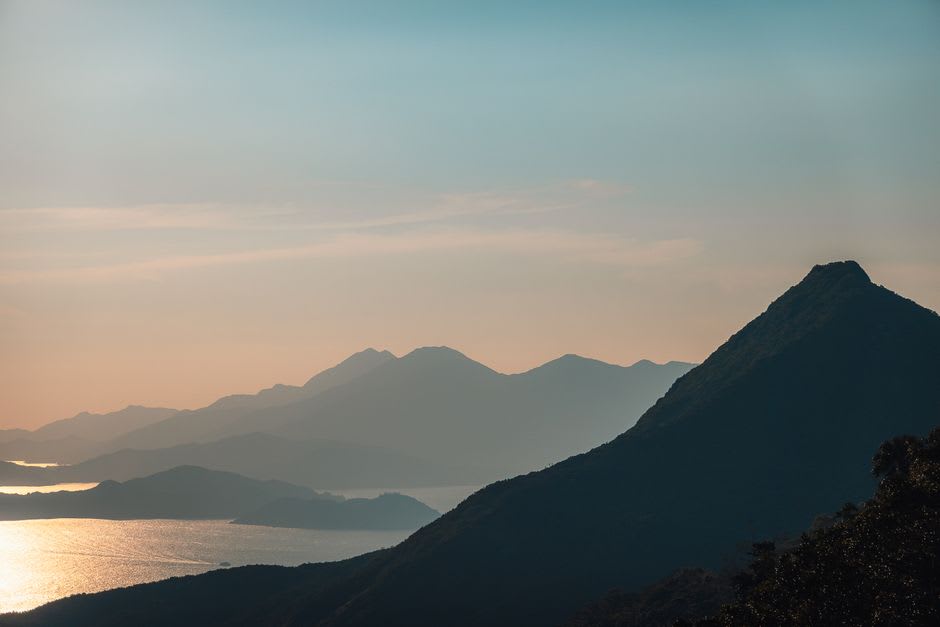
We stopped at the highest point, a grassy shoulder where paragliders launch on days with the right wind, and watched two of them lift off and drift out over the bay in long, slow circles. A woman near us was doing tai chi, unbothered by the hikers filing past, moving through her forms like she did this every morning of her life, which she probably did. That’s the thing about Dragon’s Back that the lists don’t quite capture — it’s not just a view, it’s a piece of daily infrastructure for people who live nearby, folded in among the tourists without any friction.
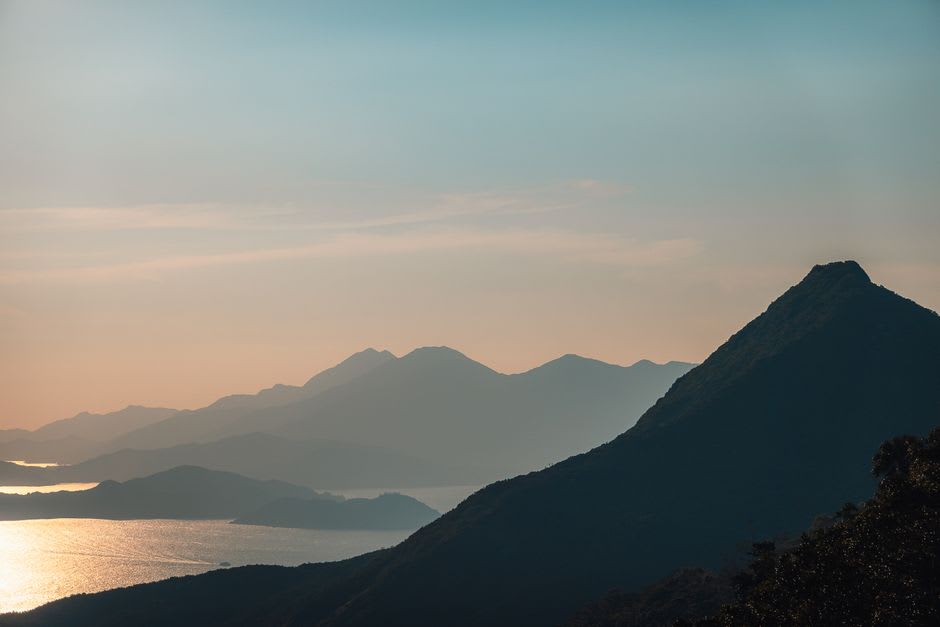
The trail descends eventually toward Big Wave Bay, and this is the part I’d underestimated: after two hours on a ridge, you land on an actual beach, with a handful of surf shacks renting boards and serving cold drinks to hikers who look exactly as sweaty and pleased with themselves as we did. We sat with our feet in the sand and ate fried rice from a plastic container and agreed, without much debate, that the magazine had been right.
When to go: October to December for the clearest air and cooler hiking temperatures — visibility on the ridge can be genuinely poor in the humid summer months. Start early on weekends; the trailhead gets crowded by mid-morning.
Keep exploring
More from Hong Kong
 hong-kong
 Graham Street Market
Hong Kong's oldest wet market, squeezed between Central's glass towers, still selling vegetables off wooden carts the way it has since the 1840s.
Explore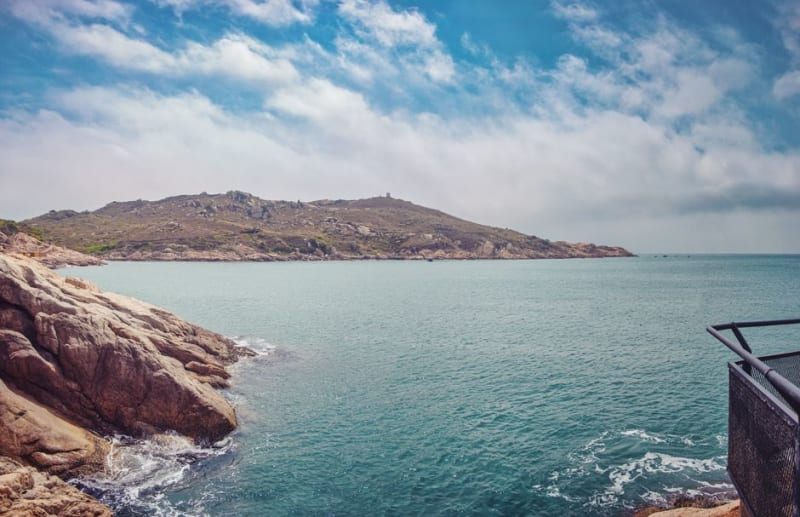 hong-kong
 Hap Mun Bay
A boat-only beach on Sharp Island reached from Sai Kung pier in fifteen minutes — one of the few places in Hong Kong where a natural sandbar connects two islands at low tide.
Explore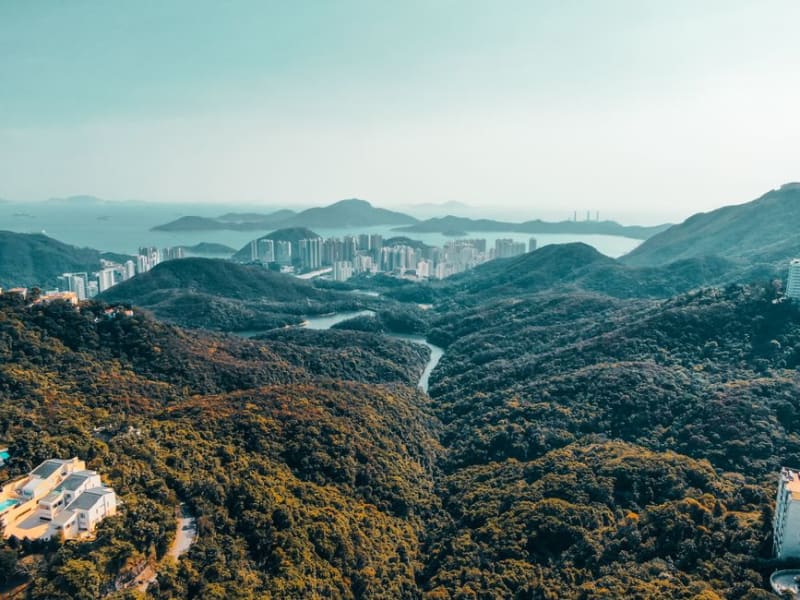 hong-kong
 Happy Valley
A racecourse ringed by residential towers and, before that, a cemetery — Wednesday nights here are pure organized chaos under floodlights.
Explore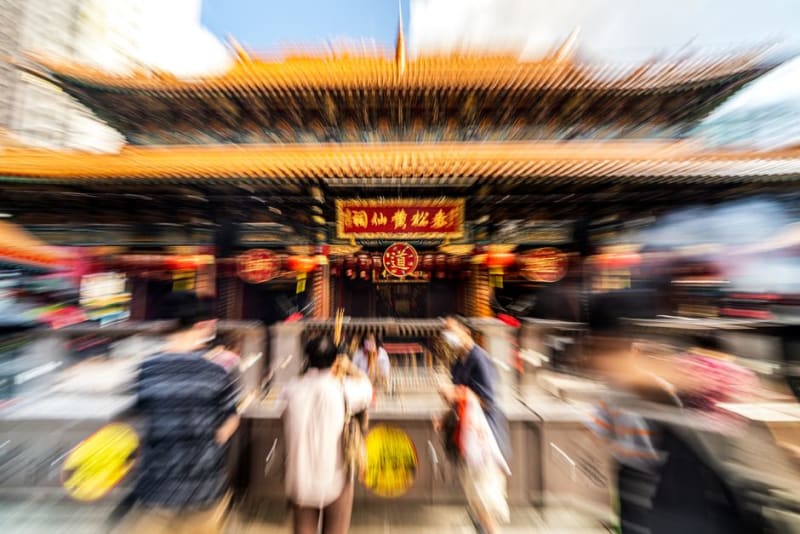 hong-kong
 Hau Wong Temple
A small, weathered Kowloon City temple honouring a loyal Song dynasty official, standing in the shadow of the old Kai Tak flight path.
Explore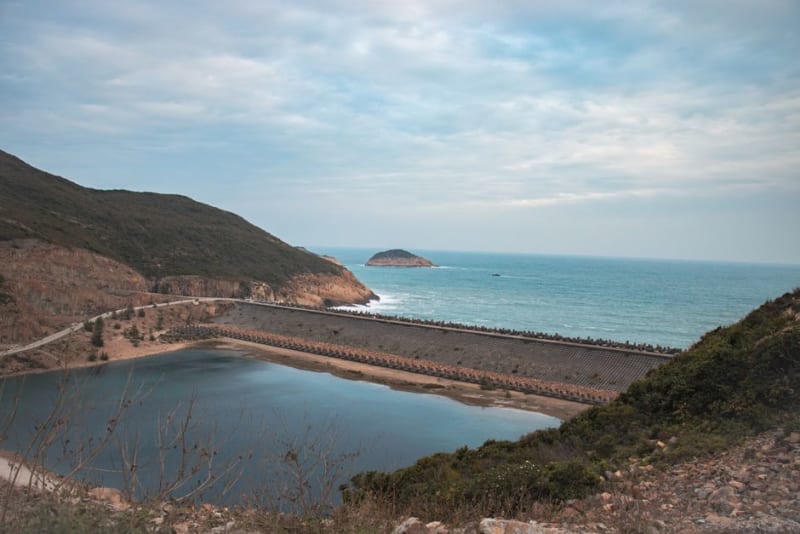 hong-kong
 High Island Reservoir
Hexagonal volcanic rock columns twisted sideways by ancient pressure, standing at the edge of a reservoir built where the sea used to be.
Explore hong-kong
 Jade Market
Hundreds of stalls under one roof in Yau Ma Tei, selling every shade of jade to buyers who know exactly what they're looking for.
Explore