Trujillo
"Trujillo has more history per square meter than anywhere I've stood in Central America, and almost nobody comes to see it."
The first Spanish settlement on the American mainland, a sleepy Caribbean port where Columbus once anchored and Garifuna drums now carry further than colonial history.
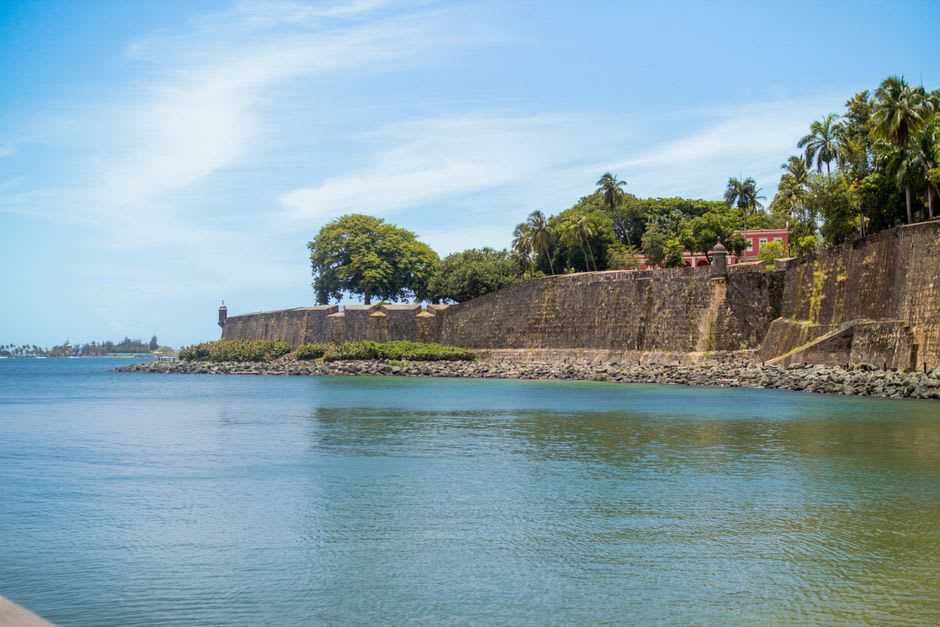
Trujillo doesn’t announce its history — you have to already know it to feel the weight of the place. This bay is where Christopher Columbus first set foot on the American mainland in 1502, and where Hernán Cortés founded the town in 1525, making it the oldest continuously settled European town on the continent’s mainland. Wander to the small plaza above the bay today and you’ll find sleeping dogs, a few plastic chairs outside a comedor, and almost no acknowledgment of any of this. I liked it immediately for that reason. There’s no gate to pay at, no reenactor in costume — just a fort, a bay, and five centuries sitting quietly on top of each other.
The Fortaleza de Santa Bárbara, built by the Spanish in the 1500s and rebuilt repeatedly through pirate raids by Francis Drake and others, sits on a bluff above the water with cannons still aimed at a horizon that no longer threatens anything. William Walker, the American filibuster who briefly declared himself president of Nicaragua, was executed by firing squad here in 1860, and his grave is in the town cemetery — a strange historical footnote that Honduran schoolkids know and almost no foreign visitor does.
What surprised me more than the colonial history was the Garifuna presence just outside town, in communities like Santa Fe and Cristales, where the descendants of shipwrecked and escaped West African slaves who mixed with Caribbean Island Caribs built a culture distinct from anywhere else in Honduras. I ended up at an evening gathering in Cristales almost by accident, following the sound of drums down a dirt lane, and watched punta dancing performed with a hip movement that looked physically impossible until I saw six different women doing it with total ease. Someone handed me a plate of tapado, a coconut milk seafood stew, and I ate it sitting on an overturned bucket while the drumming went on past dark.
The Parque Nacional Capiro y Calentura rises directly behind the town, and a rough road climbs into cloud forest with a lookout tower at the top that, on a clear morning, shows the entire curve of the bay and the Caribbean beyond it. I hiked up with a local guide named Wilmer who pointed out howler monkeys before I could even hear them, and we came back down past a waterfall where I stood under the cold spray for longer than was strictly necessary, mostly because nobody else was there to hurry me along.
When to go: December through April is driest and best for the Capiro y Calentura hike. Garifuna cultural events cluster around April 12, the Día de la Garífuna, when Trujillo and nearby Garifuna towns hold their biggest celebrations of the year — worth planning around if you can.
Keep exploring
More from Honduras
 honduras
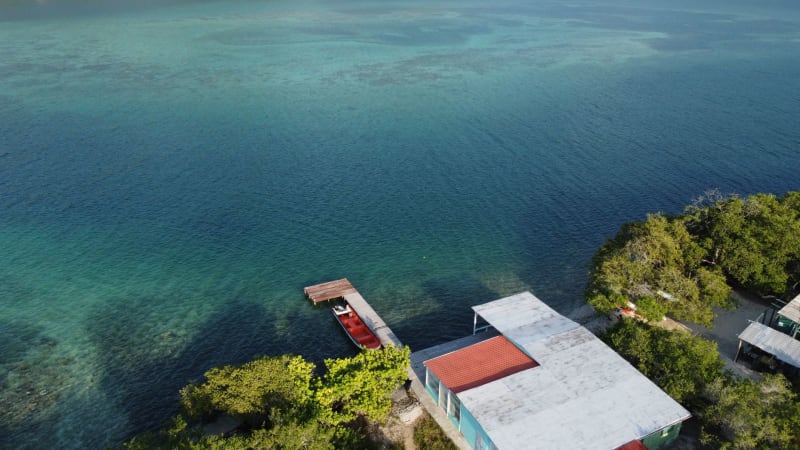
 Utila
The scrappier, cheaper, and more obsessive of the Bay Islands — where backpackers arrive for a week of diving and stay for a month without quite understanding how it happened.
Explore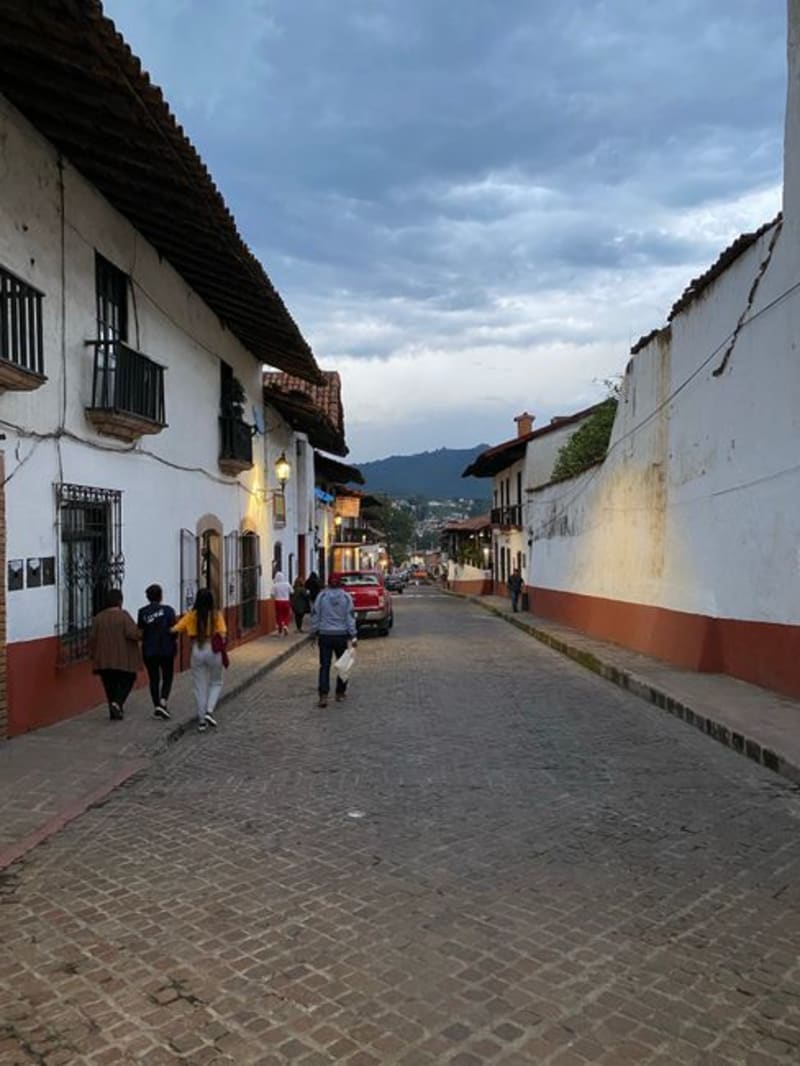 honduras
 Valle de Ángeles
A cobblestoned mountain town outside Tegucigalpa built on woodworking and weekend escape, where pine air replaces the capital's heat in under an hour.
Explore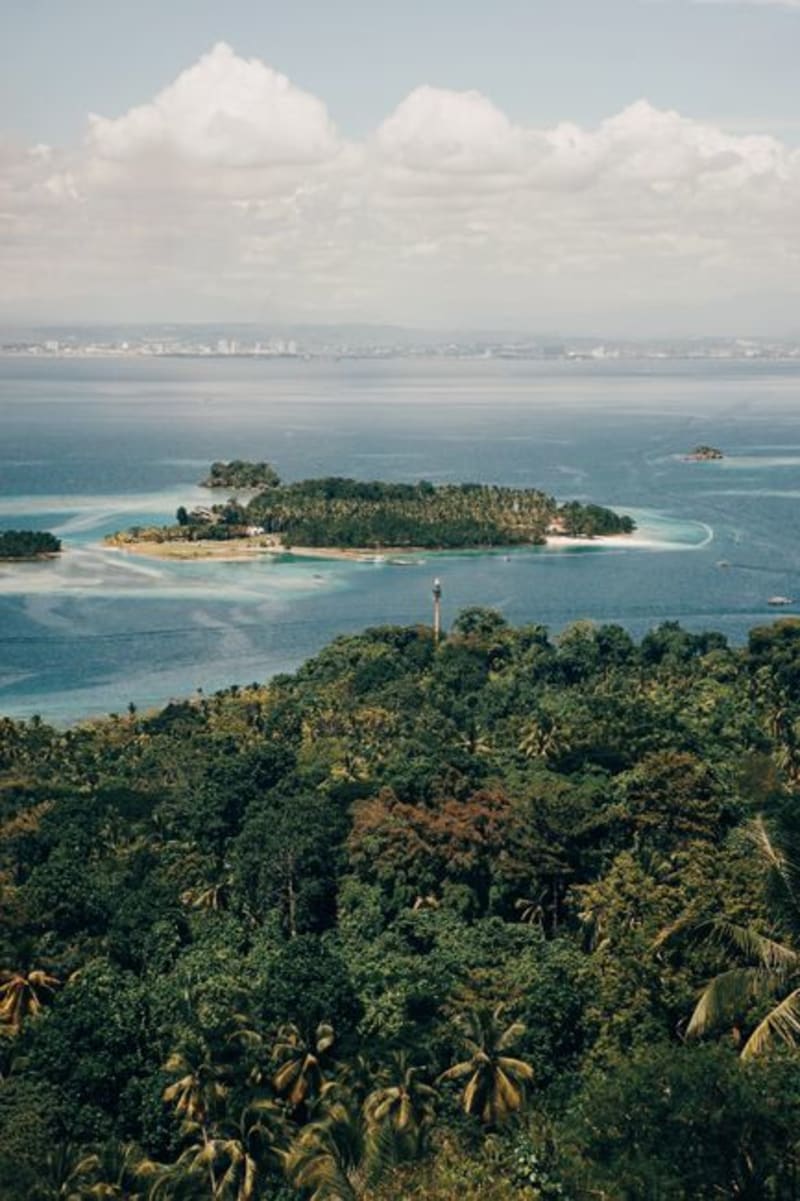 honduras
 Cayos Cochinos
A scattering of tiny islands and coral cays off the north coast, protected since 1993, where a Garifuna stilt village and some of the clearest water in the Caribbean sit side by side.
Explore honduras
 Comayagua
Honduras's colonial heartland, where one of the oldest clocks in the Western Hemisphere still keeps time above a cathedral plaza that empties by nine in the evening and fills with light during Holy Week in ways that stop traffic.
Explore honduras
 Copan Ruins
The Athens of the Maya world, famous for the finest carved stelae and a hieroglyphic stairway of extraordinary detail.
Explore honduras
 Cusuco National Park
A dripping cloud forest above San Pedro Sula where a research station's night hikes reveal salamanders and glass frogs found almost nowhere else on earth.
Explore