Tegucigalpa
"Everyone warned me about Tegucigalpa. Nobody mentioned the view from El Picacho."
Honduras's capital sprawls across a bowl of pine-covered hills, a city everyone warns you about and almost nobody actually explains.
Every Honduran I met on this trip had an opinion about Tegucigalpa, and none of them were neutral. “Don’t linger,” a hostel owner in La Ceiba told me, with the flat certainty of someone repeating received wisdom rather than personal experience. I lingered anyway, three nights in the historic center, and found a capital that is chaotic, hilly, occasionally intimidating after dark, and considerably more interesting than its reputation allows. Tegucigalpa sits in a bowl surrounded by pine ridges at nearly a thousand meters, which means the air has a coolness that surprised me after weeks on the coast, and the city climbs its own hillsides in a way that makes every neighborhood feel like it’s clinging to something.
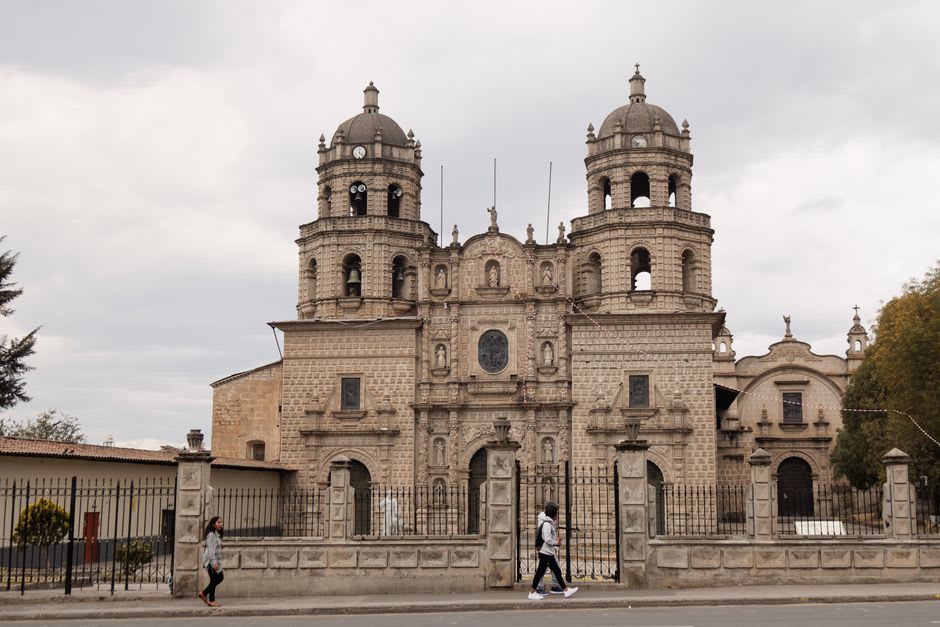
The historic center around Parque Central and the Catedral de San Miguel Arcángel is where I spent most of my first day — a baroque cathedral finished in 1782, its interior gilded and dim, facing a plaza where shoeshine men, students, and vendors selling shaved ice occupy the same benches without much friction. A few blocks over, the Iglesia de los Dolores has a facade so ornately carved it looks almost overworked, and I stood in front of it for ten minutes trying to catalog every figure crowded into the stonework.
What actually changed my sense of the city was the drive up to El Picacho, the hill on the northern edge of town crowned with a towering white statue of Cristo del Picacho, arms outstretched over the valley. From the overlook beside it, Tegucigalpa unspools below in every direction — red tile roofs, cinderblock hillside barrios painted in fading pastels, the twin city of Comayagüela across the river, ridgelines fading blue into the distance. I went at sunset, when the light does something genuinely flattering to a city that doesn’t always photograph well at street level, and stayed until the valley lights came on in patches.
The Mercado San Isidro, a few streets south of the center, is where I ate the best baleada of the entire trip, from a woman who has apparently been running the same stall for over twenty years and did not look up from her comal the entire time she made it. The market spills out onto the surrounding streets in a genuine tangle of textiles, machetes, cheap electronics, and produce, and walking it with no particular destination is, I think, the fastest way to understand how this city actually works day to day, as opposed to how outsiders imagine it.
When to go: Tegucigalpa’s elevation keeps temperatures mild year-round, so timing matters less here than in the lowlands. The dry season, November through April, makes hillside walks and the drive to El Picacho more pleasant. Stick to the historic center and known neighborhoods during the day, take taxis rather than walking after dark, and treat it the way you would any large Latin American capital — with ordinary street sense, not panic.
Keep exploring
More from Honduras
 honduras
 Tela
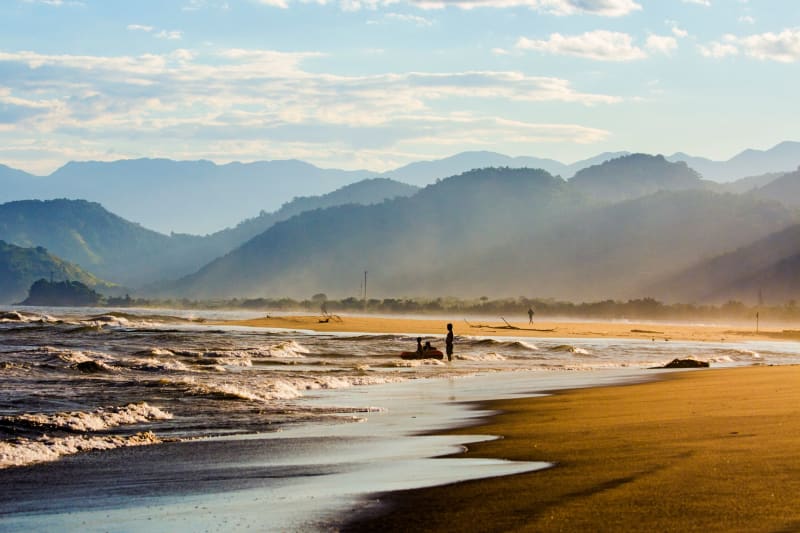
A languid Caribbean beach town backed by one of Central America's most intact coastal wetlands, where Garífuna villages dot the shoreline and the banana company's ghost still haunts the good side of town.
Explore honduras
 Trujillo
The first Spanish settlement on the American mainland, a sleepy Caribbean port where Columbus once anchored and Garifuna drums now carry further than colonial history.
Explore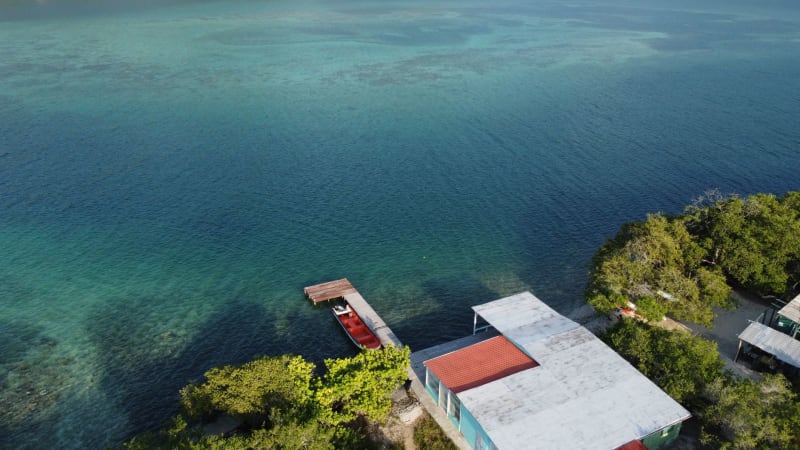 honduras
 Utila
The scrappier, cheaper, and more obsessive of the Bay Islands — where backpackers arrive for a week of diving and stay for a month without quite understanding how it happened.
Explore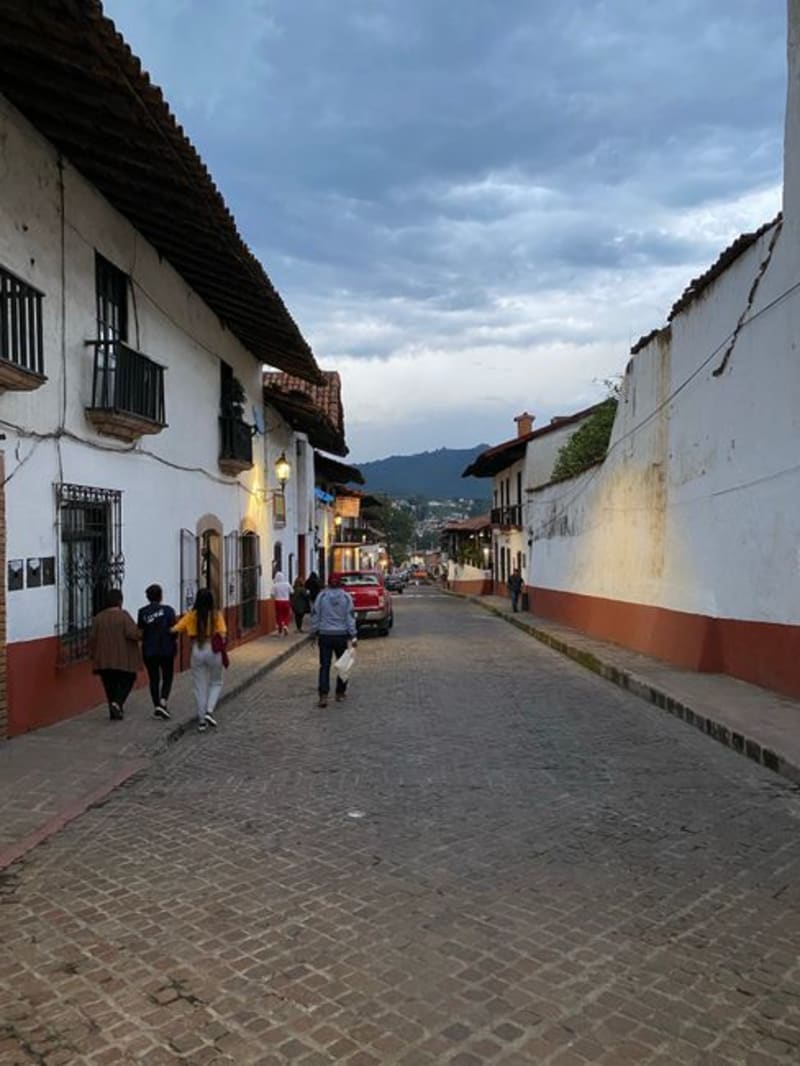 honduras
 Valle de Ángeles
A cobblestoned mountain town outside Tegucigalpa built on woodworking and weekend escape, where pine air replaces the capital's heat in under an hour.
Explore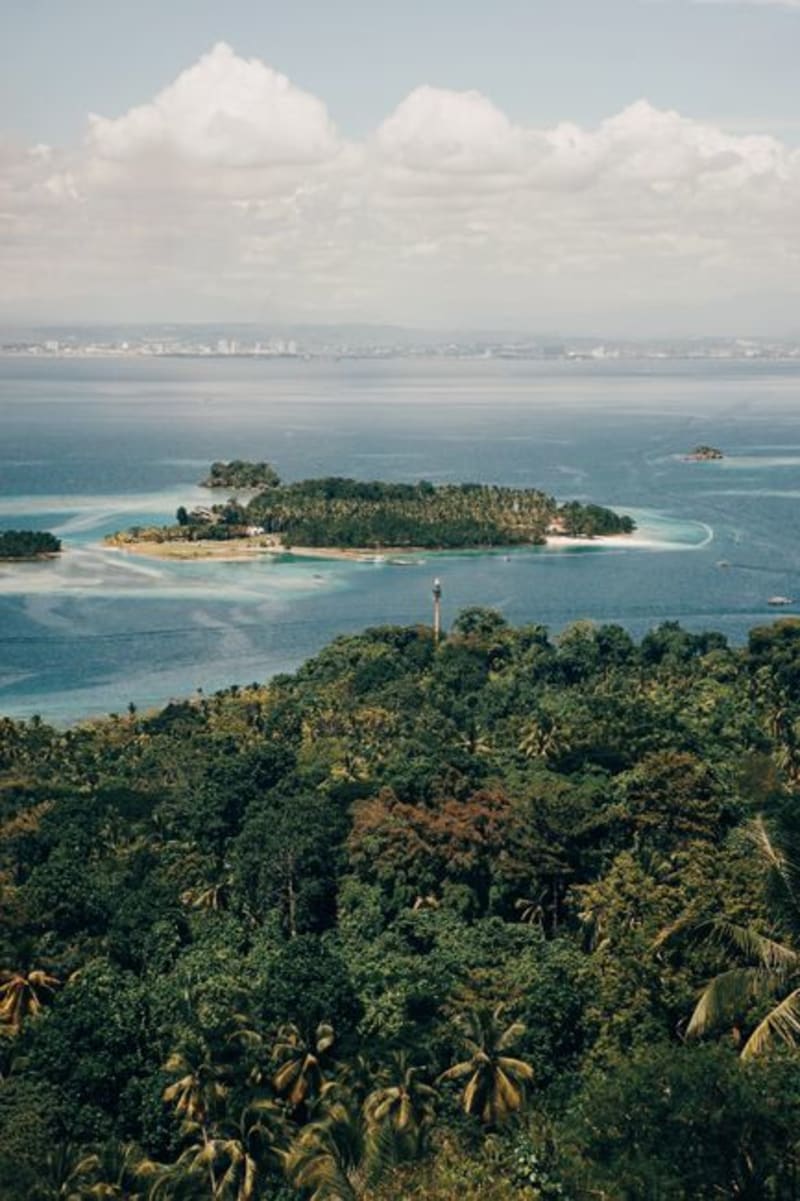 honduras
 Cayos Cochinos
A scattering of tiny islands and coral cays off the north coast, protected since 1993, where a Garifuna stilt village and some of the clearest water in the Caribbean sit side by side.
Explore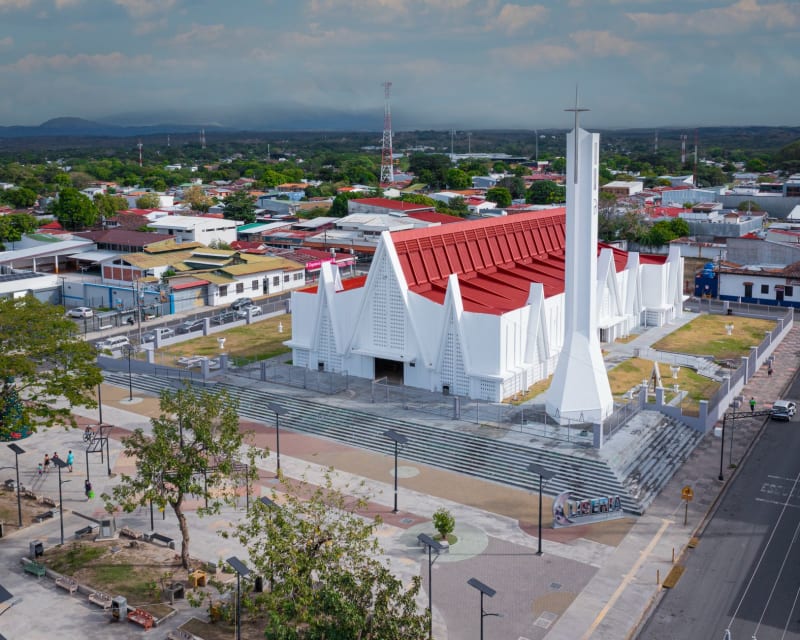 honduras
 Comayagua
Honduras's colonial heartland, where one of the oldest clocks in the Western Hemisphere still keeps time above a cathedral plaza that empties by nine in the evening and fills with light during Holy Week in ways that stop traffic.
Explore