Santa Rosa de Copán
"I came for the ruins nearby and stayed an extra day for the cigars. No regrets about the order of priorities."
A highland tobacco town of red tile roofs and cigar smoke, where colonial streets and family-run factories have been quietly rolling world-class puros for over a century.
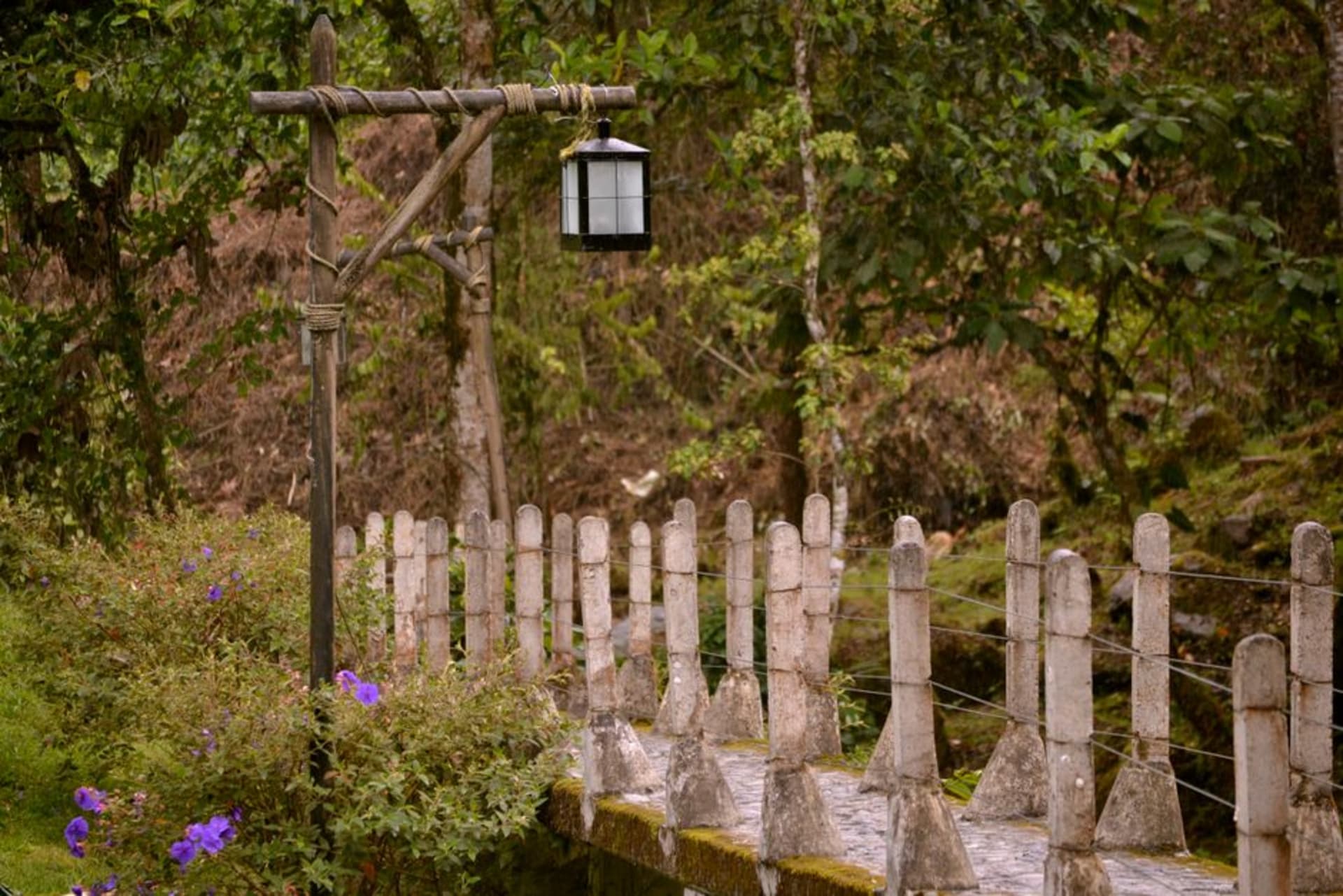
Most travelers pass through Santa Rosa de Copán on their way to the Maya ruins an hour west and never stop moving, which is a mistake I nearly made myself before a fellow traveler on the bus told me, with real conviction, that I needed to see the cigar factories first. Santa Rosa sits at over 1,100 meters in the western highlands, cool enough that I wore a sweater in the evenings for the first time since leaving Mexico, and the colonial center — red tile roofs, whitewashed walls, a cathedral with a clock tower visible from most of downtown — has the kind of unhurried, lived-in quality that towns built for tourists never quite manage.
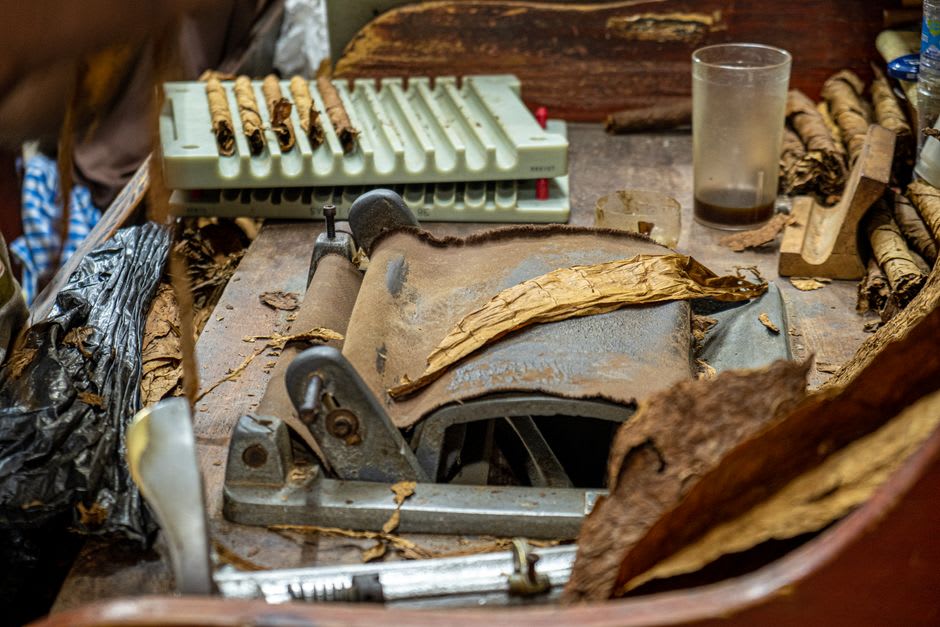
The tobacco tradition here goes back to Cuban families who relocated after the 1959 revolution and found the region’s soil and climate suited to premium leaf. I toured the Flor de Copán factory, one of the oldest and largest, and watched rollers — mostly women, mostly working in near silence — shape leaves into cigars with a speed and precision that made my own attempt at rolling one, generously supervised by a woman who found my effort quietly hilarious, look even worse by comparison. The smell in that room, raw tobacco and the specific must of aging leaf, is something I still associate with the whole town.
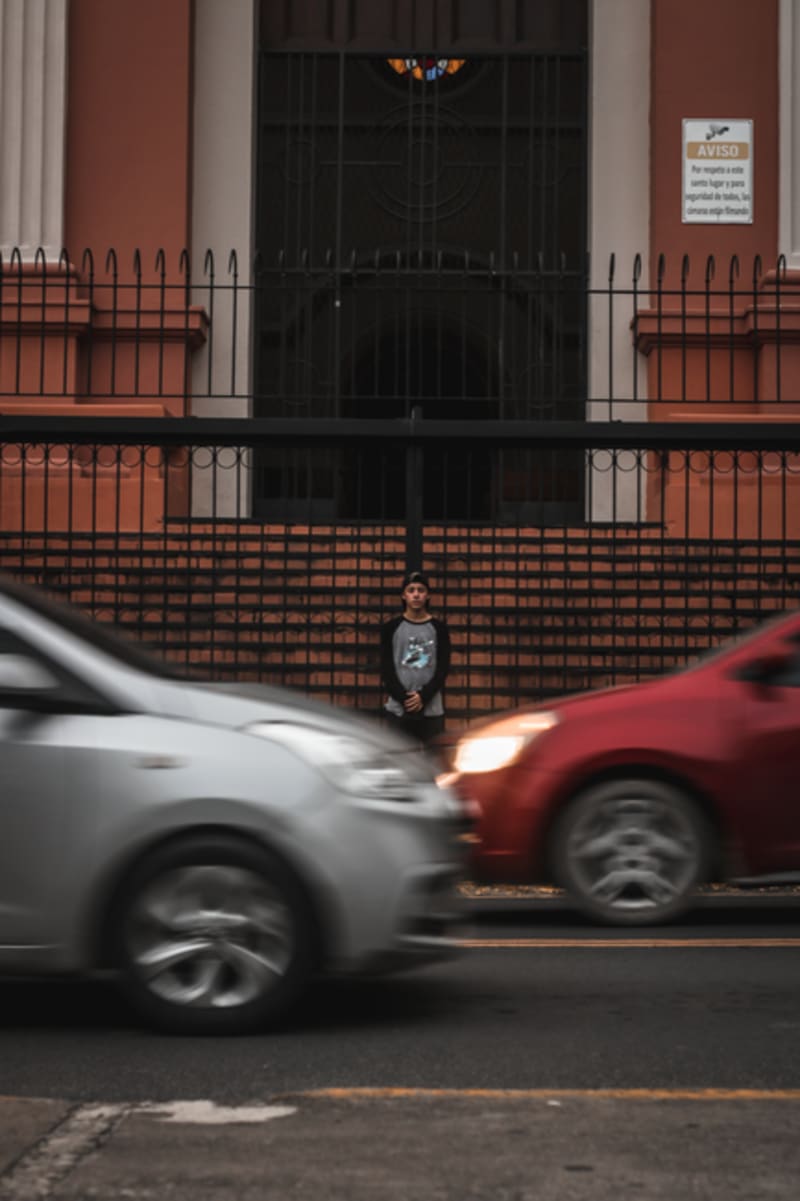
Outside the factories, the town center rewards slow walking. The Iglesia de Santa Rosa de Lima anchors the main plaza, and the surrounding streets are dense with old wooden balconies and doorways painted in fading colonial colors. I found a small shop selling nothing but local cheese — this region produces some of Honduras’s best, a semi-hard cow’s milk variety sold in wax-coated wheels — and bought a wedge that I ate with bread on a bench overlooking the plaza while the evening market set up around me.
A short drive above town, the Mirador La Fortaleza gives a full view down over Santa Rosa’s grid of rooftops and the mountains folding away toward Guatemala. I went up at sunset with a couple I’d met at my guesthouse, and we stayed until the streetlights came on below in a pattern that traced the whole shape of the town from above — a genuinely satisfying way to end a day I’d almost skipped entirely.
When to go: November through April is dry and cool, ideal for walking the hilly streets. Factory tours run on weekdays; call ahead, as some close for lunch or private orders. Pair a stop here with Copán Ruinas, an hour west, for a full sense of the western highlands.
Keep exploring
More from Honduras
 honduras
 Tegucigalpa
Honduras's capital sprawls across a bowl of pine-covered hills, a city everyone warns you about and almost nobody actually explains.
Explore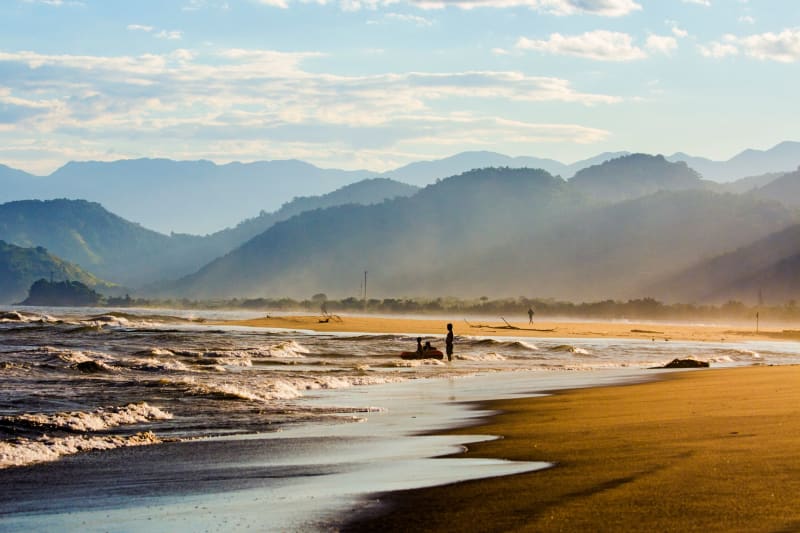 honduras
 Tela
A languid Caribbean beach town backed by one of Central America's most intact coastal wetlands, where Garífuna villages dot the shoreline and the banana company's ghost still haunts the good side of town.
Explore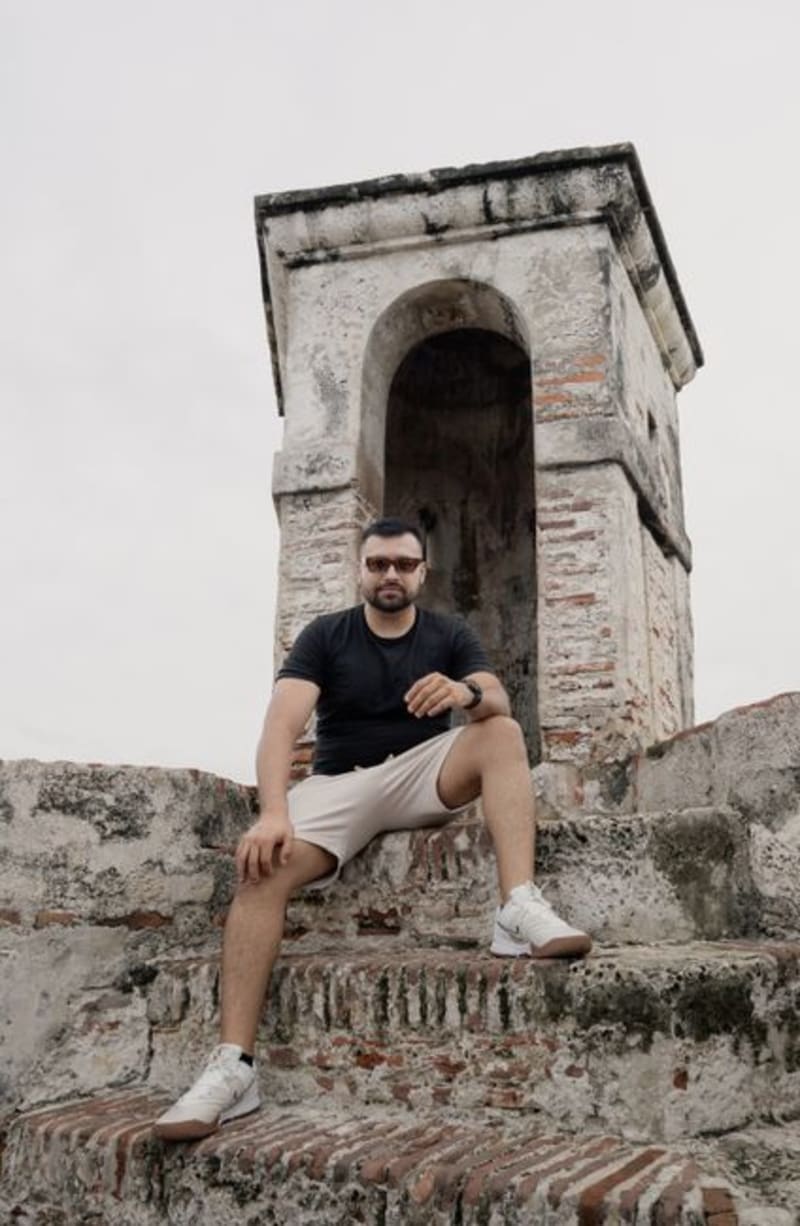 honduras
 Trujillo
The first Spanish settlement on the American mainland, a sleepy Caribbean port where Columbus once anchored and Garifuna drums now carry further than colonial history.
Explore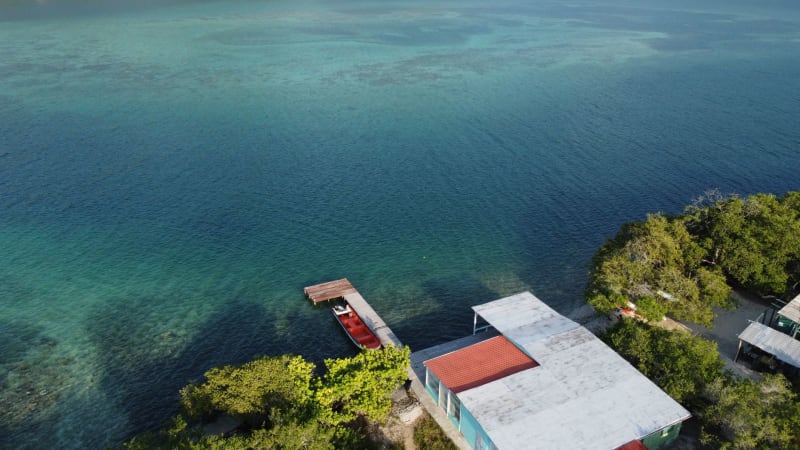 honduras
 Utila
The scrappier, cheaper, and more obsessive of the Bay Islands — where backpackers arrive for a week of diving and stay for a month without quite understanding how it happened.
Explore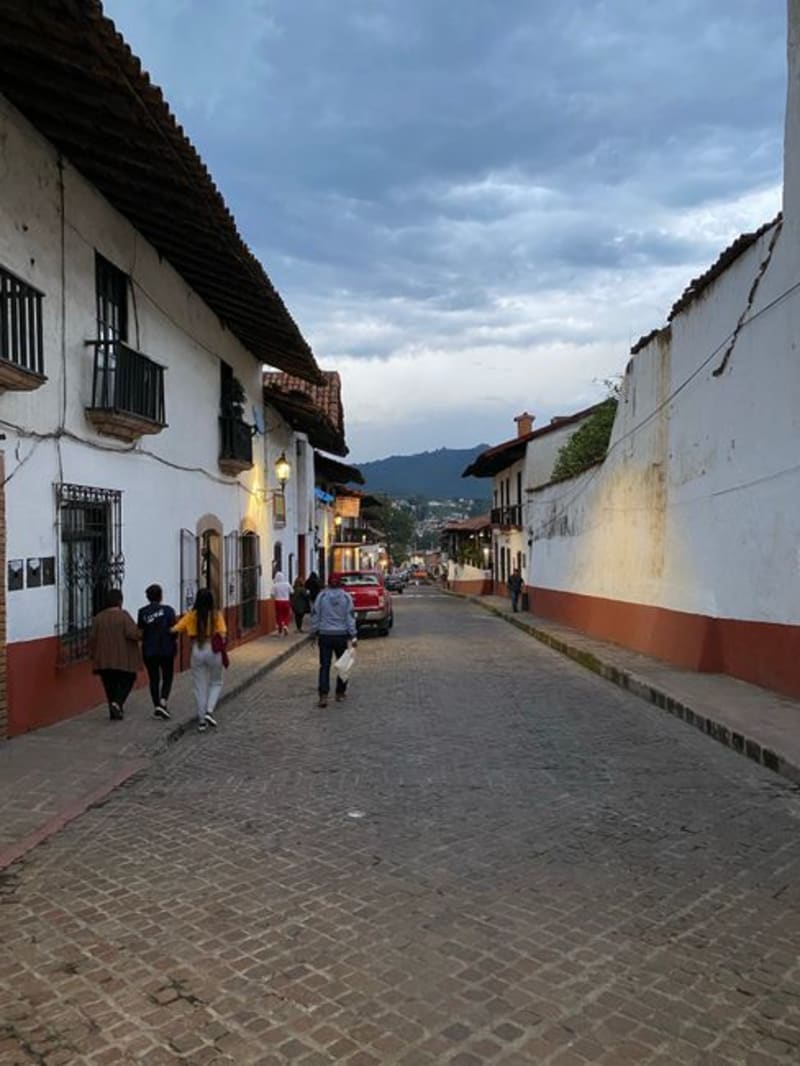 honduras
 Valle de Ángeles
A cobblestoned mountain town outside Tegucigalpa built on woodworking and weekend escape, where pine air replaces the capital's heat in under an hour.
Explore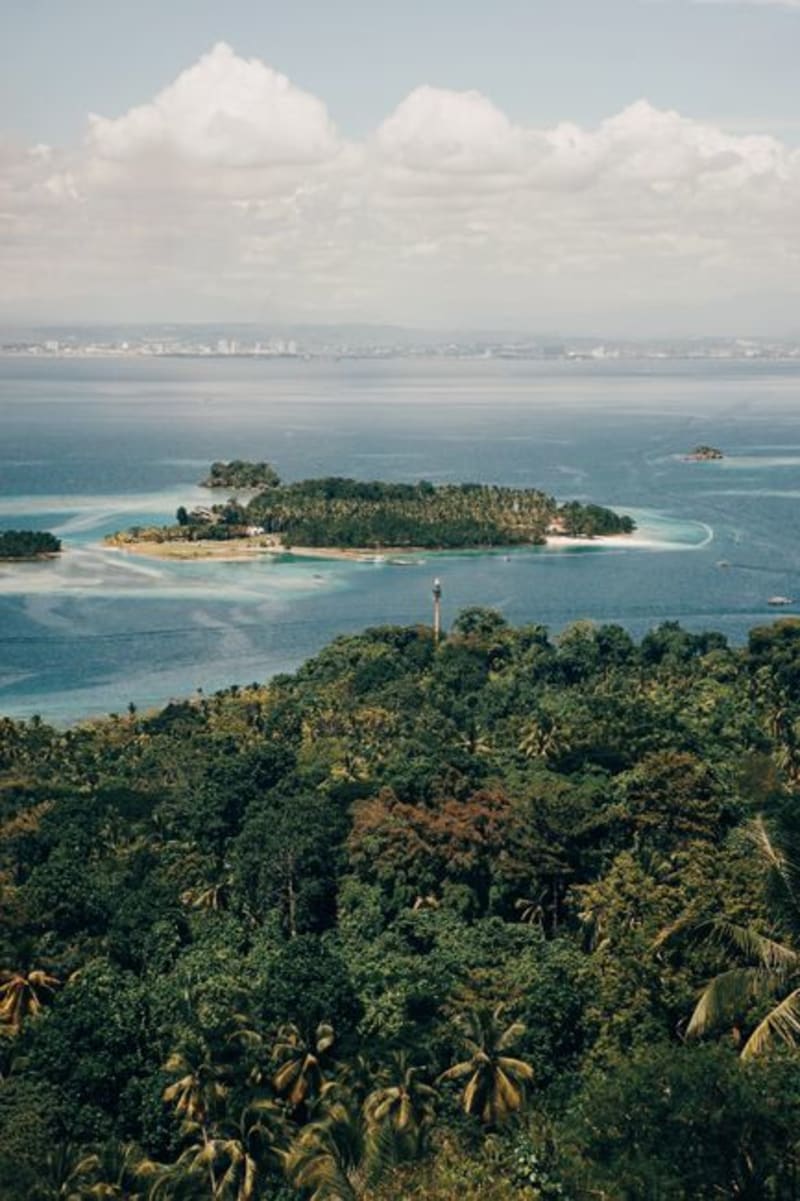 honduras
 Cayos Cochinos
A scattering of tiny islands and coral cays off the north coast, protected since 1993, where a Garifuna stilt village and some of the clearest water in the Caribbean sit side by side.
Explore