Omoa
"A fort built to repel pirates now guards nothing but an ice cream stand. I found that transition oddly moving."
A drowsy Caribbean beach town near the Guatemalan border, guarded by an eighteenth-century Spanish fort that once held off pirates and now mostly holds off nothing at all.
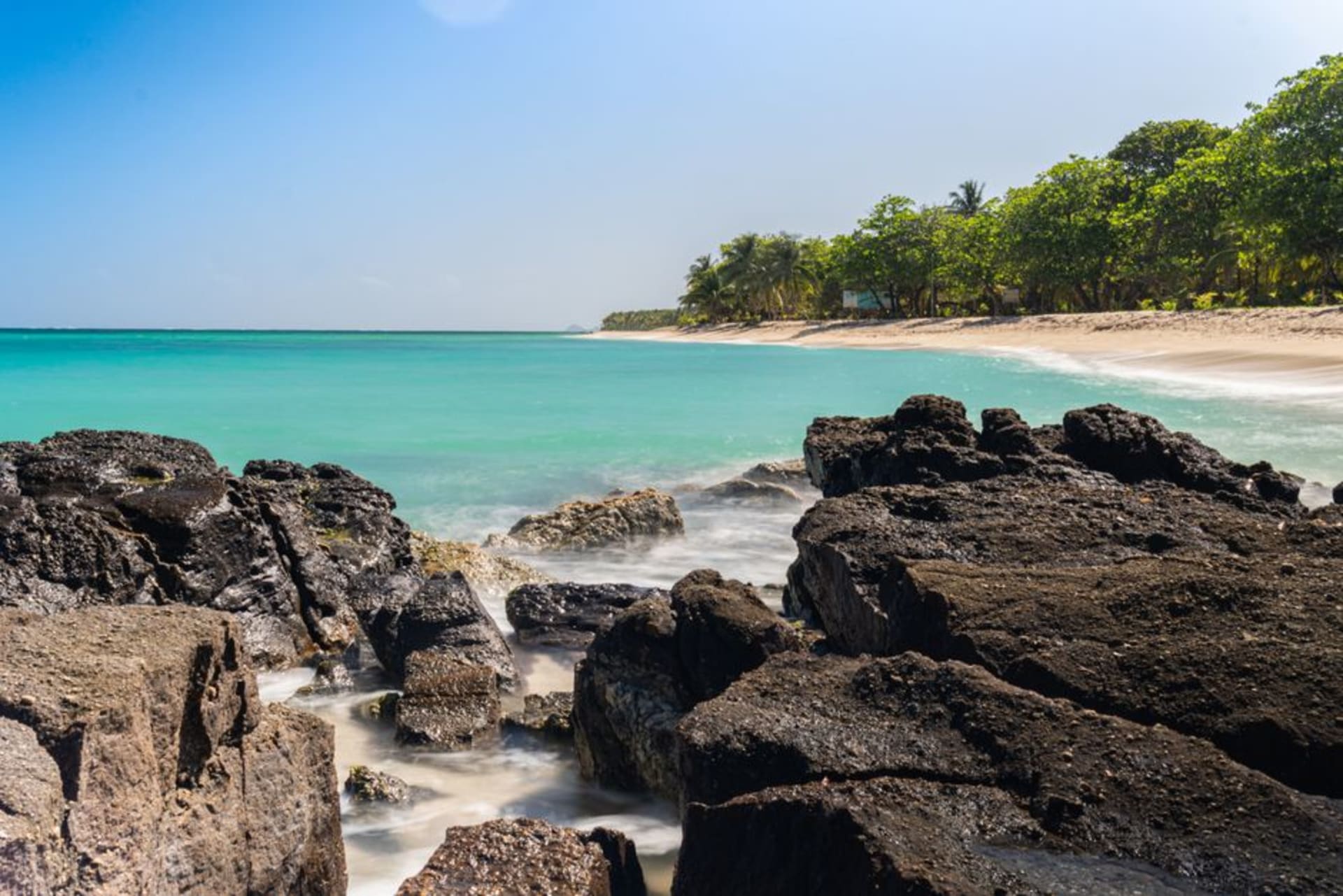
Omoa sits tucked into the western curve of Honduras’s Caribbean coast, close enough to the Guatemalan border that some visitors treat it as a place to pass through rather than stop, which undersells it considerably. I came for one night and stayed three, mostly because the beach here — dark volcanic sand backed by coconut palms, the water calm and warm even by Caribbean standards — turned out to be exactly the kind of unglamorous, uncrowded stretch of coast I’d been unconsciously looking for since I arrived in Honduras.
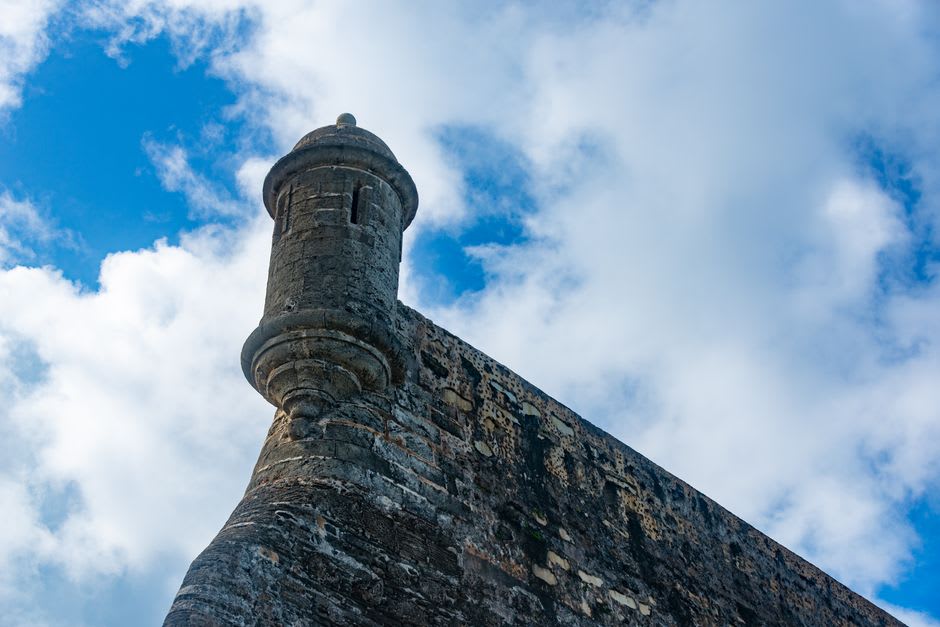
The Fuerte de San Fernando de Omoa, completed by the Spanish in 1777 to protect the empire’s main Caribbean trading port from English and pirate raids, still stands almost fully intact at the edge of town — thick coral-stone walls, a dry moat, cannons still mounted in their embrasures facing a sea that hasn’t threatened them in over two centuries. I walked the ramparts for the better part of an hour, mostly alone except for a caretaker dozing in the shade, and the small museum inside holds artifacts recovered from Spanish shipwrecks in the bay, including gold that was actually being smuggled out when the ships went down.
Along the main street and the beachfront, vendors sell jewelry made from black coral, a local craft tradition that predates most current conservation concerns about the material — I bought a small pendant from a woman who’d clearly been carving the same style for decades, her hands moving over the coral with a familiarity that made the process look almost absent-minded. The evening market fills with grilled fish, conch soup, and coconut bread, and I ate dinner most nights at a plastic table on the sand with my feet still gritty from the water.
What I liked most, honestly, was how little was being asked of me here. No dive shop pitch, no tour agenda, nobody trying to sell me anything beyond the coral pendant and dinner. I spent one full afternoon doing nothing but reading in a hammock strung between two palms behind my guesthouse, interrupted only by a dog that adopted me for the duration and a fisherman hauling in a net a few meters offshore.
When to go: The dry season, November through April, brings the calmest seas and clearest skies. Omoa makes an easy stopover between Honduras’s north coast and Guatemala’s Río Dulce or Livingston if you’re crossing overland — worth building a night or two into that route rather than rushing through.