Cusuco National Park
"I came for quetzals and left obsessed with salamanders I'd never heard of a week earlier."
A dripping cloud forest above San Pedro Sula where a research station's night hikes reveal salamanders and glass frogs found almost nowhere else on earth.
The road up to Cusuco National Park climbs out of San Pedro Sula’s heat with a speed that felt almost aggressive — within an hour and a half of leaving the city’s traffic and diesel fumes behind, I was standing in cloud forest at over 2,000 meters, wearing a jacket, watching my breath fog slightly in air that smelled of wet moss and crushed leaves. The park takes its name from the cusuco, the local word for armadillo, though the animals that actually made the visit for me were considerably smaller and stranger.
Cusuco’s research station, run in partnership with international conservation groups, hosts biologists studying the park’s extraordinary concentration of endemic species, and I arranged a night hike with one of them, a herpetologist named Fernando who has spent multiple field seasons here cataloging amphibians. Under headlamp light, the forest floor and understory revealed themselves as considerably busier than daylight suggested — glass frogs with translucent bellies you could see their organs through, and several species of salamander that exist, as far as anyone knows, nowhere else on the planet but this specific ridge of cloud forest.
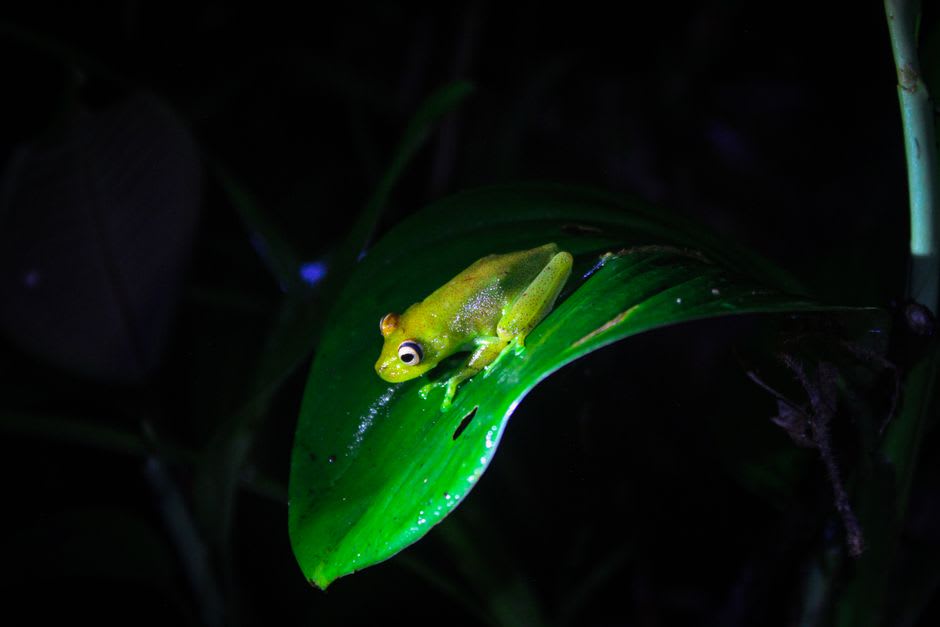
By day, the birding is what draws most visitors, and Fernando pointed out a resplendent quetzal in the canopy on our second morning with a speed that suggested he’d clocked it before I’d even registered movement — a flash of iridescent green tail feathers disappearing into fruiting trees. The trails themselves are muddy in a way that seems almost structural to the ecosystem, permanently damp underfoot, roots and rocks slick with a fine coating of moss that made every step a small negotiation.
Staying at the research station itself, in a shared dorm with mismatched blankets and lukewarm showers, felt less like tourism and more like temporarily joining someone else’s actual work, which I found more satisfying than any resort could have managed. Dinner was simple and communal, eaten at long tables with researchers comparing notes on the day’s sightings, and I went to bed both nights more tired and more genuinely happy than I’d expected from a cloud forest visit.
When to go: The dry season, roughly February through April, offers the best wildlife visibility and least difficult trail conditions, though the forest is cloud forest by definition and rarely fully dry. Arrange a guide and station accommodation in advance through the park’s conservation partners — this isn’t a place to show up unannounced.
Keep exploring
More from Honduras
 honduras
 Danlí
An eastern highland town built on cigars and corn, where a festival dedicated entirely to maize shuts down the streets once a year and cigar factories keep working every other week of it.
Explore honduras
 Gracias
The colonial capital of Central America for a brief sixteenth-century moment, now a quiet mountain town of cobblestones and thermal springs at the foot of Honduras's highest peak.
Explore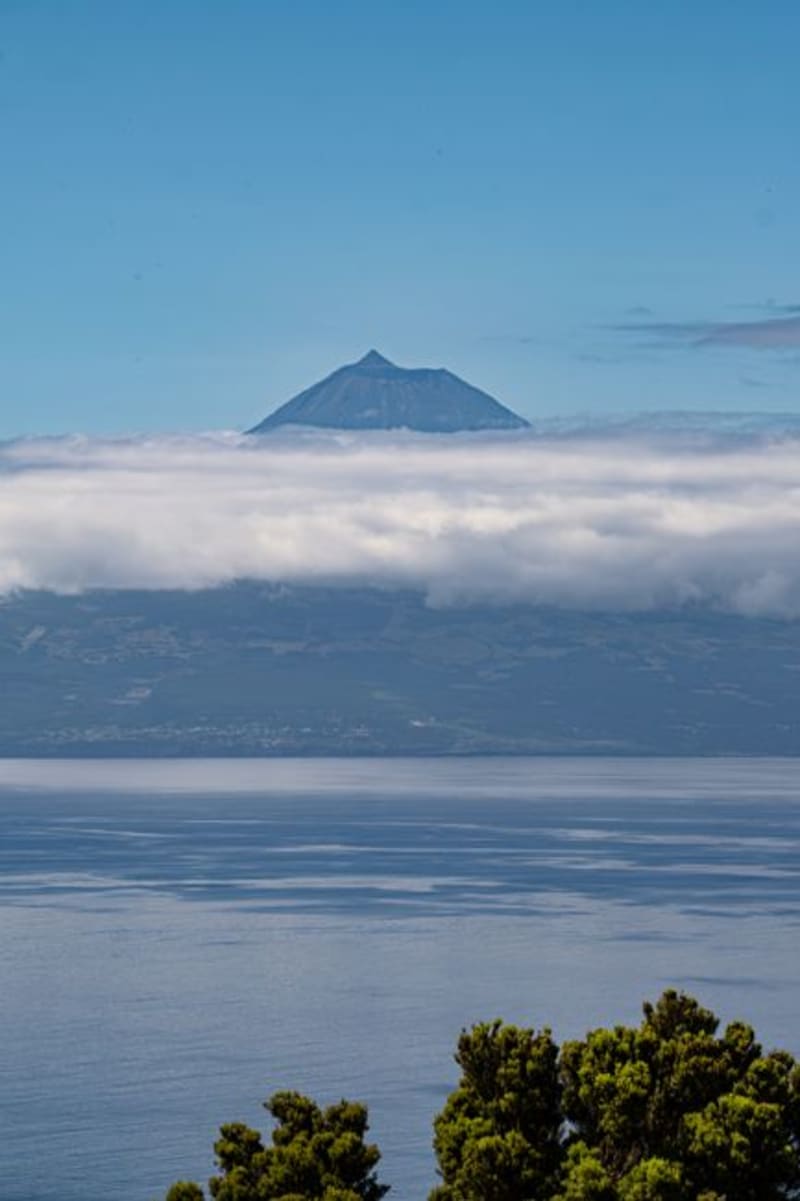 honduras
 Isla del Tigre
A volcanic island in the Gulf of Fonseca where Honduras's Pacific coast quietly exists, black sand beaches ringing a cone with three countries' volcanoes visible from the summit.
Explore honduras
 La Ceiba
Honduras's self-declared party capital where white-water rivers tumble out of cloud forest and straight into a Caribbean coast that never quite sleeps.
Explore honduras
 La Mosquitia
The largest intact rainforest north of the Amazon — a roadless wilderness of river channels, indigenous villages, and almost complete silence that requires effort to reach and rewards that effort without reservation.
Explore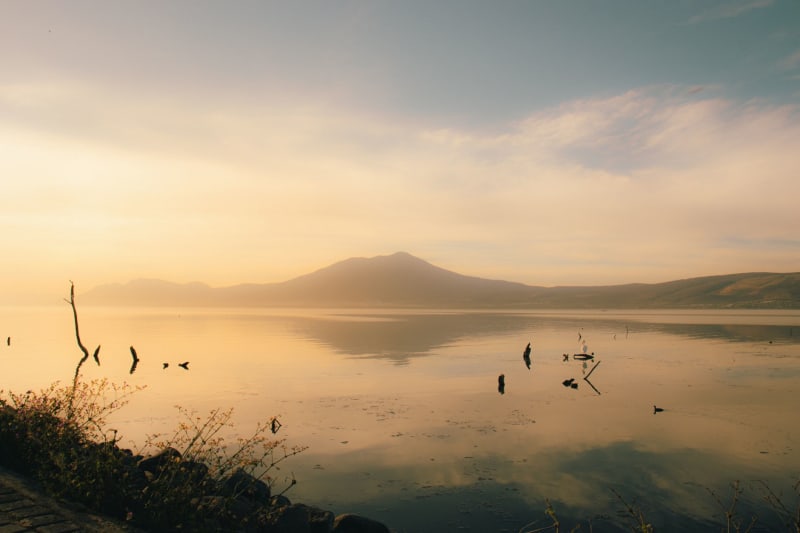 honduras
 Lago de Yojoa
Honduras's only natural lake sits between two national parks in a bowl of cloud forest, producing the country's best craft beer and some of Central America's most rewarding birdwatching.
Explore