Rishiri Island
"Rishiri-Fuji looks fake from the ferry deck, too symmetrical to be real — then you spend eight hours proving to yourself that it is."
A near-perfect volcanic cone rising straight out of the Sea of Japan, ringed by kelp beds and a hiking trail that punishes you fairly for every meter of that famous silhouette.
The ferry from Wakkanai takes about an hour and forty minutes, and for most of it Mount Rishiri sits on the horizon looking less like a real mountain than a child’s drawing of one — a nearly symmetrical 1,721-meter cone rising directly from the sea with no foothills to soften the geometry, which is exactly why locals call it Rishiri-Fuji. I’d seen photos and assumed some exaggeration was involved. There wasn’t. Stepping off the ferry at Oshidomari, the whole island organizes itself visually around this one peak, streets and harbor and fields all seeming to defer to it.
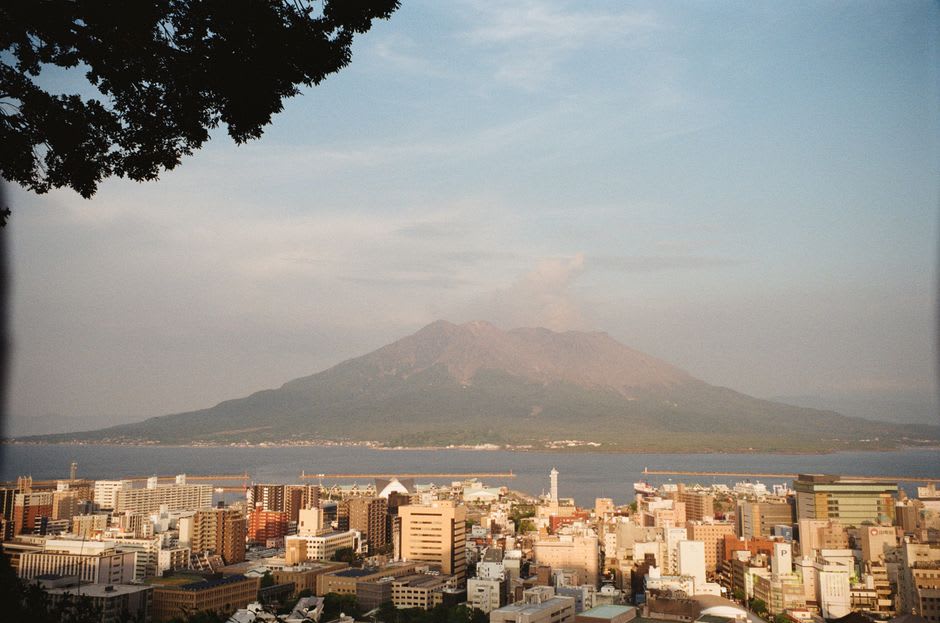
I climbed it, which I’d recommend only to people who actually enjoy suffering a little for a view. The trail from the eighth station is a grinding, root-and-scree ascent that took me close to five hours up, through a forest belt into alpine scrub and finally onto bare volcanic rock near the summit, wind picking up hard in the final stretch. The reward at the top, on the clear morning I got, was genuinely absurd: the whole curve of the island laid out below, the sea in every direction, and on the clearest days a hint of Sakhalin to the north. The descent took nearly as long and left my knees complaining for two full days afterward, which felt like a fair trade.
Rishiri’s other identity is kelp — the cold, mineral-rich waters around the island produce rishiri kombu, considered by many Japanese chefs to be the finest dashi kelp in the country, and in summer you can see it laid out to dry in long dark ribbons on racks along the shore, an entire economy visible at a glance. I stopped at a small guesthouse restaurant that served a simple bowl of kelp-based dashi broth with island uni on top, and it tasted like the clearest possible version of the sea, no fat or salt masking it, just concentrated flavor.
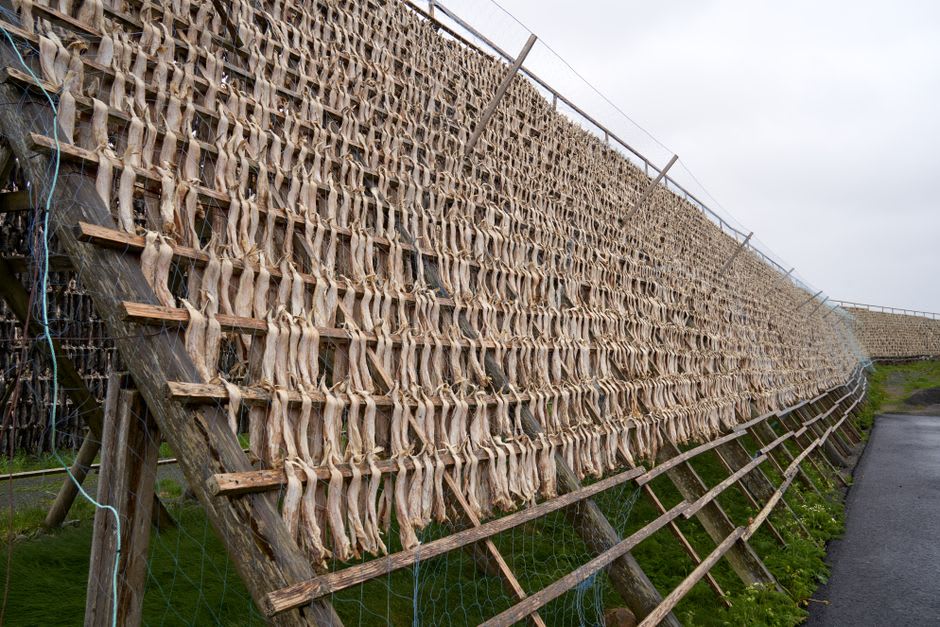
When to go: June through September for the hiking season — the summit trail is typically closed by snow outside these months. July brings the best wildflowers on the lower slopes; late summer is peak kombu-drying season along the coast.
Keep exploring
More from Hokkaido
 hokkaido
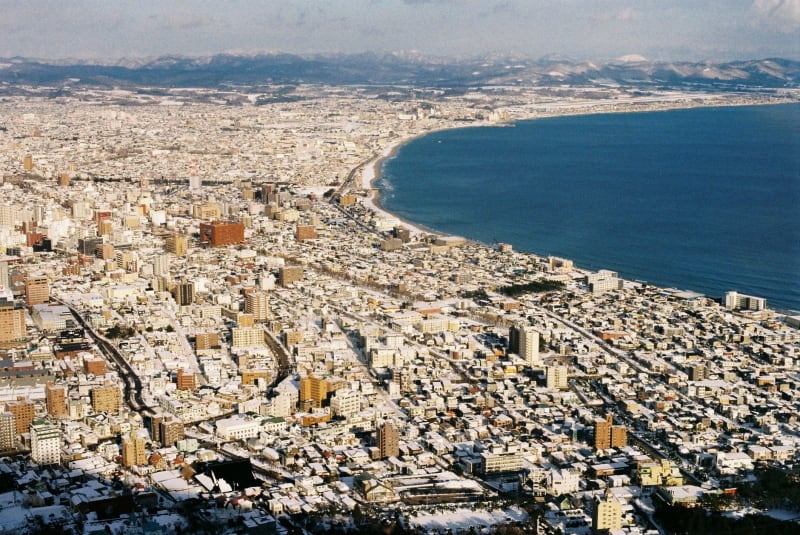
 Sapporo
Hokkaido's capital earns its keep in bowls of miso ramen and walls of carved ice, a city that makes winter feel like a reason to stay.
Explore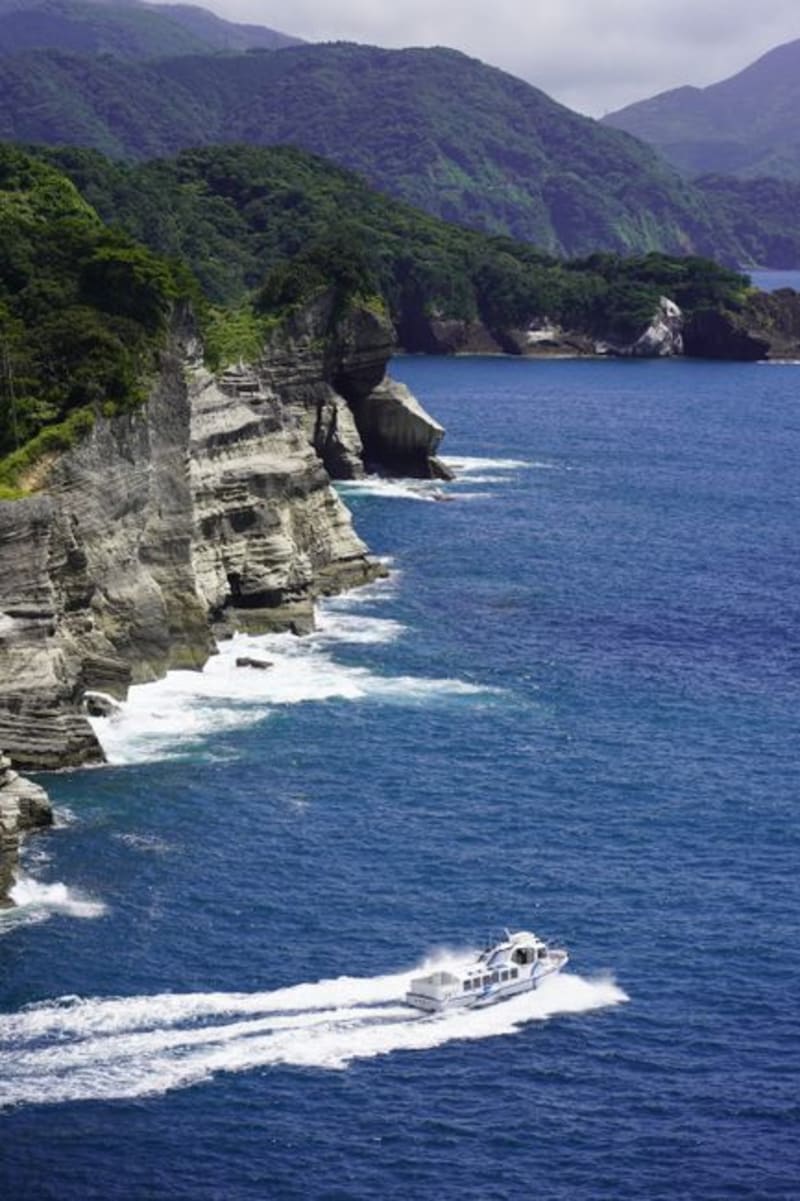 hokkaido
 Shakotan Peninsula
A rugged cape west of Otaru where the sea turns an implausible cobalt blue and every roadside stall sells sea urchin scooped straight from that morning's catch.
Explore hokkaido
 Shiretoko Peninsula
Japan's last true wilderness — a UNESCO coast of waterfalls, brown bears, and drift ice that ends in cliffs dropping straight into the North Pacific.
Explore hokkaido
 Abashiri
A remote Okhotsk coast town famous for a decommissioned prison and, in February, an icebreaker cruise through pack ice that has drifted down from Siberia.
Explore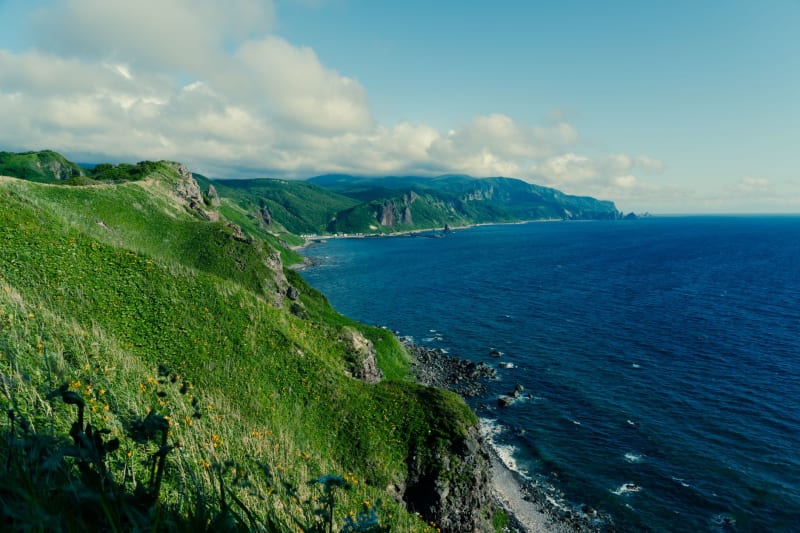 hokkaido
 Akan-Mashu National Park
Two volcanic crater lakes, Ainu sacred ground, and water so impossibly clear it reads purple — this is eastern Hokkaido at its most elemental.
Explore hokkaido
 Asahikawa
Hokkaido's second city, a place of brutal winter cold, an unusually humane zoo, and a bowl of soy-based ramen that locals will defend against Sapporo's with real conviction.
Explore