Obihiro
"A horse race where the horses weigh a ton and the whole point is dragging a sledge through mud — Obihiro does racing like nowhere else on earth."
The capital of the fertile Tokachi plain, a farm-town-turned-city famous for banei horse racing, a sweet reduced-soy sauce on grilled pork, and some of Hokkaido's best hot air ballooning weather.
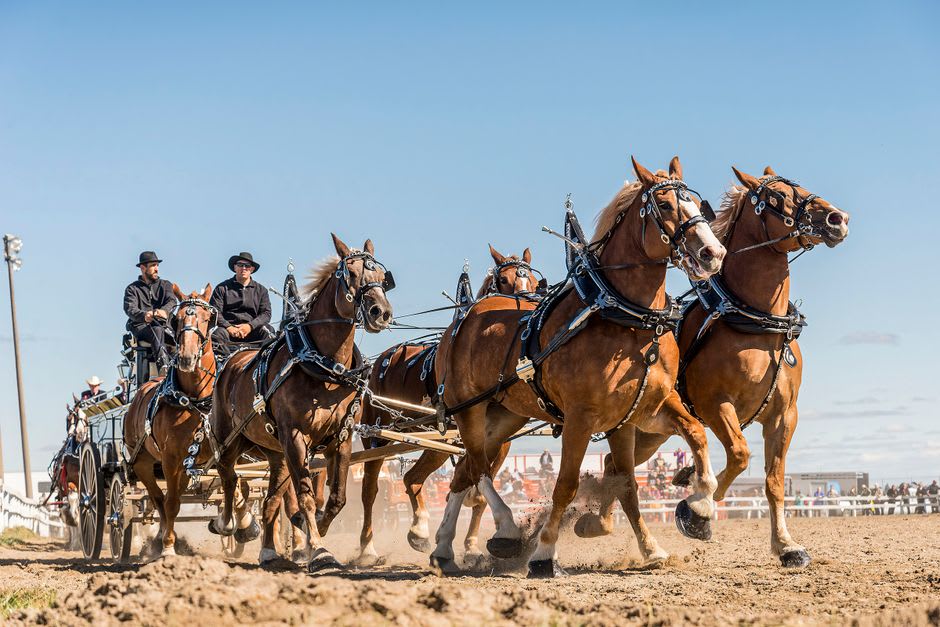
Obihiro sits in the middle of the Tokachi Plain, Hokkaido’s breadbasket, a flat expanse of some of the richest farmland in Japan producing beans, potatoes, sugar beets, and dairy on a scale that felt almost Midwestern to me driving in — long straight roads, huge fields, silos on the horizon. But the reason I’d actually made the detour was banei keiba, a form of horse racing that exists nowhere else in the world: draft horses weighing up to a ton, the kind bred originally for farm labor, pulling heavy iron sledges loaded with weight across a straight dirt track with two small hills built into it, jockeys standing upright on the sledge behind them. It is slow, muddy, and completely absorbing in a way conventional horse racing isn’t — the drama isn’t speed, it’s whether a horse can drag its load over the second hill without stalling, and I found myself genuinely gripped watching enormous animals strain against real physical limits rather than sprinting past each other.
Obihiro is also where Hokkaido’s take on butadon originated — grilled pork belly or loin glazed in a sweet, slightly caramelized soy-based sauce over rice, simple enough that I initially underrated it on the menu and simple enough, once it arrived, that I understood why an entire local identity had formed around it. I ate it at a shop near the station that’s been serving the same recipe for decades, the char on the pork edge doing most of the work, the sauce reduced down to something closer to a glaze than a soup.
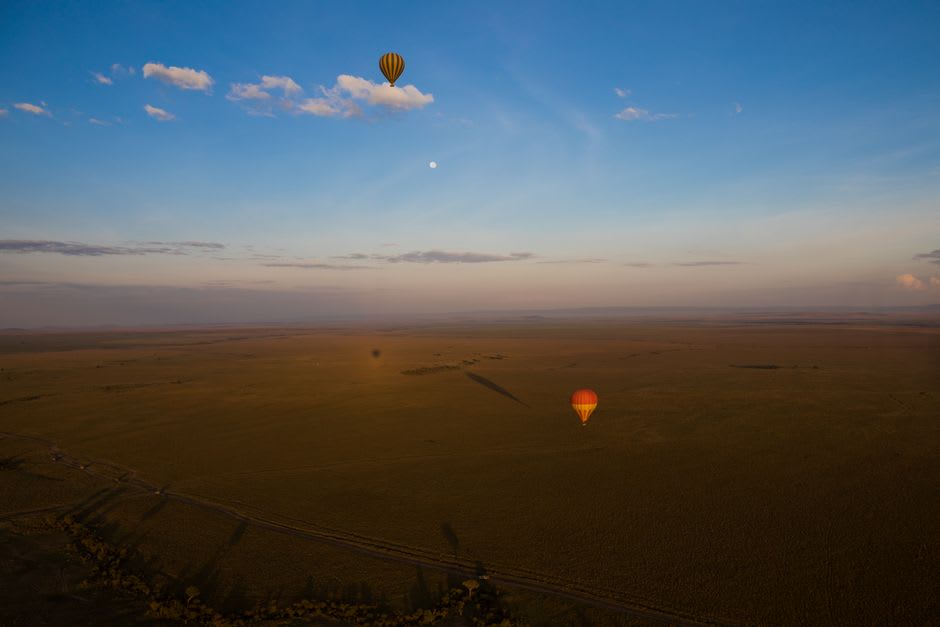
In the early mornings, especially in autumn when the air is cool and still, the flat Tokachi landscape becomes ideal terrain for hot air ballooning, and I watched a cluster of balloons lift off from a field just outside town, drifting slowly over the checkerboard farmland in complete silence except for the occasional roar of a burner. It was one of those mornings that reorganizes your sense of scale — the fields that had felt enormous from the car looked, from a few hundred meters up, like exactly the kind of patchwork you’d expect from a plain built for agriculture rather than scenery.
When to go: Year-round for banei racing, held most weekends at the Obihiro racetrack. Late August through October brings the best hot air balloon conditions and the Tokachi region’s harvest, when the farmland is at its most photogenic.
Keep exploring
More from Hokkaido
 hokkaido
 Otaru
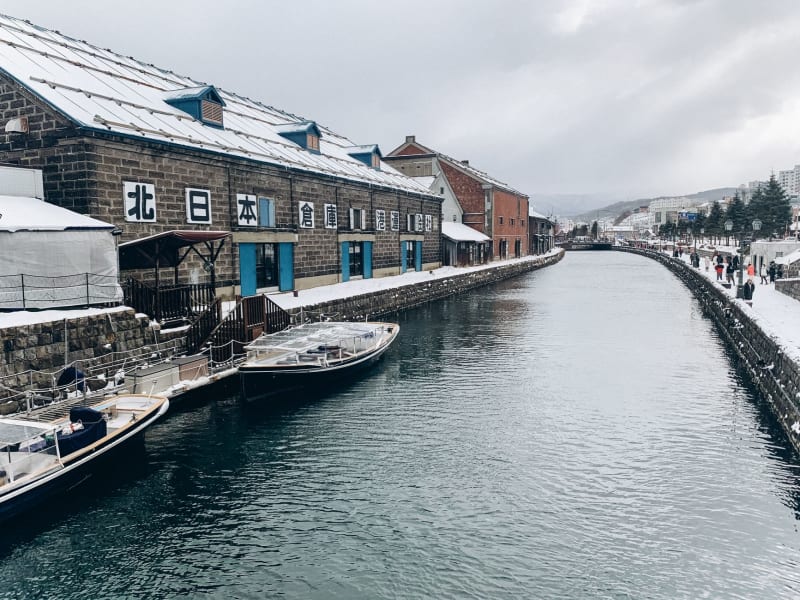
A canal town of Meiji-era brick warehouses, hand-blown glass, and sushi counters where the fish arrived that morning on boats you can still see from the harbor.
Explore hokkaido
 Rishiri Island
A near-perfect volcanic cone rising straight out of the Sea of Japan, ringed by kelp beds and a hiking trail that punishes you fairly for every meter of that famous silhouette.
Explore hokkaido
 Sapporo
Hokkaido's capital earns its keep in bowls of miso ramen and walls of carved ice, a city that makes winter feel like a reason to stay.
Explore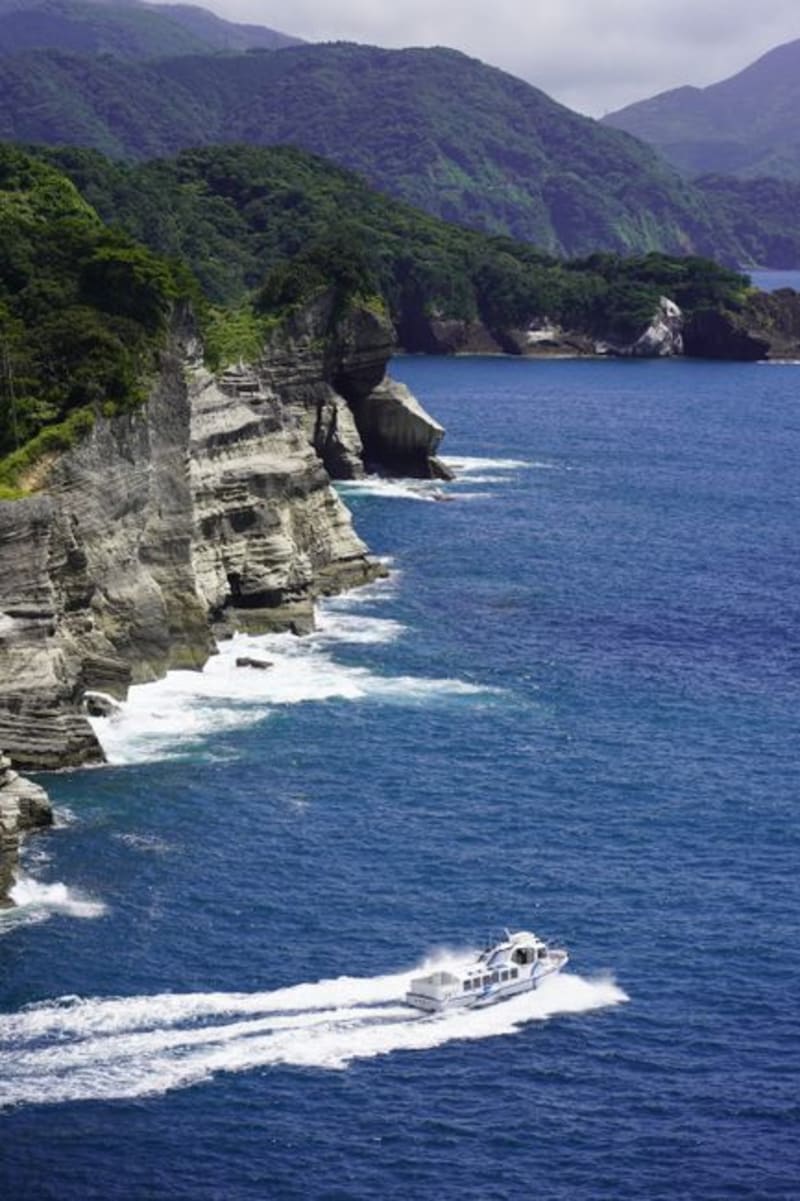 hokkaido
 Shakotan Peninsula
A rugged cape west of Otaru where the sea turns an implausible cobalt blue and every roadside stall sells sea urchin scooped straight from that morning's catch.
Explore hokkaido
 Shiretoko Peninsula
Japan's last true wilderness — a UNESCO coast of waterfalls, brown bears, and drift ice that ends in cliffs dropping straight into the North Pacific.
Explore hokkaido
 Abashiri
A remote Okhotsk coast town famous for a decommissioned prison and, in February, an icebreaker cruise through pack ice that has drifted down from Siberia.
Explore