Cape Erimo
"There's a folk song about how the wind never stops at Erimo, and I spent one afternoon there confirming that it isn't an exaggeration."
A treeless, permanently windblown cape at the southern tip of the Hidaka coast where a colony of harbor seals hauls out on the rocks and the wind never fully stops.
There’s a well-known Japanese folk song, “Erimo Misaki,” with a line about wind that “blows even when there’s nothing,” and I hadn’t taken it especially literally until I stood at the actual cape and had to brace against gusts strong enough to genuinely worry about my footing on the wet rock. Cape Erimo sits at the southern tip of the Hidaka mountain range, where two ocean currents collide and a reef extends more than a kilometer out to sea, and the combination produces wind conditions locals describe, without much exaggeration, as blowing nearly year-round. I’d come from Sapporo through the Hidaka horse country, past paddocks of grazing thoroughbreds, and the landscape had felt gentle and agricultural right up until the road ran out at this bare, treeless point where nothing grows tall enough to survive.
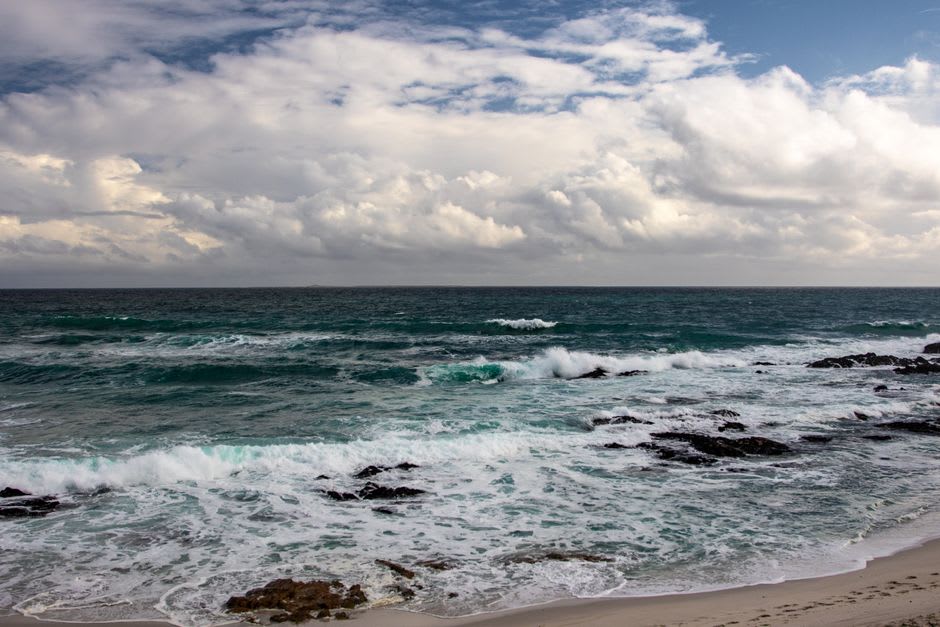
What makes the cape worth the drive, beyond the wind itself, is the seal colony hauled out on the rocks just offshore — several hundred harbor seals at peak times, visible from an observation platform without need for a boat or binoculars stronger than what I had in my bag. I watched them for close to an hour, packed together on wet black rock, occasionally sliding into the water and reappearing somewhere else in the colony, entirely unbothered by the wind that was making it hard for me to hold my camera steady. There’s a small visitor center nearby, Kaze no Yakata — the “House of Wind” — with a wind tunnel exhibit that lets you experience something close to the cape’s average gusts in a controlled setting, which felt almost redundant after standing outside in the real thing.
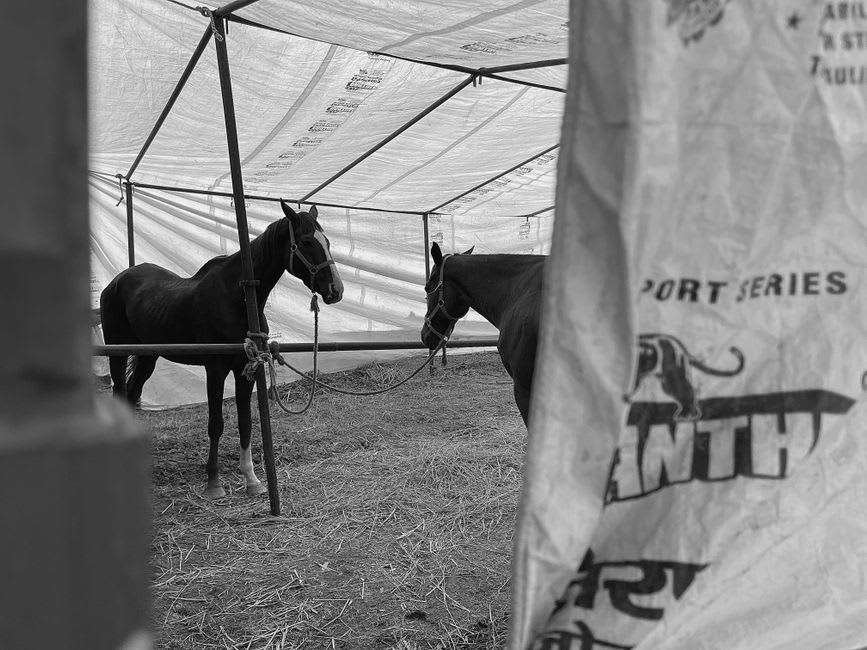
The Hidaka coast leading up to the cape is Japan’s premier thoroughbred breeding region, and driving the coastal road in early morning meant passing dozens of farms with foals still unsteady on their legs standing beside mares in fields that run right up to the shoreline, an unexpectedly gentle image against the rougher drama waiting at the cape itself.
When to go: Any season technically works since the wind is a near-constant, but May through September gives the most comfortable viewing conditions and the best chance of spotting the seal colony active on the rocks. Winter wind here is aggressive enough to make walking the platform genuinely difficult.
Keep exploring
More from Hokkaido
 hokkaido
 Cape Nosappu
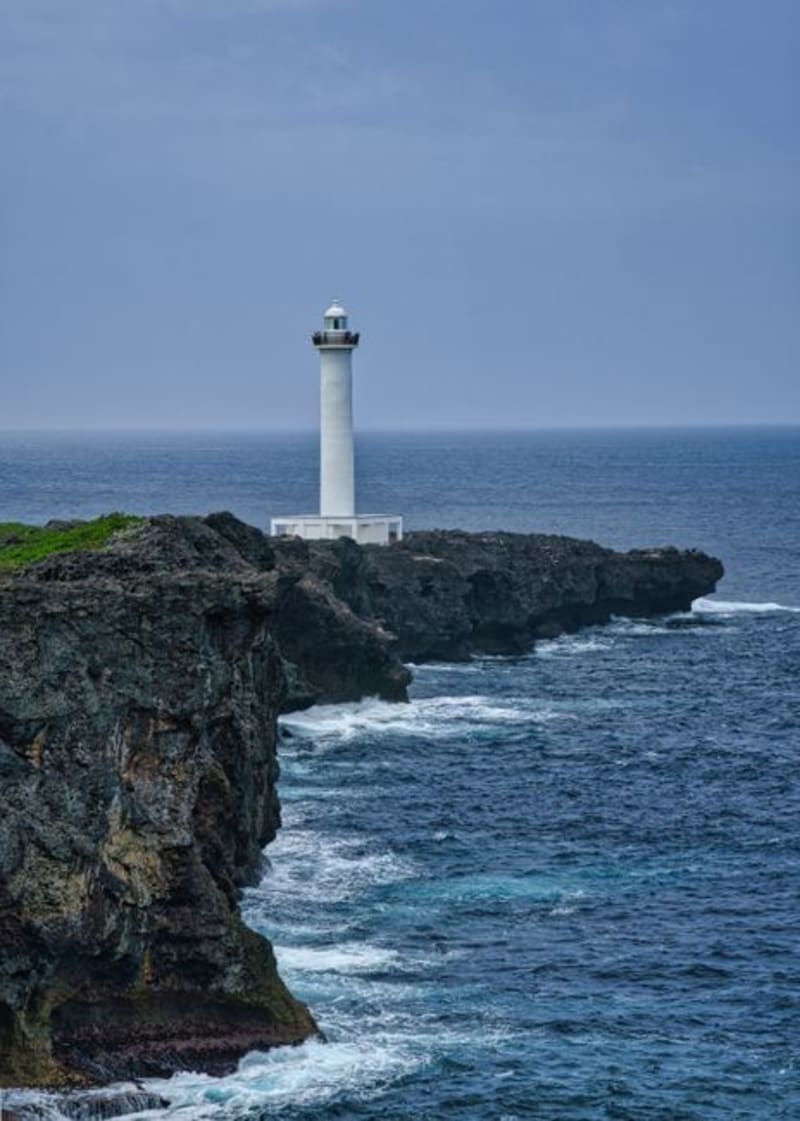
The easternmost point of Japan proper, a low windswept cape near Nemuro where you can see the disputed Kuril Islands across the water and feel the quiet weight of a border still being argued over.
Explore hokkaido
 Cape Soya
The northernmost point of Japan, a windswept monument at the end of a long straight road where you can see Russia on a clear day and feel how far you've actually come.
Explore hokkaido
 Daisetsuzan National Park
Japan's largest national park and the roof of Hokkaido, where autumn arrives first in the whole country and brown bears still outnumber the hikers on some trails.
Explore hokkaido
 Furano
In late June the lavender floods these hillsides with a purple so concentrated it seems wrong until you're standing inside it breathing it in.
Explore hokkaido
 Hakodate
A port city at Hokkaido's southern tip where ikura glistens on morning rice and a colonial skyline climbs the hillside above the fog.
Explore hokkaido
 Kushiro Wetlands
Japan's largest wetland stretches under enormous skies where red-crowned cranes perform their courtship dances in the snow and the silence is the loudest thing.
Explore