Abashiri
"Ice that traveled a thousand kilometers from the Amur River just to jam up the harbor — Abashiri in February feels like the edge of something bigger than Japan."
A remote Okhotsk coast town famous for a decommissioned prison and, in February, an icebreaker cruise through pack ice that has drifted down from Siberia.
I came to Abashiri specifically for the drift ice, ryuhyo, which forms in the Sea of Okhotsk off the coast of Siberia and, carried by currents and wind, drifts south until it packs against Hokkaido’s northeastern coastline sometime between late January and March. I’d read the numbers beforehand and they still didn’t prepare me: this ice travels roughly a thousand kilometers to get here, and it’s one of the southernmost points on Earth where drift ice regularly appears. I boarded the Aurora, one of the icebreaker sightseeing boats, on a gray, bitterly cold morning, and within twenty minutes the open water had given way entirely to a white field extending to the horizon, the ship shuddering and grinding as it pushed through, occasionally riding up onto a floe before its weight cracked through.
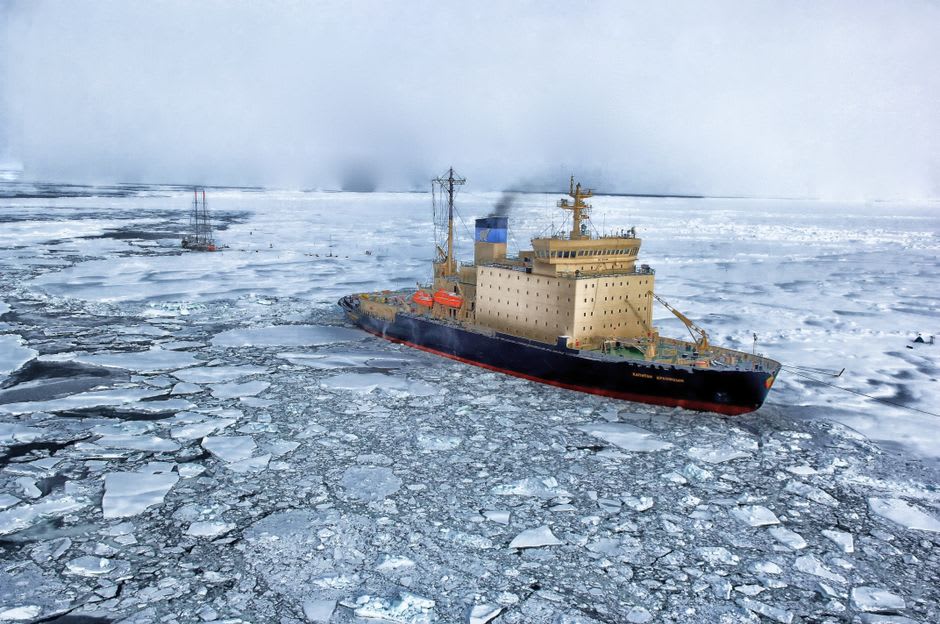
Steller’s sea eagles and white-tailed eagles perch directly on the ice in numbers, waiting for fish pushed near the surface, and I spent most of the cruise on the open deck with my hands going numb, camera up, watching these enormous birds sit almost motionless on floes drifting past the hull. Back on land, the Okhotsk Ryuhyo Museum does a decent job explaining the whole system — the currents, the Amur River’s fresh water mixing with the sea to make the ice form in the first place — but nothing in a museum display replicates the specific sound of a ship breaking pack ice, a groan and crack that I felt through the floor as much as heard.
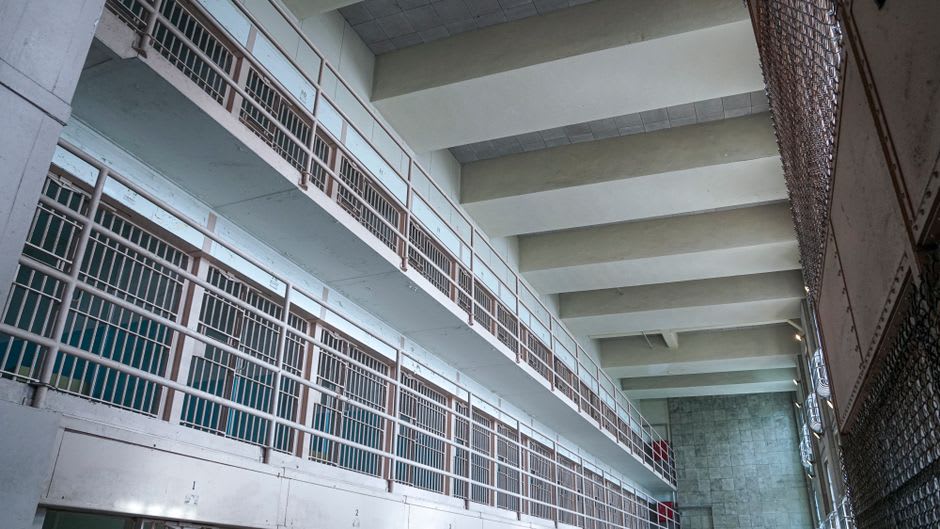
Abashiri’s other major site is the old Abashiri Prison, in use from 1890 until 1984 as one of Japan’s most remote and feared penal institutions, now preserved as an open-air museum with original wooden cell blocks arranged in a radial pattern so a handful of guards could watch every corridor at once. Walking through the actual cells, unheated, facing north toward the same freezing water I’d just been sailing on, gave me a much clearer sense of what “remote” meant to prisoners sent here in the nineteenth century than any placard could have.
When to go: Late January through March for the drift ice cruises — early February is typically peak season for ice coverage. Summer offers a quieter, greener version of the same coastline and access to Lake Abashiri and the surrounding wetlands.
Keep exploring
More from Hokkaido
 hokkaido
 Akan-Mashu National Park
Two volcanic crater lakes, Ainu sacred ground, and water so impossibly clear it reads purple — this is eastern Hokkaido at its most elemental.
Explore hokkaido
 Asahikawa
Hokkaido's second city, a place of brutal winter cold, an unusually humane zoo, and a bowl of soy-based ramen that locals will defend against Sapporo's with real conviction.
Explore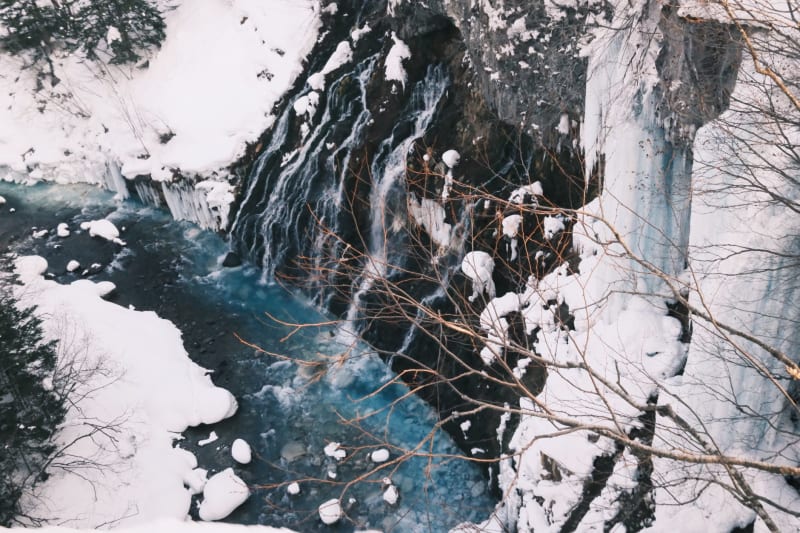 hokkaido
 Biei
A small farming town whose rolling patchwork hills and impossible blue pond make every curve of the road feel like an argument for slowing down.
Explore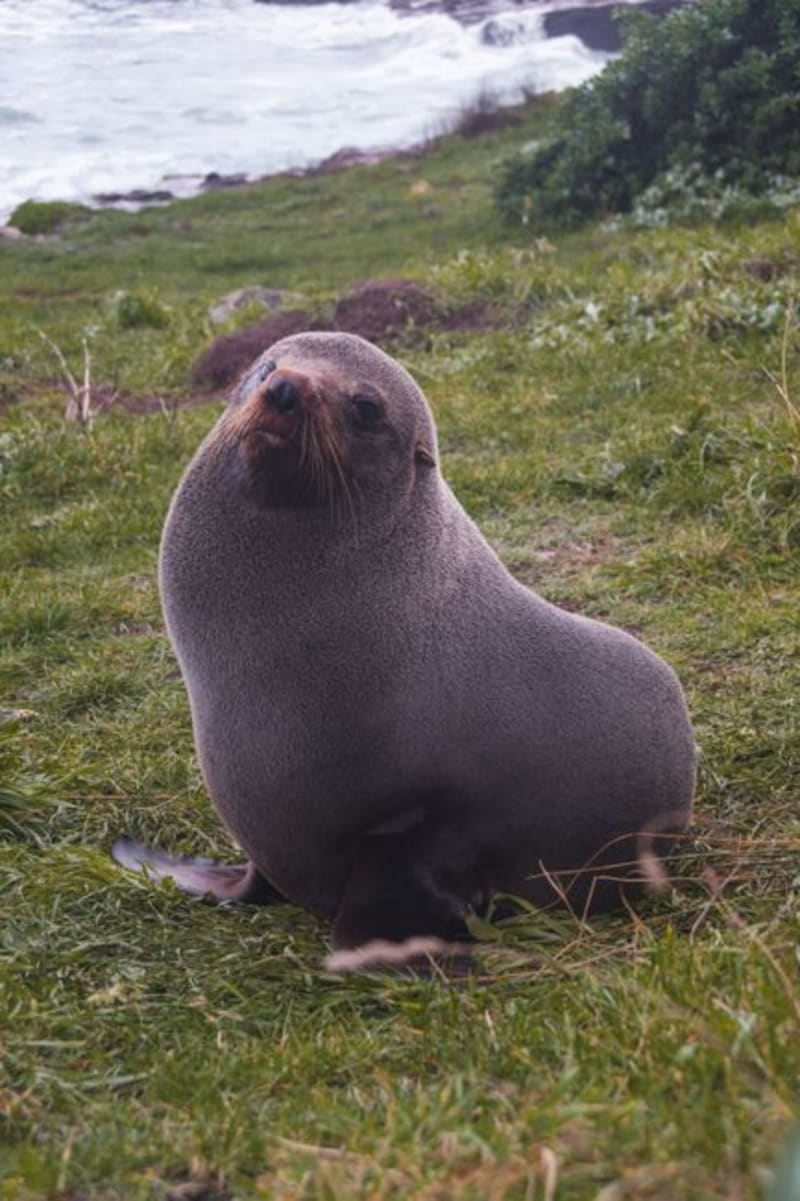 hokkaido
 Cape Erimo
A treeless, permanently windblown cape at the southern tip of the Hidaka coast where a colony of harbor seals hauls out on the rocks and the wind never fully stops.
Explore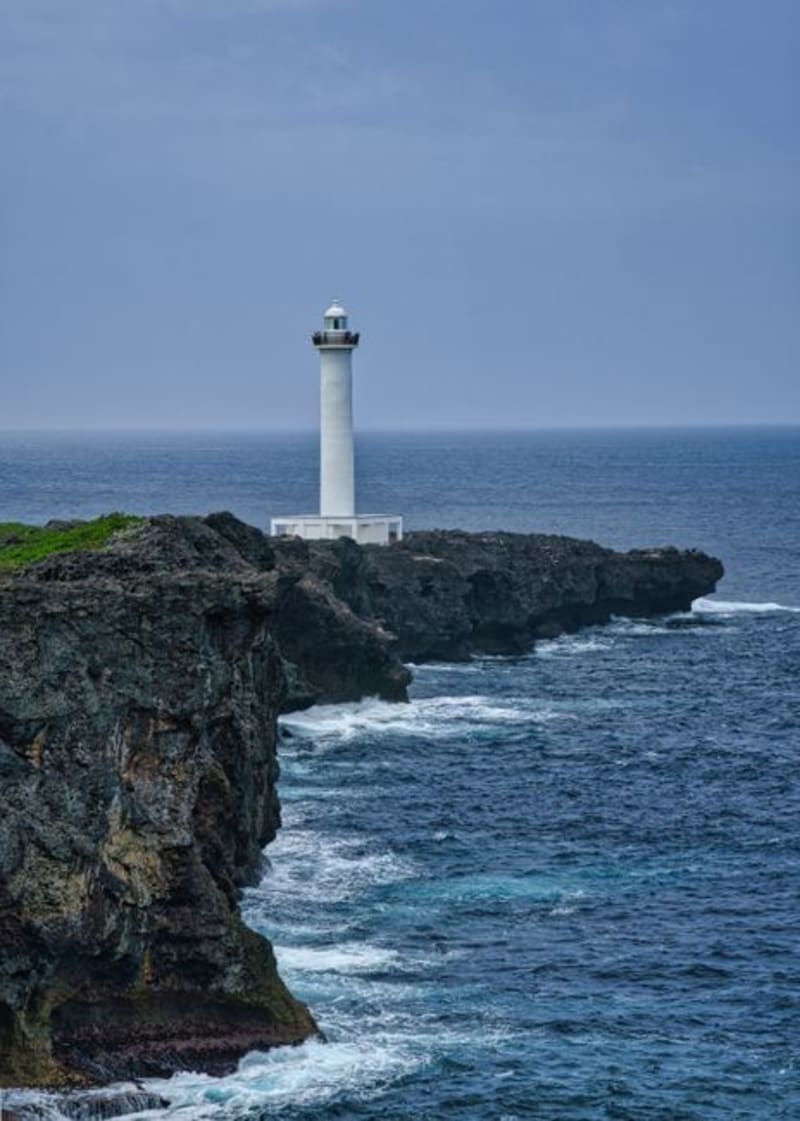 hokkaido
 Cape Nosappu
The easternmost point of Japan proper, a low windswept cape near Nemuro where you can see the disputed Kuril Islands across the water and feel the quiet weight of a border still being argued over.
Explore hokkaido
 Cape Soya
The northernmost point of Japan, a windswept monument at the end of a long straight road where you can see Russia on a clear day and feel how far you've actually come.
Explore