Chitkul
"We stood where the road simply stops, and I have never felt so small in front of a mountain."
The last village before the Tibetan border, where wooden houses and prayer flags mark the end of the road along the Baspa River.
There’s a particular feeling that comes from driving to the end of a road that used to lead somewhere and now just ends. That’s Chitkul. Lia and I had been climbing up the Baspa valley from Sangla for what felt like forever, the switchbacks getting tighter, the air getting thinner, and then the valley opened up and there it was: a scatter of wooden houses at 3,450 meters, the last inhabited village before the Indo-Tibetan border road closes to anyone without a permit. I remember cutting the engine and just sitting there for a minute, letting the silence do its thing. No traffic noise, because there’s nowhere left for the traffic to go.
We walked into the village past houses with carved wooden facades, the kind of detail you only notice once you slow down enough to look up. An old man was stacking firewood against one of them, and he nodded at us like we were the fortieth tourists he’d seen that hour, which we probably were. Chitkul is Kinnauri country, and you feel that identity in the architecture, in the temple dedicated to the local deity Mathi that sits near the center of the village looking both ancient and completely alive, prayer flags strung from its roof snapping in the wind.
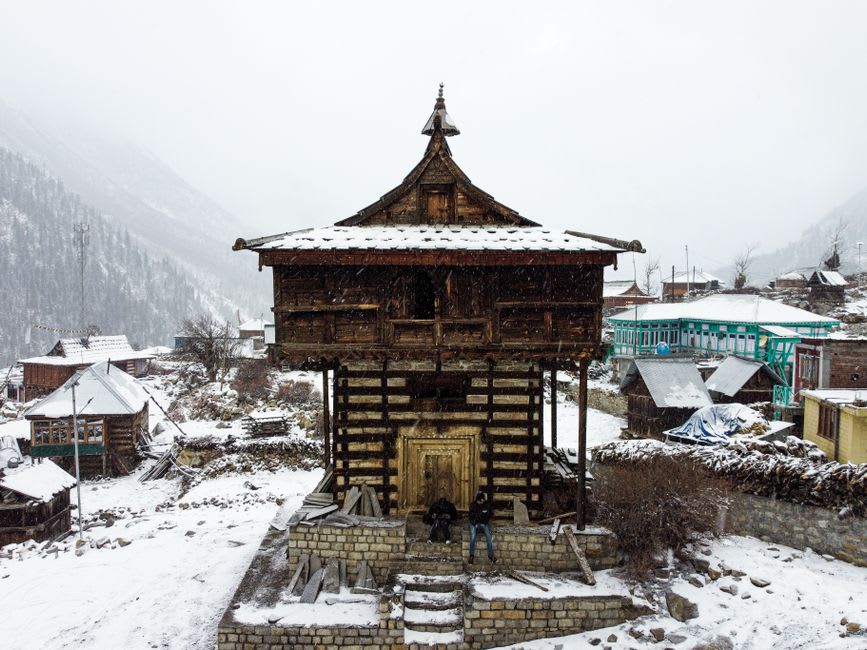
What got me thinking, walking along the Baspa, was that this stretch of road used to lead to Tibet. Traders once moved through here before the 1962 war shut the border for good, and now it just dead-ends into a checkpoint a few kilometers on, guarded, quiet, final. Lia pointed out that we hadn’t seen an ATM or a fuel station since Sangla, 24 kilometers back down the valley, and it hit me how deliberately remote this place still is. We ate lunch at a small guesthouse kitchen, rajma and rice, the woman who cooked it barely looking up from her stove, and it was one of the best meals of the whole Himachal trip precisely because nothing about it was staged for us.
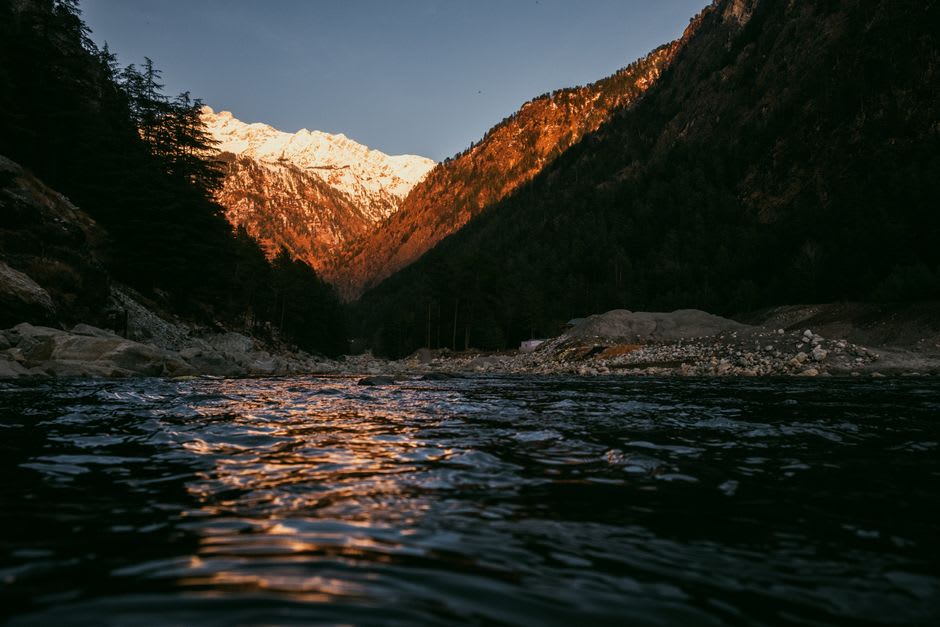
We spent the evening just walking the riverbank, watching the light go gold and then grey on the peaks around us, and I kept thinking about how few places left in the world genuinely feel like an edge. Chitkul does. Not dramatic, not staged, just quietly, geographically final.
When to go: Aim for May to June or September to October — Chitkul spends much of the winter buried in snow and cut off from the valley below, so those shoulder-season windows are really your only shot at reaching it.
Keep exploring
More from Himachal Pradesh
 himachal-pradesh
 Dhankar
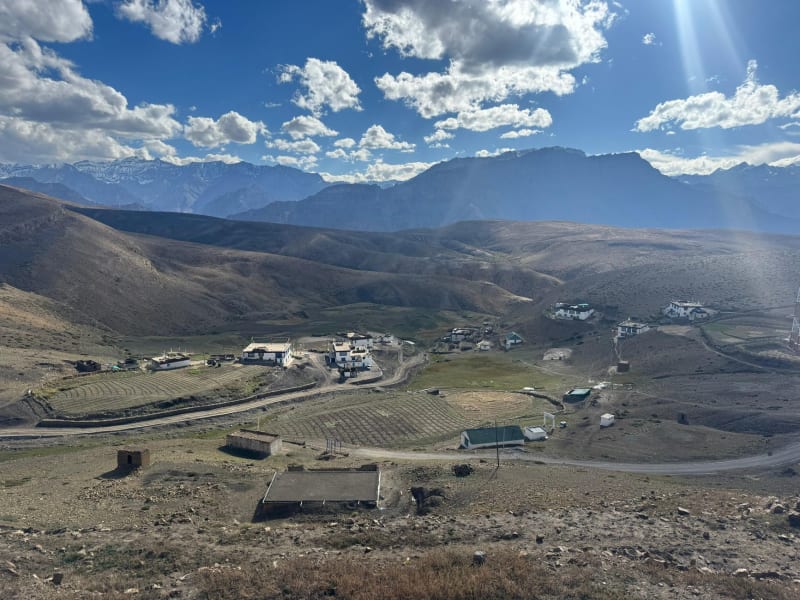
A crumbling monastery and ancient village balanced on a needle of rock above the Pin-Spiti confluence — the most vertiginous inhabited place I have been.
Explore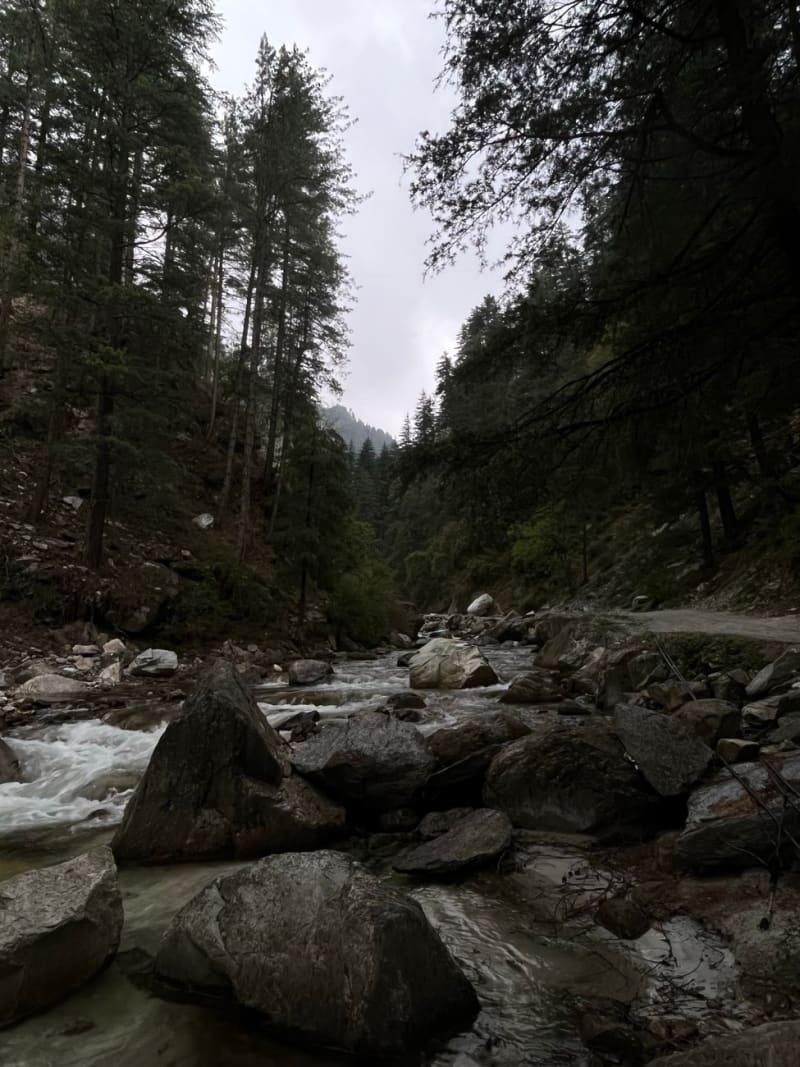 himachal-pradesh
 Kasol
A riverside village in the Parvati Valley caught between Israeli cafés, Himalayan pine forest and the trekking trail to Kheerganga's hot springs.
Explore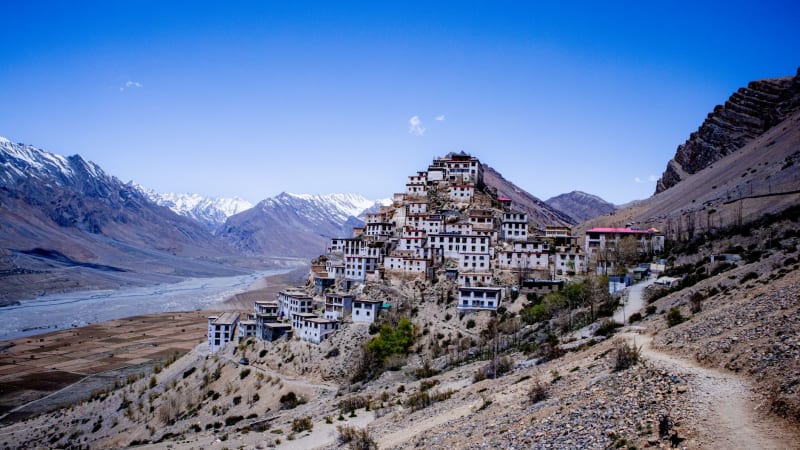 himachal-pradesh
 Key Monastery
An 11th-century clifftop monastery above Spiti's bare valley floor that looks exactly as improbable in person as it does in every photograph.
Explore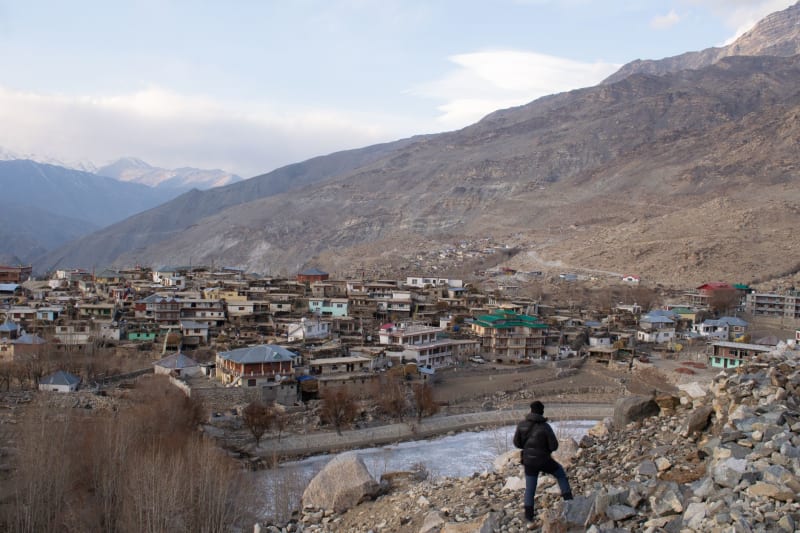 himachal-pradesh
 Kinnaur Valley
A dramatic river corridor where Hindu temples and Buddhist monasteries coexist on the same hillside above the best apples in India.
Explore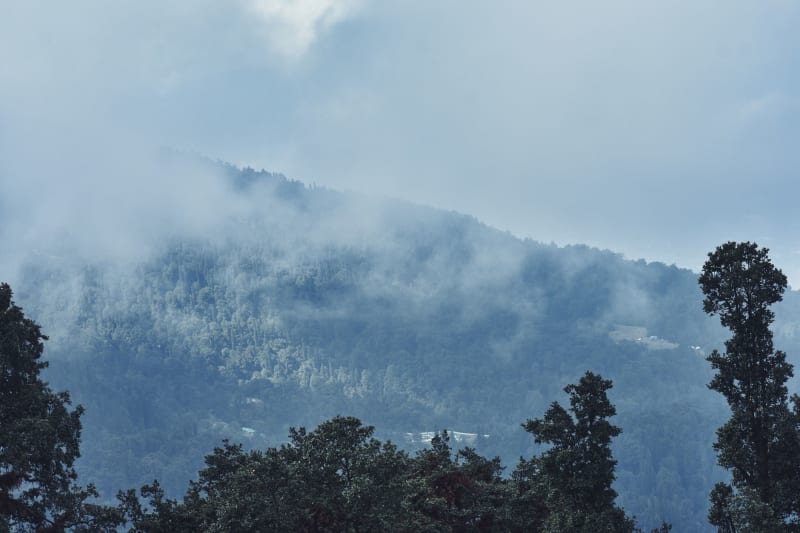 himachal-pradesh
 Manali
A mountain town split between honeymooners and altitude-hungry travelers, redeemed entirely by the old village and what lies north of it.
Explore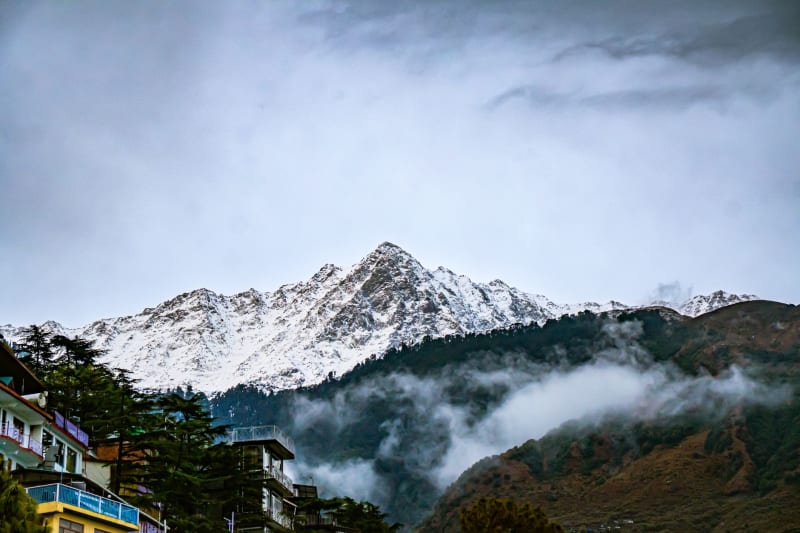 himachal-pradesh
 McLeod Ganj
A Tibetan city-in-exile tucked into the Dhauladhar foothills where monks debate philosophy and the mountains always feel too close.
Explore