A mile-wide amphitheater of taro fields and wild horses at the bottom of the steepest road in Hawai'i, guarded by cliffs a thousand feet high.
The lookout point alone would have been worth the drive. But the road down — a 25% grade, one lane, official warnings to leave it to 4WD vehicles or your own two feet — is what actually decides whether you see Waipi’o as a view or a place. We left the rental car at the top and walked down, which took about forty minutes and left my calves complaining for two days afterward.
What the Valley Holds
Waipi’o was once the political and religious center of the Big Island, home to Hawaiian royalty long before Kona or Hilo mattered, and the valley floor still carries that weight of history even though most of the taro terraces have gone wild. We picked our way along a track past lo’i patches still worked by a handful of local families, water diverted through stone channels centuries old, and passed a pair of horses that had clearly never known a fence in their lives, grazing loose at the valley’s edge as if they owned the place. In a sense they do.
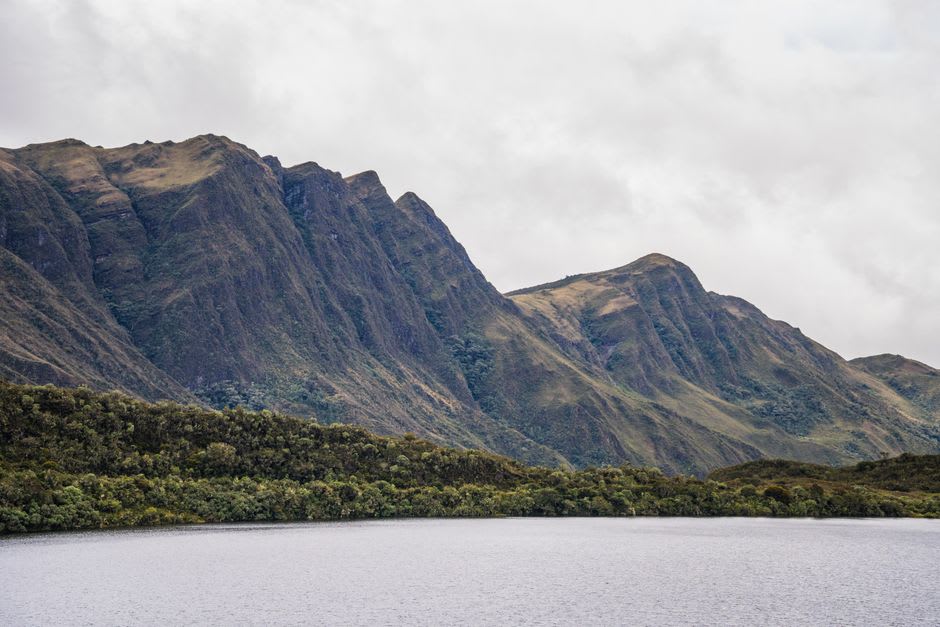
The Black Sand at the Bottom
At the valley mouth the stream widens into a black sand beach, backed by ironwood trees and framed by cliffs on both sides that drop straight into the Pacific — no gentle slope, just a thousand feet of green rock going vertical. The current here is dangerous for swimming, locals were clear about that, but as a place to sit and eat the mango we’d bought at a roadside stand that morning, it had no equal on the island. Lia waded in only to her knees and came back saying the water felt colder than anywhere else we’d swum in Hawai’i.
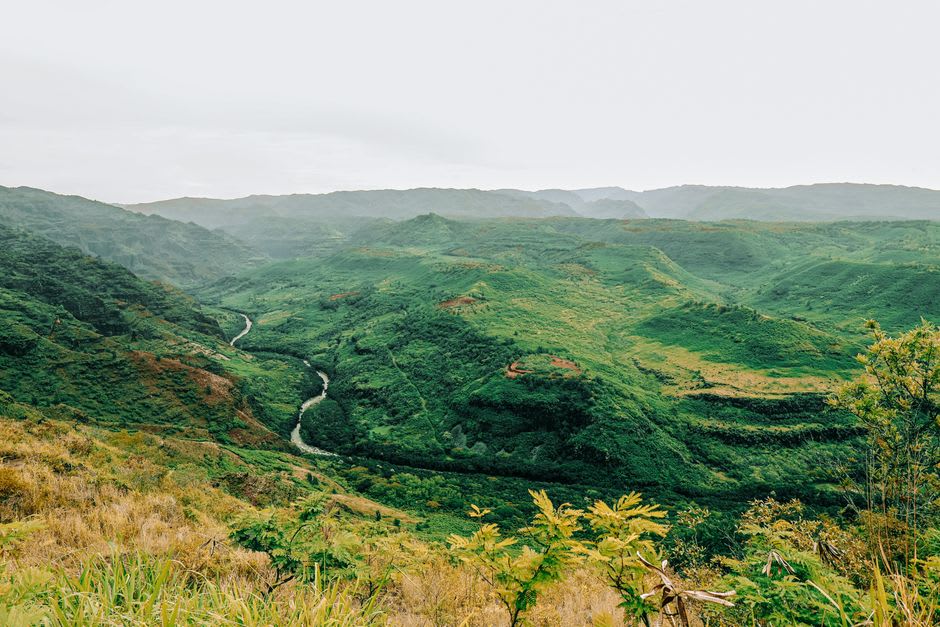
The Climb Back Out
Walking back up the road in the mid-afternoon heat, past 4WD vans full of tourists who’d paid for the shuttle option, I understood the appeal of just paying for the ride. But there’s something about arriving at the overlook sweating and slightly wrecked that made the whole valley feel earned rather than photographed. Waimanu Valley lies beyond, reachable only by a grueling multi-day trail along the coast, and standing at the top looking toward it, I filed that away for a trip I haven’t taken yet.
When to go: Morning, before the heat sets in and before the tour vans crowd the narrow road. The valley floor can flood after heavy rain, closing the stream crossings — check conditions locally before committing to the walk down.
Keep exploring
More from Hawai'i
 hawaii
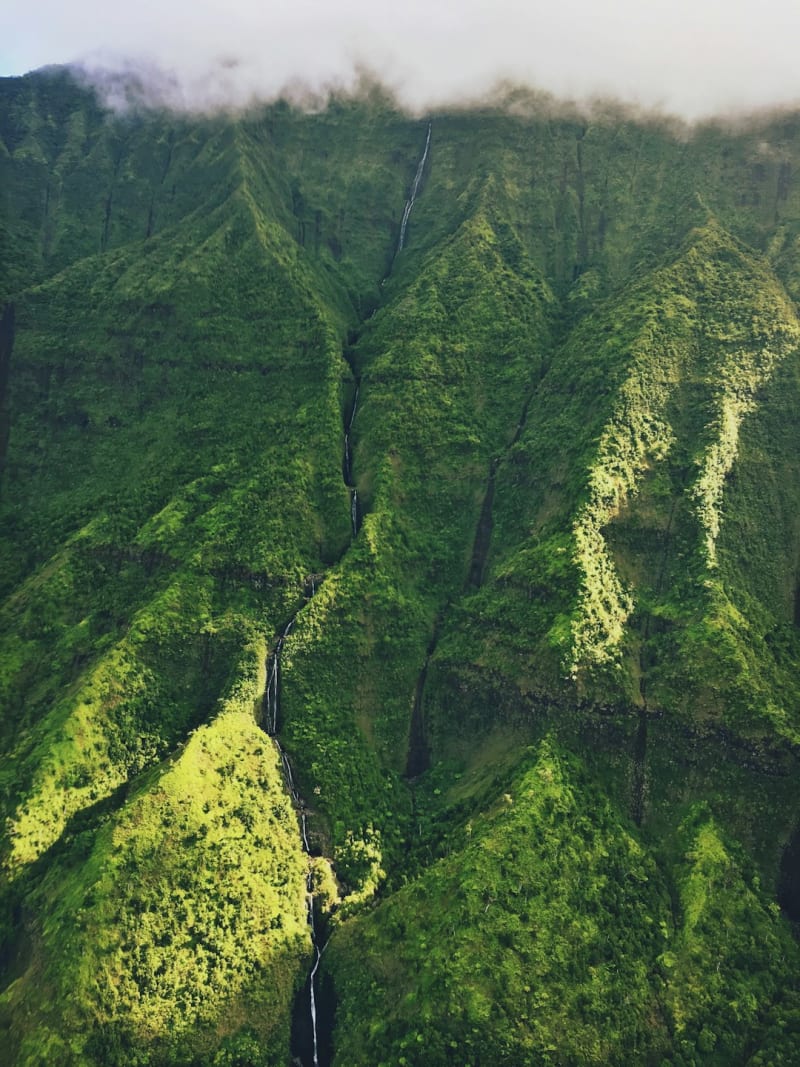
 Akaka Falls
A 135-meter waterfall reached by an easy loop trail through bamboo and wild orchids on the Big Island's lush Hamakua Coast.
Explore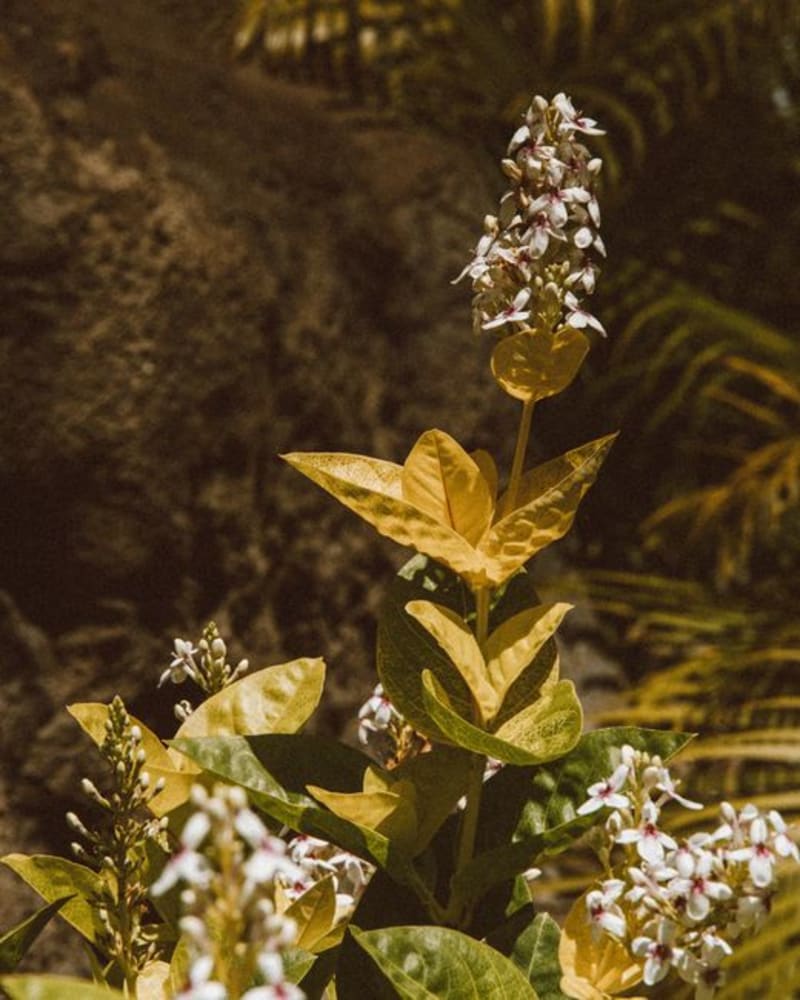 hawaii
 Allerton Garden
A hidden botanical garden in a South Shore valley, built by an eccentric heir and later a Jurassic Park filming location, reachable only by guided tour.
Explore hawaii
 Anahola
A rural Hawaiian homestead community on Kaua'i's east side, with a broad bay beach and a bakery worth planning a stop around.
Explore hawaii
 Anini Beach
A north shore lagoon so calm the guidebooks call it the safest swimming beach on Kaua'i, guarded by the island's longest fringing reef.
Explore hawaii
 Big Island
Active lava, snow-capped summits, black sand beaches, and eleven climate zones on a single island.
Explore hawaii
 Bishop Museum
The archive of an entire vanished kingdom, built by a widower for his wife's memory and now the deepest collection of Hawaiian and Pacific culture on earth.
Explore