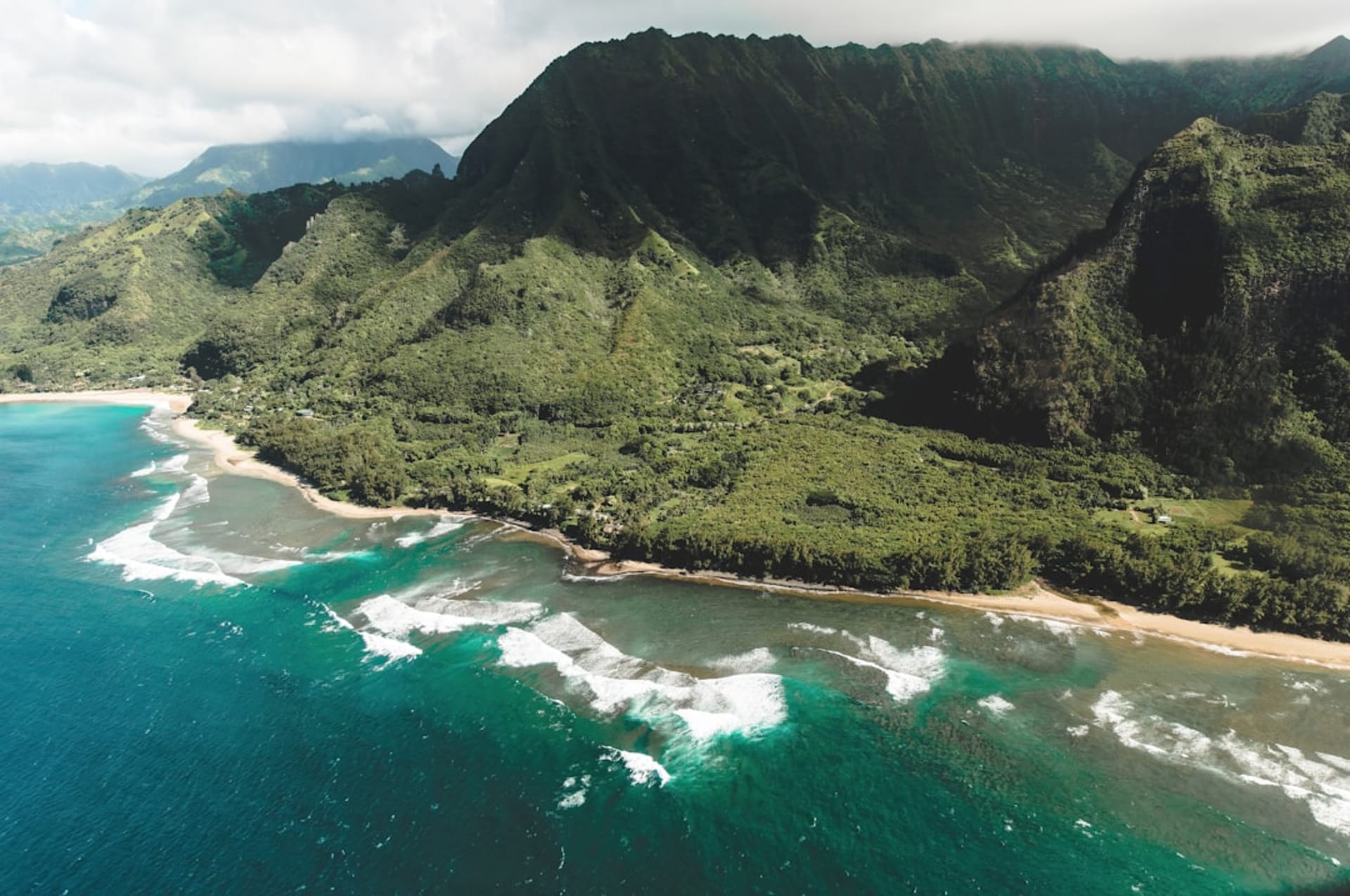
Pu'uhonua o Honaunau
"A place built on the idea that everyone deserves a second chance — literally, by ancient law."
A sacred place of refuge on the Kona Coast where ancient law once meant the difference between execution and forgiveness.
We came for the snorkeling at the adjacent Two Step entry point and stayed for something I hadn’t expected to find moving: a national historical park built around the concept of forgiveness. Pu’uhonua o Honaunau, on the Kona Coast south of Kealakekua Bay, was a pu’uhonua — a place of refuge — under the ancient Hawaiian legal system known as kapu, where breaking a sacred law could mean death, but reaching this specific ground before capture meant absolution.
Sanctuary Written Into the Land
Under the kapu system, offenses that seem almost arbitrary today — a commoner’s shadow falling on a chief, walking on forbidden ground during a sacred period — carried a death sentence. But if you could reach a pu’uhonua before being caught, a priest would perform a purification ceremony and you walked free, debt cleared, no further punishment allowed. Defeated warriors and civilians during wartime could also find safety here. Standing at the Great Wall — a massive dry-stacked lava rock barrier, over 300 meters long and up to five meters thick, built without mortar sometime in the 1500s and still standing — it struck me how deliberately this society had engineered mercy into its legal structure.
Ki’i, Temples, and Royal Grounds
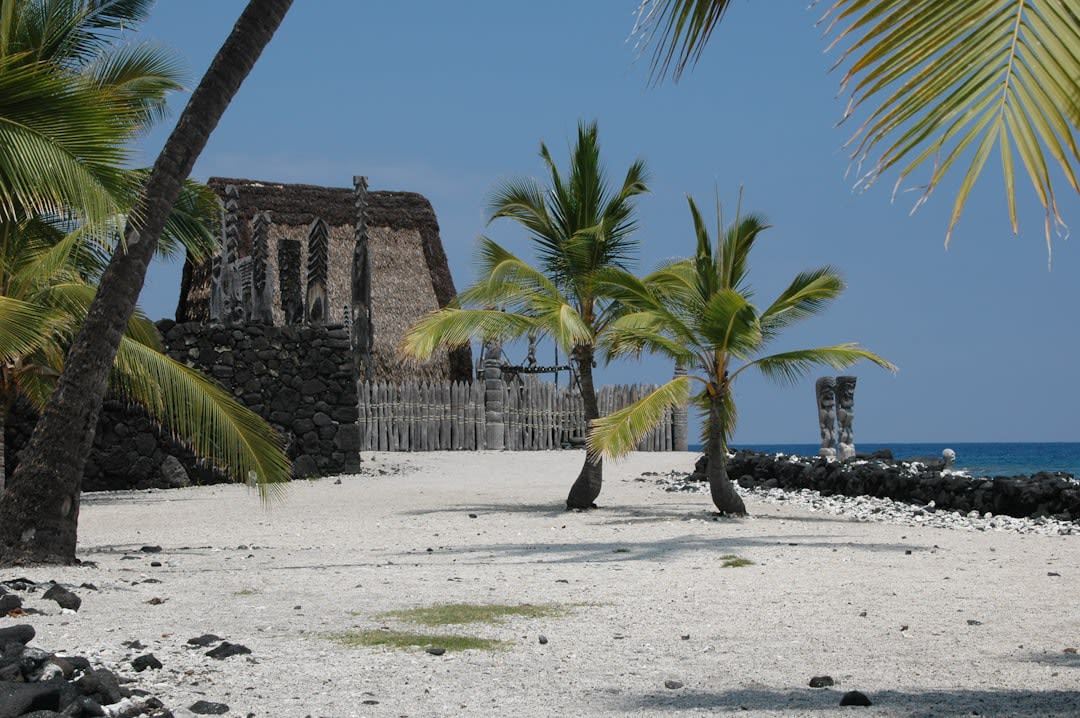
Inside the wall stands Hale o Keawe, a reconstructed temple whose ki’i — carved wooden guardian figures, stern-faced and imposing — once protected the bones of twenty-three Hawaiian chiefs believed to hold their mana even after death. The royal grounds on the north side of the cove were once a residence for ali’i (chiefs), including reconstructed canoe sheds and a royal fishpond that still holds water. A ranger walking the grounds explained that the entire complex only worked because ordinary Hawaiians respected the sanctuary absolutely — pursuit stopped dead at the wall, no exceptions, by ironclad social consensus rather than force.

The Cove Itself
The cove beside the park has calm, protected water and a healthy reef, making it one of the better easy-access snorkel spots on this coast, though the famous Two Step entry just outside the park boundary gets crowded by mid-morning. We floated above parrotfish and a resting green turtle for the better part of an hour, then walked back through the historical grounds at low tide with the light going soft, and it was hard to separate the two halves of the visit — the reef and the history felt like one continuous place.
When to go: Morning for both calmer snorkeling conditions at Two Step and thinner crowds inside the park. Free ranger talks run periodically through the day and are worth timing your visit around if you want the fuller cultural context.