
Purdy's Macadamia Nut Farm
"No pesticides, no fertilizer, no irrigation since the 1980s. Just trees left alone to do what trees do."
A family-run grove on Molokai's upcountry where a hundred-year-old tree still produces, and the tour is really just a guy cracking nuts and telling stories.
I went to Purdy’s expecting a quick nut-tasting stop between Kaunakakai and the upcountry lookouts, the kind of thing you check off a list. I stayed for an hour and a half because the man running it — a descendant of the original Purdy family — talks about macadamia trees the way some people talk about their kids.
A Farm That Stopped Trying to Improve Nature
The grove sits in Ho’olehua, a five-acre plot with roughly fifty trees, some planted back in 1918. Nothing here has been sprayed, fertilized, or watered by irrigation for decades. The trees just do their thing on rainfall and whatever nutrients the volcanic soil still holds, which turns out to be enough. Our guide cracked a raw nut between two rocks — the traditional method, no machine — and handed it to me still warm from the shell.

The taste was different from anything I’d had bagged at an airport gift shop — less oily, more like a fresh almond with a coconut undertone. He explained the ratio: it takes something like three hundred pounds of nuts in shell to produce sixty pounds you can actually eat, which recalibrated my sense of why a jar of macadamias costs what it costs.
The Slow Tour of a Small Place
There’s no gift shop energy here, no upsell. It’s a walk through the grove, a demonstration of husking and cracking, and a chance to buy nuts directly from the family that grew them, at prices that make the Costco version look like a scam. Lia asked more questions than I did, mostly about how the trees survive hurricanes, and got a fifteen-minute answer involving windbreaks and just plain luck.
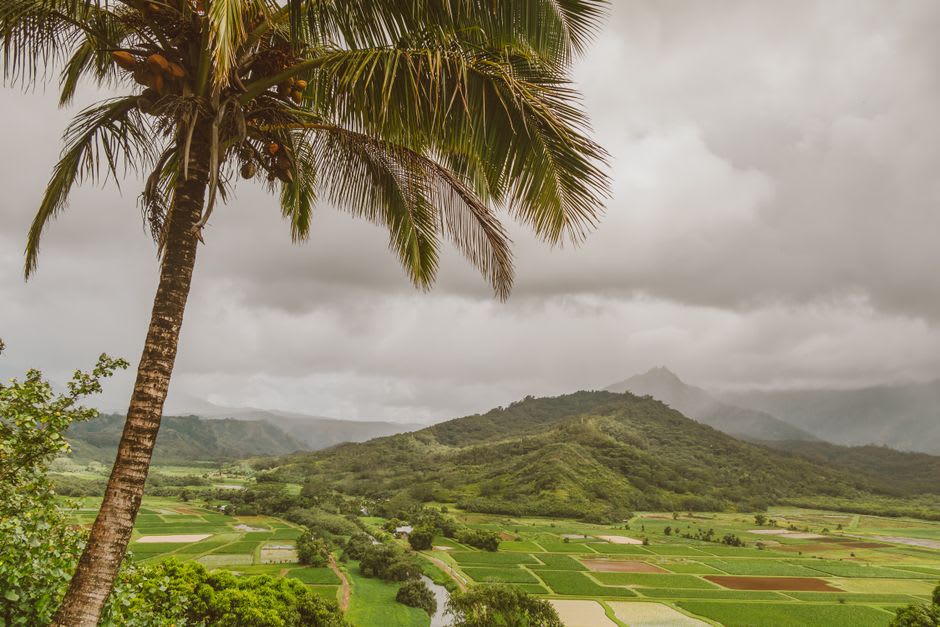
It’s a small stop, maybe an hour if you don’t linger, but it’s the kind of small stop that tells you more about Molokai’s character than most of the bigger sights — an island content to do one thing slowly and well rather than scale it into something else.
When to go: Open most weekdays year-round; check current hours before driving out since it’s a small family operation and can close without much notice. Combine it with a morning drive through the upcountry lookouts before the afternoon clouds roll in.