Papohaku Beach
"One of the biggest beaches in Hawaii, and I had it to myself for two hours."
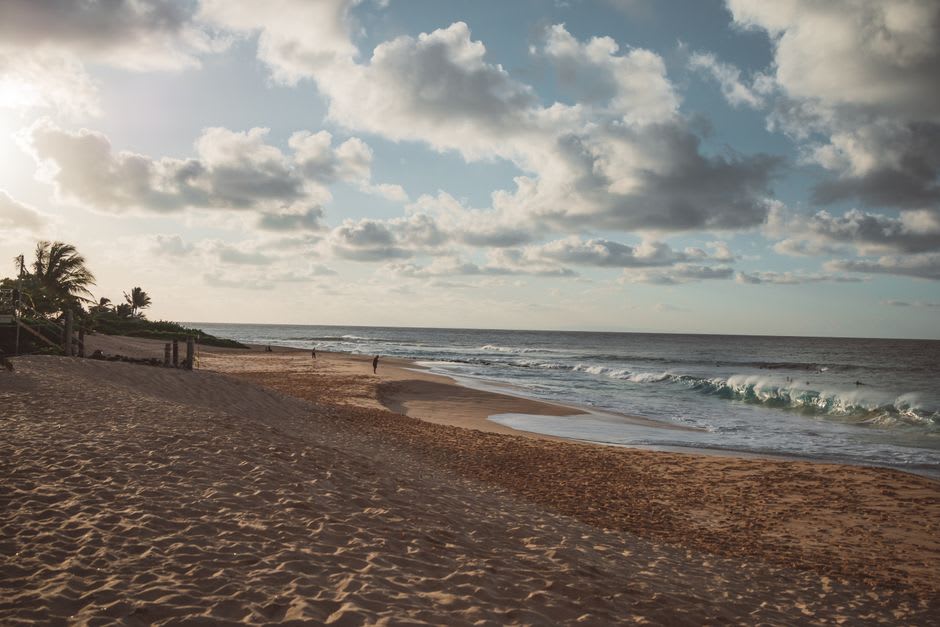
Nearly three miles of gold sand on Molokai's west end, wide enough to lose a person in, and almost never occupied by more than a handful of people.
I drove to Papohaku expecting a beach. What I found was closer to a desert made of sand, one that happened to end in the Pacific. The stretch runs nearly three miles along Molokai’s dry west end, and the width of it is disorienting — you can walk twenty minutes from the tree line to the waterline and still not feel like you’ve arrived. On O’ahu this much sand would have a name brand attached and a line for parking. Here there was a dirt lot with two other cars in it.
The Scale Problem
I’ve been to a lot of beaches. Papohaku still made me recalibrate what “big” means. The dunes behind the beach are held together by naupaka shrubs and the occasional ironwood tree, and beyond them there’s nothing — no hotel, no boardwalk, no beach bar. Just red dirt roads leading back toward Maunaloa town. Lia walked one direction along the shore while I walked the other, and by the time we met back in the middle neither of us had seen another person.
Why the Water Asks for Caution
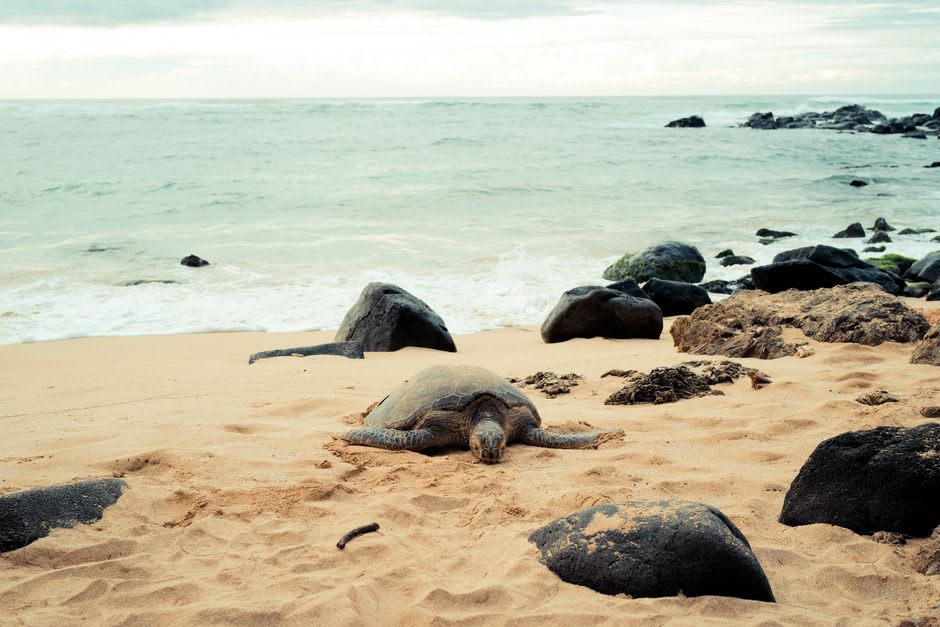
The ocean here is not the swimming pool you get at Hulopoe on Lanai or the calm bays of Maui’s south shore. Papohaku faces open ocean with no reef to break the swell, and the shore break can be strong even on a calm-looking day. Locals swim here, but they know the currents. I waded in, let a wave hit my knees, and decided that photographing the place was a better use of my afternoon than testing my luck against the Pacific.
At sunset the whole three miles goes the color of the sand itself — a deep amber that makes the ironwoods along the dune line look like cutouts. This is also, by an old but persistent local account, one of the birthplaces of hula, a fact that gave the emptiness a different weight once I knew it. Not an abandoned beach. A sacred one that never got developed.
There used to be a resort planned for this stretch, decades ago, with roads and lots already graded into the scrubland behind the dunes. It never got built. Molokai’s economy suffered for that decision in some tellings and was protected by it in others. Standing on three empty miles of sand, I know which side I land on.
When to go: Year-round for the walk and the sunset, but stick to dry season (April through October) if you want calm-ish water for wading — winter swell can make the shore break genuinely dangerous. Go late afternoon; the low sun across that much sand is the whole point.
Keep exploring
More from Hawai'i
 hawaii
 Pearl Harbor
A working naval base and a sunken battleship that still leaks oil, sixty years after the morning that changed the Pacific.
Explore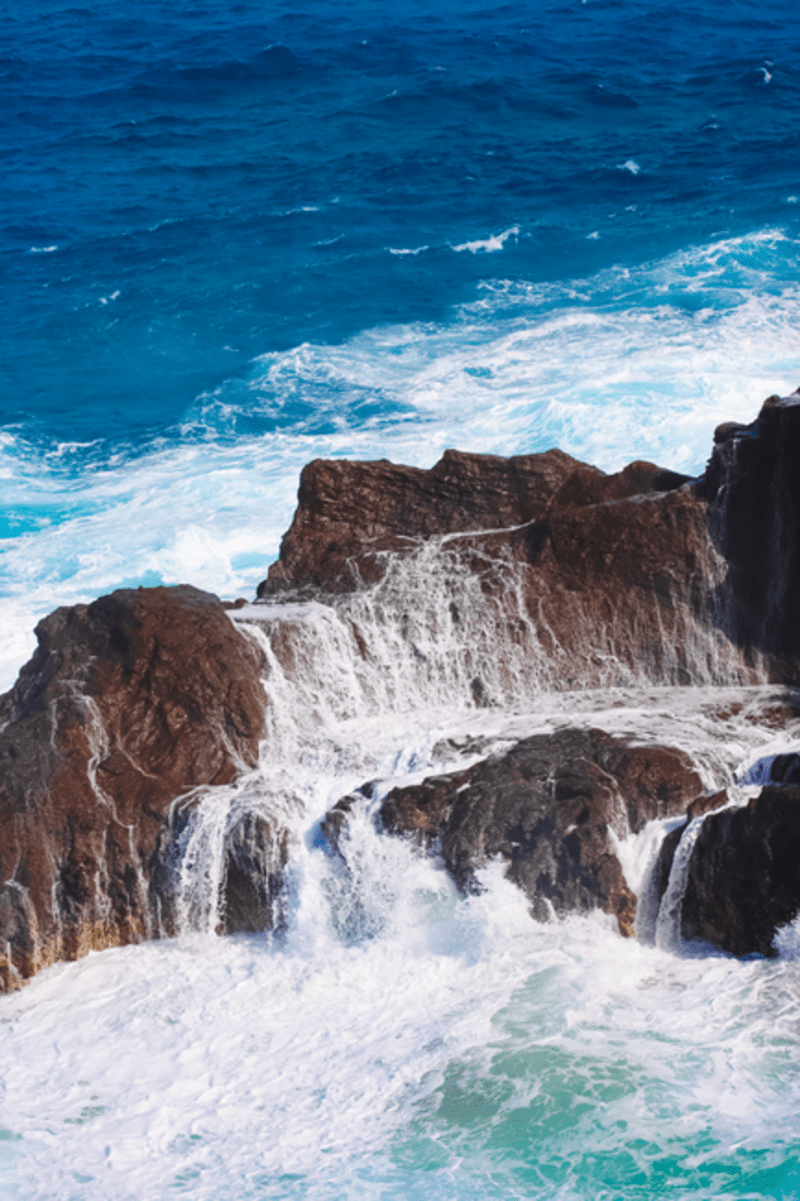 hawaii
 Po'ipu
Kaua'i's sunny south shore — golden beaches, snorkeling coves, and the monk seals that nap on the sand like they own it.
Explore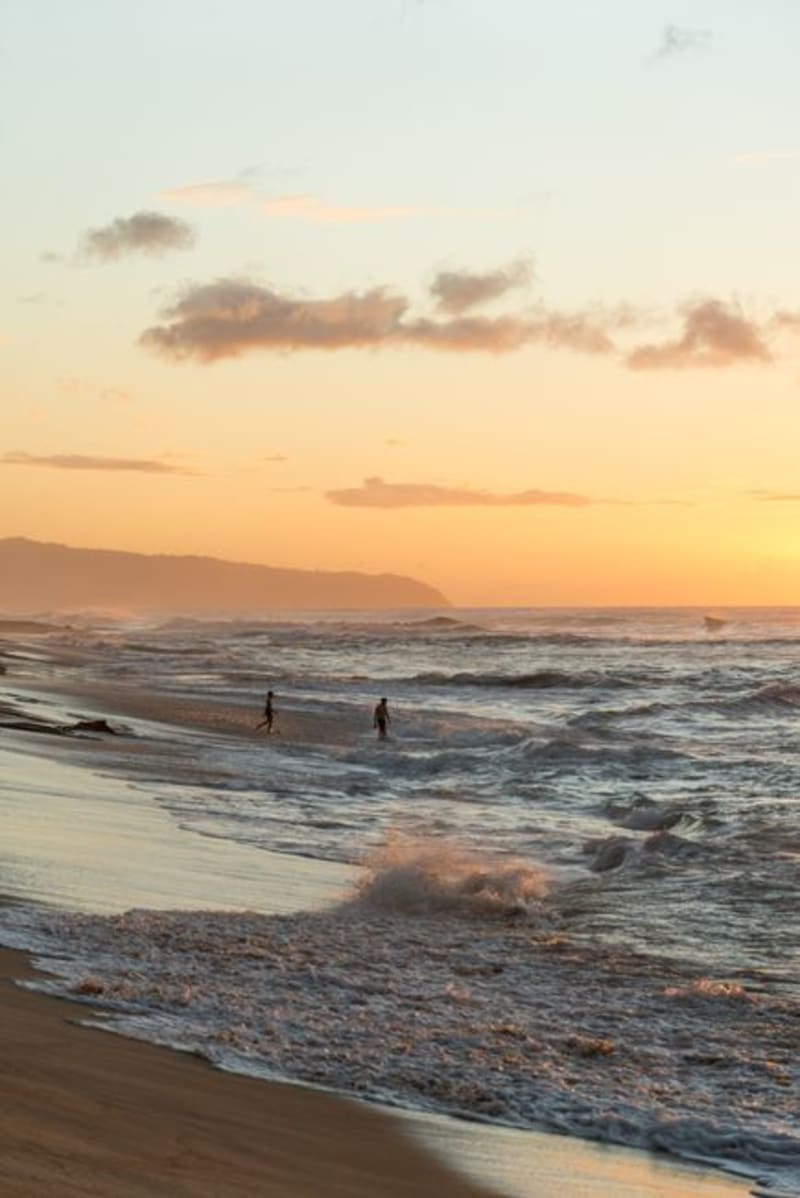 hawaii
 Polihale Beach
A seventeen-mile stretch of remote sand at Kaua'i's western edge, reached by a bone-rattling dirt road and rewarded with total solitude.
Explore hawaii
 Pololu Valley
The dramatic end of the Kohala coastal road — a switchback trail down to a black sand beach ringed by sea cliffs.
Explore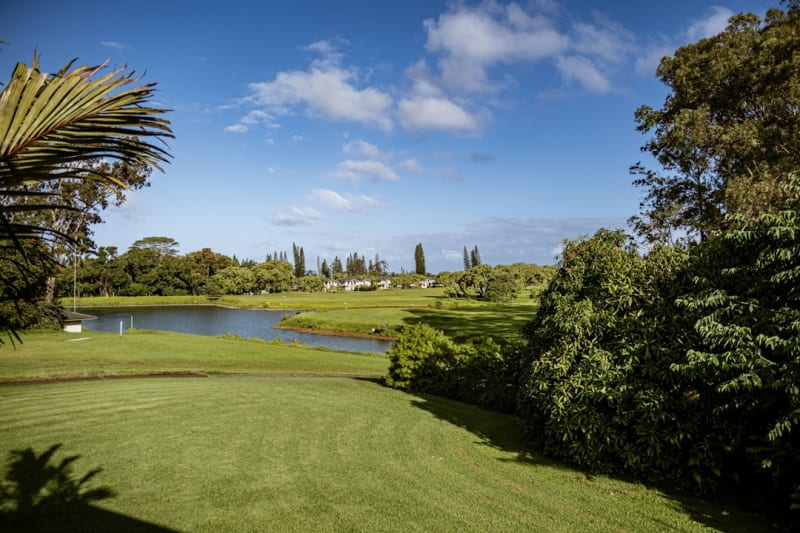 hawaii
 Princeville
A clifftop resort community on Kaua'i's North Shore, with the island's best golf-course ocean views and a lighthouse walk that outshines the fairways.
Explore hawaii
 Naalehu and Punaluu Bakeshop
The southernmost town in the United States, and the bakery whose sweet Portuguese bread has fueled Big Island road trips for generations.
Explore