A working-class surf town on Oahu's Waianae Coast where the waves are enormous, the beach is local, and the tourist buses genuinely never come.
Everyone talks about the North Shore when they talk about Oahu’s big waves. Nobody mentions the Waianae Coast, and I think that’s mostly because getting there requires driving past Honolulu’s entire tourism apparatus and just… continuing. Makaha is forty-five minutes and a world away from Waikiki, and it is, without qualification, one of the most Hawaiian places I visited on the island.
The Coast Tourism Forgot
The Waianae Coast has a reputation, deserved or not, for being unwelcoming to outsiders — a legacy of decades of tension between a proud, historically Native Hawaiian community and a tourism economy that has taken far more than it has given back. I won’t pretend I understood the full weight of that history after one afternoon. What I can say is that we were treated with nothing but courtesy, and that the beach itself, uncommercialized and unfussy, was a genuine relief after a week of resort corridors.
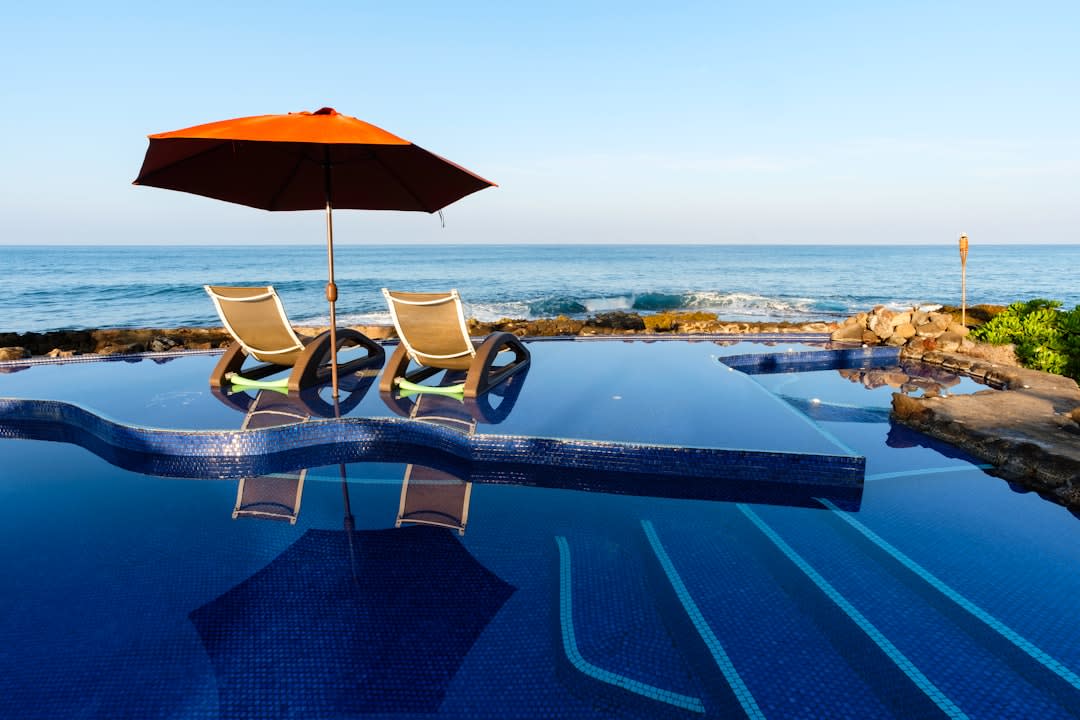
Waves That Made History
Makaha isn’t just a nice beach — it’s one of the birthplaces of modern big-wave surfing. The Makaha International Surfing Championships ran here from the 1950s through the ’70s, before the North Shore took over as the sport’s epicenter, and winter swells still push the surf here into serious, expert-only territory. We watched from the sand as a handful of locals paddled into sets that looked, from where I stood, actively hostile.
Lia, who surfs better than I do, took one look at the shore break and decided the sand was fine for her that day too. There’s no shame in it. The lifeguards here aren’t decorative.
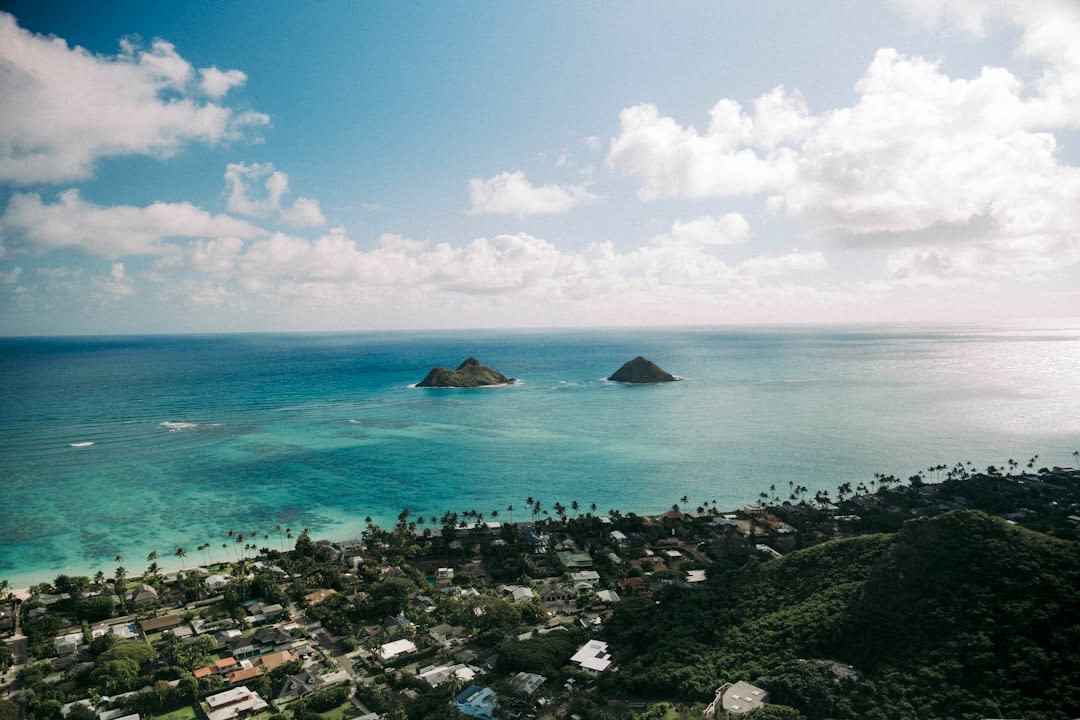
Kaneaki Heiau, Up in the Valley
A short drive up Makaha Valley Road — through a gated community, oddly enough, though the site itself is open to visitors with advance arrangement — sits Kaneaki Heiau, a restored ancient Hawaiian temple complex that predates any of the resorts down the coast by centuries. Standing among its wooden ki’i (carved images) and stone terraces, with the valley closing in green and steep on both sides, felt like a genuine time-slip after the beach scene below.
We ended the day with plate lunch from a truck in a strip mall parking lot — kalbi ribs, two scoops rice, mac salad — eaten on the tailgate with the sun dropping behind the Waianae range. No view of a resort pool anywhere. Just the mountains and the ocean, which is, in the end, what everyone actually comes to Hawaii for.
When to go: Winter (November to February) if you want to watch serious big-wave surfing from a safe distance on the sand. Summer for calmer water if you or your kids want to swim. Go respectfully either way — this is a residential community first, a beach destination second.
Keep exploring
More from Hawai'i
 hawaii
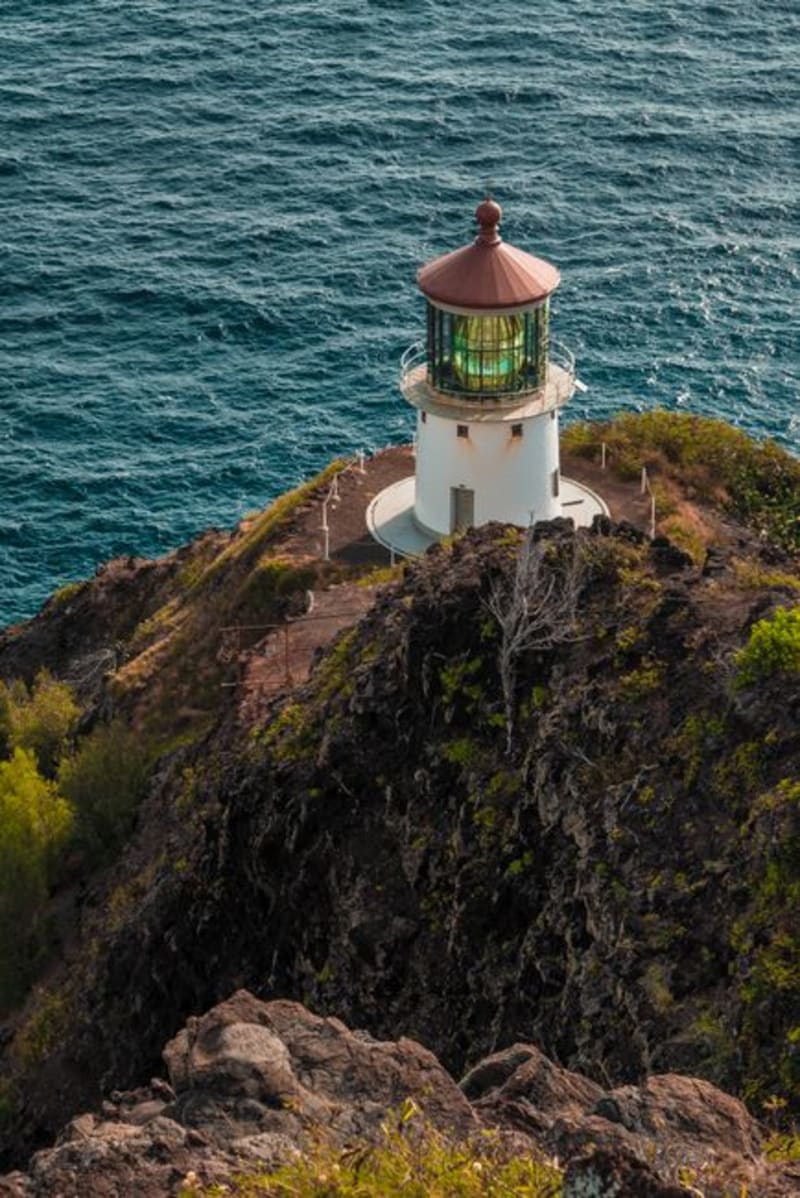
 Makapu'u Point
Oahu's easternmost tip, where a paved lighthouse trail delivers whale-watching views and tide pools without a single step of technical hiking.
Explore hawaii
 Makena
South Maui's wildest beach stretch — a mile of undeveloped golden sand, punishing shore break, and a coastline that resisted resort development.
Explore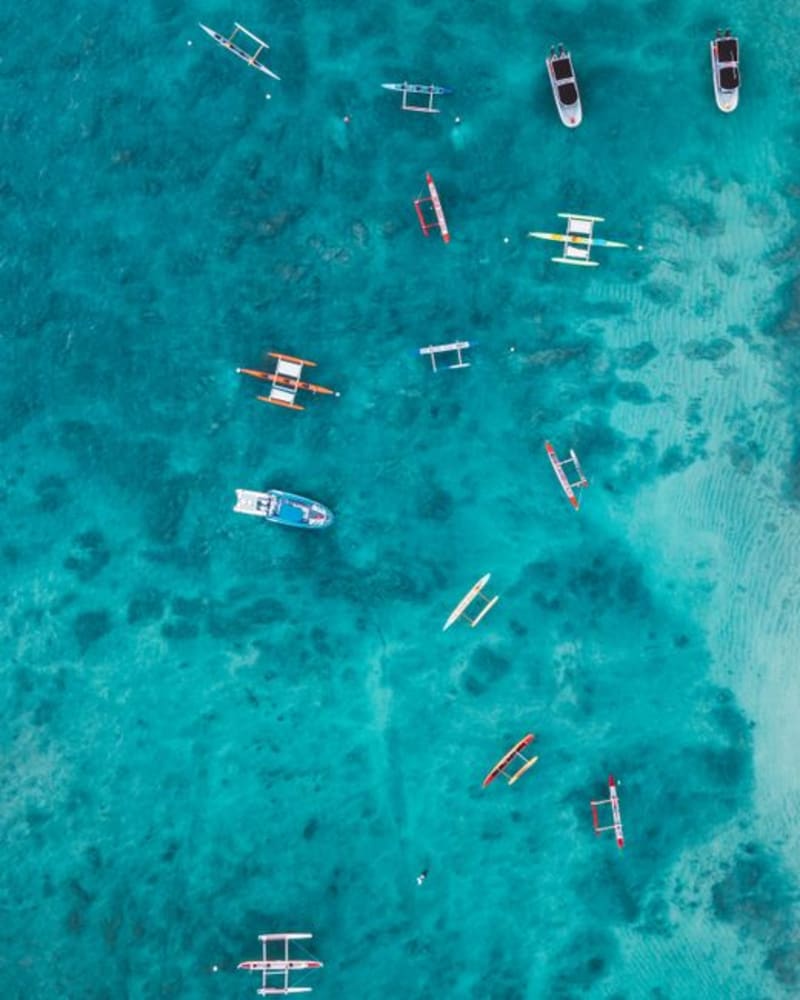 hawaii
 Manele Small Boat Harbor
The tiny harbor beside Hulopoe Bay on Lanai where the ferry from Maui docks, dolphins loiter at dawn, and the whole island's connection to the outside world funnels through one short pier.
Explore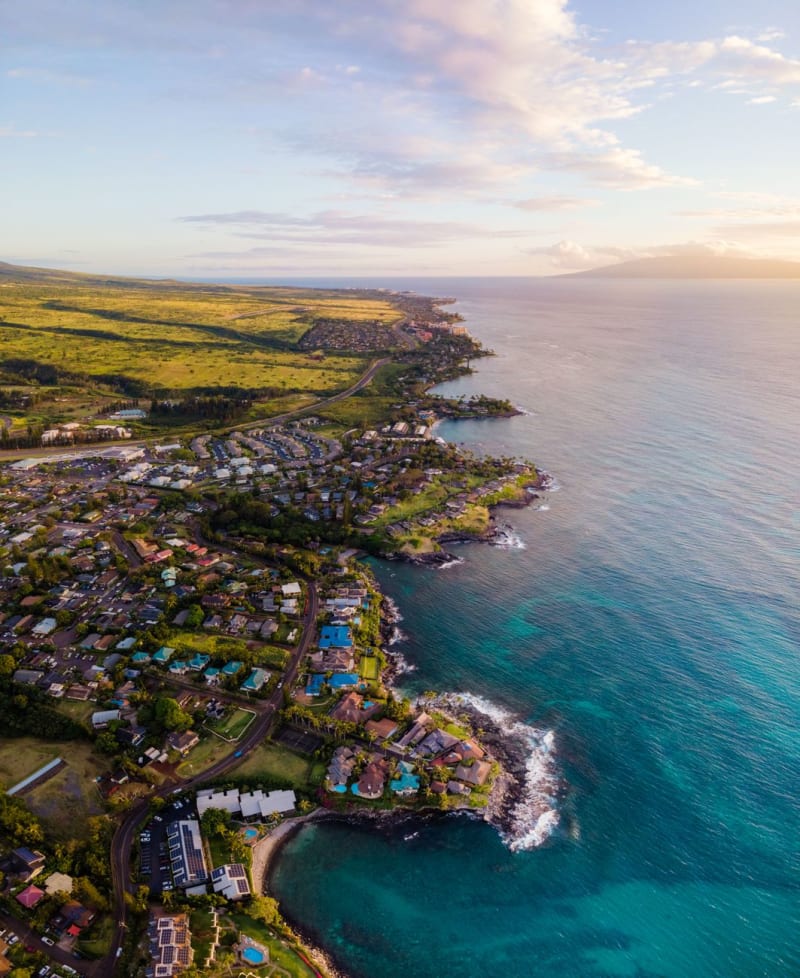 hawaii
 Maui
Haleakalā's sunrise, the Road to Hana, and a balance of adventure and comfort that makes it the most versatile Hawaiian island.
Explore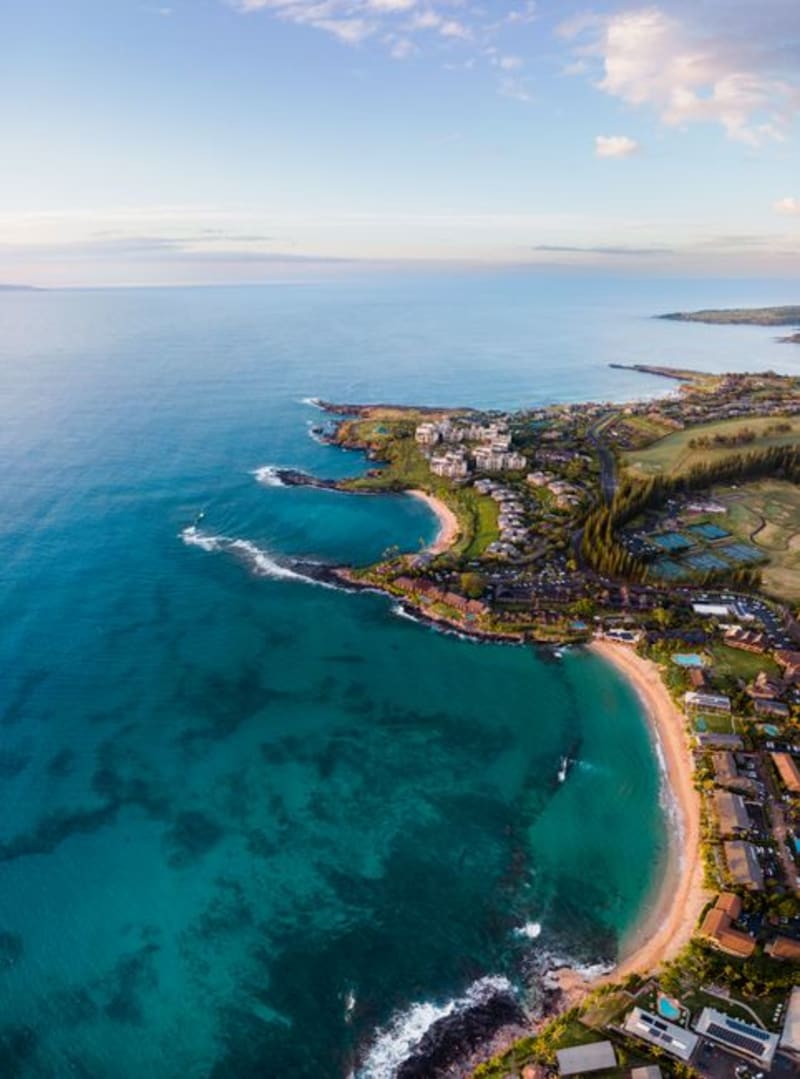 hawaii
 Maui Ocean Center
An aquarium built entirely around Hawaiian marine life, offering a walk-through reef tunnel and a close look at species most visitors will only glimpse blurry underwater.
Explore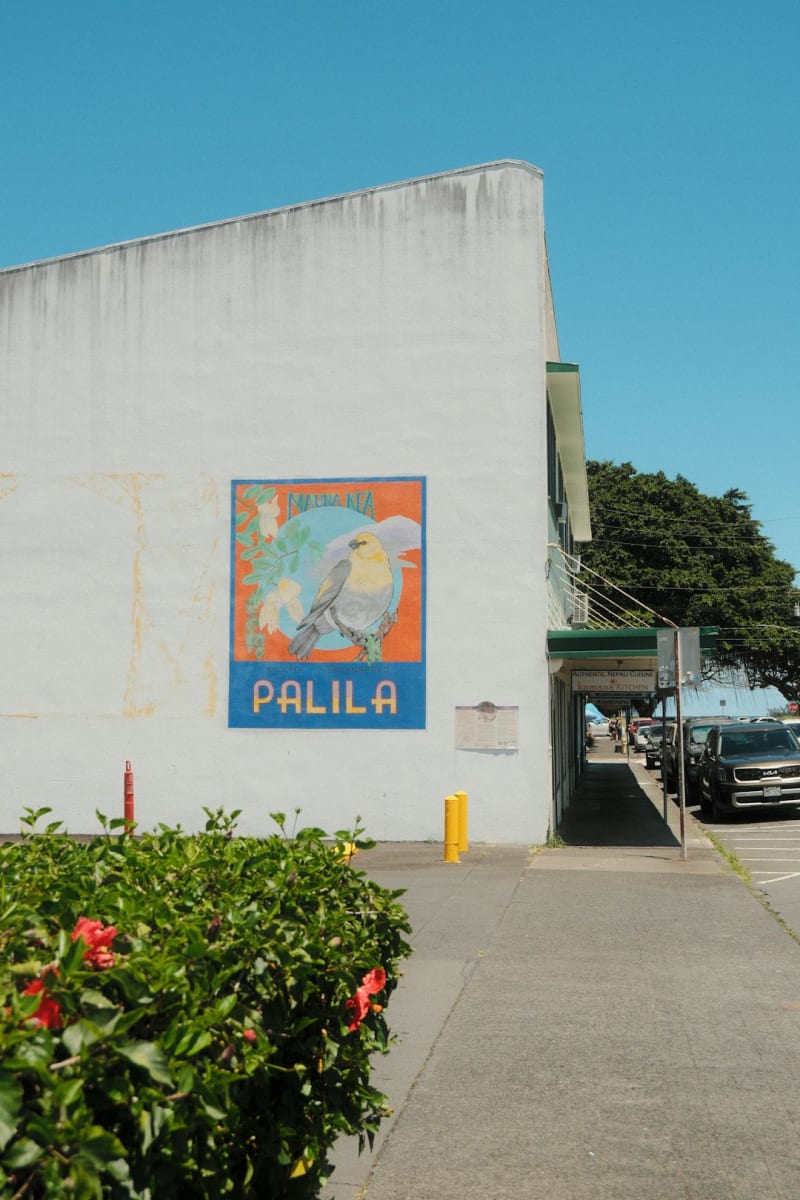 hawaii
 Mauna Kea
The tallest mountain on Earth measured from its true base, with a summit above the clouds and some of the clearest night skies left on the planet.
Explore