Kilauea Point
"A hundred-year-old lighthouse doing far less work than the birds around it."
A restored 1913 lighthouse on Kaua'i's northernmost point, surrounded by a seabird refuge that draws albatross, boobies, and the occasional spinner dolphin pod below.
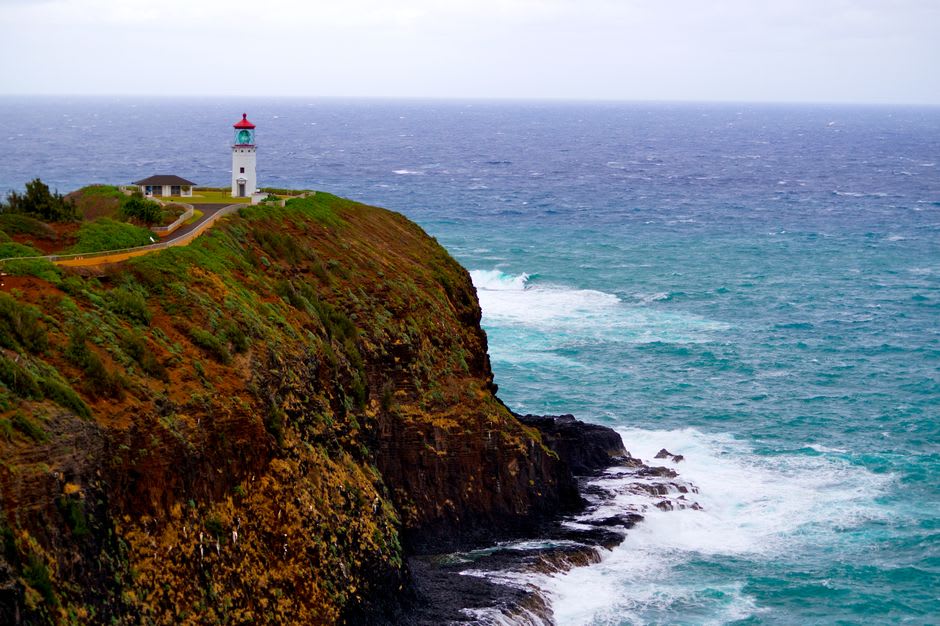
I’ve never been someone who seeks out lighthouses specifically, but Kilauea Point rearranged that a little. It’s the northernmost point on Kaua’i, which makes it the northernmost point in the main Hawaiian island chain accessible by road, and the 1913 lighthouse that sits on the headland — squat, white, still fitted with its original clamshell lens — is almost beside the point once you notice what’s flying around it.
A Headland Thick With Birds
The National Wildlife Refuge that surrounds the lighthouse protects nesting grounds for red-footed boobies, wedge-tailed shearwaters, and Laysan albatross, and during nesting season the cliffs and grass slopes are genuinely dense with them — not a bird here and there but hundreds, riding the updraft off the point in slow circles. We’d brought binoculars on a whim and ended up not putting them down for forty minutes. A volunteer stationed near the fence line pointed out a great frigatebird overhead, its tail forked like scissors, and told us, with the patient repetition of someone who says this to every visitor, that frigatebirds can stay aloft for weeks without landing.
The Lighthouse Itself
The lighthouse stopped operating in 1976, replaced by a modern automated beacon nearby, and it’s now preserved as a National Historic Landmark you can view up close (though not usually enter, except on limited tours). What struck me was less the structure than the setting — a lone white tower on a green headland jutting into open ocean, with nothing between it and Alaska but water. It felt like the edge of something, in the way that Polihale on the opposite side of the island also feels like the edge of something, except here it’s not sand and silence but wind and wings.
Whales and Dolphins Below
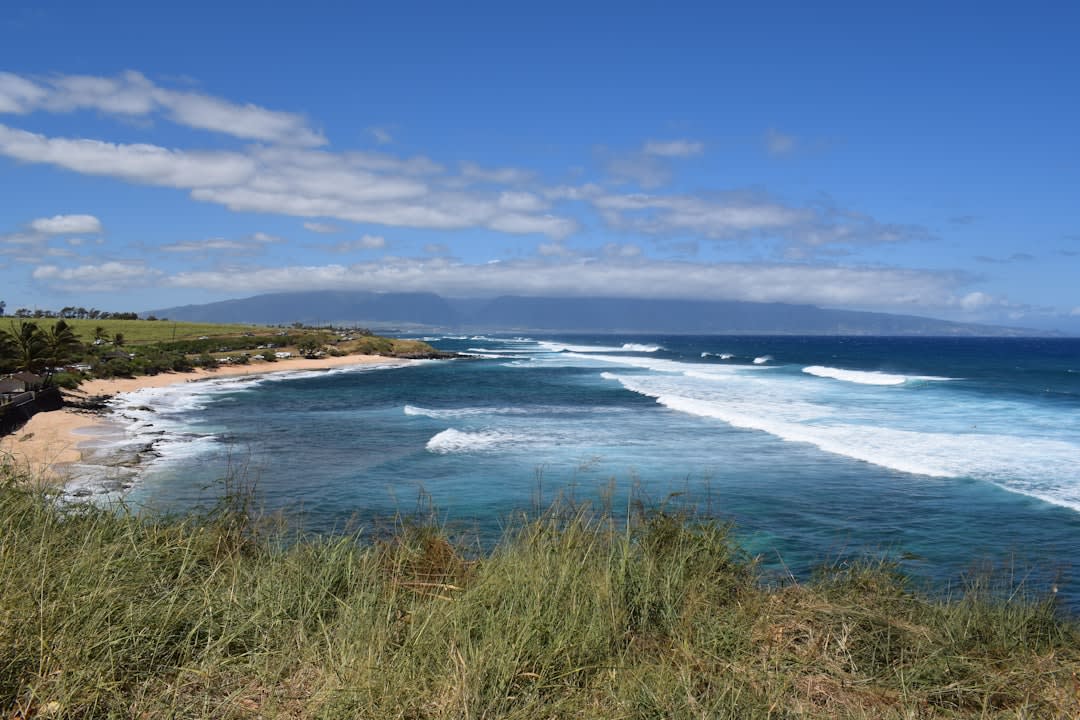
We got lucky in a different way looking down from the point: a pod of spinner dolphins working the water just offshore, and — this was winter — the distant blow and tail of a humpback whale further out. Neither required binoculars. The height of the point does the work a boat tour would otherwise need to do.
When to go: Seabird nesting season runs roughly March through November, with peak activity in spring and summer. Visit December through March for a real chance at humpback whale sightings from the overlook.
Keep exploring
More from Hawai'i
 hawaii
 Kipahulu
The remote southern end of Haleakalā National Park, where the Pipiwai Trail climbs through bamboo forest to a 400-foot waterfall far beyond Hana's usual turnaround point.
Explore hawaii
 Ko Olina
Four man-made lagoons on Oahu's dry leeward coast, built for calm water in a place the ocean was never going to provide it naturally.
Explore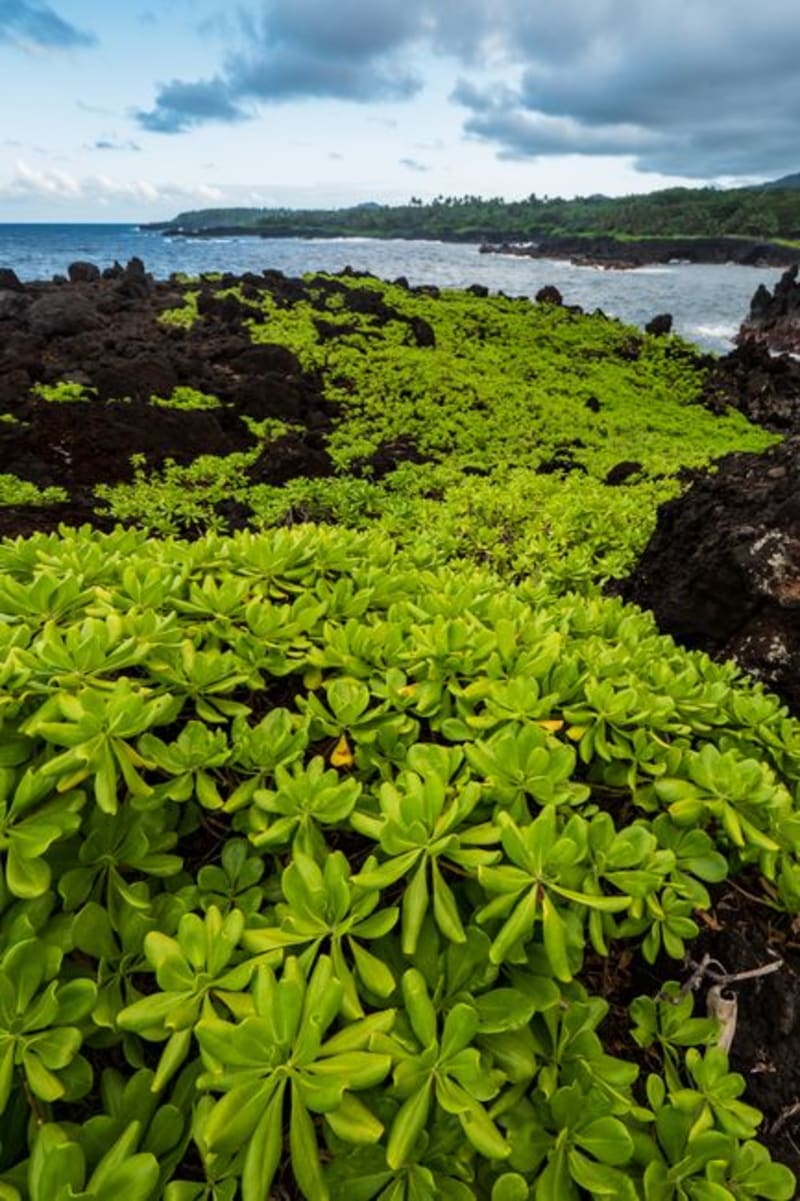 hawaii
 Kohala Coast
Lava-field resorts, ancient fishponds, and some of the calmest turquoise water in the Hawaiian islands.
Explore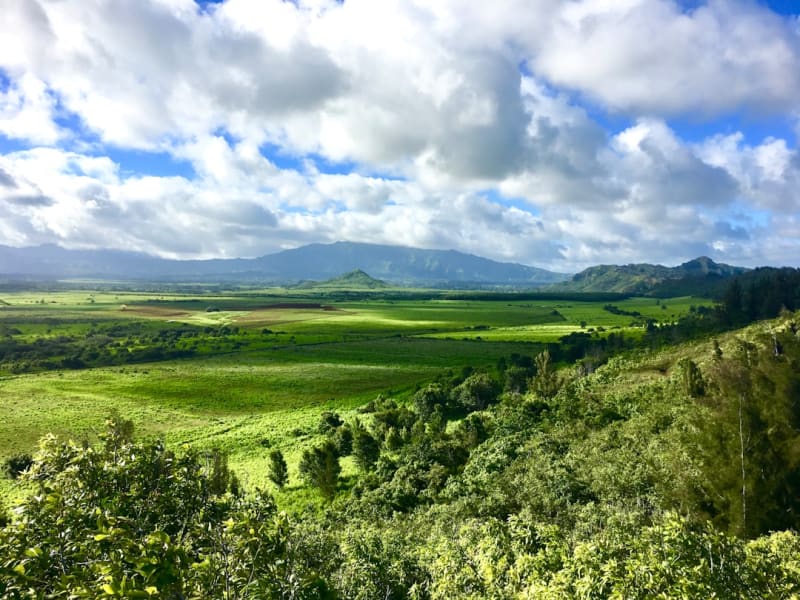 hawaii
 Koke'e State Park
The misty highland forest above Waimea Canyon — Kalalau Lookout, native birdsong, and a climate that feels like a different island.
Explore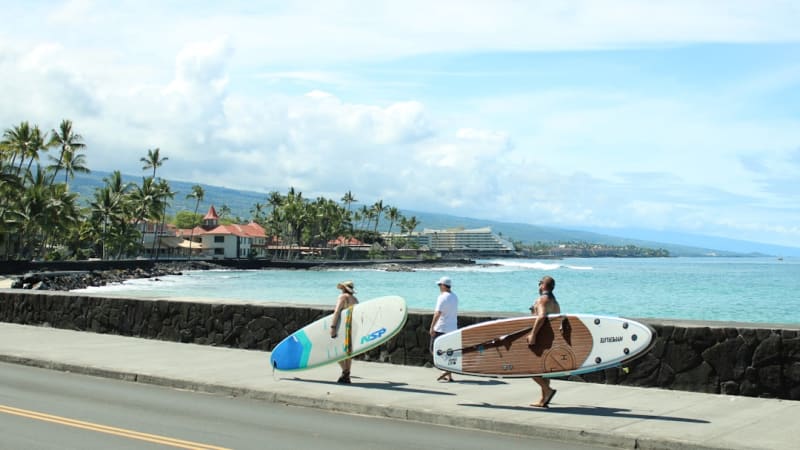 hawaii
 Kona
Coffee farms clinging to volcanic slopes, manta rays feeding under floodlights, and a harbor town that never quite decided to become a resort.
Explore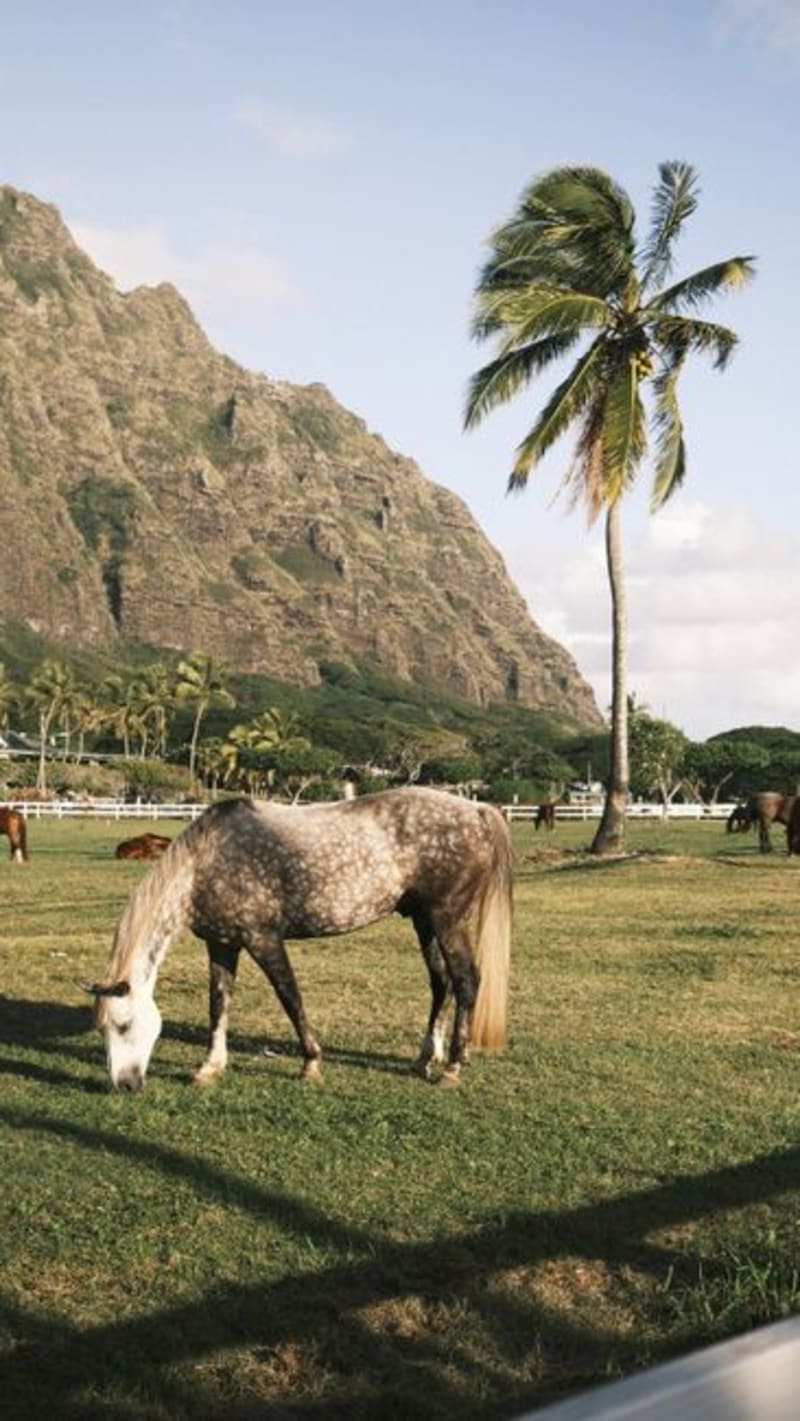 hawaii
 Kualoa Ranch
A working cattle ranch beneath the Ko'olau cliffs that has doubled as Jurassic Park, Godzilla's island, and half of Hollywood's tropical backlot.
Explore