Kaneohe
"We waded out onto a sandbar in the middle of the ocean and stood there like it was the most normal thing in the world."
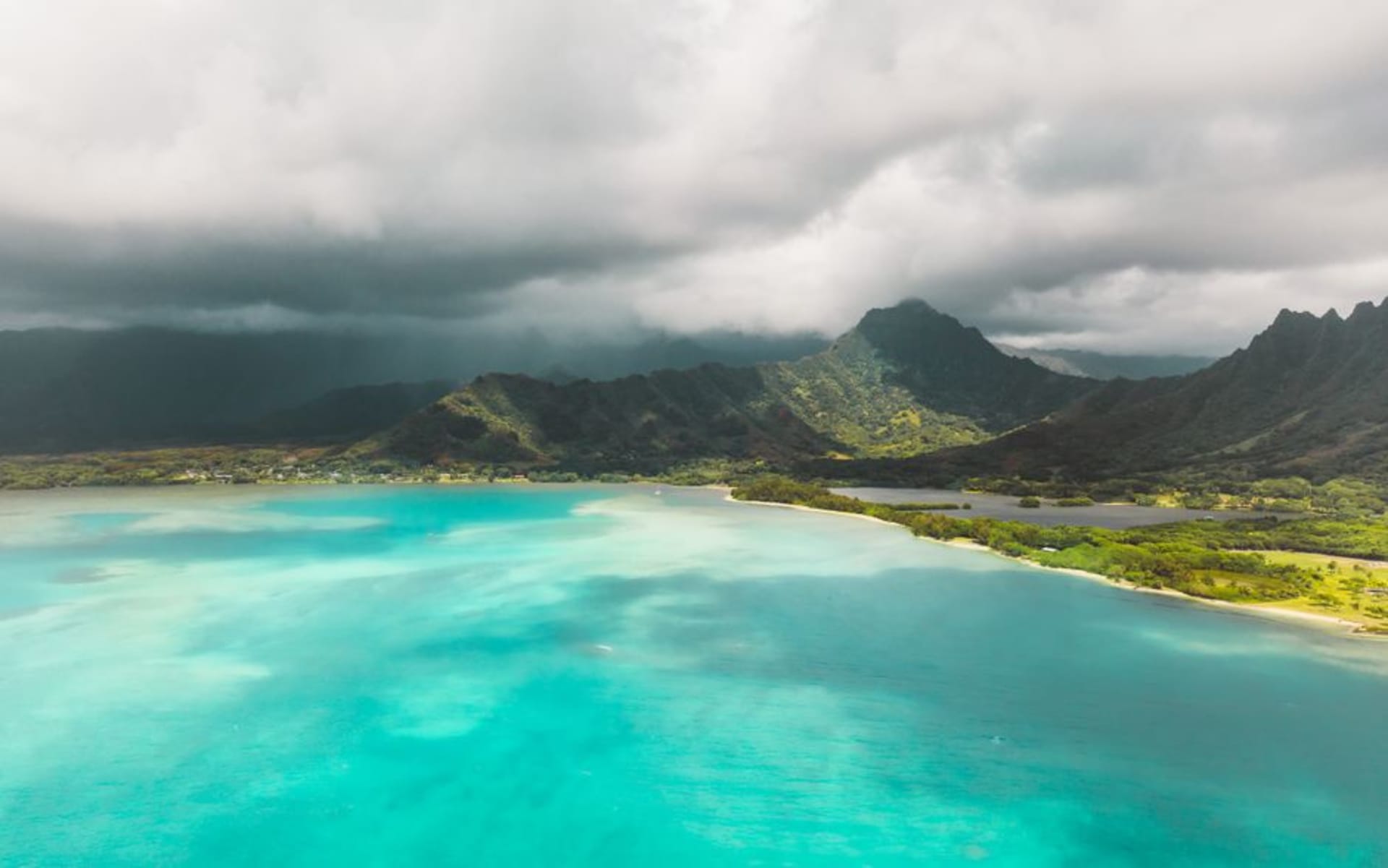
A working windward town with a sandbar in the middle of the bay and a full-scale replica Buddhist temple tucked against the Ko'olau cliffs.

Kaneohe doesn’t sell itself the way Kailua does one bay over — it’s a working town, a Marine Corps base, strip malls — which is exactly why the sandbar caught me off guard. Nobody had mentioned it. Lia found it on a boat-tour listing the night before and we booked it on a whim.
Standing in the Middle of the Ocean
Kaneohe Bay is the largest sheltered body of water in the main Hawaiian islands, and at low tide a shallow sandbar surfaces near its center — locals call it the Sandbar or Ahu o Laka — where you can wade out through waist-deep, then knee-deep, then ankle-deep water until you’re standing on sand with open bay on every side and the jagged green wall of the Ko’olau Range behind you. The boat anchored maybe two hundred meters off it and we swam the rest. Standing out there, genuinely in the middle of the ocean on dry sand, was one of those moments that photographs undersell completely.

The Temple Nobody Expects
A twenty-minute drive from the bay, set into a fold of the Ko’olau cliffs at the Valley of the Temples memorial park, sits Byodo-In — a scaled replica of a 950-year-old temple in Uji, Japan, built in 1968 to mark the centennial of the first Japanese immigrants’ arrival in Hawaii. It has zero historical connection to Hawaiian culture and every reason to feel like a tourist gimmick, and somehow doesn’t: the reflecting pond stocked with black swans and thousands of koi, the massive brass bell visitors are invited to ring for good fortune, and the cliffs looming directly behind the vermillion roofline make it one of the most photogenic, genuinely peaceful stops on the whole island.
The Bay’s Working Side
Kaneohe Bay also holds live coral reef and a Marine Corps base occupying much of the peninsula that shelters it, a reminder that windward Oahu isn’t a resort district — it’s where people live and work, and the bay’s beauty is incidental to that rather than built for it. That contrast, more than the sandbar or the temple individually, is what made the stop memorable.

When to go: Check tide tables before booking a sandbar tour — it only fully surfaces around low tide, and the window is a couple of hours either side. Visit Byodo-In in late afternoon when the light hits the cliffs behind the temple directly.
Keep exploring
More from Hawai'i
 hawaii
 Kaneohe Bay
Oahu's largest sheltered bay, home to a sandbar that surfaces at low tide and turns into a floating party in the middle of the ocean.
Explore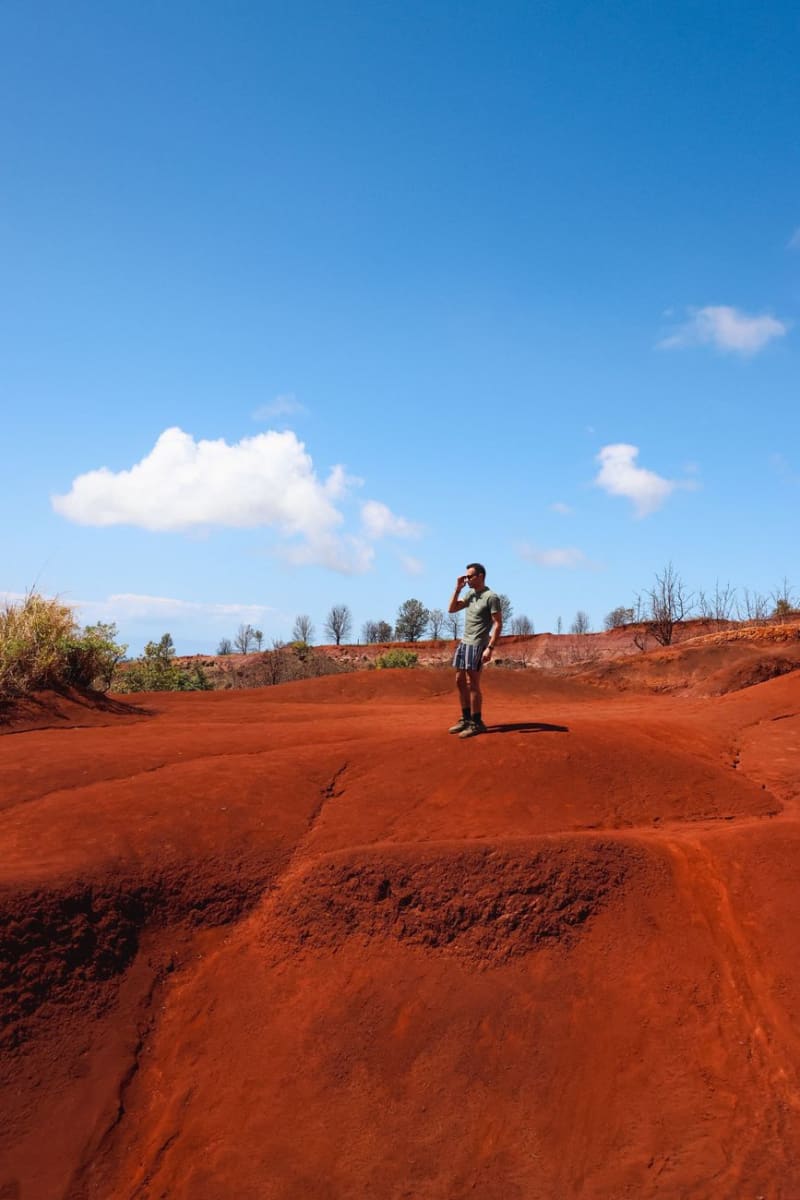 hawaii
 Kaua'i
The Garden Isle — Nā Pali cliffs, Waimea Canyon, and the oldest, greenest, most cinematic island in Hawai'i.
Explore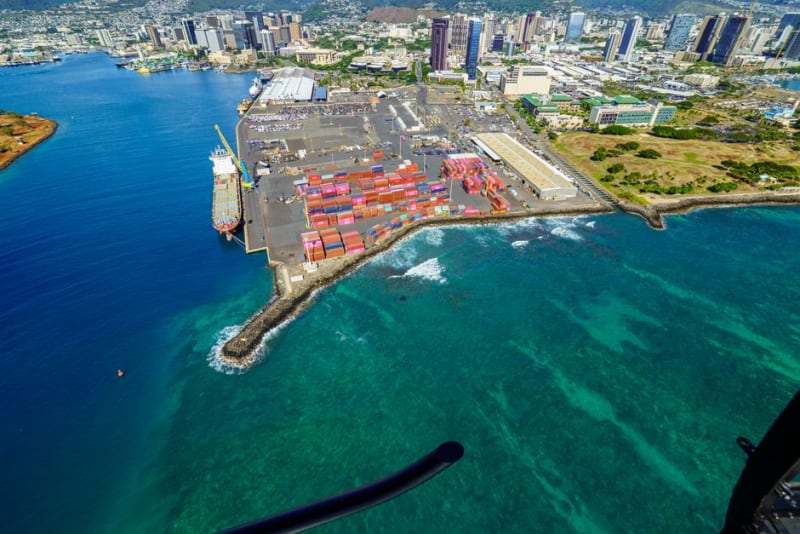 hawaii
 Kaumalapau Harbor
Lanai's working harbor at the base of dramatic sea cliffs, built for pineapple barges and now the best sunset-fishing spot on an island most people only know for its resorts.
Explore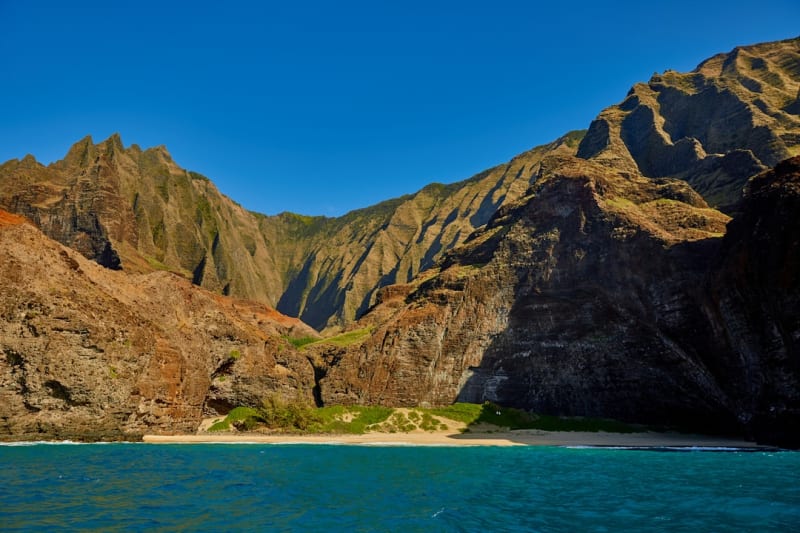 hawaii
 Kealakekua Bay
A marine sanctuary where dolphins circle beneath the water, a lava cliff marks Captain Cook's death, and the snorkeling rivals anywhere in the Pacific.
Explore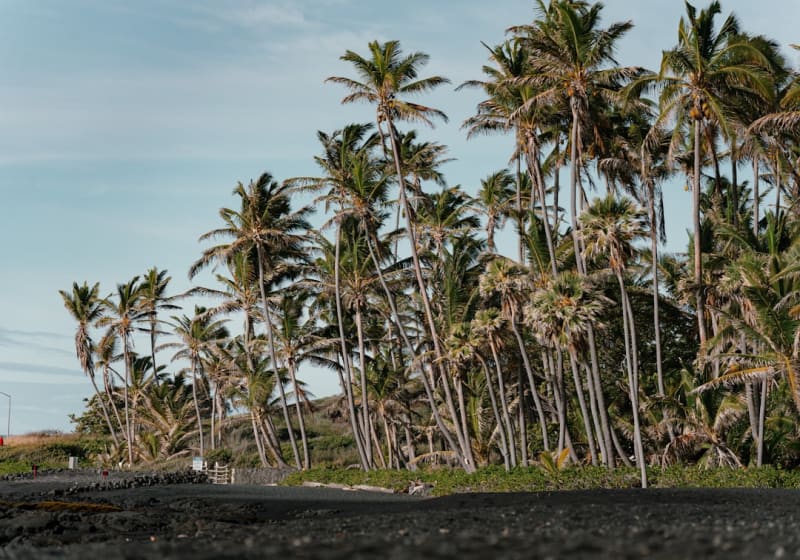 hawaii
 Kealia Beach
A long, open east side beach favored by local surfers and bodyboarders, with a coastal path that makes it as good for a morning run as a swim.
Explore hawaii
 Ke'e Beach
The end of the road on Kaua'i's north shore — a reef-protected lagoon at the exact spot where the pavement stops and the Nā Pali cliffs begin.
Explore