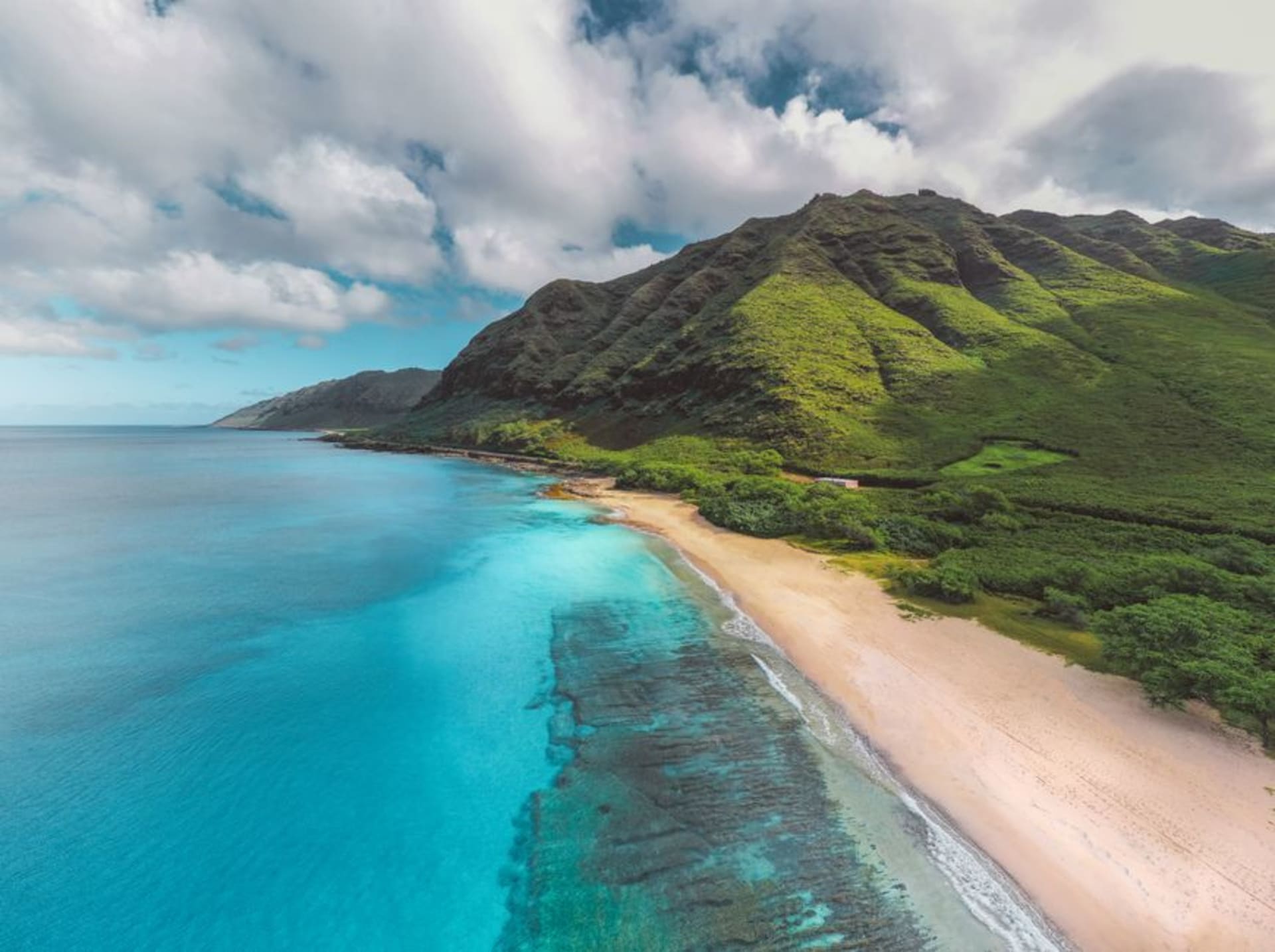
A remote taro-farming village at the end of West Maui's cliffside road, one of the last places on the island where old Hawaii hasn't been paved over.
Most rental car companies technically discourage you from driving the northern loop past Kapalua toward Kahakuloa, and after doing it once I understood the liability concern completely — the road narrows to a single lane clinging to sea cliffs, blind curves stacked on blind curves, with a drop to the ocean on one side that requires genuine trust in oncoming traffic to pull over first. We did it anyway, slowly, windows down, Lia gripping the door handle the entire time.
A Village That Time Genuinely Skipped
Kahakuloa sits at the bottom of a steep green valley, a scattering of maybe two dozen homes around a small bay, and it still functions as a working taro-farming and fishing community rather than a tourist stop that happens to have people living in it. There’s a church, a taro patch visible from the road, and a couple of roadside stands selling banana bread that locals bake fresh most mornings — we bought two loaves from a stand run by a woman who told us, without much ceremony, that her family had farmed the same plot for four generations.
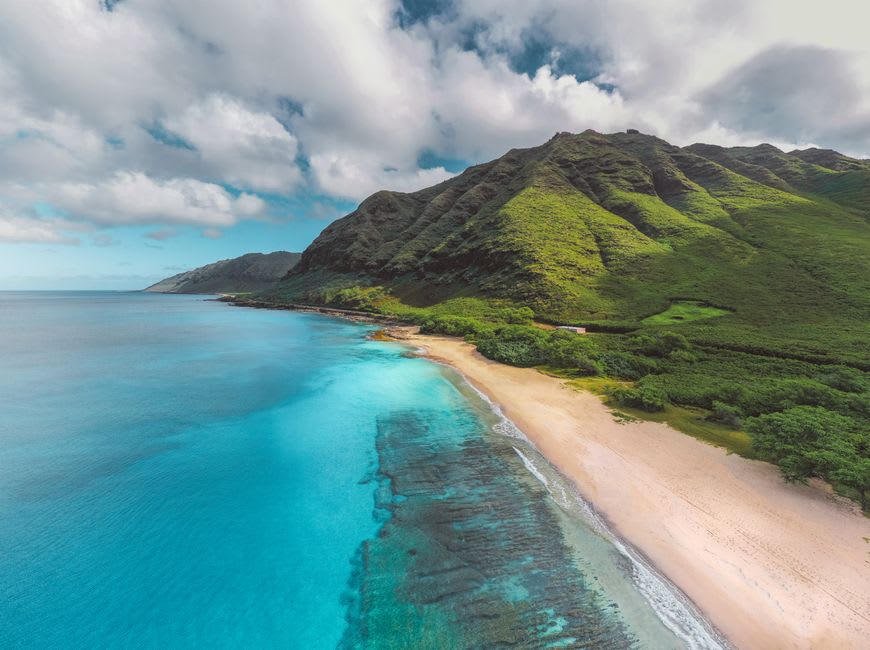
We parked at the bottom and walked down toward the bay, past a black sand cove where a few local kids were fishing off the rocks, entirely unbothered by the handful of visitors passing through. It’s not a place with an obvious attraction to check off — no marked trailhead, no viewpoint with a parking lot — which is precisely what made it feel different from everywhere else we’d driven that day.
The Blowhole Nobody Mentions First
A few minutes further along the road, the Nakalele Blowhole draws its own small crowd, a natural lava-tube vent that shoots seawater skyward when the swell hits at the right angle. We arrived at a lucky moment and watched a column of spray launch a good ten meters into the air, the sound arriving a half-second after the plume, sharp and startling every single time it happened.
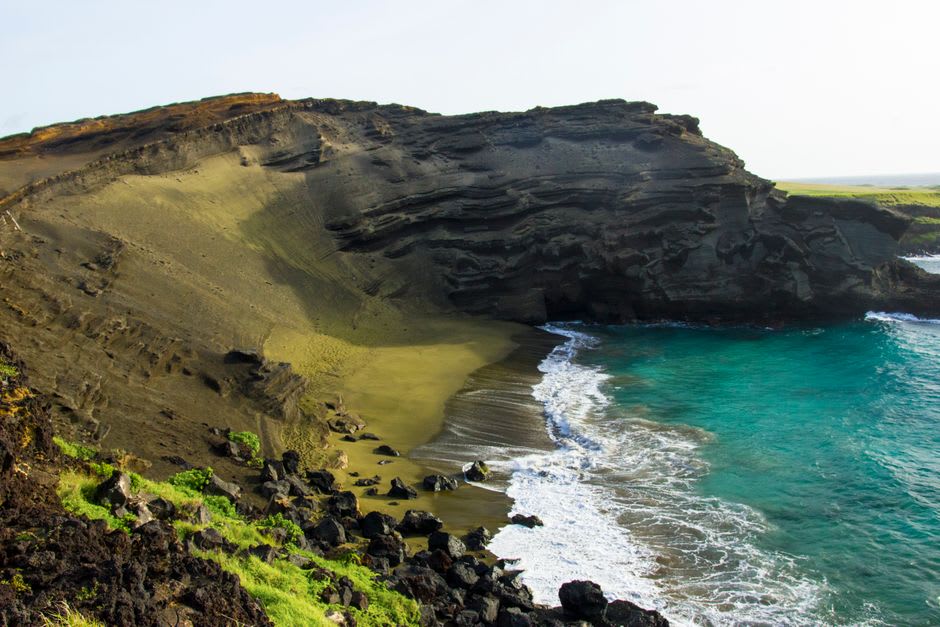
The drive back out felt shorter than the drive in, the way roads often do once you know what’s coming, but I found myself slowing down anyway, in no hurry to leave the quietest corner of Maui we found on the whole trip.
When to go: Drive clockwise from Kapalua in the morning when the road is driest and quietest. Avoid this route entirely after heavy rain, when landslides can close sections without warning.