Halawa Valley
"The most Hawaiian afternoon of the whole trip, and we needed a guide to get there."
Molokai's oldest continuously inhabited valley, reachable only by guided hike, where a Native Hawaiian family shares taro farming traditions dating back a thousand years.
Molokai already feels like the road not taken compared to its neighbors, and Halawa Valley, at the island’s remote eastern end, is the road not taken within that. You can’t just show up and hike it — access requires a guided tour arranged with the Native Hawaiian family who has lived and farmed here for generations, and honestly, that restriction is the best thing about the experience.
An Hour of Driving to Get Nowhere Near a Resort
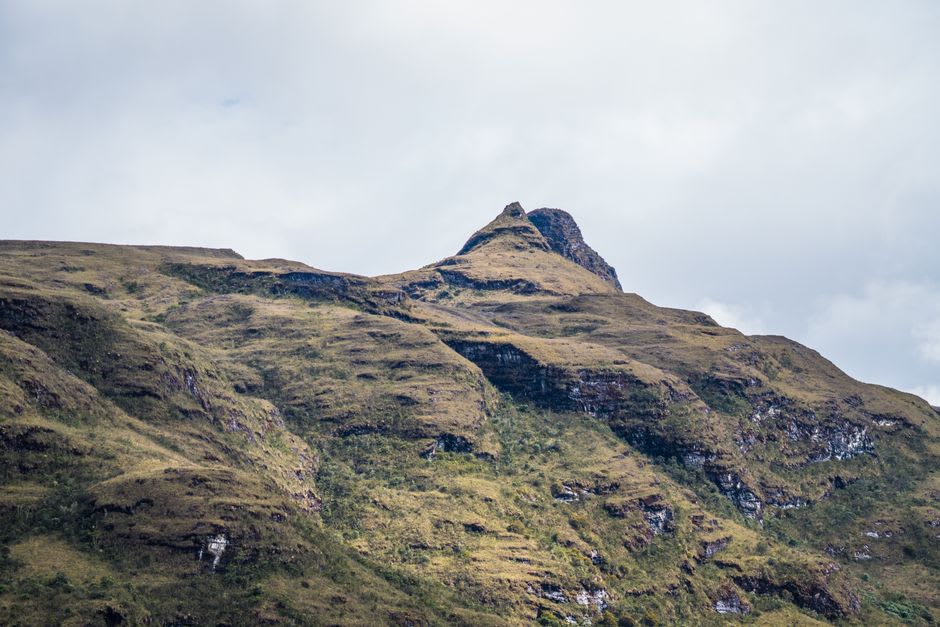
The drive out from central Molokai along the coastal highway took the better part of an hour, past small communities, roadside fruit stands, and long stretches of coastline with nobody else on the road. Halawa is Molokai’s oldest documented settlement, inhabited continuously for close to a thousand years according to archaeological evidence, and the valley’s isolation — protected on both sides by steep, fluted cliffs — is exactly what allowed that continuity.
Taro, Not Tourism
Our guide, Greg, part of the family that leads these tours, walked us first through the ahupua’a system — the traditional Hawaiian land division running from mountain to sea that once made a valley like Halawa nearly self-sufficient — before taking us into the working lo’i, the flooded taro terraces still farmed by hand using methods that have barely changed. He waded into the mud to show us how to properly harvest a mature taro corm, and let Lia try it herself, which resulted in her covered to the elbow in gray mud and thoroughly pleased with herself.
This wasn’t a performance for visitors. The taro grown here is genuinely used and eaten, some of it pounded into poi the traditional way, and the tour felt less like a cultural show and more like being invited, briefly, into someone’s actual working life.
Twin Waterfalls at the End of the Trail
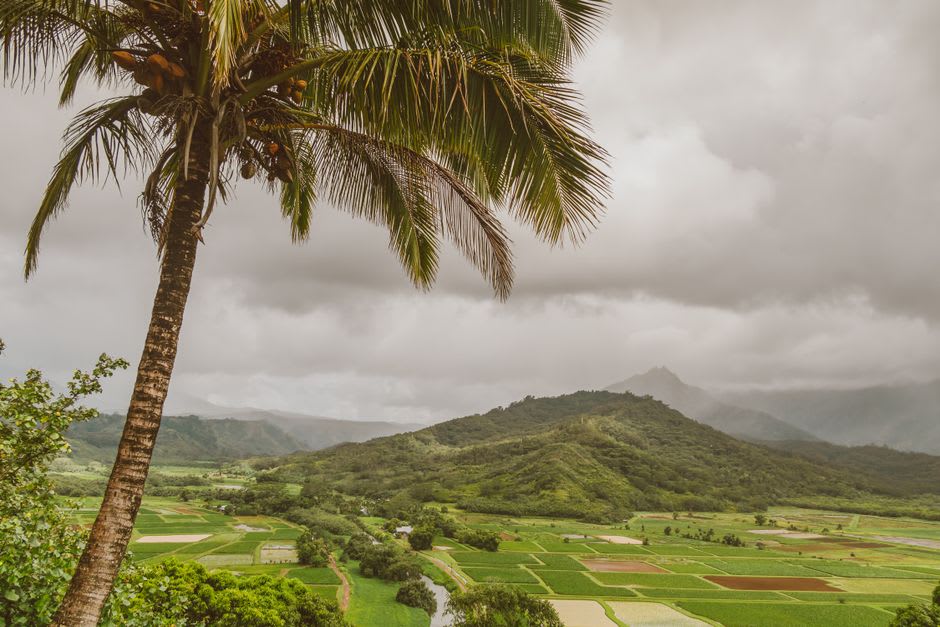
The hike continues past several ancient heiau sites — some restored, some left as quiet stone platforms under a canopy of mango and kukui trees — before arriving at Moaula Falls, a roughly two-hundred-foot cascade dropping into a pool at the valley’s back wall. Swimming is sometimes possible depending on recent rain and current guidance from the family (a local legend involves a moray eel guardian who tests swimmers’ intentions with a floating ti leaf, which our guide told with a completely straight face). We didn’t swim that day — heavy rain upstream had the pool running high and brown — but the falls themselves, framed by the valley’s sheer green walls, were worth the entire day regardless.
When to go: Dry season, roughly April through October, gives the best odds of a swimmable pool at the falls and easier footing on the trail. Book the guided hike well in advance — access is limited by design, and that’s exactly what keeps Halawa what it is.
Keep exploring
More from Hawai'i
 hawaii
 Haleakalā Summit
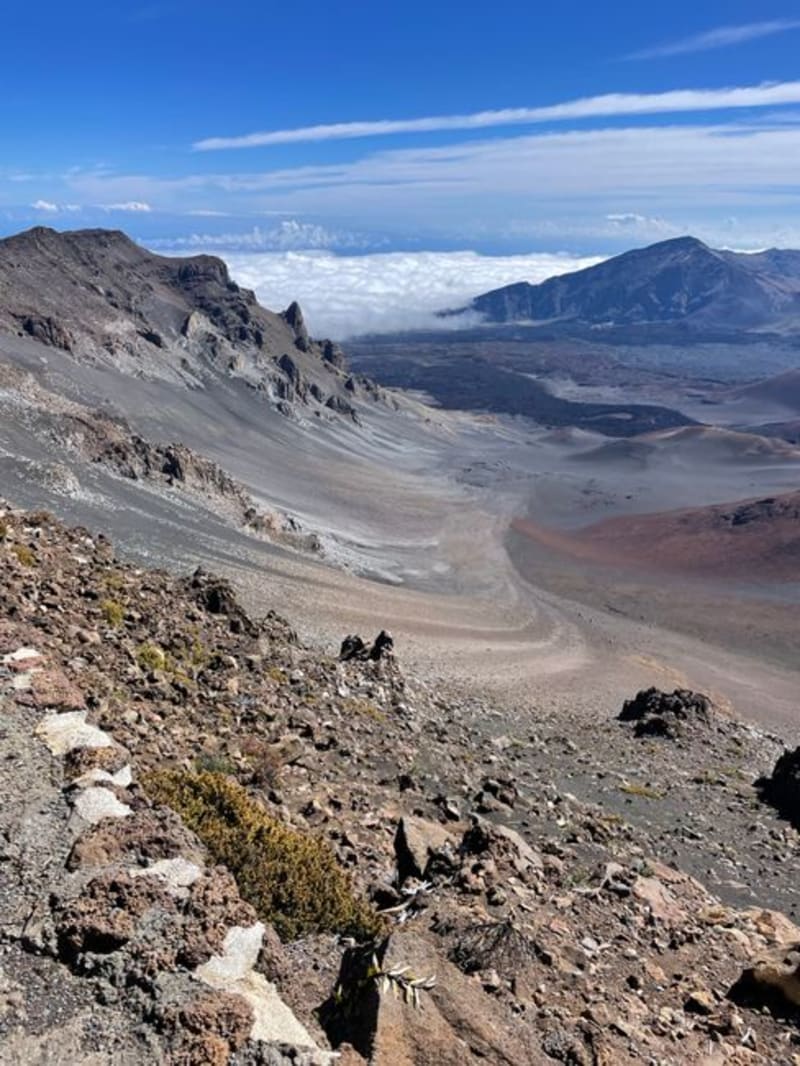
A 3,000-meter volcano where you drive from sea level into the cold before dawn to watch the sun rise above the clouds.
Explore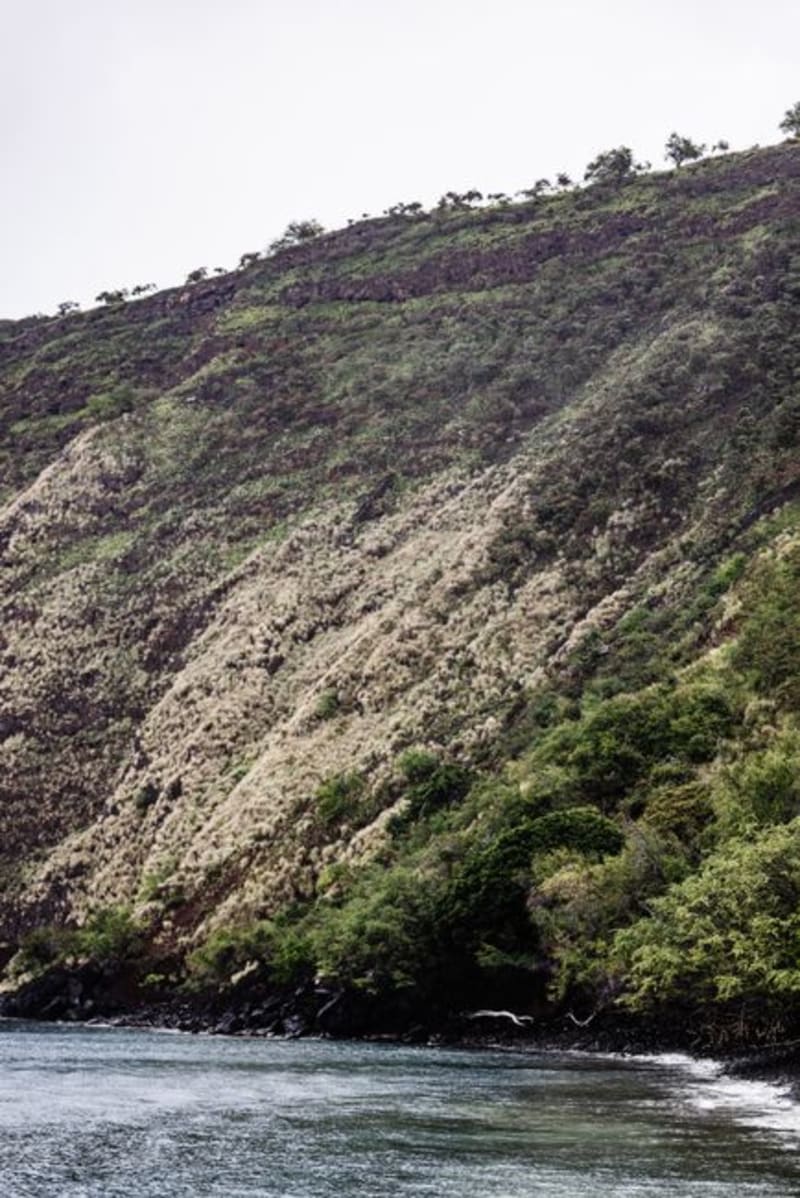 hawaii
 Hamakua Coast
Forty miles of sea cliffs, waterfalls, and old sugar towns on the Big Island's wild, wet windward shore.
Explore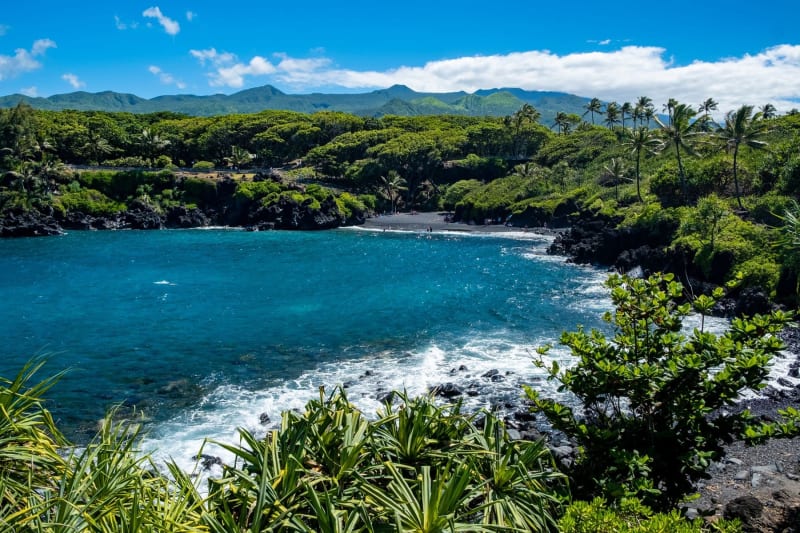 hawaii
 Hana Coast
Maui's legendary winding road past 617 curves, 59 bridges, and waterfalls pouring into black-sand pools.
Explore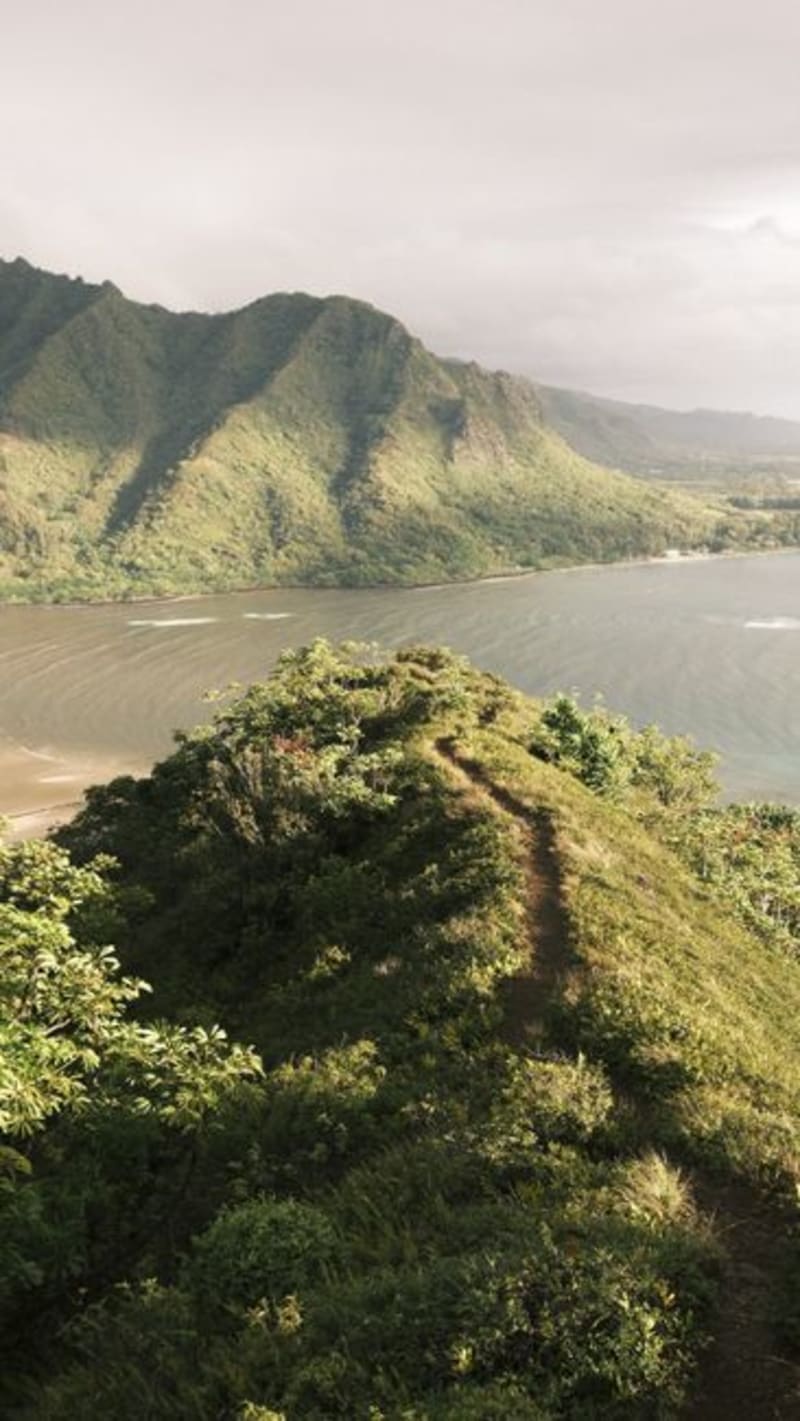 hawaii
 Hanalei Bay
The crescent bay and mountain-backed pier that launched a thousand sunset photos — and the small town that somehow still feels unhurried.
Explore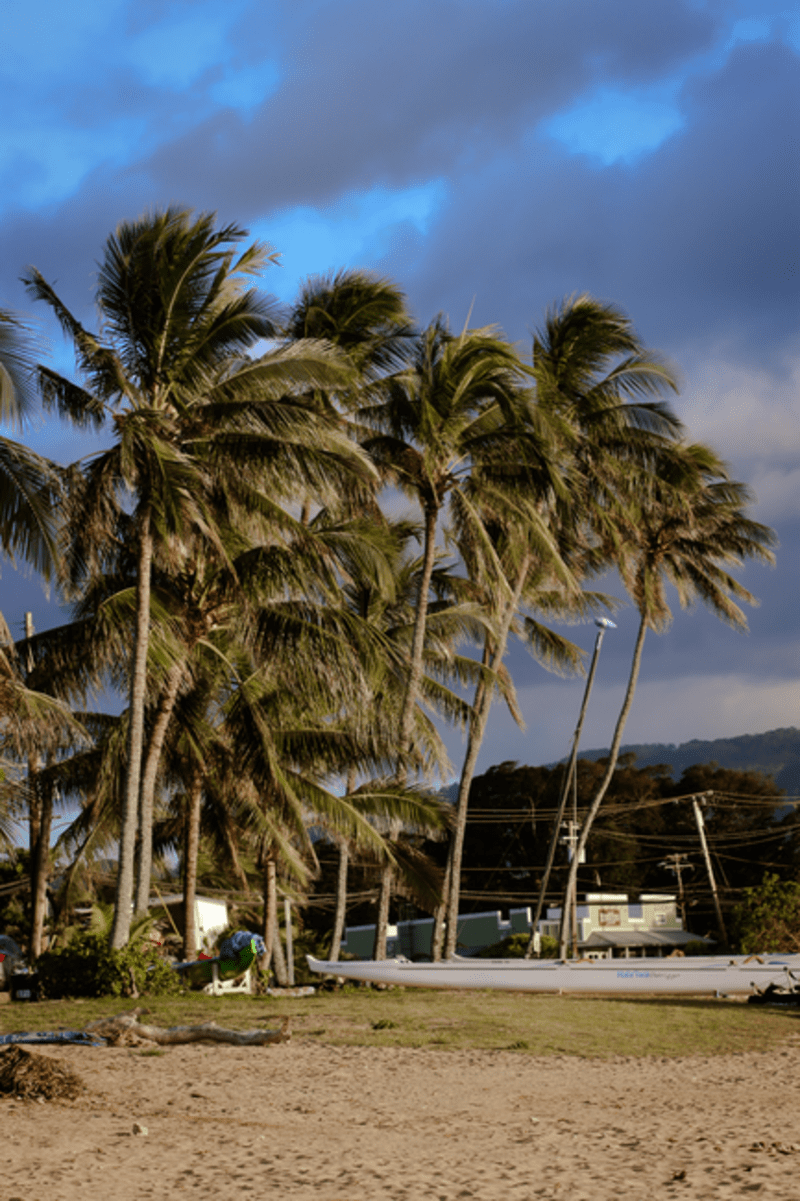 hawaii
 Hanapepe
A one-street plantation town on Kaua'i's west side that calls itself Hawai'i's biggest little town, and means it without irony.
Explore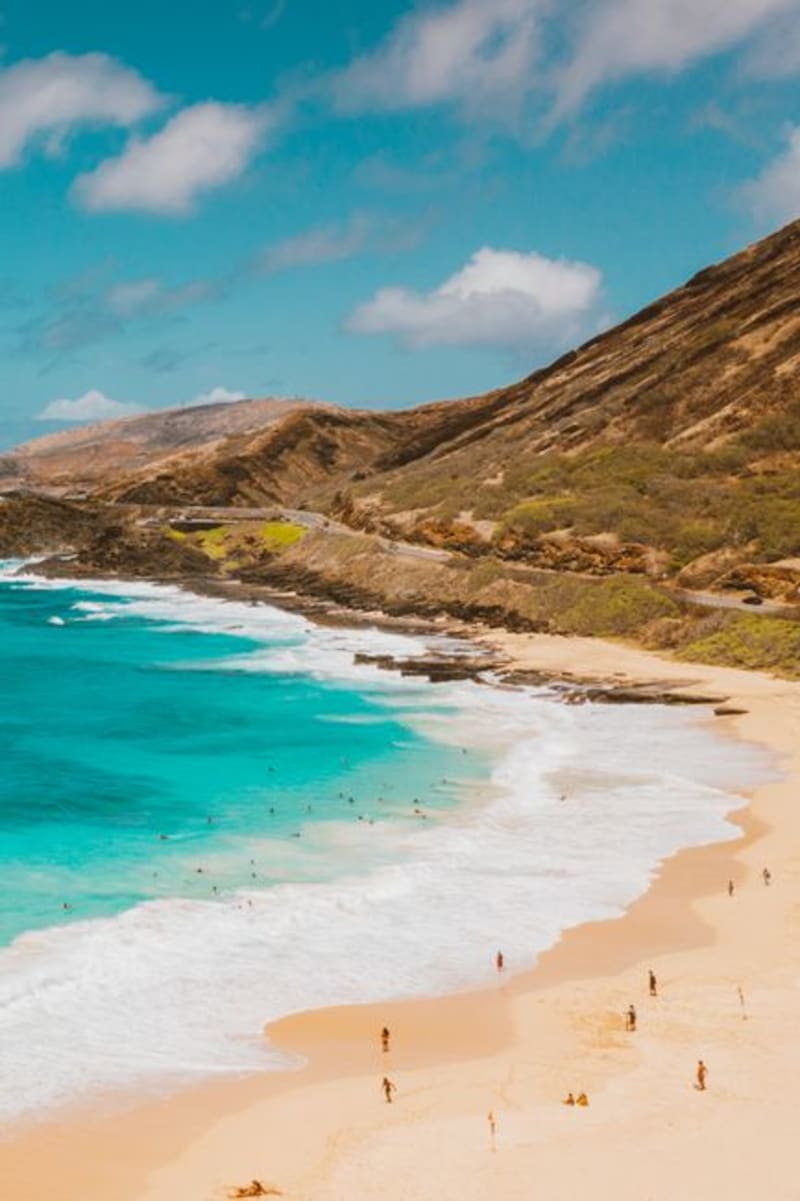 hawaii
 Hanauma Bay
A collapsed volcanic crater turned marine sanctuary, where a mandatory nine-minute video buys you an afternoon among sea turtles.
Explore