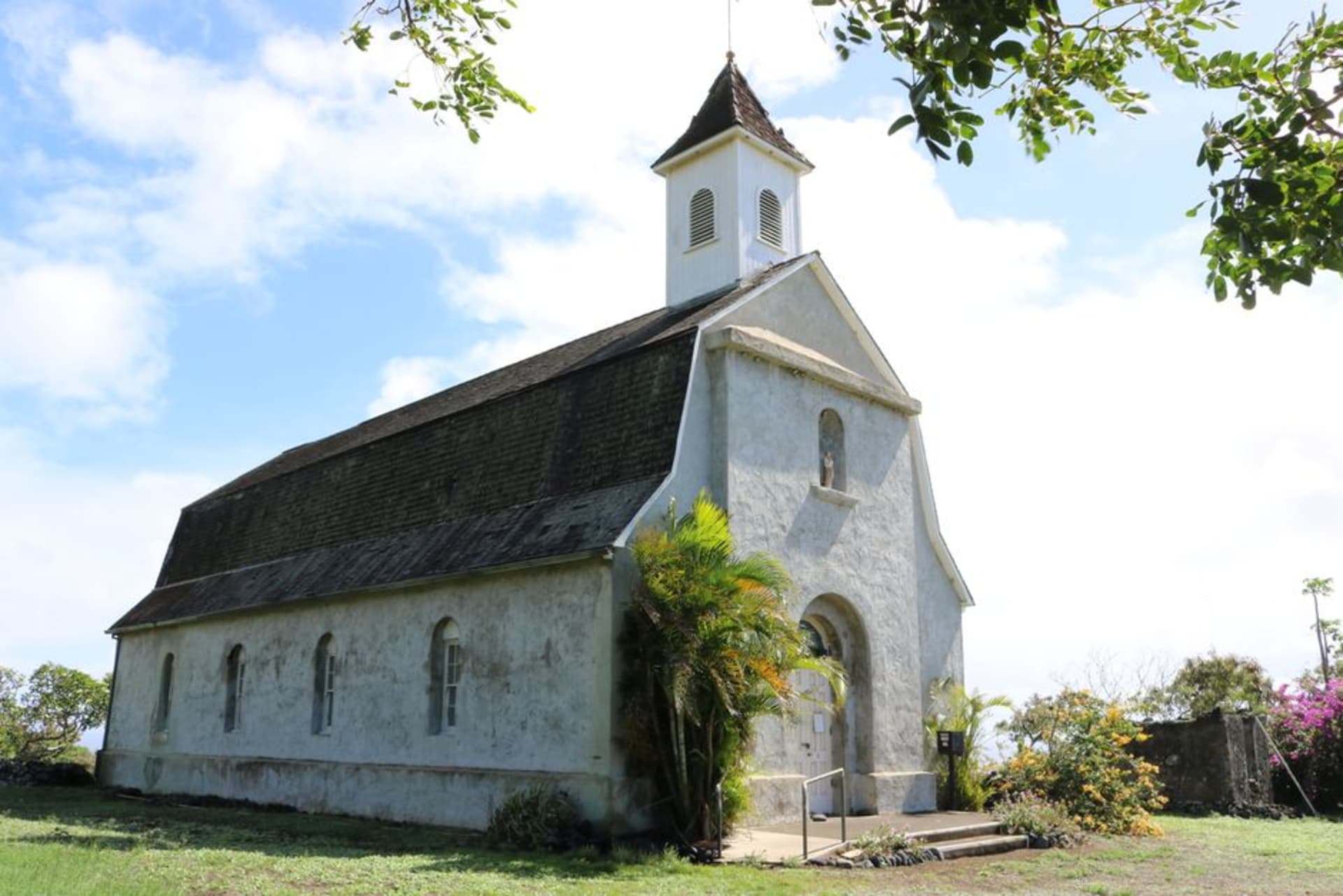
Father Damien's Church at Kalaupapa
"He arrived healthy to serve people society had already given up on. He didn't leave."
The small white church built by hand at the Kalaupapa settlement, where a Belgian priest chose exile alongside patients no one else would touch, and later died of the disease himself.
Inside the Kalaupapa settlement, past the small grid of former patient cottages, there’s a modest white wooden church that draws visitors from far beyond Hawaii — Catholics on pilgrimage, historians, and people like me who came mostly for the landscape and left thinking mostly about the man who built it.
A Priest Who Stayed
Father Damien de Veuster arrived at the Kalaupapa peninsula in 1873, a Belgian missionary assigned to a leprosy settlement that had, by most accounts, been left to fend for itself with minimal medical care, poor housing, and little dignity afforded to the people exiled there. He built homes, dug graves, treated wounds, and expanded the small church at Kalawao before the settlement’s population shifted to Kalaupapa proper. He contracted Hansen’s disease himself in the 1880s and died in 1889, having spent sixteen years choosing to live among people the rest of the world had quarantined out of sight.
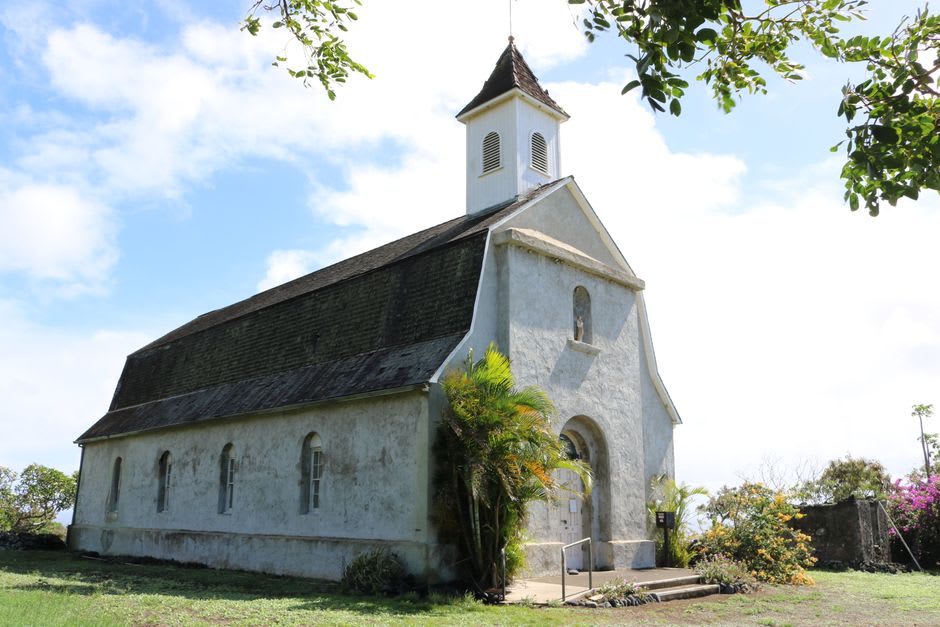
Standing Inside a Small, Enormous Story
The church itself is unadorned — plain pews, simple windows, a bell tower that looks almost improvised compared to the grand cathedrals I’d seen in Europe growing up. That plainness is the point. Nothing about it was meant to impress; everything about it was meant to function for people who had been stripped of nearly everything else. Our guide, himself a longtime Kalaupapa resident, spoke about Damien not as a distant historical figure but as someone whose decisions still shape how the settlement operates and is remembered today.
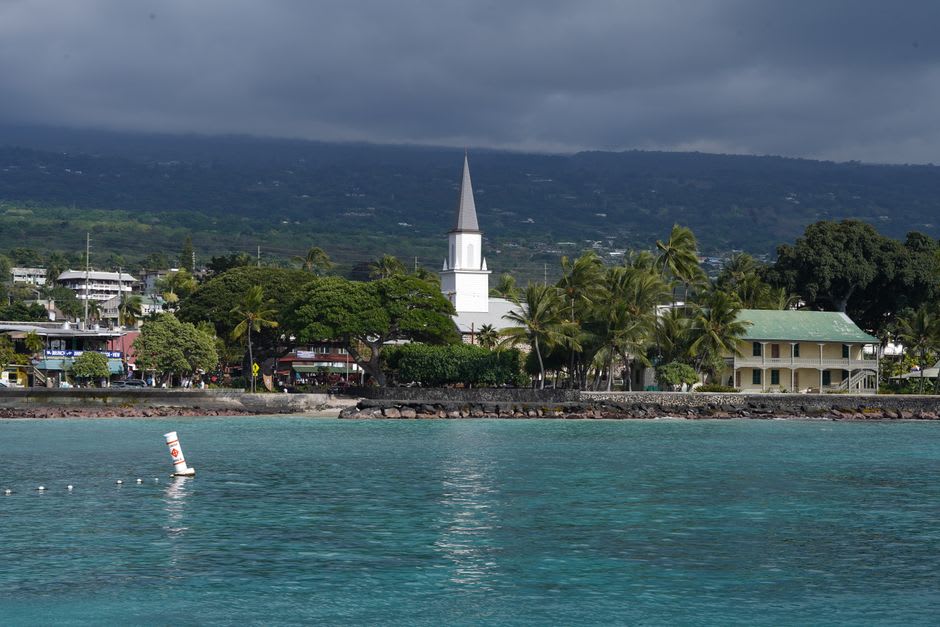
Damien was canonized in 2009, and the church draws a steady trickle of religious visitors alongside the history-minded ones, but nothing about the visit felt like a shrine performing significance. It felt like a small building that had genuinely mattered to real people, in a place still recovering from what happened there.
When to go: Access requires a permit and typically the mule trail or a flight into the settlement, arranged well in advance through the licensed tour operators — this isn’t a walk-up stop. Visit any time of year the trail and tours are running; the history holds the same weight regardless of season.
Keep exploring
More from Hawai'i
 hawaii
 Dole Park
The plantation-era town square at the heart of Lanai City, ringed by Norfolk pines and faded storefronts, where the whole island still gathers for anything worth gathering for.
Explore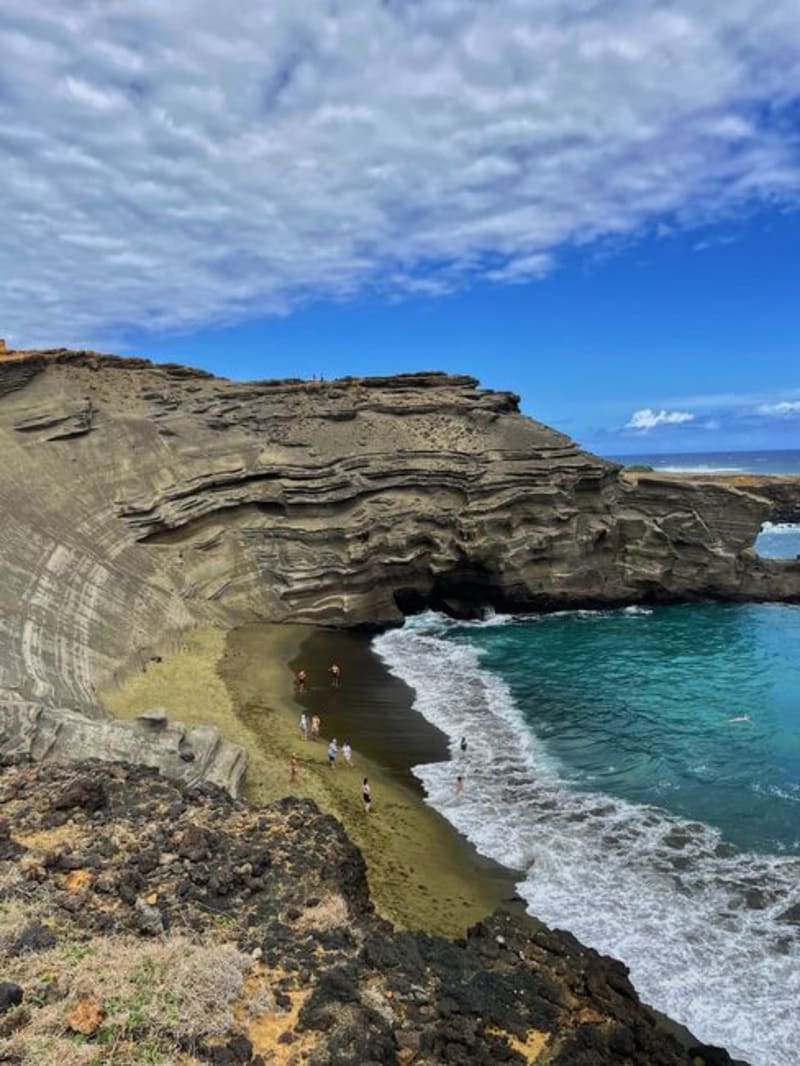 hawaii
 Green Sand Beach
A remote olivine-crystal beach near South Point, reached by a rutted coastal walk or a bone-rattling truck ride along the island's windiest edge.
Explore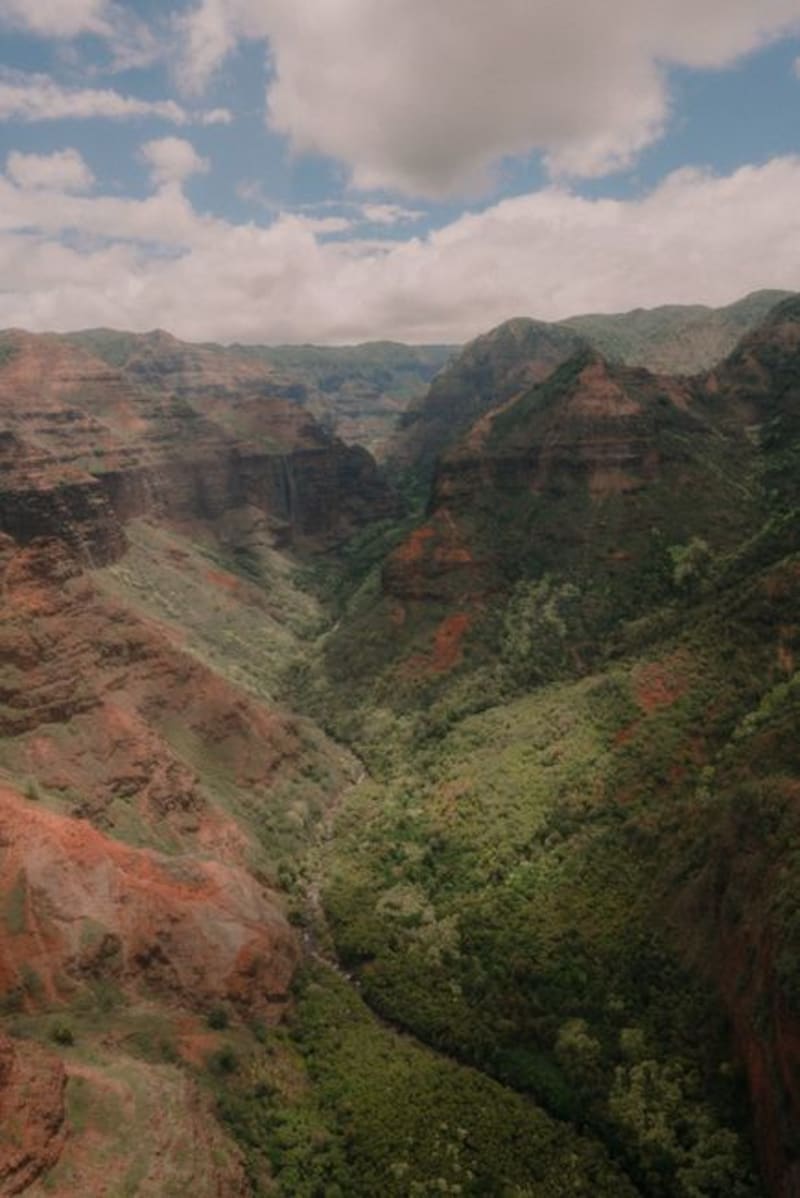 hawaii
 Halawa Valley
Molokai's oldest continuously inhabited valley, reachable only by guided hike, where a Native Hawaiian family shares taro farming traditions dating back a thousand years.
Explore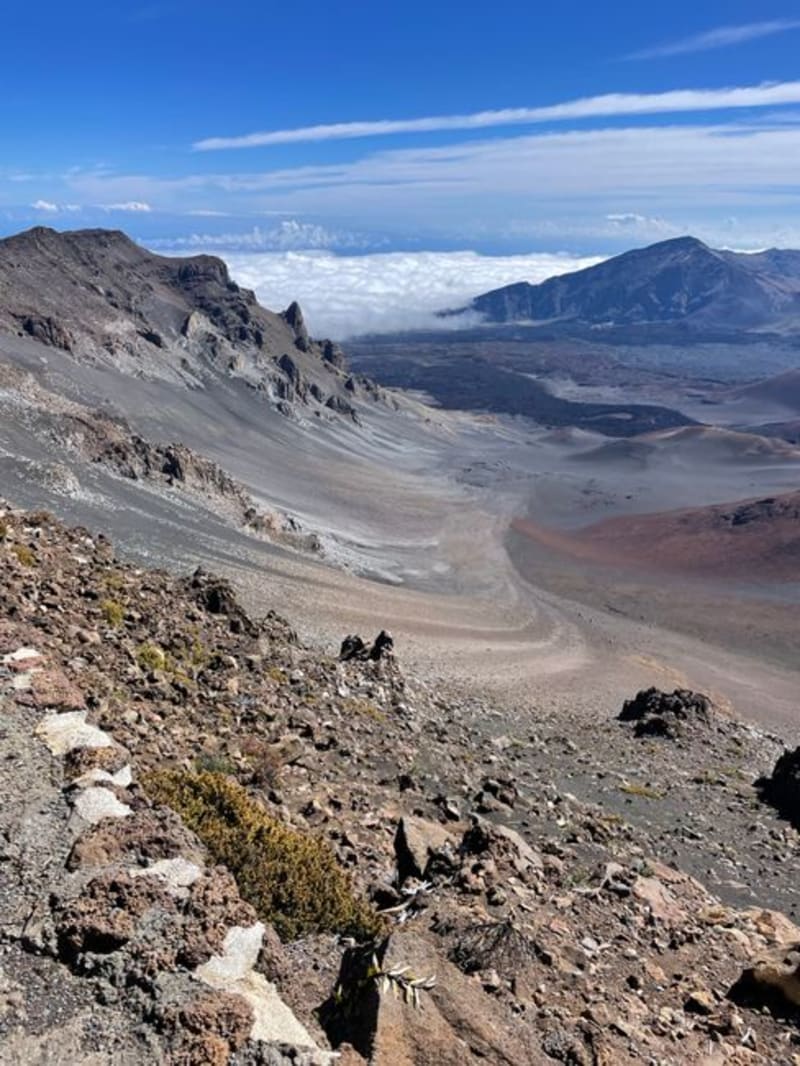 hawaii
 Haleakalā Summit
A 3,000-meter volcano where you drive from sea level into the cold before dawn to watch the sun rise above the clouds.
Explore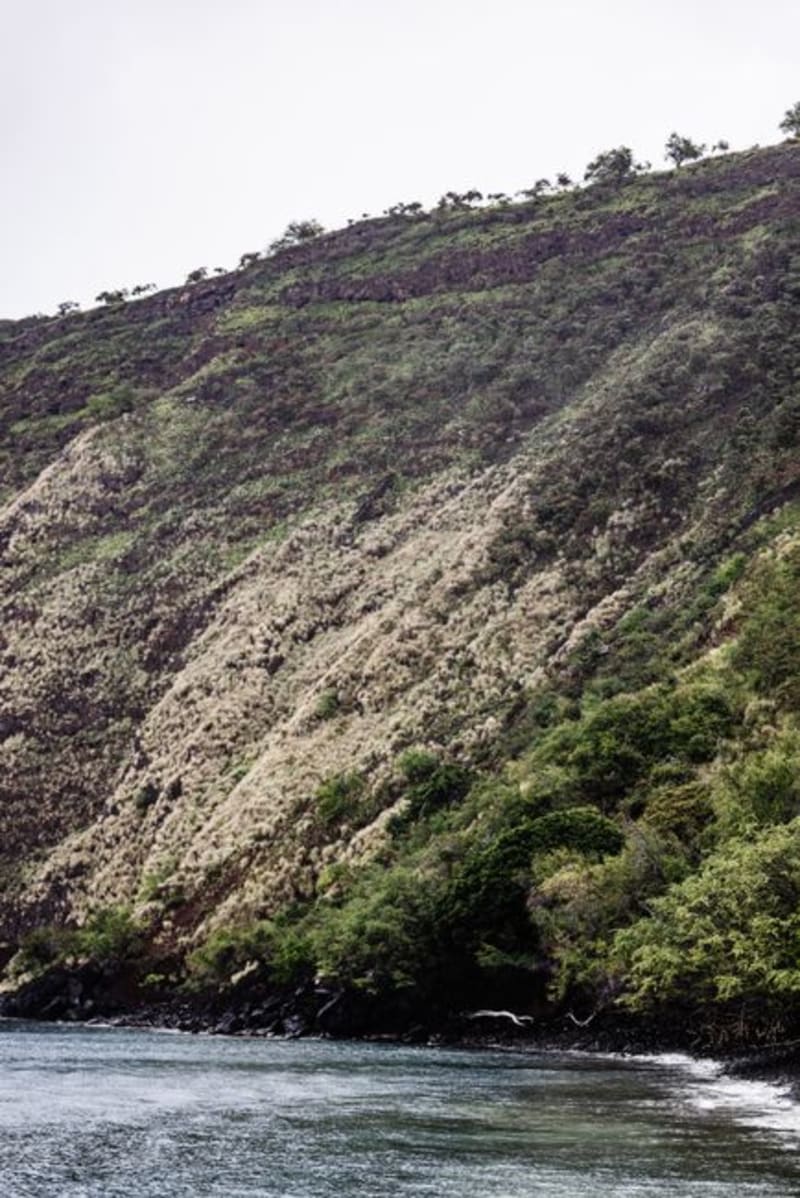 hawaii
 Hamakua Coast
Forty miles of sea cliffs, waterfalls, and old sugar towns on the Big Island's wild, wet windward shore.
Explore hawaii
 Hana Coast
Maui's legendary winding road past 617 curves, 59 bridges, and waterfalls pouring into black-sand pools.
Explore