Cửa Vạn Floating Village
"The government wants the villages pristine, which means emptier. The residents want something else entirely."
We arrived at Cửa Vạn by kayak, rounding a karst wall at the end of a channel and suddenly finding the village spread before us in the bowl of a protected cove. Three hundred houses on the water — floats made of barrels and polystyrene, connected by plank walkways that bobbed underfoot, the whole settlement smelling of fish, outboard fuel, and something cooking that I tracked to a woman stirring a blackened pot over a gas burner balanced on the edge of her floating porch. She glanced up, assessed me as harmless, and went back to stirring.
Cửa Vạn is the largest of Hạ Long Bay’s remaining floating communities — a settlement where families have lived on the water for generations, fishing for squid, grouper, and shrimp in a bay that, for the people who actually inhabit it, is not a UNESCO World Heritage Site but a place of work. The village has an elementary school on a pontoon, a small clinic, a Buddhist altar floated on a platform strung with orange marigolds. Children paddle themselves to school in round bamboo coracles with a competence that makes every adult on a tour boat feel vaguely inadequate.

The story of Cửa Vạn over the past decade is complicated and uncomfortable. Vietnamese authorities, responding in part to UNESCO World Heritage management requirements, have pressured many floating village residents to relocate to land-based housing on Cat Bà island and in Hạ Long City. The argument runs that the villages contribute to water pollution and degrade the heritage site. The counterargument — made by the villagers themselves and by anthropologists who study them — is that these communities are part of the heritage, not a threat to it, and that the fishing culture they carry is irreplaceable once dispersed into apartment blocks. Several hundred families remain. More leave each year.

I spent two hours kayaking the channels of the village, watched a man repair a net the size of a house, bought dried squid from a woman who kept her stock in a cooler lashed to her railing, and felt the particular discomfort of being a tourist in someone’s home without quite being invited. The woman with the pot didn’t offer me any, which was correct. But she nodded when I left, which felt like enough.
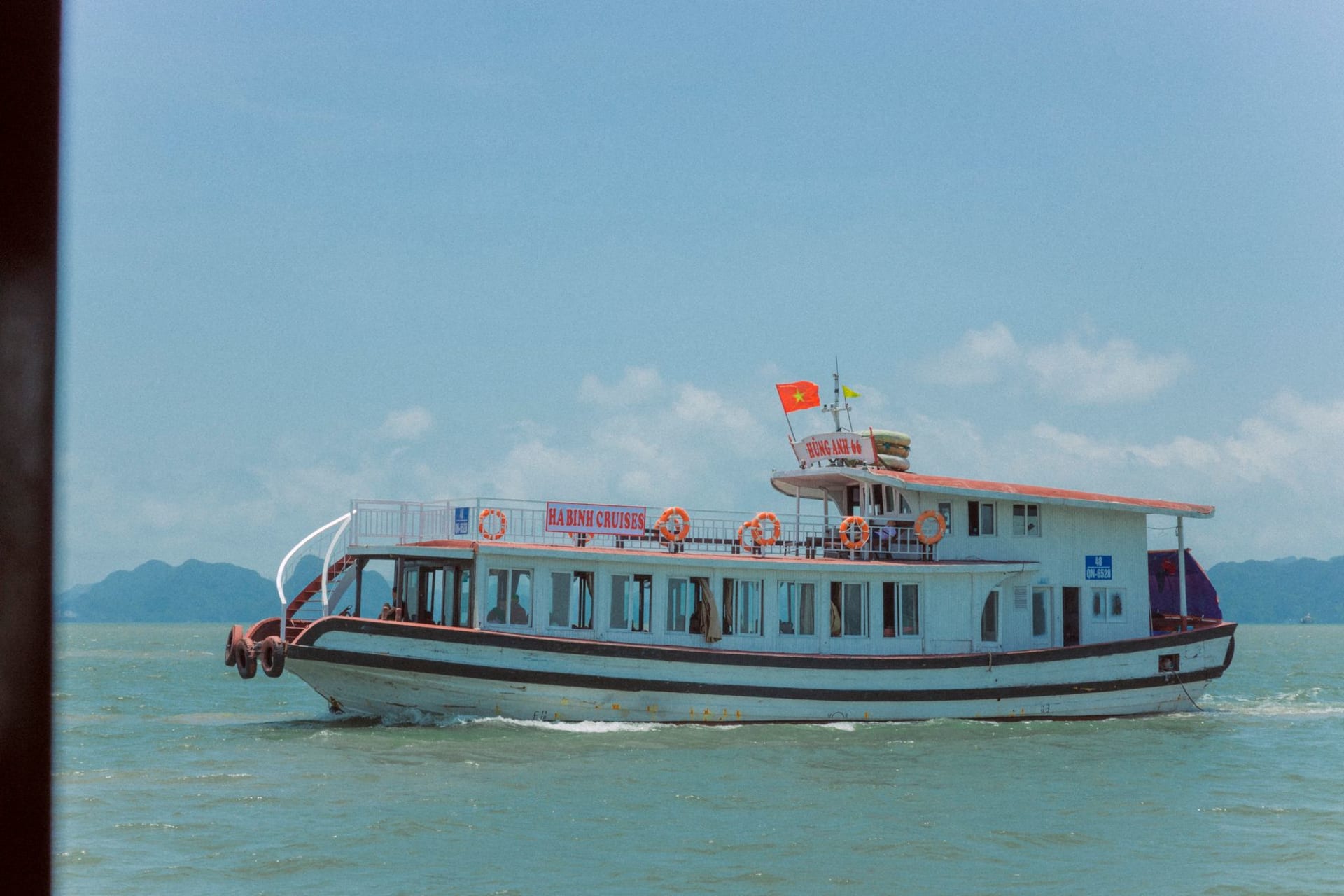
When to go: The floating village is accessible year-round as part of a bay cruise, but the experience is best in the morning before the cruise boats from Hạ Long City arrive in numbers. Arrange a kayak excursion departing before seven AM, or stay aboard an overnight cruise that includes Cửa Vạn on its route.