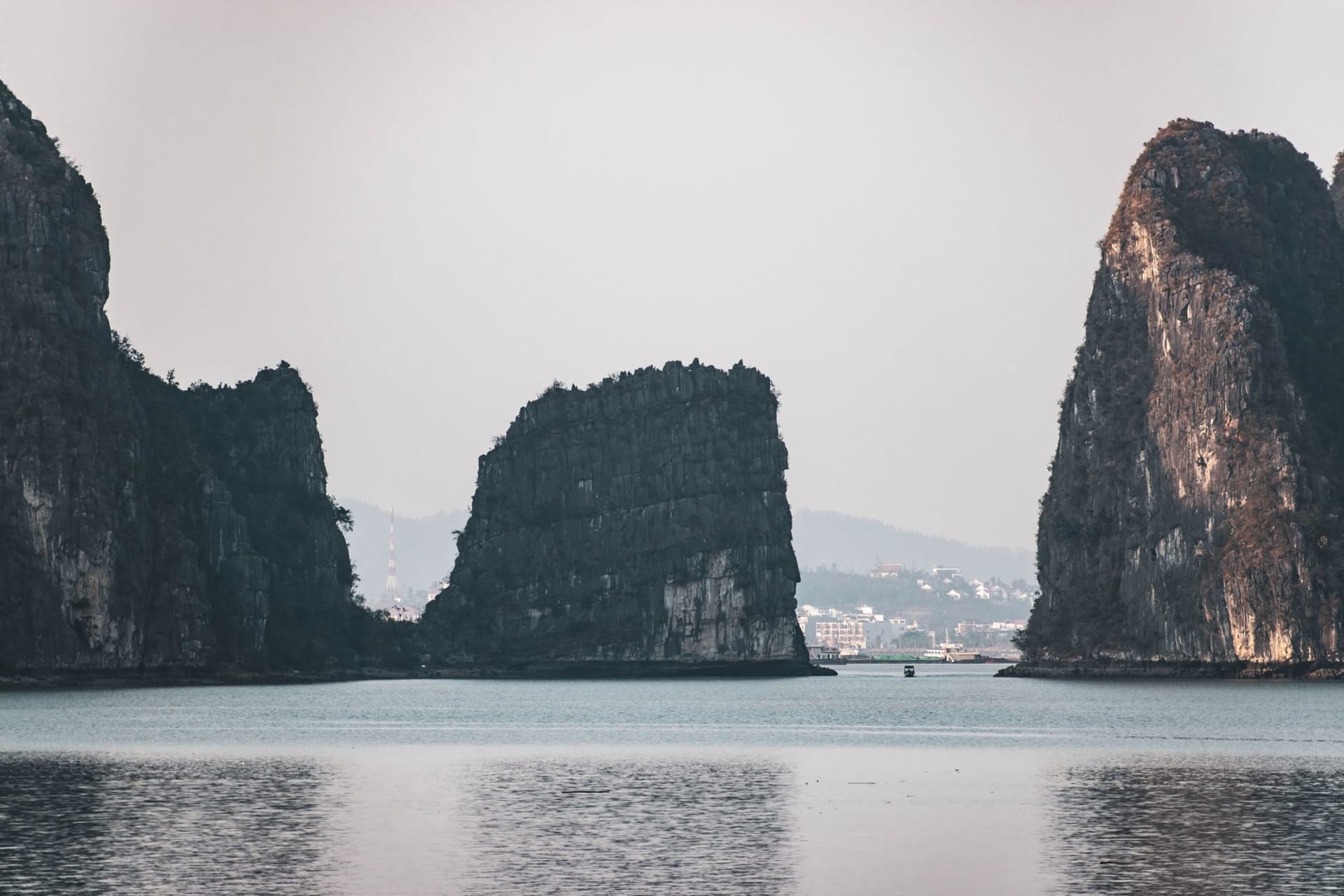
Cat Bà Island
"The golden-headed langur exists nowhere else on Earth. Cat Bà keeps it like a secret it can barely keep."
The ferry from Hải Phòng takes about forty-five minutes and deposits you at Cat Bà Town with something close to whiplash. The harbor is dense with activity — squid boats stacked with blue light rigs for night fishing, women selling steamed corn from carts, a row of hotels climbing the hillside with the particular optimism of places that have discovered tourism and can’t quite believe it yet. After the gauze and silence of the open bay, the noise is almost a relief.
Cat Bà Town itself is a study in contrast. The main strip along the waterfront is tourist infrastructure — dive shops, travel agencies, seafood restaurants with tanks out front — but walk one block inland and the town becomes a Vietnamese fishing community living its own life without much reference to you. Morning markets appear and vanish. Old men play chess in the shade of shuttered storefronts. The smell is of fish sauce, diesel, and the particular damp of a harbor town that faces southwest.
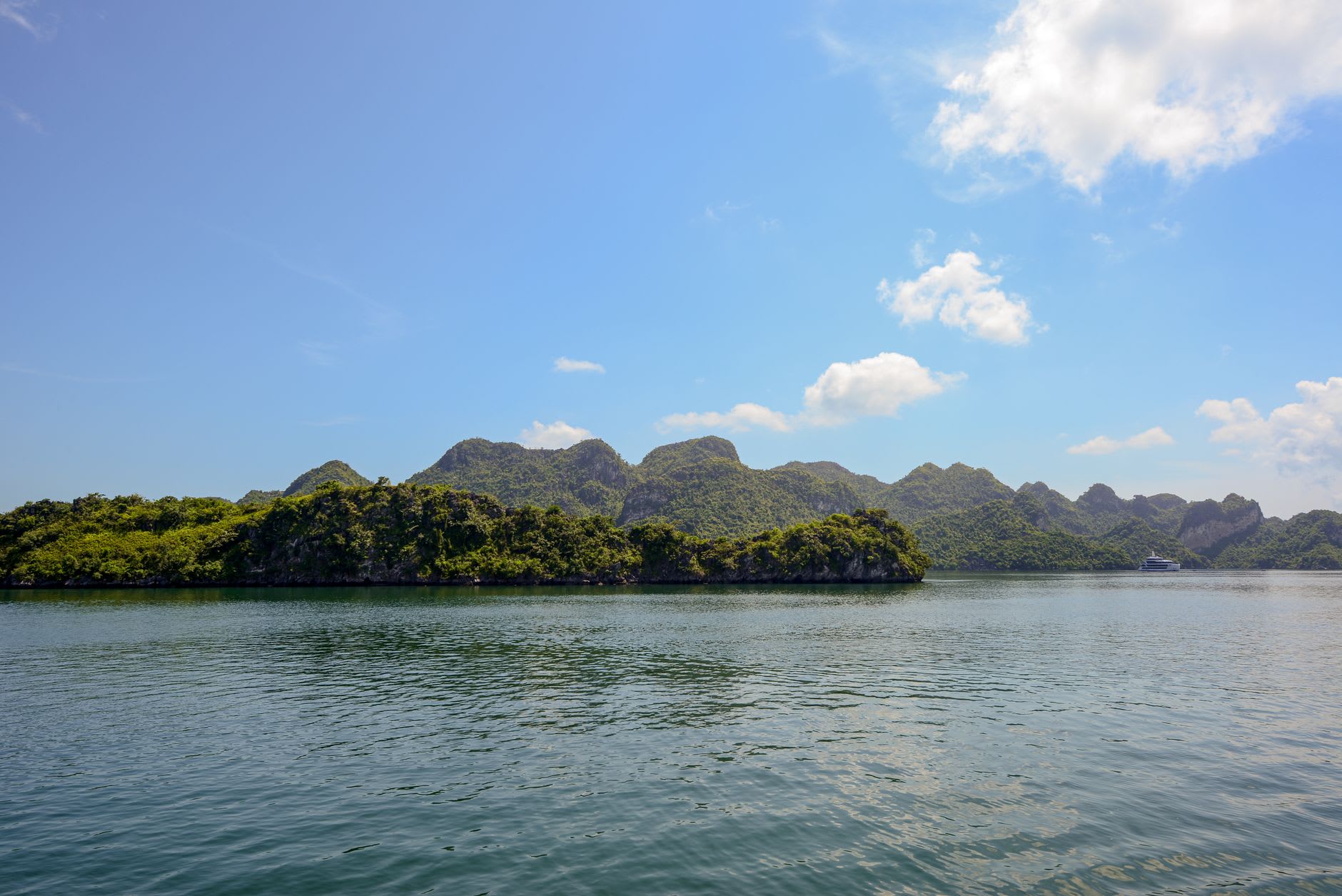
The national park that covers most of the island’s interior is where the mood changes entirely. The path through primary jungle is uneven and climbs quickly — within twenty minutes of the trailhead I was soaked, the canopy closing overhead and turning the light green. I came for the golden-headed langur, one of the world’s rarest primates, found only on Cat Bà. A park ranger named Hoàng, who walked the circuit daily and clearly found most visitors exhausting, told me that sightings depend entirely on time of day and, frankly, luck. At dusk, climbing toward Hospital Cave, I caught them — three in a fig tree above the path, their gold heads catching the last light, absolutely indifferent to my camera. I stood very still for a long time.
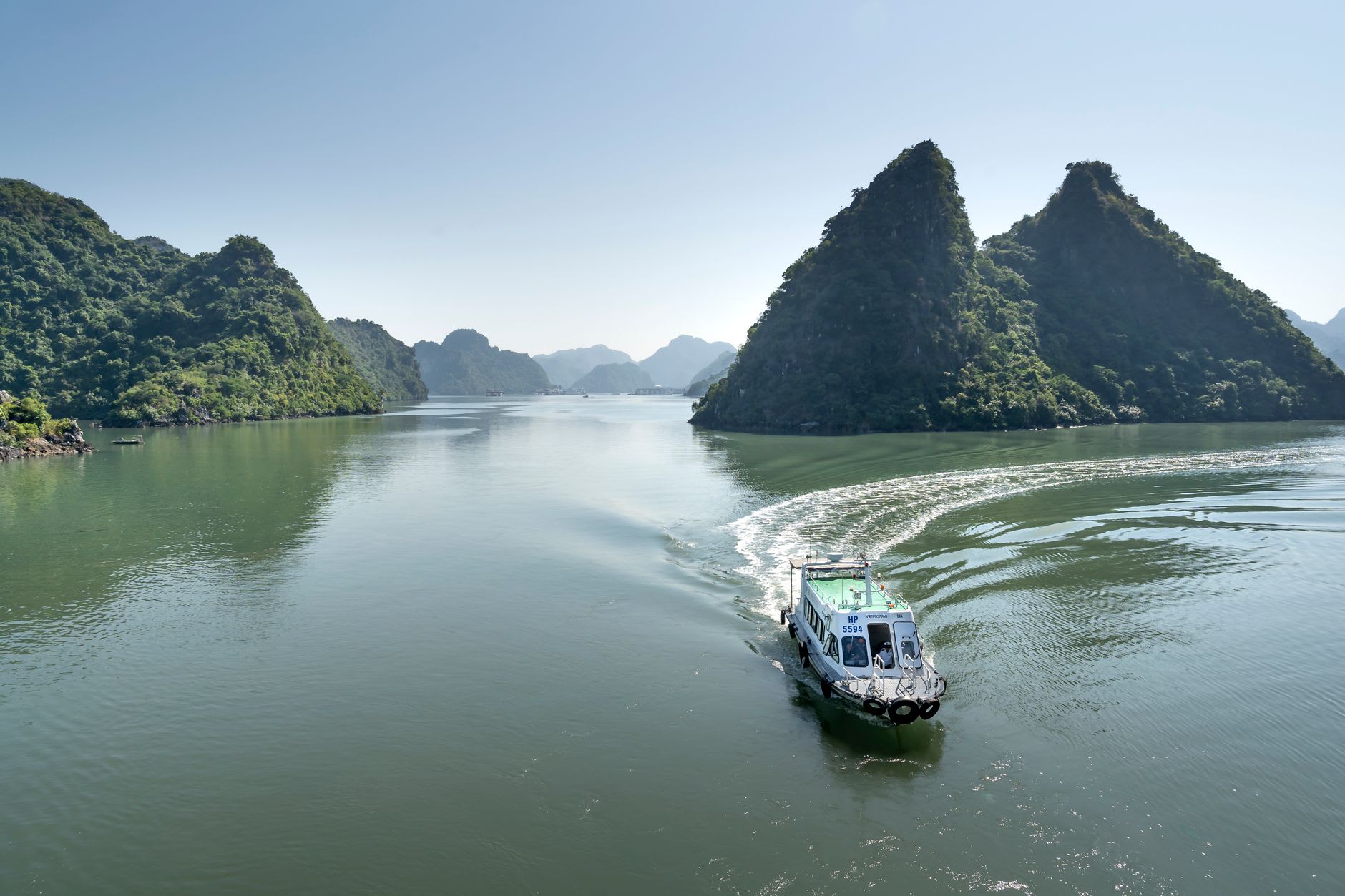
Hospital Cave itself is something else — a series of chambers built into the limestone in the late 1960s as a secret military hospital and command center, used by the North Vietnamese Army throughout the American War. The tiled floors, the operating room, the generator room: all maintained in a kind of clinical time-stop. It’s sobering and fascinating in equal measure, a completely different register of geology than the cave formations that draw most visitors to the bay.
When to go: October through April is the dry season and the most comfortable time to visit — the national park trails are passable, the sea is calmer, and temperatures hover around 18–25°C. May through September brings heat, humidity, and the possibility of typhoons. If you must visit in summer, langur sightings are reportedly better in the early morning before the heat drives them into the canopy.