Fort Jacques
"We climbed through pine trees to reach a fort built for a war that never came."
A crumbling mountaintop fortress above Port-au-Prince, built to defend a young nation's freedom and now standing silent in the pines.
Lia and I hired a driver in Pétion-Ville who kept glancing in the rearview mirror, half amused, as we asked him to take us up toward Kenscoff. The road climbs fast out of the city, the air thinning and cooling with every switchback, until Port-au-Prince below turns into a smudge of tin roofs and haze. By the time we stepped out near the trailhead, I’d forgotten we were still in the same country I’d landed in that morning — the heat had given way to something almost alpine, pine needles crunching underfoot instead of dust.
Fort Jacques was built between 1804 and 1806, in the raw, uncertain years right after Haiti won its independence, when General Alexandre Pétion feared the French might try to come back and take it all again. He named it for Jean-Jacques Dessalines, the revolutionary leader whose shadow still hangs over everything up there. Standing inside the thick stone walls, I kept thinking about how much fear and hope must have gone into building something this massive, this fast, in the mountains — and how it never once fired a shot in anger. Neither Fort Jacques nor its neighbor, Fort Alexandre, was ever attacked. Pétion abandoned both not long after, following Dessalines’s assassination in 1806, though he went on to become Haiti’s first president.
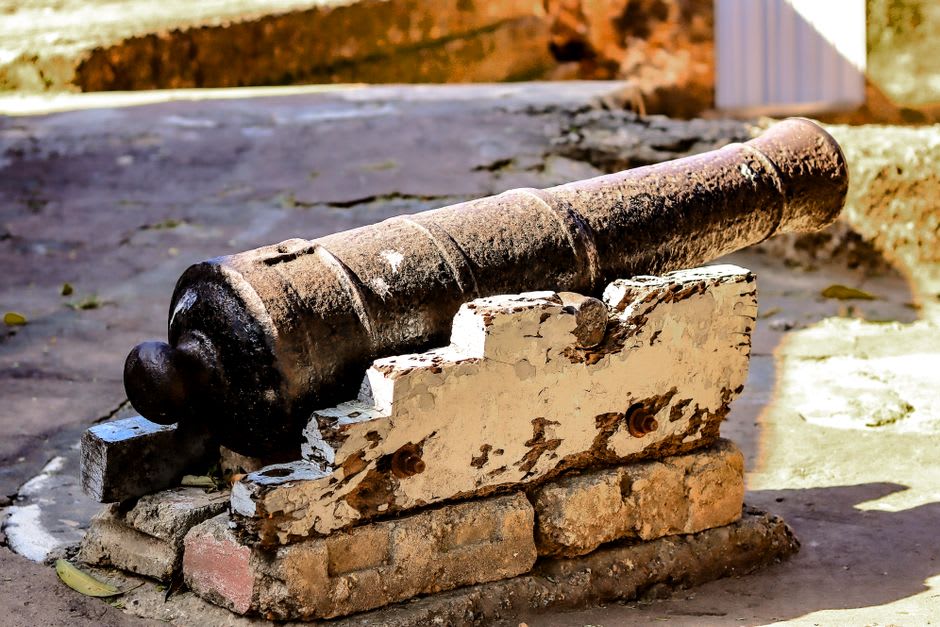
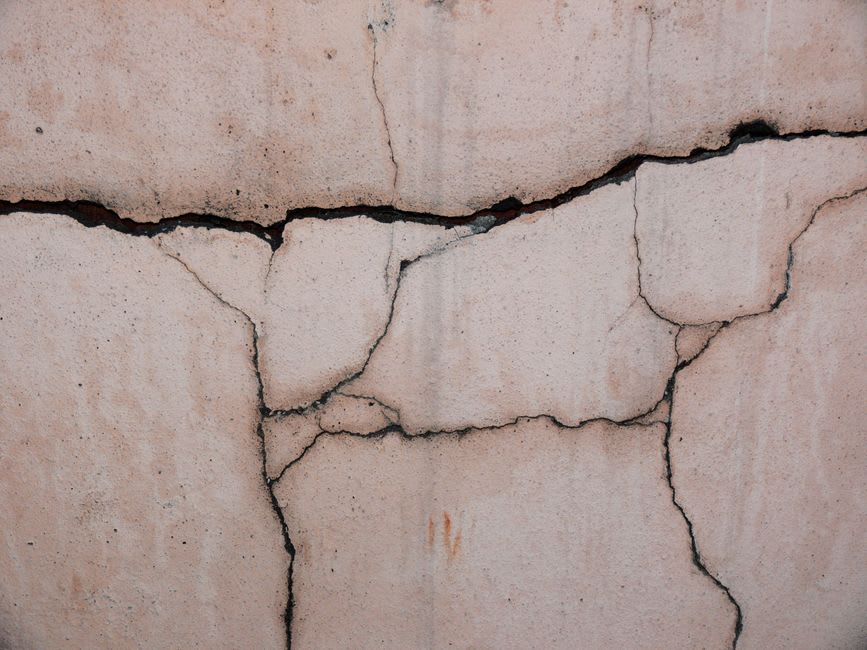
What struck me most was the quiet abandonment of the place. Declared a national heritage site by presidential decree back in 1995, Fort Jacques still bears the scars of the 2010 earthquake — cracked archways, walls that lean at angles that made Lia grab my arm more than once. We wandered for nearly two hours without seeing another visitor, just a couple of local kids selling cold drinks near the entrance who seemed as curious about us as we were about the fort. There’s no ticket booth, no gift shop, nothing polished about it. It felt less like a monument and more like a secret the mountain was still keeping.
We sat on a low wall near the edge, looking out over the valley toward the Caribbean, and I remember Lia saying it felt strange to be somewhere built entirely out of dread for an invasion that never arrived — a monument to a war that stayed hypothetical. That contradiction has stuck with me since: all that labor, all that stone hauled up a mountain, guarding against a ghost. It’s one of the most quietly moving places I’ve visited in Haiti, precisely because nothing dramatic ever happened there.
When to go: We went in February, right in the dry season that runs from December to March, and the trail up was firm and easy underfoot — I’d stick to those months, since the hike turns into a slog once the rains soften the mountain paths.
Keep exploring
More from Haiti
 haiti
haiti Île-à-Vache
A small island off Haiti's southern coast where the roads are footpaths, the fish comes straight off the boat, and the pace of life is genuinely, structurally slow.
Explore haiti
haiti Île de la Tortue
A turtle-shaped island off Haiti's north coast where pirate history and quiet fishing villages share the same shoreline.
Explore haiti
haiti Jacmel
The south's art capital has gingerbread houses, a papier-mâché tradition that turns the streets into theater every February, and a beach that takes no photographs.
Explore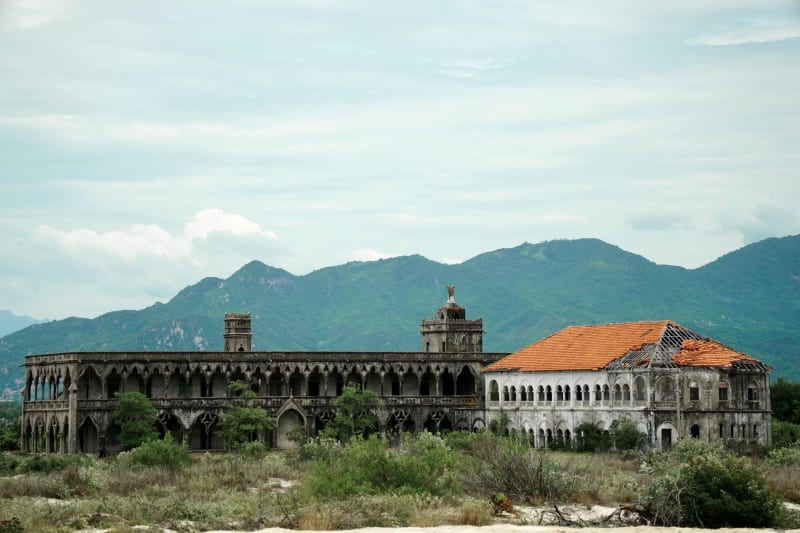 haiti
haiti Kenscoff
A mountain village above Port-au-Prince where pine forests grow at 1500 meters, strawberries ripen in the cool air, and the city below becomes a concept rather than a noise.
Explore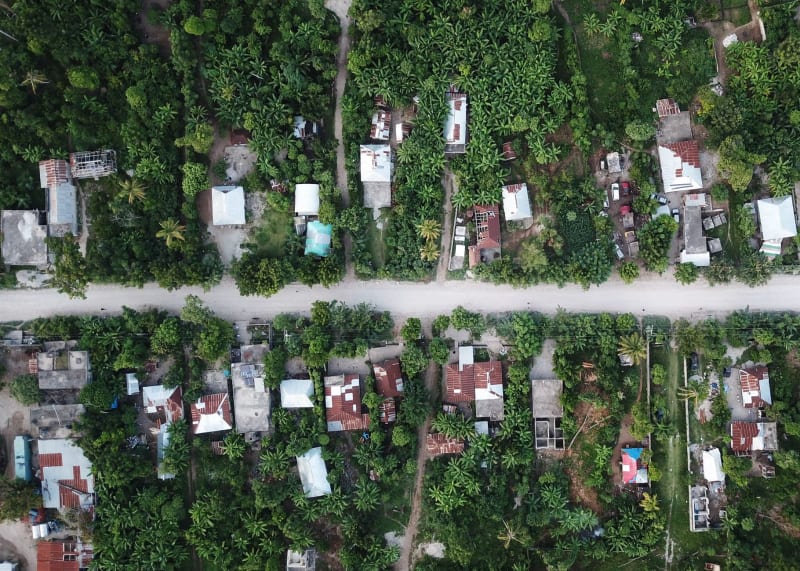 haiti
haiti Labadie
A peninsula of extraordinary beauty near Cap-Haïtien where the Caribbean's clearest water meets a beach that has somehow survived everything Haiti has been through.
Explore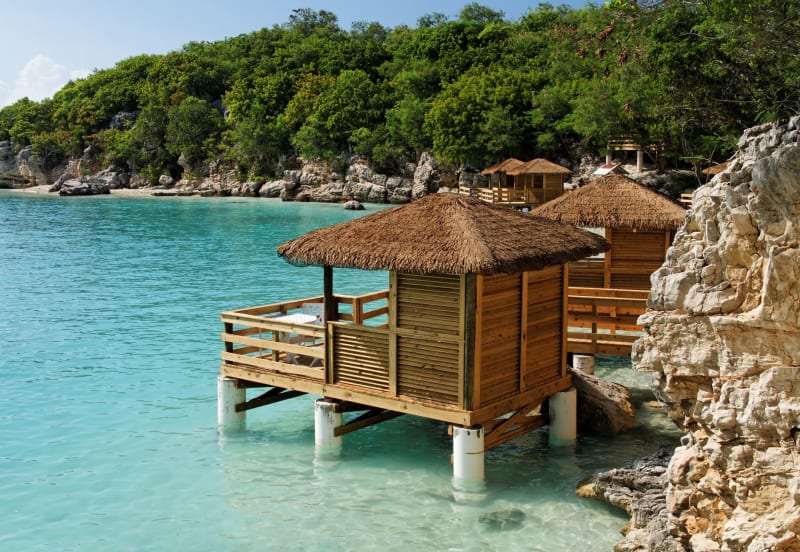 haiti
haiti Les Cayes
Haiti's southern capital is a port city with a rum tradition, a seafood culture, and a quiet self-sufficiency that the north never quite matches.
Explore