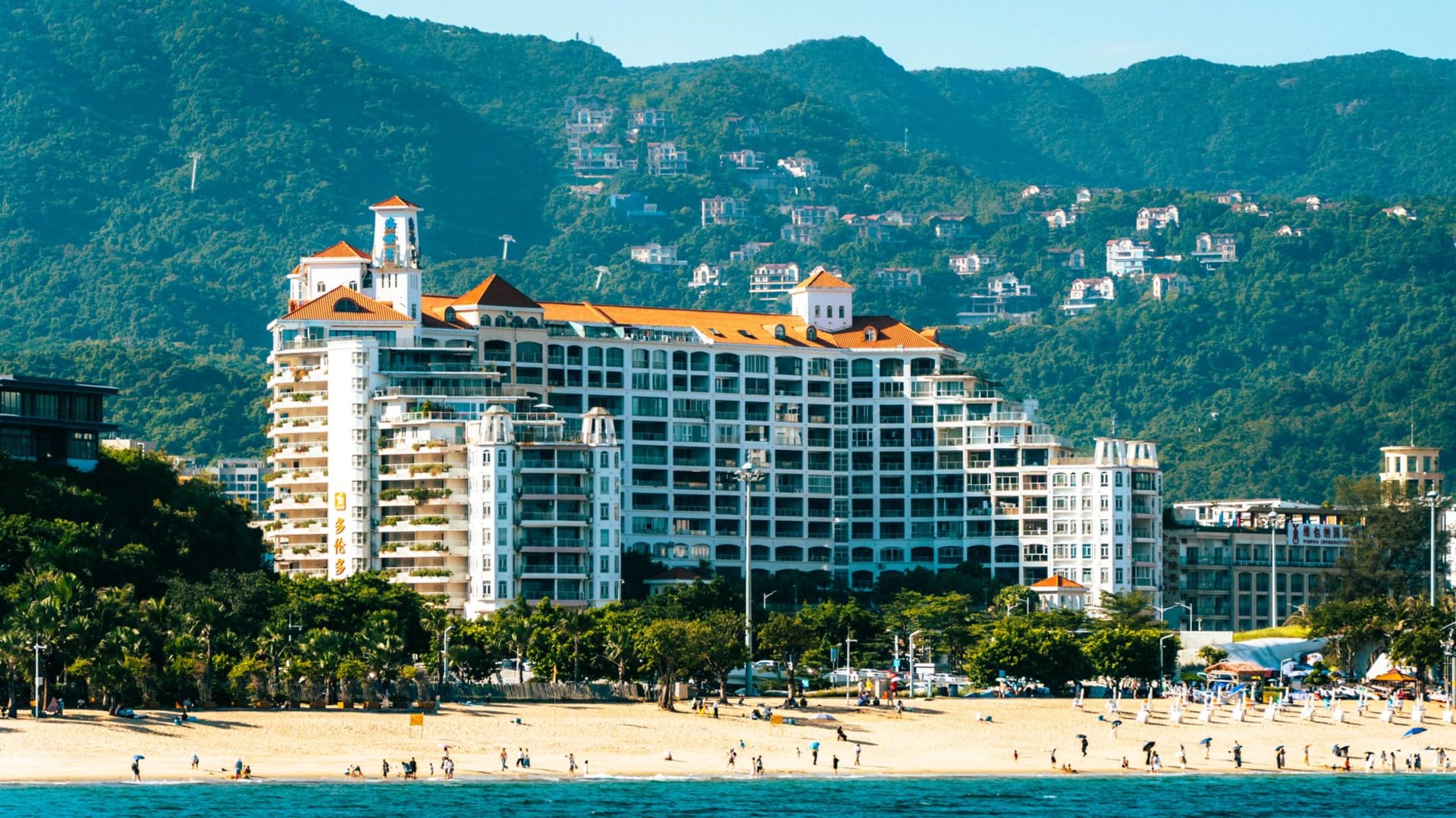
Yalong Bay
"The water here is the kind of blue that makes you question every beach you have previously described as blue."
The taxi driver pointed at the sea from the highway, twelve kilometres before we arrived, and I understood why. Even from a distance, through the glass and the humidity, the water of Yalong Bay had a colour that seemed deliberate — a turquoise that sat between blue and green with the precision of something dyed. By the time I walked down through the resort grounds to the actual sand, I had already revised my expectations upward twice. Then I waded in and found it was cooler than I expected and clearer than I had any right to hope for, and I stopped thinking about revising anything and just floated there for a while, looking at my own feet on the sandy bottom three metres below.
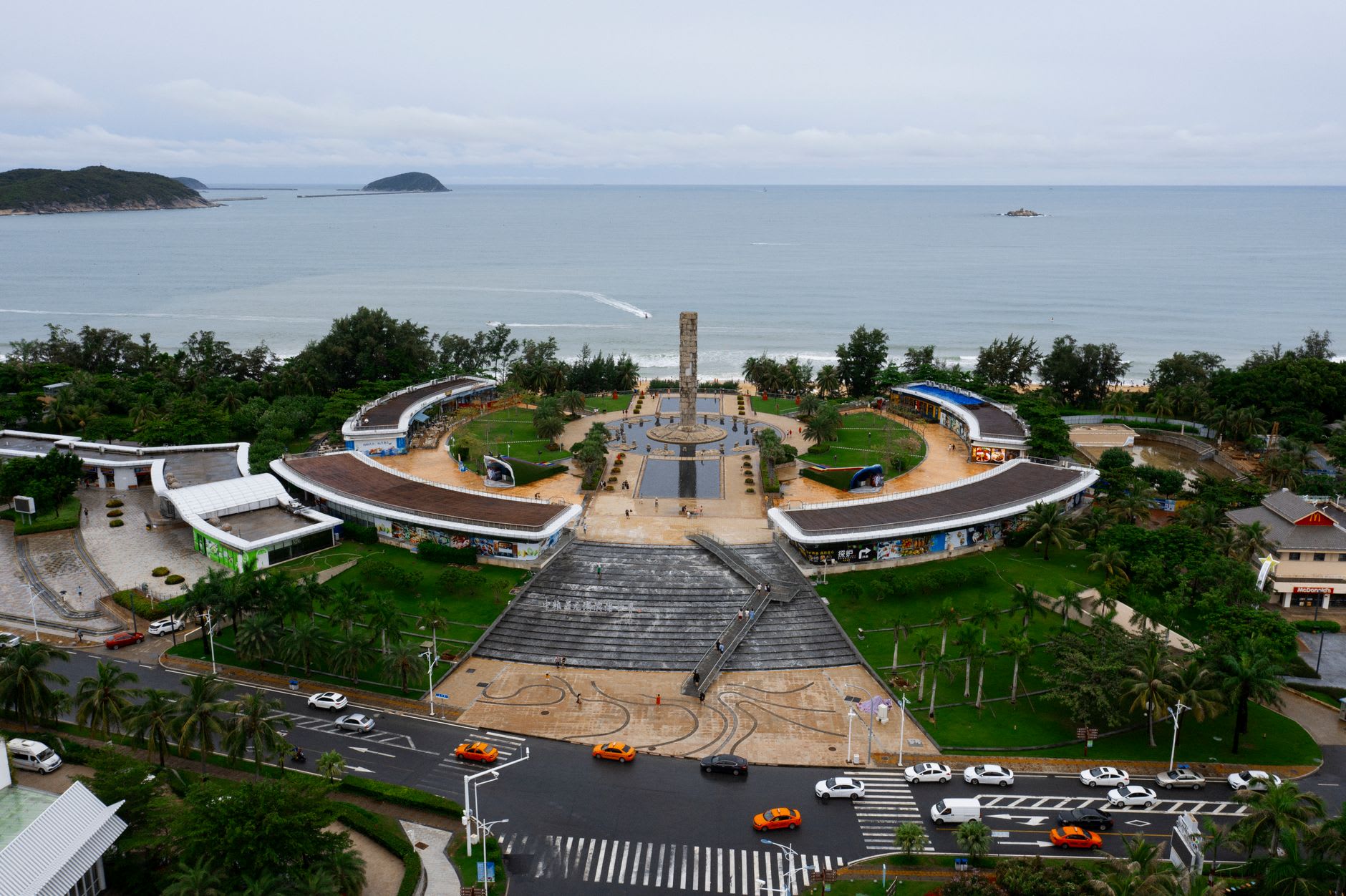
The bay is a crescent of about seven kilometres of beach, backed by a corridor of five-star hotels — Hilton, Sheraton, Marriott, and a cluster of Chinese luxury brands I did not recognise. The resort architecture is ambitious in that particular Chinese way: enormous lobbies with marble and cascading water features, gardens that are too perfect to feel natural. But the beach itself belongs to everyone. A public access path runs along the sand between the resort gates, and for a few yuan you can walk the full length without booking a room. The snorkelling at the eastern headland is genuinely worthwhile — the reef is patchy but the fish are numerous, and the water visibility is unlike anything you will find at most beaches at this latitude.
What I found interesting, spending three days there, was watching the demography of the beach shift through the day. By seven in the morning, before the heat arrived, local families were already setting up elaborate picnic arrangements with folding furniture and coolers full of fruit. By eleven the resort guests had arrived with their sun loungers and SPF 50 and the beach had split into two separate worlds operating in comfortable parallel. By four the light had turned gold and everyone — local families, resort guests, the hawkers selling coconut water from mobile carts — had reached some unofficial truce and the beach simply became beautiful together.
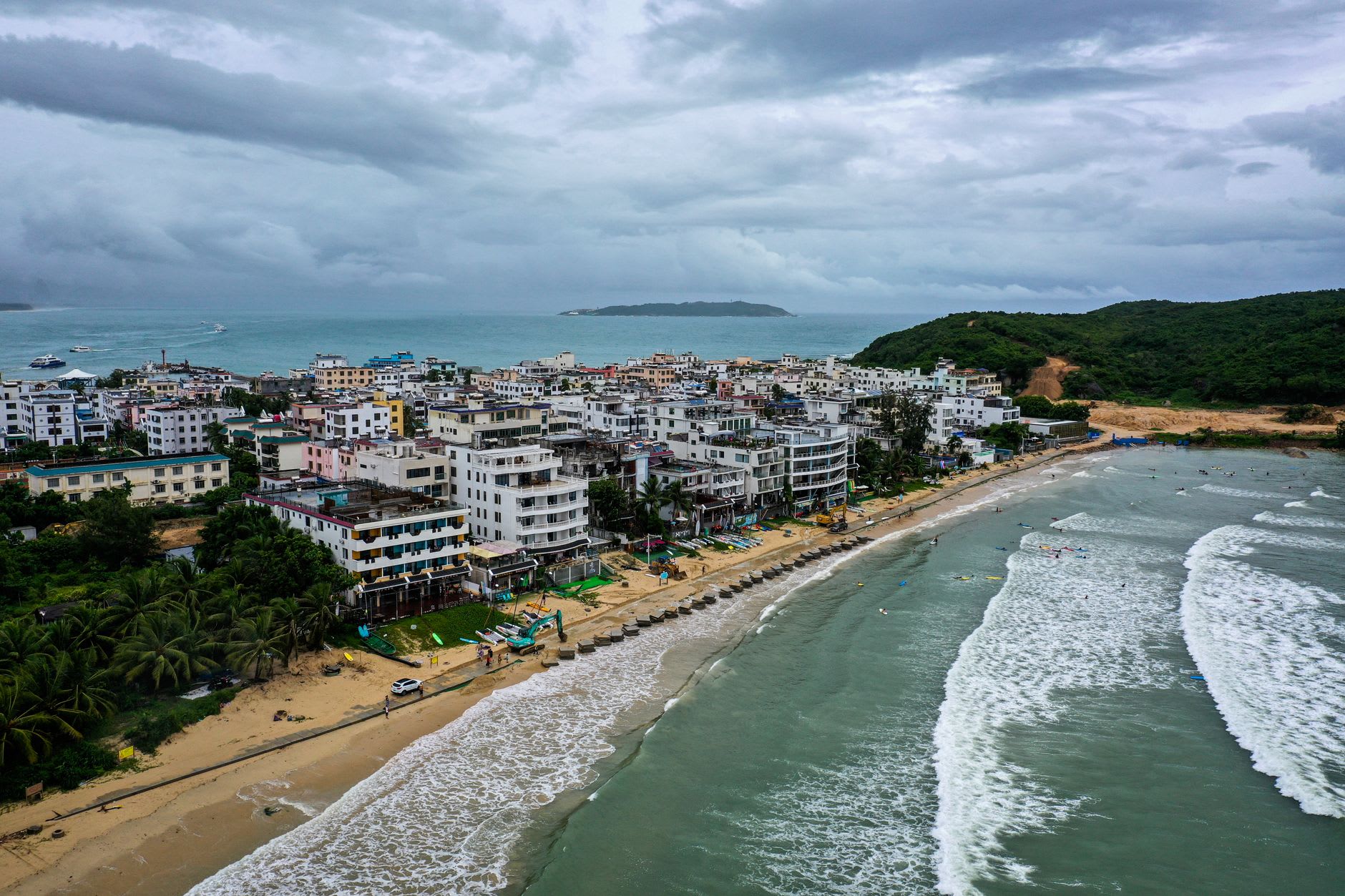
The food situation inside the resort zone is, predictably, expensive and somewhat anonymous. The smarter move is to take a taxi or motorcycle taxi to the small cluster of seafood restaurants at the bay’s northern end, where the fish comes from the boats that moor there each morning and the pricing is connected to the actual cost of things. I ate steamed grouper with ginger and scallion and a plate of garlic morning glory that cost less than a resort cocktail and tasted considerably better.
When to go: November through March gives you the bay at its best — calm water, comfortable temperatures, and the domestic Chinese winter tourism crowd that keeps the beach lively without overwhelming it. April and May are quieter and still warm. From June through September, typhoon season brings unpredictable weather and the water turns murky; come then only if you genuinely have no choice.