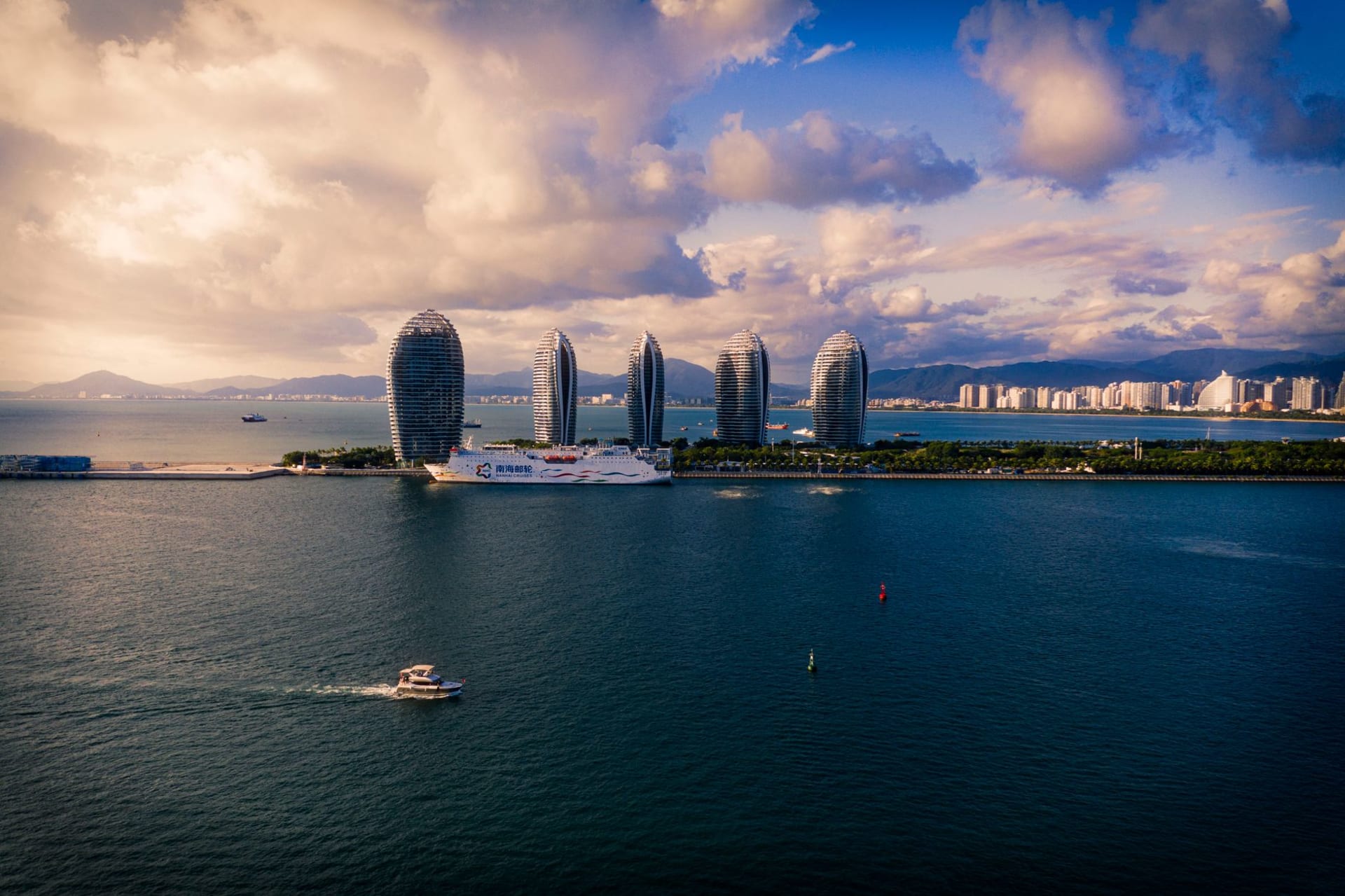
Bo'ao
"During the forum week it is Asia's Davos. The rest of the year it is just boats and the kind of quiet that presses gently on your ears."
I arrived in Bo’ao in March, five weeks before the Forum for Asia would descend on this small coastal town and briefly make it one of the most watched places in China. There was nothing in the air to suggest the coming transformation. A fisherman was repairing nets on the quay. Two old women were arguing pleasantly about something in a local dialect that was not Mandarin. A dog slept in the road with the specific conviction of an animal that knows it owns the street. The conference centre — enormous, glass, slightly surreal against the low coastal vegetation — sat empty and immaculate behind a fence.
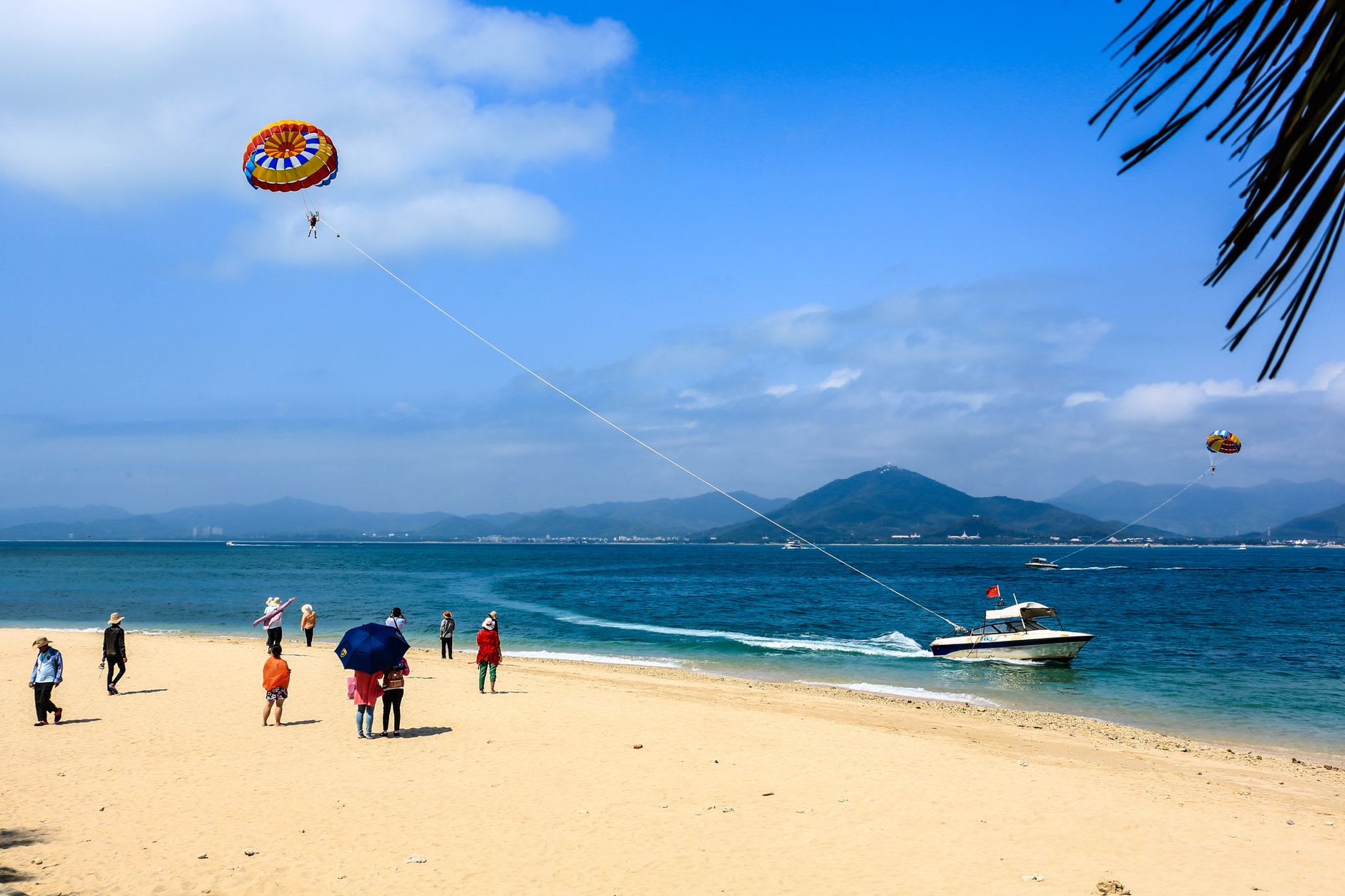
The Wanquan River reaches the sea at Bo’ao in a way that makes the geography of the place immediately legible — you can stand on the sandbars where river meets ocean and feel the temperatures of the two waters meeting around your ankles, the river warmer and slightly turbid, the sea cooler and clear. The estuary has a bird life that I was not prepared for: egrets working the shallows, kingfishers on the mangrove branches, and at dusk a community of herons that lifted from the far bank as one and moved in formation across the rose-coloured sky. I had not brought binoculars, which I regretted immediately.
The eating at Bo’ao is governed by the river and the sea, and both deliver. The small cluster of seafood restaurants along the harbour road operate with the efficient informality of places that have nothing to prove: tanks of live fish and shellfish outside, laminate tables inside, beer in large bottles that arrive cold. I ate prawns from the local boats — larger than what the inland restaurants sell, and tasting of saltwater and almost nothing else, which is exactly the point — and a clay-pot fish soup with ginger and tofu that was so clean and clear I asked what the stock was made of and was told, essentially, fish. The simplicity felt like a philosophy.
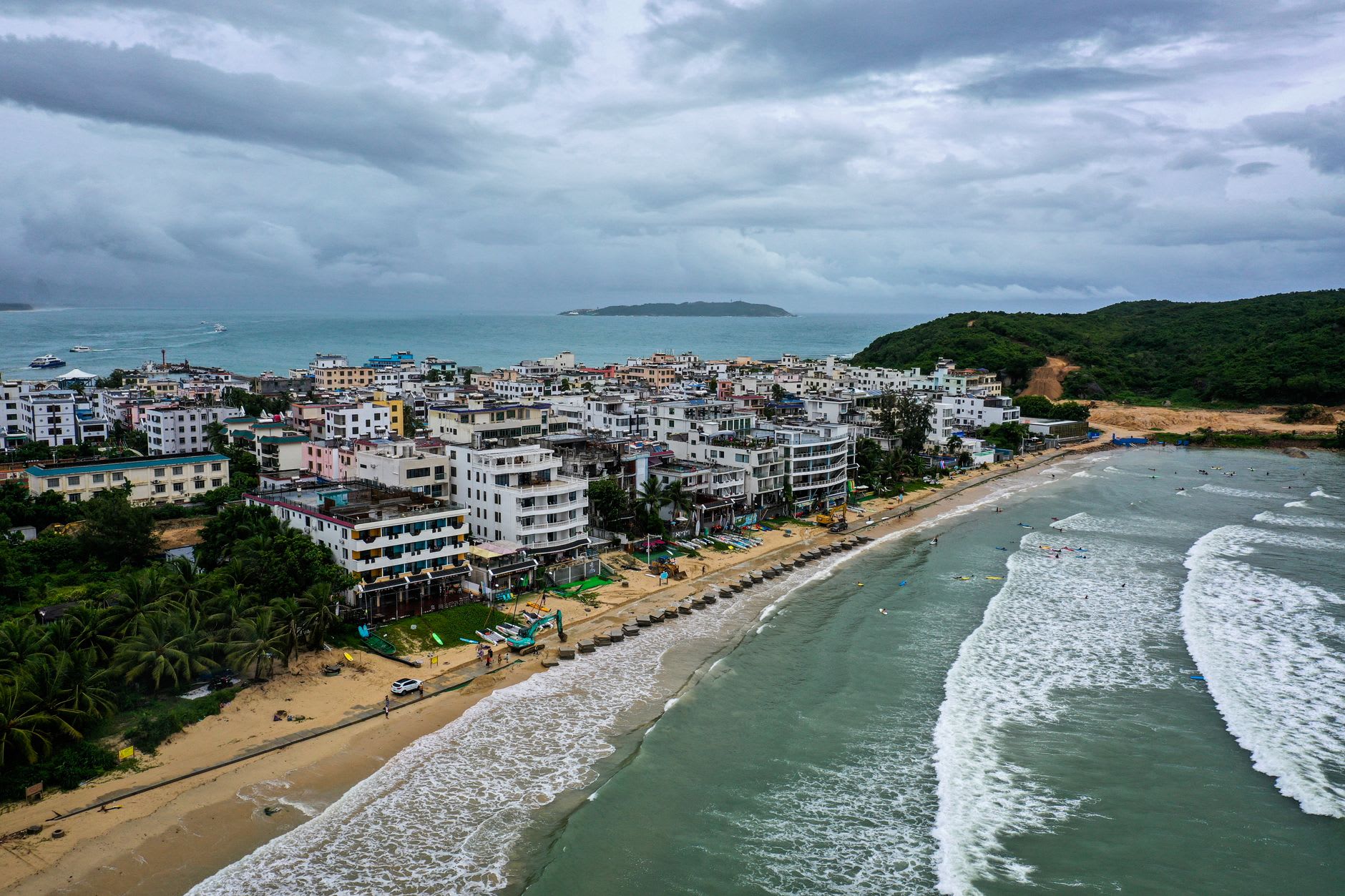
The town itself has the particular quality of a place that exists in two modes simultaneously: the international conference version, which lasts one week in April and involves motorcades and television cameras, and the real version, which is a small Hainanese community of fishermen and farmers and small business owners who carry on with visible indifference to the forum’s global ambitions. The two versions coexist in the signage and the infrastructure without ever quite resolving into a single identity, and I found that gap — between what Bo’ao is claimed to be and what it actually feels like to walk around in — more interesting than either version alone.
When to go: Any month outside of the BOAO Forum for Asia dates in early April. March and May are ideal — the weather is clear, the town is quiet, and the seafood is at its best when the boats are running regularly. December through February is cooler and equally peaceful.