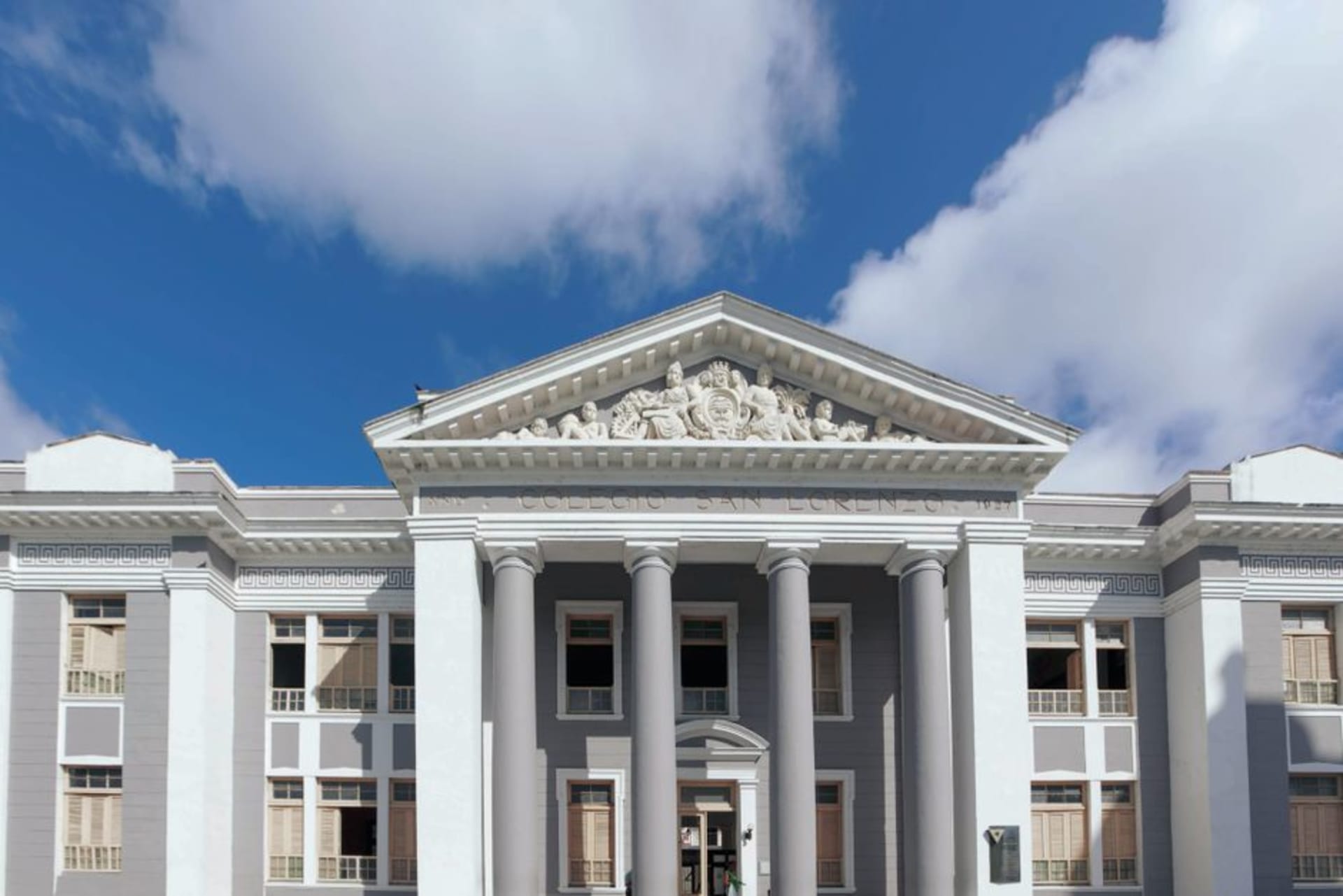
New Amsterdam
"We came for the ferry and stayed because the town wouldn't let us leave in a hurry."
A sleepy Dutch-planned river town where wooden colonial facades and quiet canals hint at Guyana's turbulent Berbice past.
Lia and I only meant to pass through New Amsterdam on our way somewhere else — the Berbice ferry schedule had other plans, and we ended up with a whole free afternoon in a town I knew almost nothing about. That ignorance didn’t last long. Within twenty minutes of wandering the grid of streets near the river, I was reading a faded plaque about Cuffy and the 1763 uprising, the one that burned the original Berbice settlement to the ground and pushed the Dutch to found this new capital in 1785 on safer, more defensible ground. Standing there in the heat, it struck me how much of Guyana’s story you can trace just by looking at where towns are and aren’t.
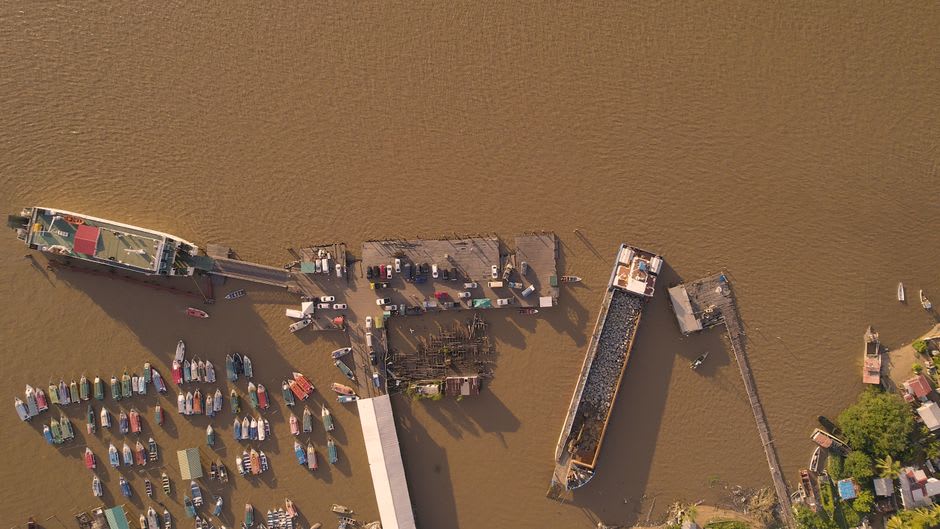
What got me first, though, was the light on the water. New Amsterdam sits right where the Berbice widens out to meet the Canje, and in the late afternoon the whole river turns the color of weak tea, boats crossing slow against the current. I ate a plate of cook-up rice from a stall near the stelling — the old Dutch word for the ferry landing still used here, which felt like its own small piece of living history — while Lia chatted with a woman selling fried plantain who’d lived in New Amsterdam her whole life and had strong opinions about which bakery made the better pine tart.
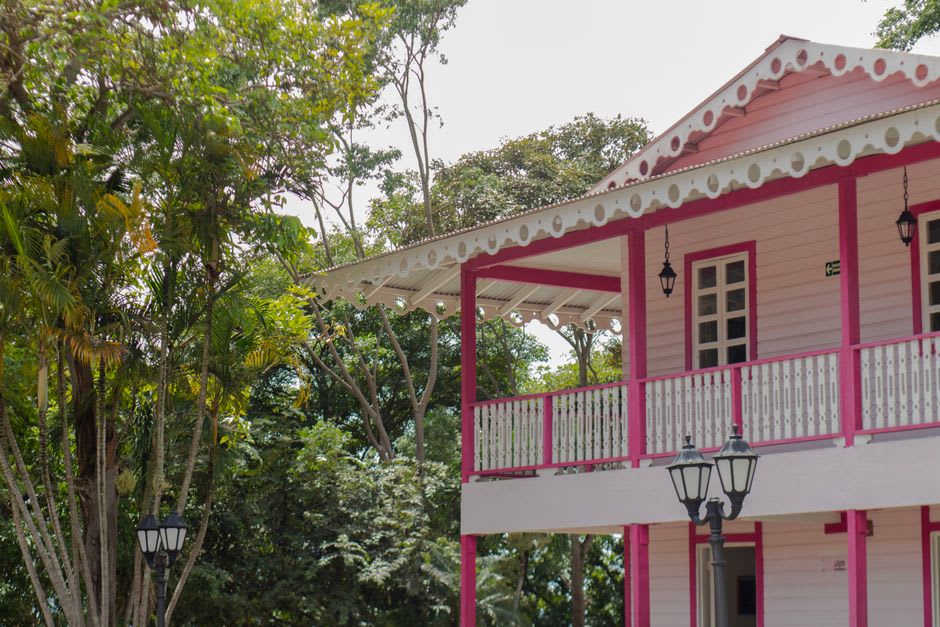
The architecture is really what makes New Amsterdam worth the detour. Even after passing to the British in 1814, the town never shook its Dutch bones — the canals still cut through the grid exactly as planned, and the wooden buildings with their deep verandas and jalousie shutters look like they were lifted from an old engraving. The 1885 Town Hall, all white gingerbread trim and a clock tower slightly askew from a century of humidity, is the kind of building I’d photograph even if nobody had told me its history. We climbed the steps just to look at the woodwork up close, and a groundskeeper let us peek inside at the old council chamber.
By the time our ferry finally loaded, I understood why New Amsterdam still functions as eastern Guyana’s main commercial hub outside Georgetown — there’s a working, unpretentious energy to it that has nothing to do with tourism. Nobody was performing history for us; it was just sitting there in the street grid and the shutters and the way people still called the ferry landing by its Dutch name. That’s the kind of place that stays with me longer than the ones built for visitors.
When to go: Aim for the dry stretches, February through April or mid-August into November — the streets flood less, the ferry runs more predictably, and the light on the river is worth the planning.