
Atchafalaya Basin
"The basin doesn't look like America. It looks like the world before anyone had named anything yet."
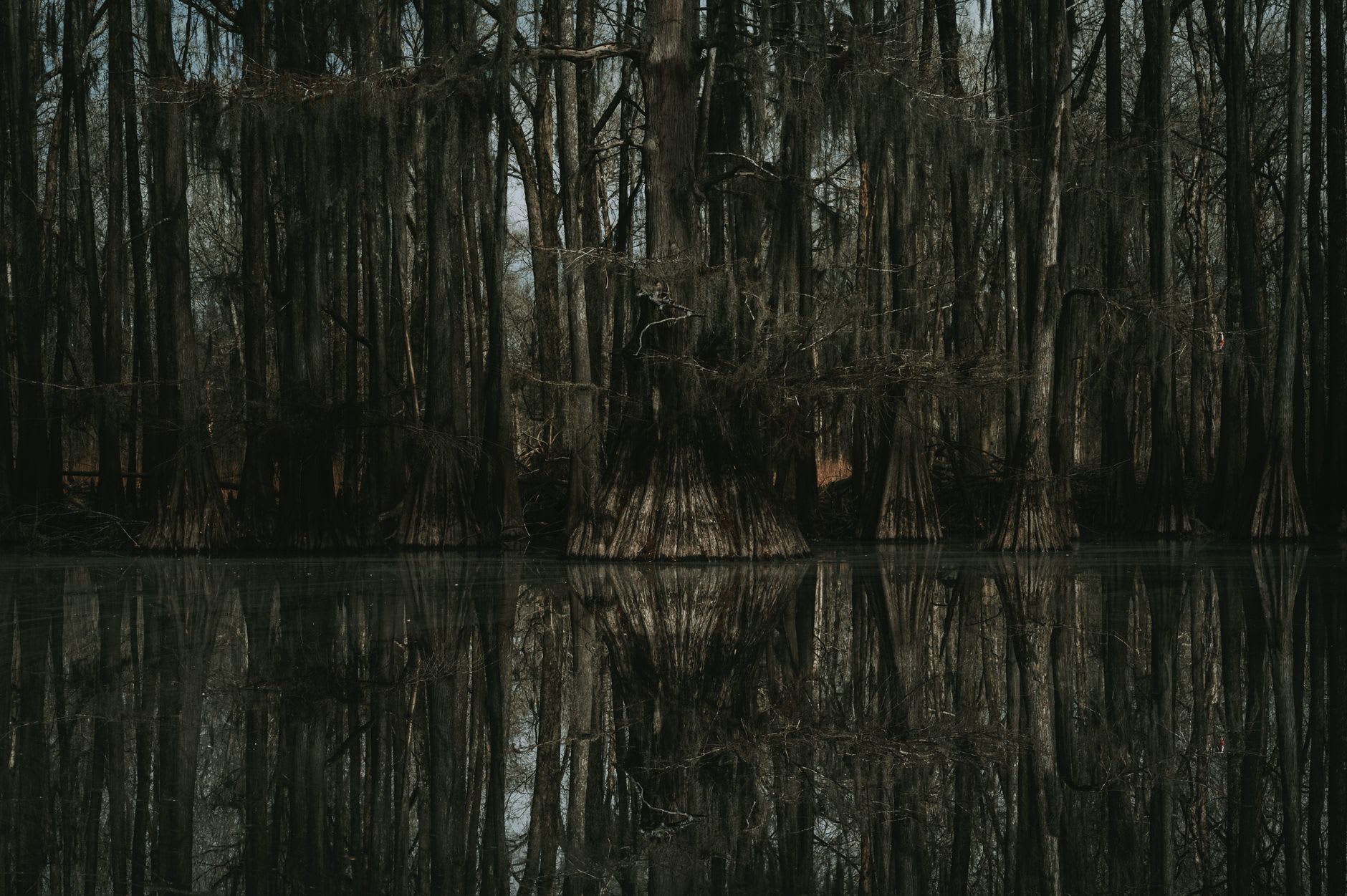
I drove the Atchafalaya Basin at dusk on Highway 190, coming from Baton Rouge, and the landscape did something to me that landscapes rarely do anymore — it made me feel I was somewhere genuinely strange, somewhere the human project had not yet made fully legible. The Atchafalaya Basin is America’s largest river swamp, a vast braided network of channels and oxbow lakes and cypress swamps that occupies a million and a half acres of south-central Louisiana between the levees. From the highway you can see the cypress trees standing in still black water, their knees rising from the surface like prehistoric fingers, Spanish moss trailing from the branches in quantities that blur the line between tree and air.
I pulled off at a boat launch near Henderson and talked to a man who was loading a pirogue — the flat-bottomed boat that is the vehicle of the basin. He was going in to check crawfish traps, which he did before his day job in Lafayette. The basin produces a significant portion of Louisiana’s wild crawfish, he told me, in a way that suggested this was something everybody already knew. He gestured toward the channel and said something about the water being a little high this week. Then he pushed off and the cypress closed around him and he was gone.
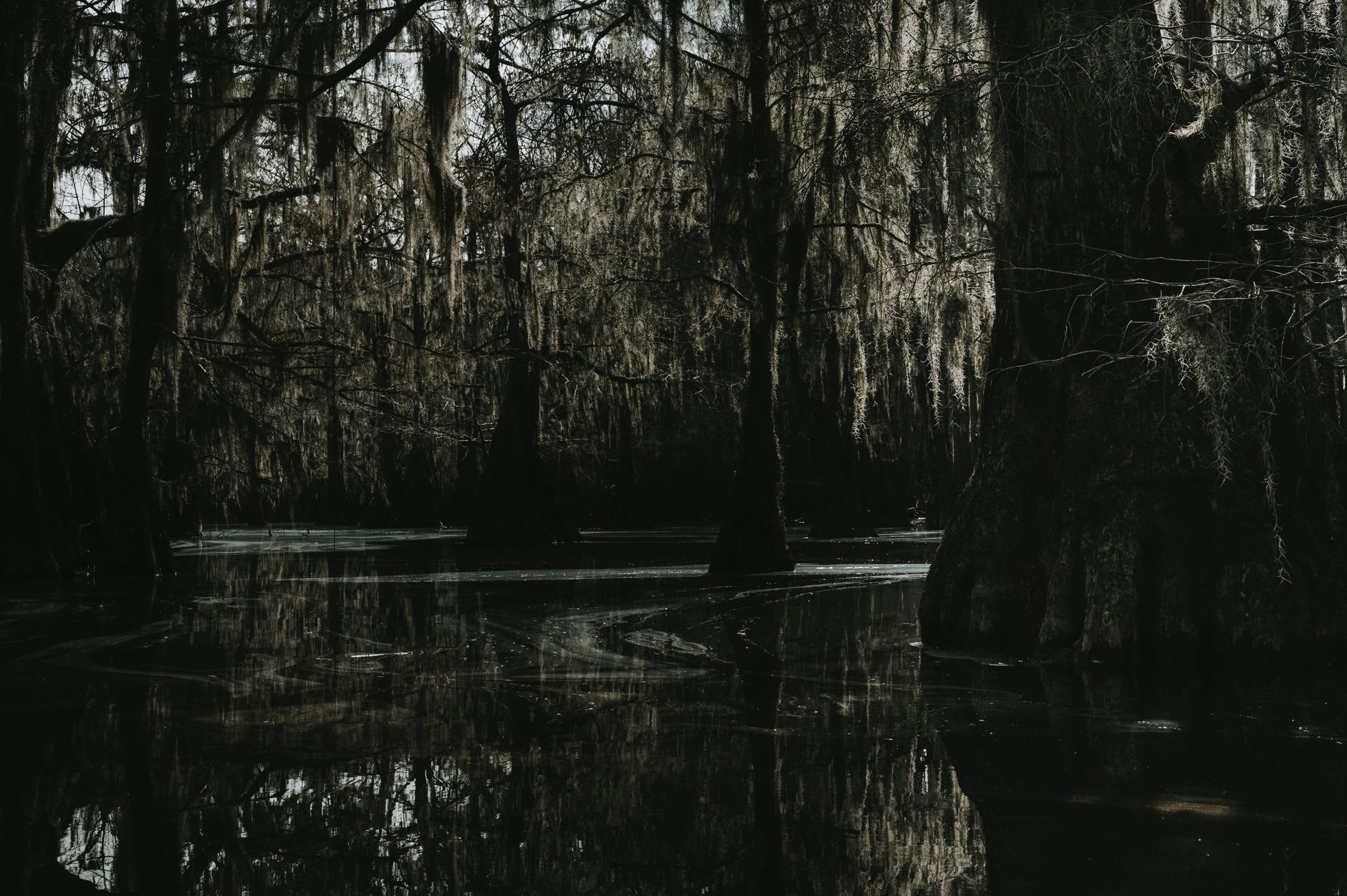
The next morning I rented a kayak from a place near Breaux Bridge and spent four hours paddling into the swamp. The quality of the silence in there is difficult to describe. It is not actually silent — there is the constant commentary of birds, the occasional splash of a fish or a turtle sliding off a log, the ticking of insects in the vegetation — but the human sounds drop away so completely that after an hour I became aware of sounds I usually cannot hear. I watched a great blue heron fish from a cypress knee for twenty minutes, the bird’s patience a kind of reproach. I paddled past the ghostly skeletons of dead cypress trees in a flooded clearing and flushed a pair of wood ducks that flew fast and low through the channel, their wing beats loud in the enclosed space.
The Cajun culture of the basin — the fishing camps on stilts, the camps passed down through families and augmented over generations until they become small improbable compounds on the water — is a world apart. At night, driving the elevated road through the basin on I-10, the lights of the camps appear below and between the channels, and they have the quality of something stubborn and specific, a life lived where most people would not think to live it.
When to go: March through May is the best window — the crawfish season is at its peak, the weather is warm but not oppressive, and the spring bird migration brings extraordinary numbers of wading birds to the basin. October and November are also excellent for wildlife and cooler temperatures. Summer is possible but the heat and humidity and mosquitoes require serious preparation.