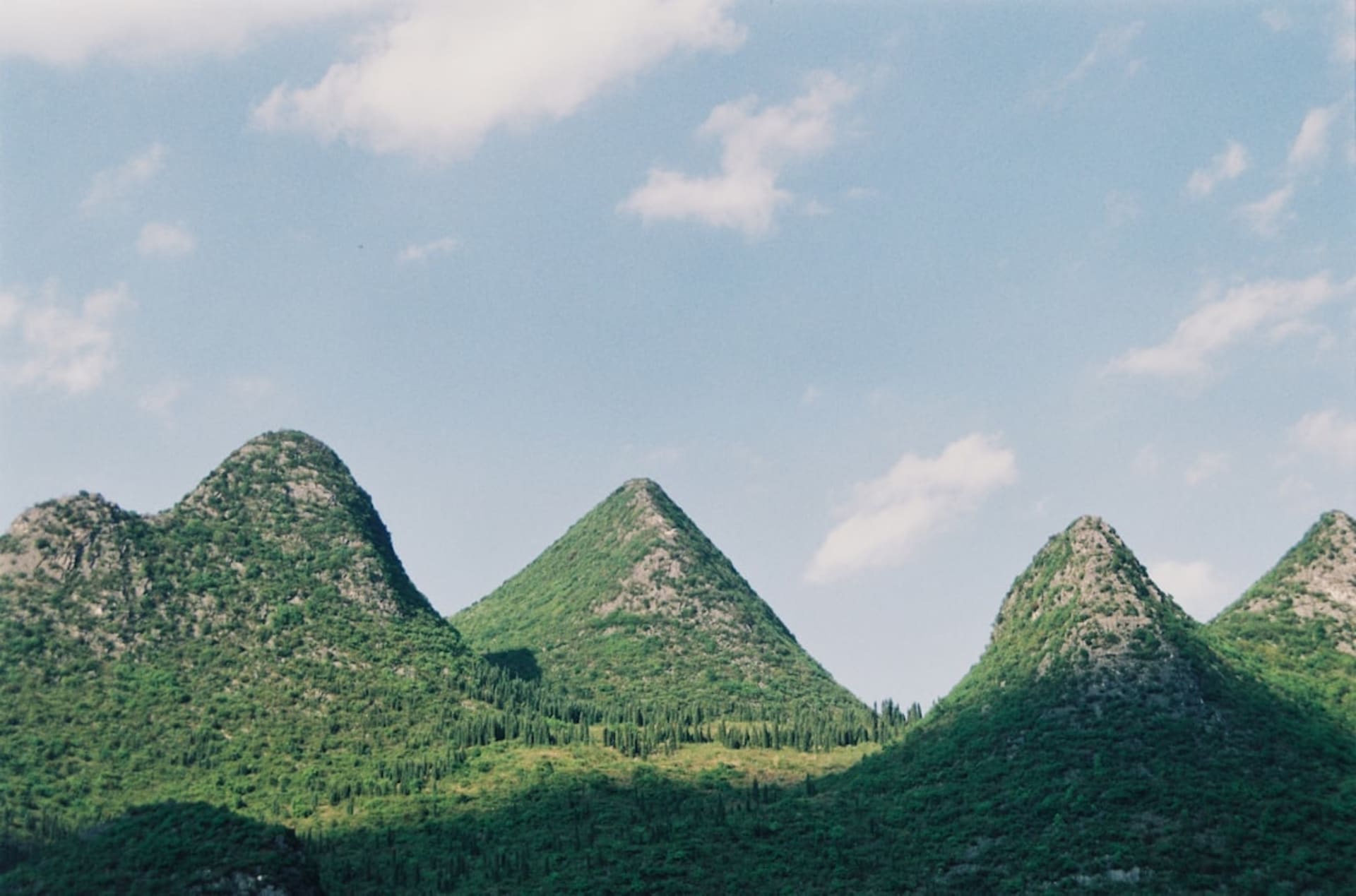
A river that vanishes into caves beneath a 116-meter stone arch, where swallows outnumber visitors by the hundreds of thousands.
Lia spotted it first, from the boat: a gap in the mountain ahead so large it took me a second to understand I was looking at rock and not just open air. That’s the arch at Getu River — 116 meters high, 25 meters wide, standing over Ziyun County near Anshun like something that shouldn’t be structurally possible. We’d read the number beforehand and it still didn’t prepare us. Our boatman cut the motor as we drifted underneath it, and the sound of the swallows hit before anything else — a low, constant rustle coming from the walls of the underground lake, hundreds of thousands of them nesting in a 270-meter stretch of darkness that the river carves through like it’s been doing it for a hobby.
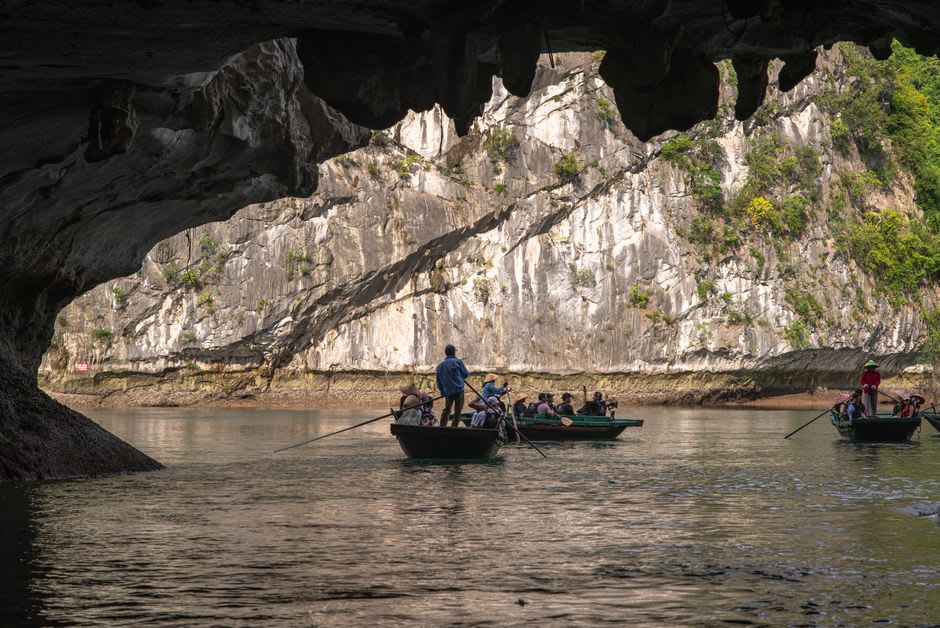
I’d first heard of this place through a climbing documentary years before I ever thought I’d live in this part of the world, one of those films where the cliffs look almost fake, too smooth and too sheer to be real limestone. Standing at the base of them with Lia, craning my neck until it hurt, I understood why climbers call this a proving ground. We didn’t climb anything — that’s a very different trip, with ropes and a different kind of nerve than I have — but we did go into Dachuan Cave, and later Tianxing Cave, both cool and dripping and enormous in a way that photos never quite convey. It’s the caves, honestly, that earned this river its local nickname as the most beautiful river flowing through caves in China. Rivers usually announce themselves with light and sky. This one keeps disappearing on you.
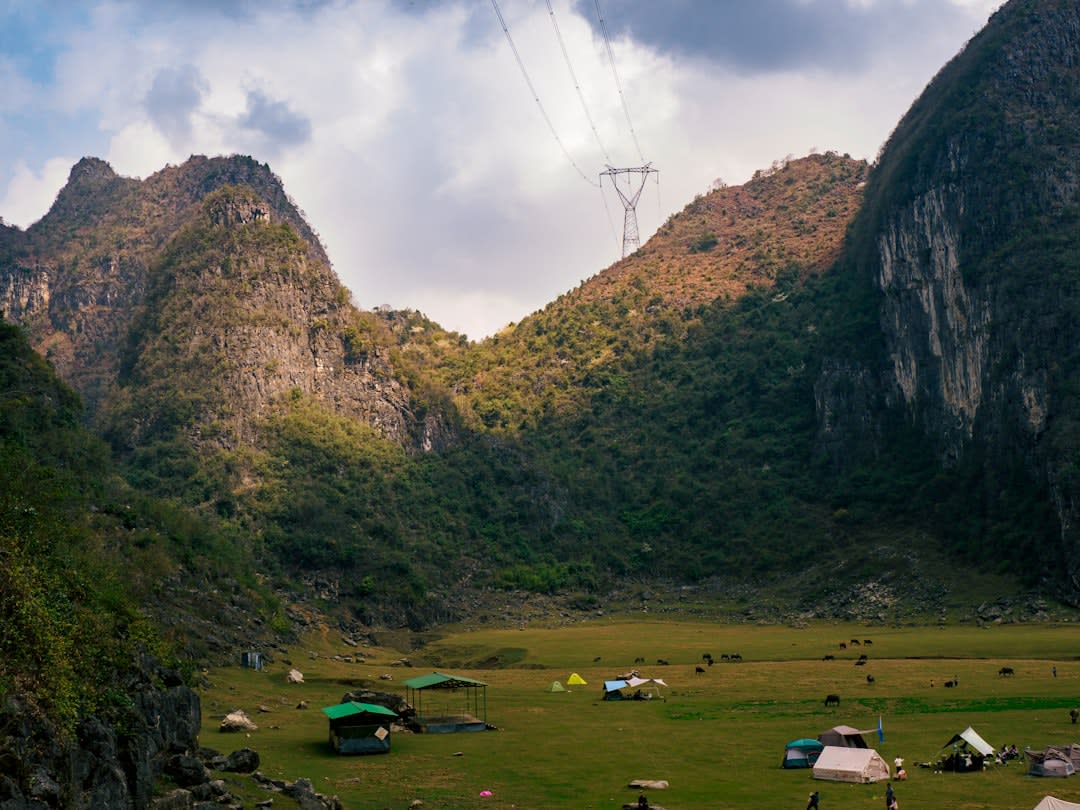
The strangest hour of the day, for me, was inside a cave chamber that isn’t empty at all — there’s a Miao village living in there, houses and a school built right into the mouth of the cavern, roofline blending into rock overhang. We didn’t linger long or gawk, just walked through slowly and said hello to a woman hanging laundry under 30 meters of stone ceiling, but it reframed everything I thought I knew about what a cave could be for. Lia kept saying it felt like a film set, and in a way it has been one — this whole valley has stood in for other worlds on camera more than once, which somehow makes sense once you’ve seen the arch with your own eyes.
We ate grilled fish that night at a small place near the boat dock, the owner pointing proudly toward the cliffs as if he’d carved them himself, and I remember thinking Guizhou keeps doing this to us: handing over a place we knew almost nothing about and making it one of the best days of the whole trip.
When to go: Aim for April through October, when the warmer weather makes the boat rides and cave walks genuinely comfortable — winter here turns damp and cold fast, and the caves are no fun to explore with numb hands.