Xianggong Hill
"I climbed a hill in the dark on a stranger's promise, and the mist did exactly what I had been told it might not."
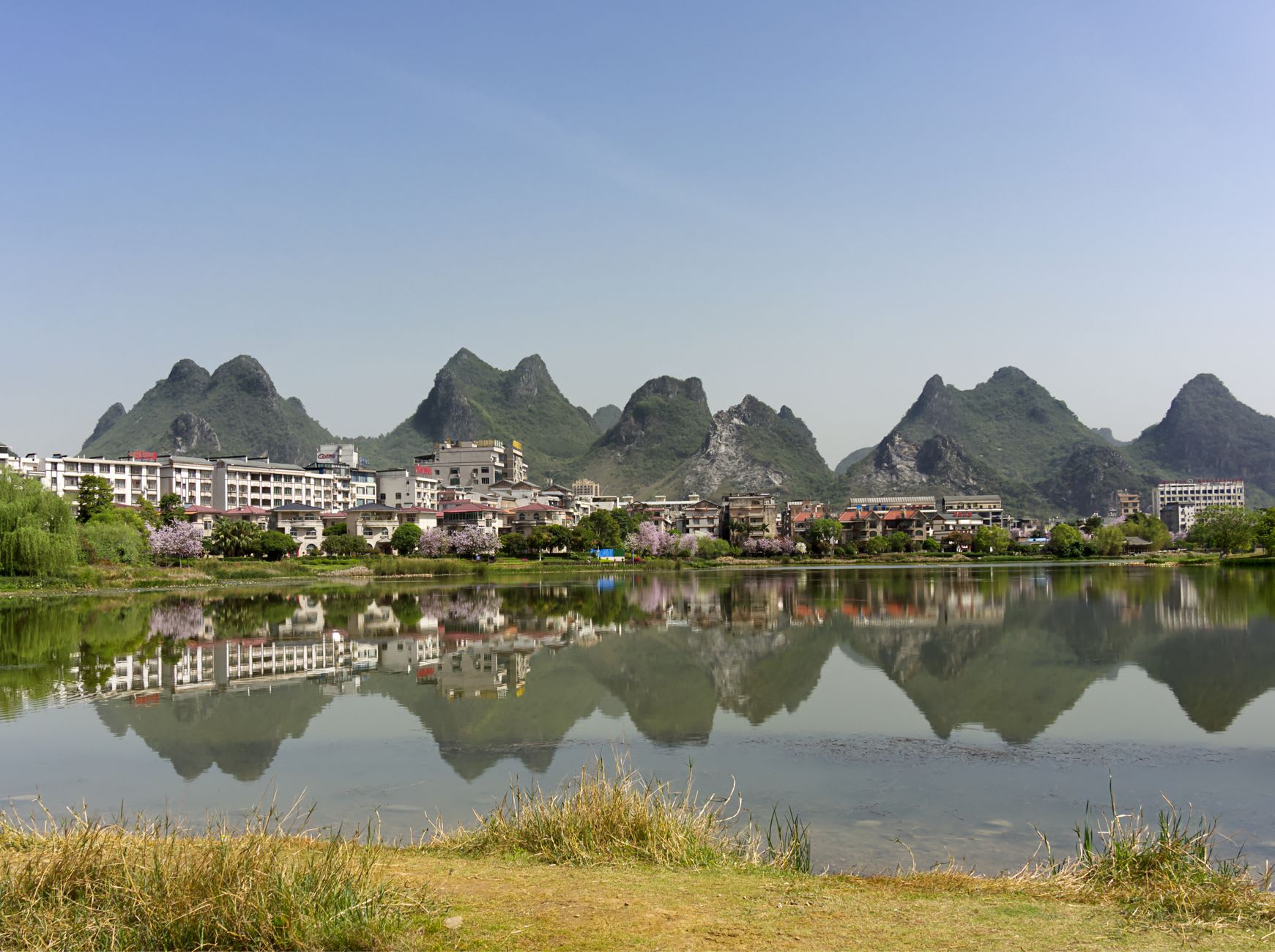
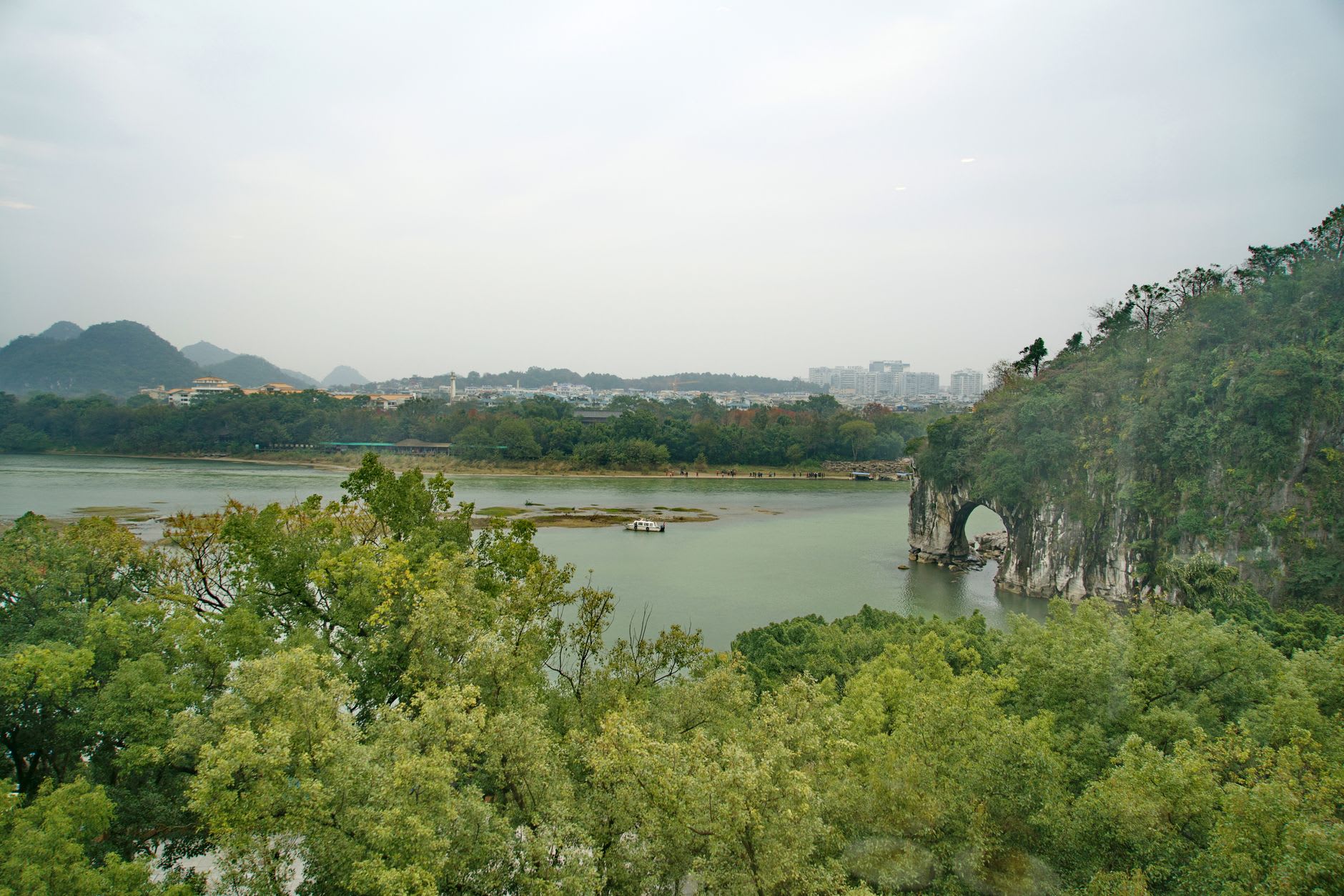
Xianggong Hill is not famous the way Xingping or the twenty-yuan viewpoint are famous. It is a low, scrubby hill on the far bank of the Li River, a short distance downstream from Xingping, and the only reason anyone climbs it is the view from the top — which is, I will say plainly, the best single view I found in all of Guilin. Better than the twenty-yuan bend. Better than Moon Hill. It is the kind of panorama that photographers travel across China for, and most ordinary tourists have never heard of it.
The climb, in the dark
The catch is the timing. The view is at its best at dawn, when mist rises off the river and pools between the karst peaks, and to be on top for dawn you have to climb in the dark. We arranged a driver in Yangshuo to take us out before five in the morning — a drive of an hour or so along empty roads, then a short, sharp scramble up a stepped path with head-torches, the air cold and wet and smelling of leaf-rot. It is not a long climb, maybe twenty minutes, but doing it half-asleep in the dark with no idea whether the weather will reward you is its own particular kind of faith.
At the top there is a small concrete platform, and on the morning we went there were perhaps fifteen people already there, tripods set up in the dark, everyone speaking in the hushed voices people use before sunrise as if the landscape might be woken. We waited. The sky went from black to grey to a pale bruised lilac. And then, just as the sun came up behind us, the mist did the thing I had been warned it sometimes refuses to do: it lifted off the river in slow ribbons and threaded itself between the peaks, layer behind layer behind layer, the nearest karsts dark and the farthest ones dissolving into pale ghosts. The river below caught the first light and turned to a bright ribbon of pewter winding through the whole scene. I have a lot of photographs of it. None of them are as good as standing there was.
The gamble, and the breakfast after
Here is the honest part: it does not always work. The mist needs the right balance of humidity and still air, and on a clear dry morning you get a beautiful view but none of the famous layered fog. The driver told us, cheerfully, that he had brought people up who saw nothing but flat grey cloud. We got lucky. If you only have one morning, you are essentially gambling, and I think you should do it anyway, because when it works there is genuinely nothing like it, and when it doesn’t you have still watched the sun come up over one of the strangest landscapes on earth.
We came down as the day-trippers were only just stirring, and stopped at a village at the foot of the hill where a woman was setting up a stall. She made us bowls of rice congee and a plate of fried dough sticks, and we ate them sitting on low stools watching water buffalo being led out into the paddies. I had been awake since four and felt that peculiar clean exhaustion of having seen something most people sleep through. Lia fell asleep in the car on the way back. I stayed awake, watching the karsts go by, unwilling to waste any of it.
There is a small fee to climb, collected at the bottom by the family that maintains the path, and it is worth every cent. Bring a torch, bring something warm — dawn on that platform is colder than the Guilin daytime ever suggests — and bring low expectations about the mist, so that if it comes, it floors you.
When to go: Spring, roughly March to May, gives the highest odds of the layered river mist, especially after a humid night following rain. Autumn mornings are clearer and sharper but less likely to produce the famous fog. Whatever the season, you want the day after rain, with still air and rising humidity — and you want to be on top before the sun is.