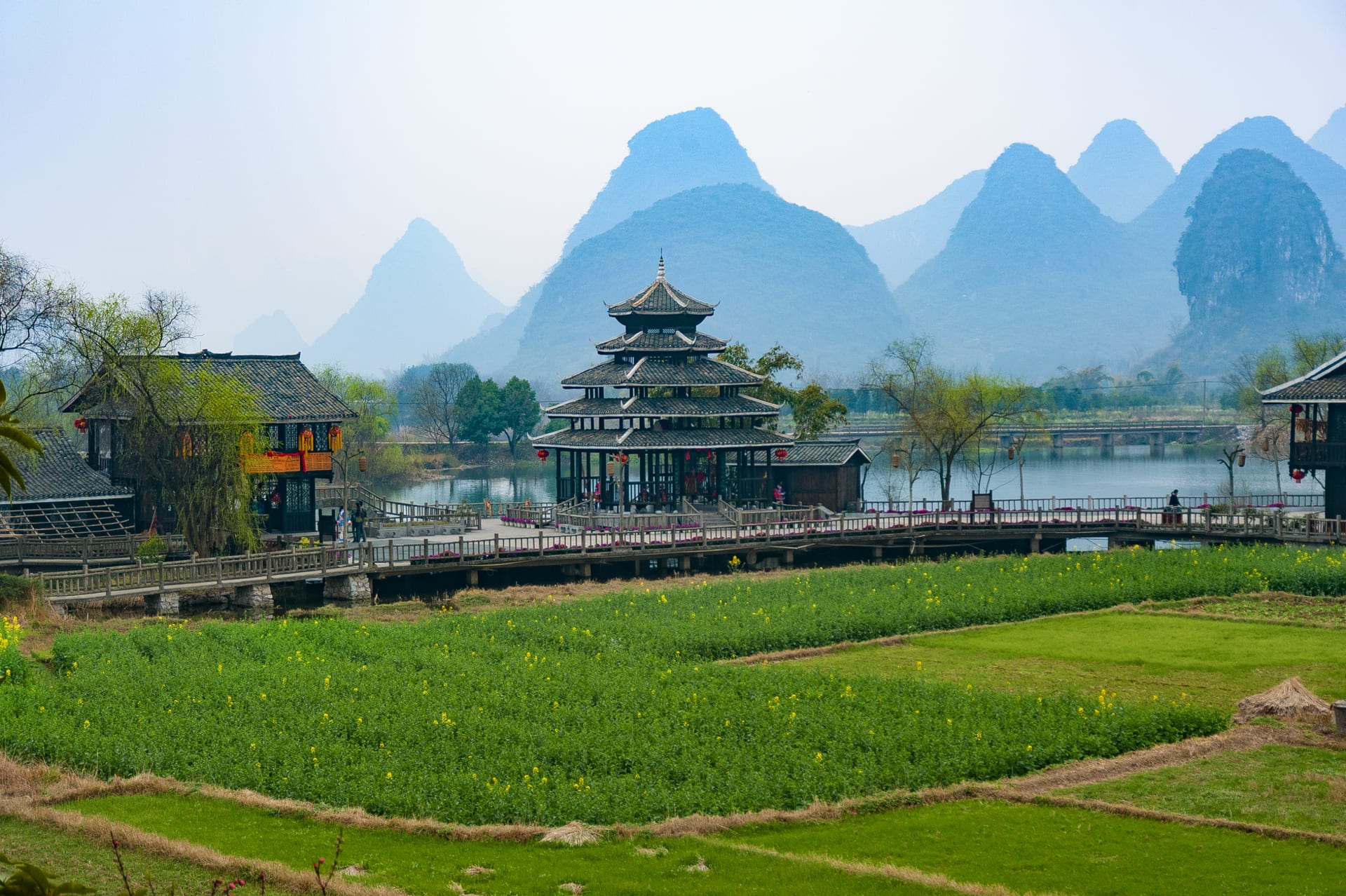
Daxu Ancient Town
"Daxu is what Yangshuo's old town would look like if nobody had noticed it for four hundred years."
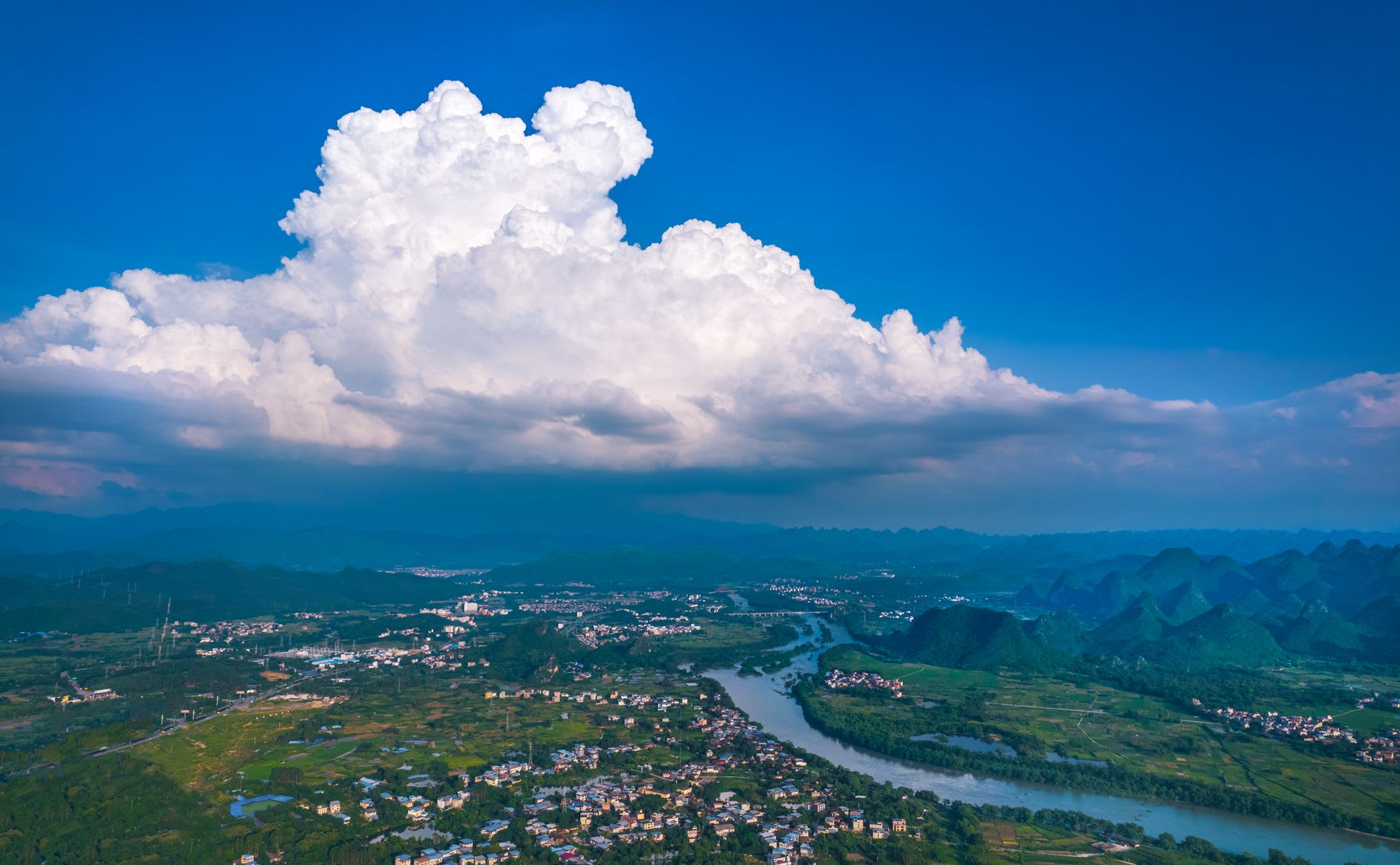
Getting to Daxu required some effort, which is most of the reason it remains worth going to. The town sits on the eastern bank of the Li River about eighteen kilometers south of Guilin city center — too far for the casual day-tripper, close enough for anyone with a bicycle and a free afternoon. I took the local bus to the turnoff, then walked the remaining kilometer down a lane lined with mulberry trees and vegetable plots to where the river appeared and the town began.
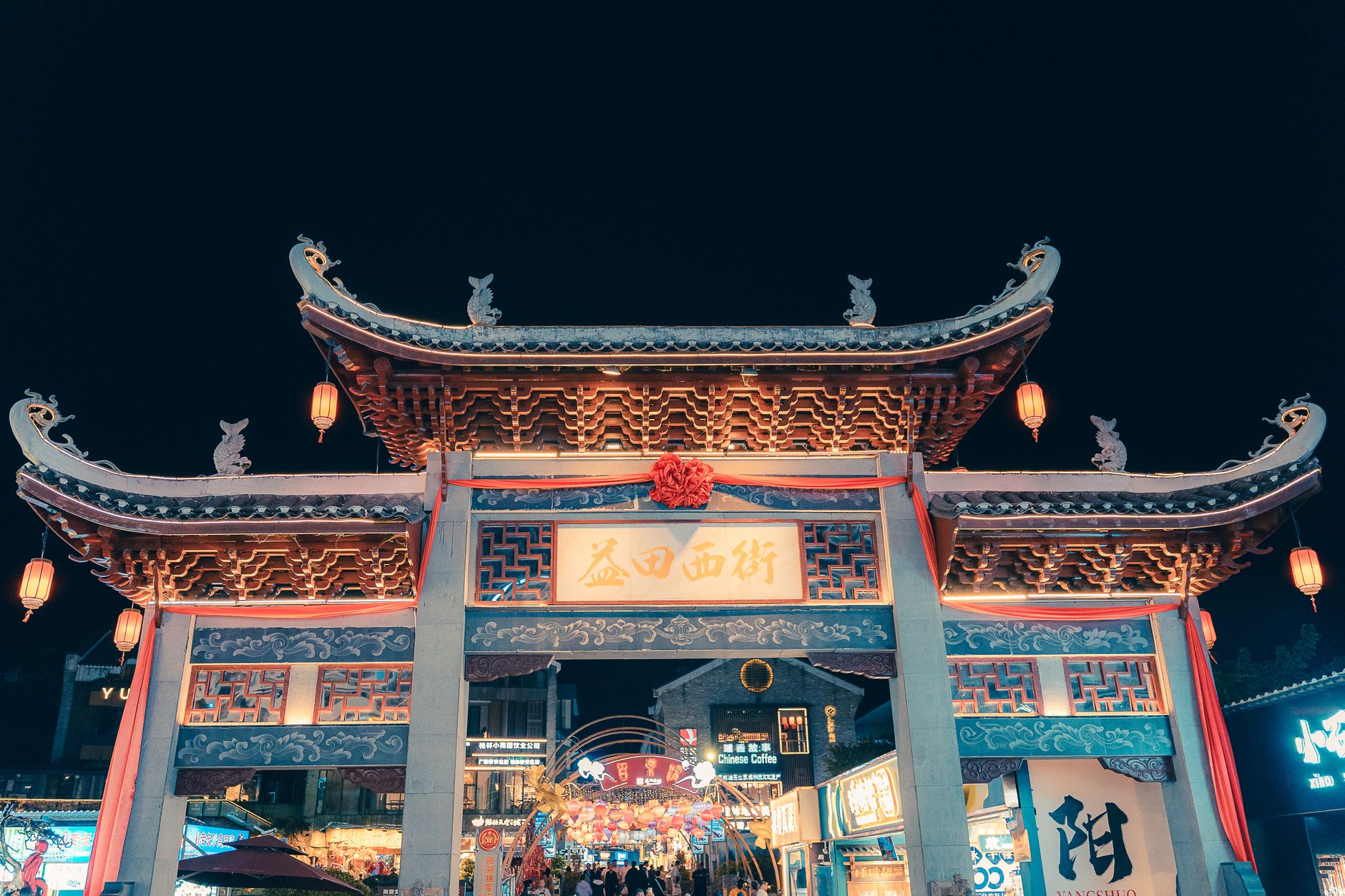
Daxu was established during the Song dynasty and became a prosperous trading town during the Ming and Qing periods — a stopping point for river commerce between Guilin and Yangshuo, a place where goods were offloaded, merchants stayed, and money changed hands under stone arcades. The wealth of those centuries is still legible in the architecture. The main street — a single continuous lane running parallel to the river — is paved in dark granite cobblestones and flanked by shophouses whose covered arcade walkways still shelter pedestrians from the rain exactly as they did four hundred years ago. The timber facades are weathered but intact. The carved wooden brackets under the eaves have gone silver-grey with age.
What makes Daxu different from the ancient towns that have been restored and marketed across China is that Daxu has not been restored. The buildings have been repaired where necessary, but the patina is real — the worn stone, the darkened wood, the moss between the cobblestones, the slow collapse of a gable here and there. People live and work in the shophouses. A woman was hanging laundry from a second-floor window when I arrived. An old man was repairing a bicycle in a doorway. The pharmacy that has operated in the same building for three generations had a hand-painted sign in characters so faded I could barely read them, and its shelves held glass jars of dried herbs that smelled of camphor and something sweet and slightly medicinal I could not name.
The river view from Daxu’s old stone pier is one of the better views of the Li I found. The karst peaks across the river are reflected in the afternoon water, and the town’s wooden buildings frame the left edge of the scene in a way that makes the whole composition feel earned rather than arranged. Fishing boats tie up at the pier in the early morning and the catch — river fish of various sizes, snails, eels — is sold on the stones before most visitors have arrived. If you show up after nine the fish are gone and there are only vegetable stalls, which are still perfectly pleasant but less dramatic.
Lunch in Daxu was at a family restaurant in a converted ancestral hall, where the tables were lacquered wood and the menu was a sheet of paper with eight items, all of them river fish, pork, or tofu preparations. I had a clay pot of tofu braised with fermented black beans and dried chili that arrived still bubbling, and a plate of stir-fried water morning glory that was sweet and slightly muddy in the way that vegetable always is when it has grown in actual mud rather than a warehouse. There was rice. There was beer. The hall had paintings on its rear wall that were too damaged to read but whose composition was still visible. I ate slowly.
When to go: Daxu rewards a weekday visit when the town is genuinely quiet and the residents are going about their actual lives rather than accommodating visitors. Spring (March to May) is the most beautiful season — the persimmon trees along the river road are in bloom and the light is soft and northern-facing. Get there by nine at the latest if you want to see the morning fish market. The town is easily combined with Elephant Trunk Hill or Seven Star Park in a Guilin day.