Zunil
"Someone handed Maximón a lit cigarette and a shot of rum, and nobody in the room treated it as strange except me."
A Kaqchikel highland town where cigar smoke curls around the folk saint Maximón and the market spills bright textiles onto cobblestone.
A shared van dropped me at the edge of Zunil’s market on a Monday morning, and the town immediately felt denser and more alive than the sleepy highland stops I’d been passing through around Xela — women in bright huipiles woven in patterns specific to this valley, vegetable stalls stacked with produce grown on the steep volcanic terraces visible on every surrounding hillside. Zunil sits in a valley so fertile that the fields climb almost vertically up the slopes, an engineering feat of terracing that locals treat as unremarkable and that I couldn’t stop photographing.
Meeting Maximón
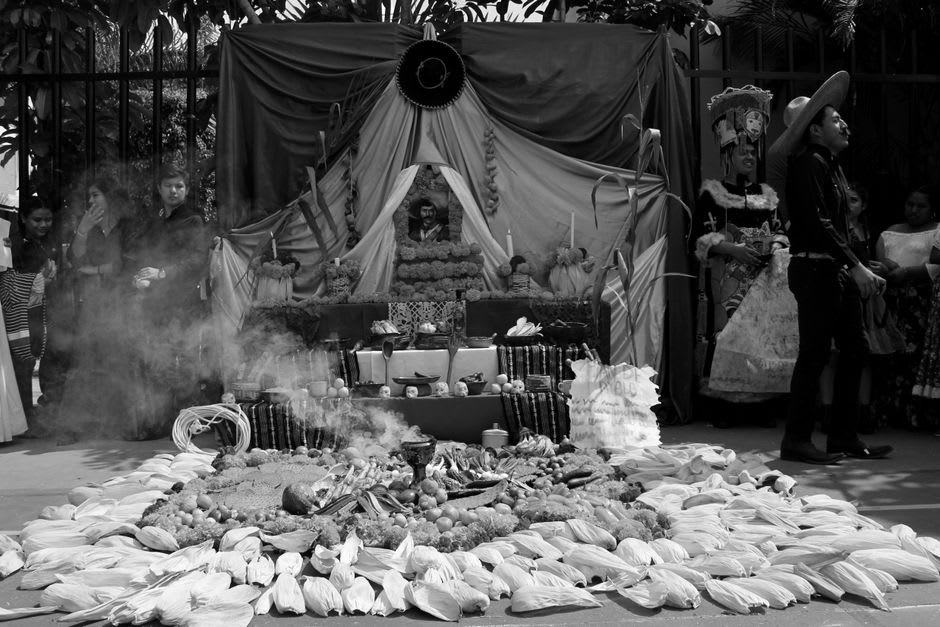
The real reason I’d come, though, was to see Maximón — the folk saint known locally as San Simón, a wooden effigy dressed in scarves and a cowboy hat who is neither fully Catholic nor fully Maya but some improvised, syncretic figure caught between the two. He moves houses every year, tended by a rotating cofradía, and I was led by a kid of about ten through a maze of alleys to a dim, smoke-filled room where the effigy sat propped in a chair, candles burning at his feet, offerings of cigars and rum bottles arranged around him. A woman was praying quietly to one side while a caretaker lit a cigarette and placed it directly in Maximón’s mouth, letting it burn down on its own. I was told to leave a small donation and could ask for a blessing, which I did, feeling both like an intruder on something sacred and grateful to have been let in at all.
Hot water rising from the ground
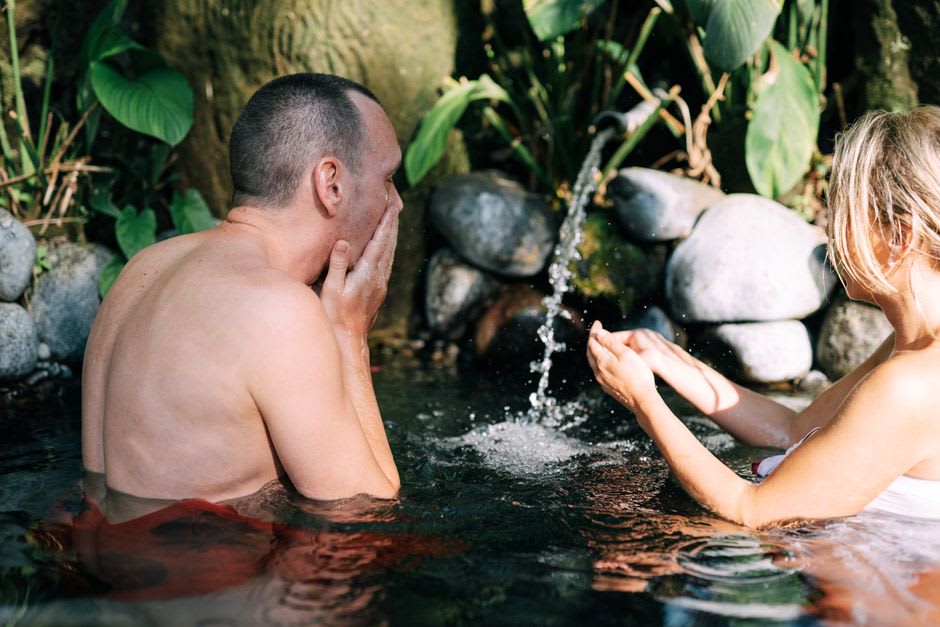
Zunil’s other draw is more literal heat — natural hot springs bubble up around town, the most rustic being a public bathhouse where locals soak in concrete tubs fed directly from thermal veins in the ground, steam rising off the water even at midday. I sat there with my knees pulled up, surrounded mostly by grandmothers doing their weekly wash in adjacent tubs, feeling distinctly like the only tourist in the room and not minding it one bit.
Zunil makes an easy half-day trip from Xela, but I’d suggest lingering into the afternoon market lull, when the crowds thin and the vendors are more willing to talk than sell.
When to go: Year-round, though the dry months (November to April) make the surrounding terraced hills easiest to photograph clearly. Visit Maximón’s house on a weekday morning when the cofradía is more likely to be present and unhurried.
Keep exploring
More from Guatemala
 guatemala
 Acatenango
An overnight volcano trek where you camp in freezing wind just to watch its neighbor, Fuego, erupt in the dark a few kilometers away.
Explore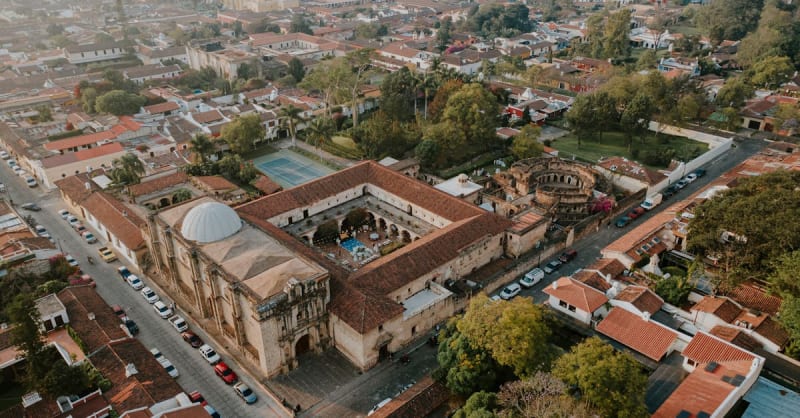 guatemala
 Antigua Guatemala
Cobblestone streets, crumbling baroque convents, and active volcanoes on the horizon — Antigua never lets you forget time.
Explore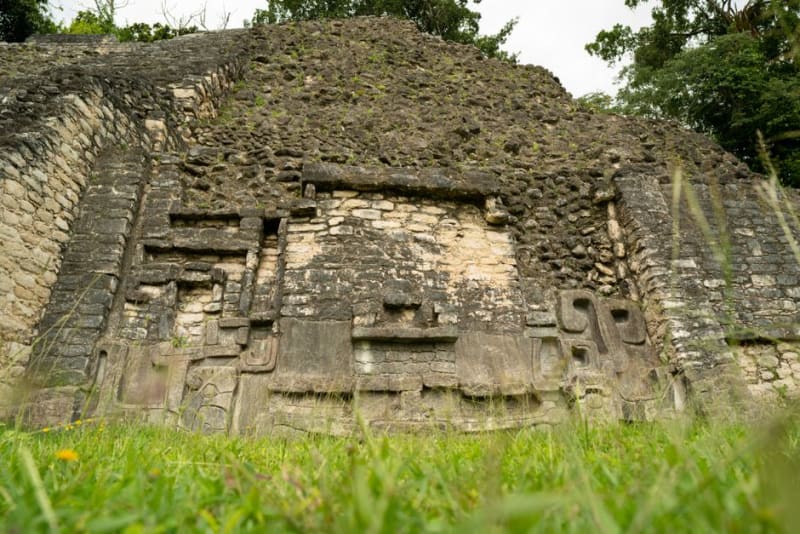 guatemala
 Ceibal
A Late Preclassic Maya city on the banks of the Río de la Pasión, reached by boat from Sayaxché, with a rare circular pyramid unlike anything else in the region.
Explore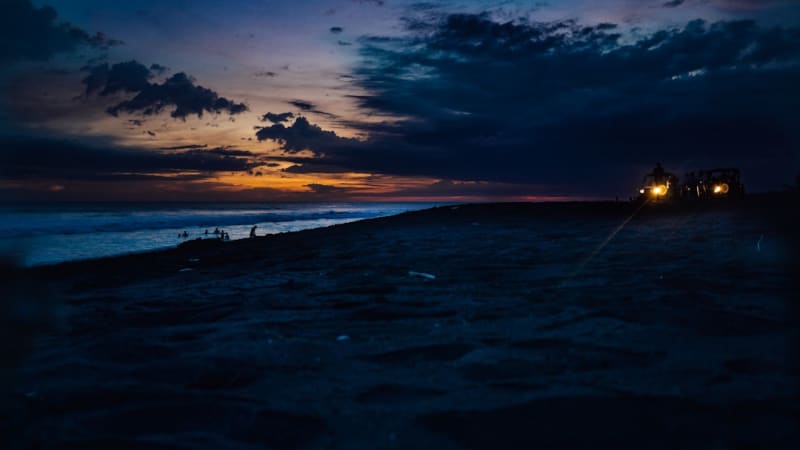 guatemala
 Champerico
A weathered Pacific fishing port with black-sand beaches and the rusting ruins of a historic pier, entirely off the radar of Guatemala's tourist circuit.
Explore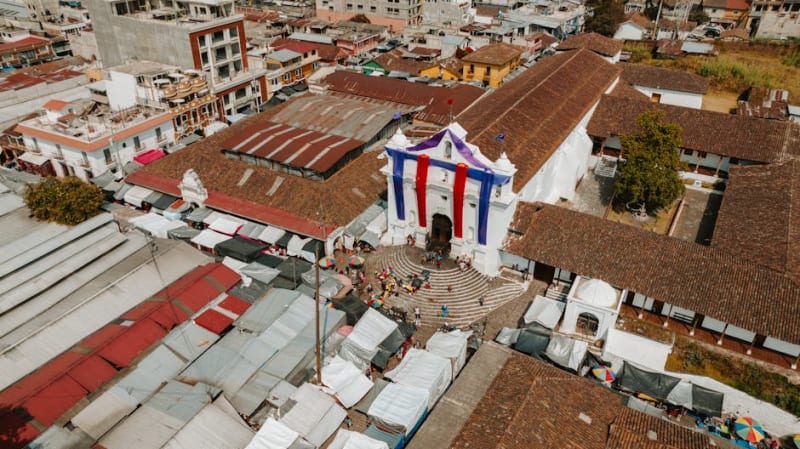 guatemala
 Chichicastenango
The largest indigenous market in the Americas, where K'iche' Maya traders have gathered on Thursdays and Sundays for centuries.
Explore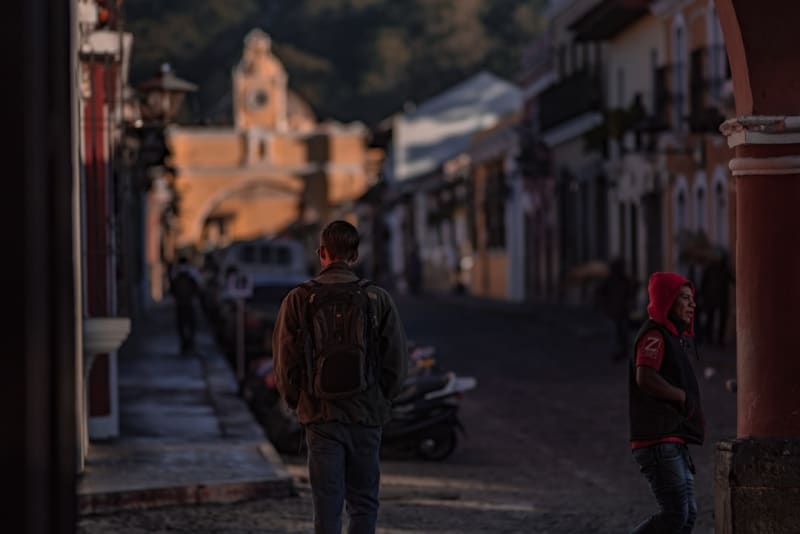 guatemala
 Chiquimula
A hot, dusty trading town in Guatemala's forgotten east, where cattle trucks and Copán-bound buses share the same sunbaked streets.
Explore