Sipacate
"Everyone talks about El Paredón. Sipacate is the same coast without the queue."
A Pacific coast town where a mangrove estuary meets black-sand surf, quieter and rawer than its famous neighbor El Paredón, just down the same dirt road.
I got to Sipacate by accident, more or less. I’d booked a surf lesson in El Paredón, showed up a day early, and a guy at the gas station told me if I really wanted quiet water I should keep driving another twenty minutes down the canal road. So I did, past shrimp farms and a checkpoint where a bored soldier waved me through without looking up, until the road just stopped at a channel of brown-green water pushing hard toward the sea. That’s the estuary — the Chiquimulilla canal system spilling into the Pacific — and it’s the first thing that tells you Sipacate is a different kind of beach town. The river and the ocean are in a visible argument here, brown water shouldering into blue-black surf, and the boatmen who ferry you across know exactly where the current will and won’t drown you.
Where the Mangroves Do the Talking
There’s no boardwalk, no strip of open-air bar-restaurants competing for your sunset. What Sipacate has instead is a mangrove backcountry that locals still use for actual work — netting shrimp, checking crab traps at low tide — and a beach that stays close to empty even on a Saturday. I hired a lancha for an hour one late afternoon, and the boatman, Don Beto, cut the engine halfway through so we could just drift and listen: egrets going up in that startled-clatter way birds do when a boat gets too close, and somewhere behind the mangrove wall, invisible, a howler monkey deciding it didn’t like something.
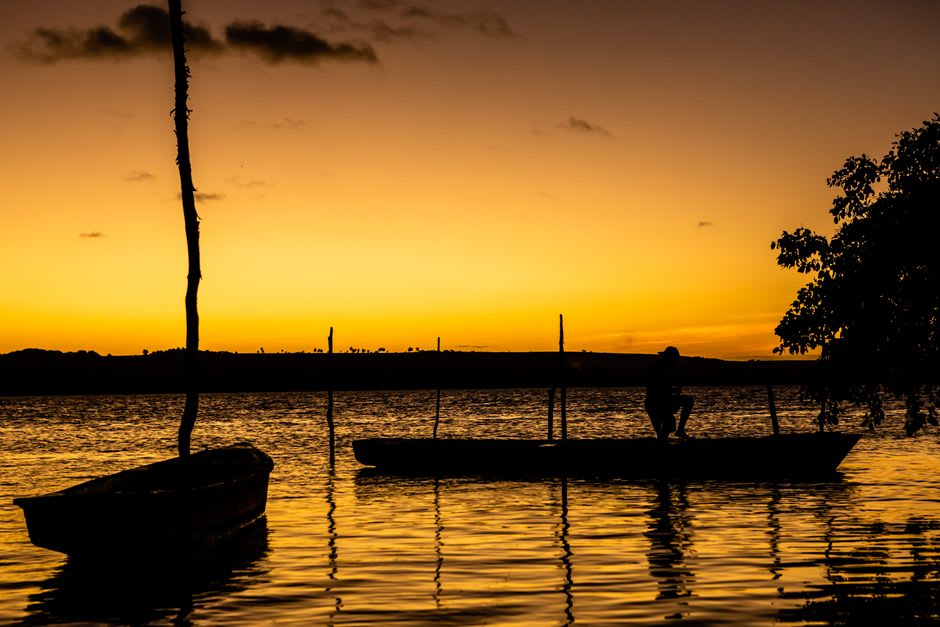
The surf itself is heavier and less forgiving than El Paredón’s — a steeper black-sand beach break that pulls hard, and the same undertow that makes it fun for intermediate surfers makes it a bad place to learn. I watched a French couple get thoroughly humbled by a wave that looked friendly from the sand and wasn’t. Do the lesson in El Paredón first if you’re new; come to Sipacate once you already know how to read a beach break, or if you just want to watch someone else get humbled from a hammock with a beer.
The Turtles Nobody Photographs
Between August and December, olive ridley turtles nest on this stretch, and the local hatchery — run out of not much more than a fenced patch of sand and a lot of volunteer patience — releases the hatchlings at dusk. I went once, unannounced, and a teenager named Yeimi let me help carry the bucket down to the waterline. No ticket booth, no crowd, just maybe eight of us watching thirty baby turtles figure out which direction the ocean was in. It’s the kind of unphotographed moment that made me stop trying to take a photo of it.
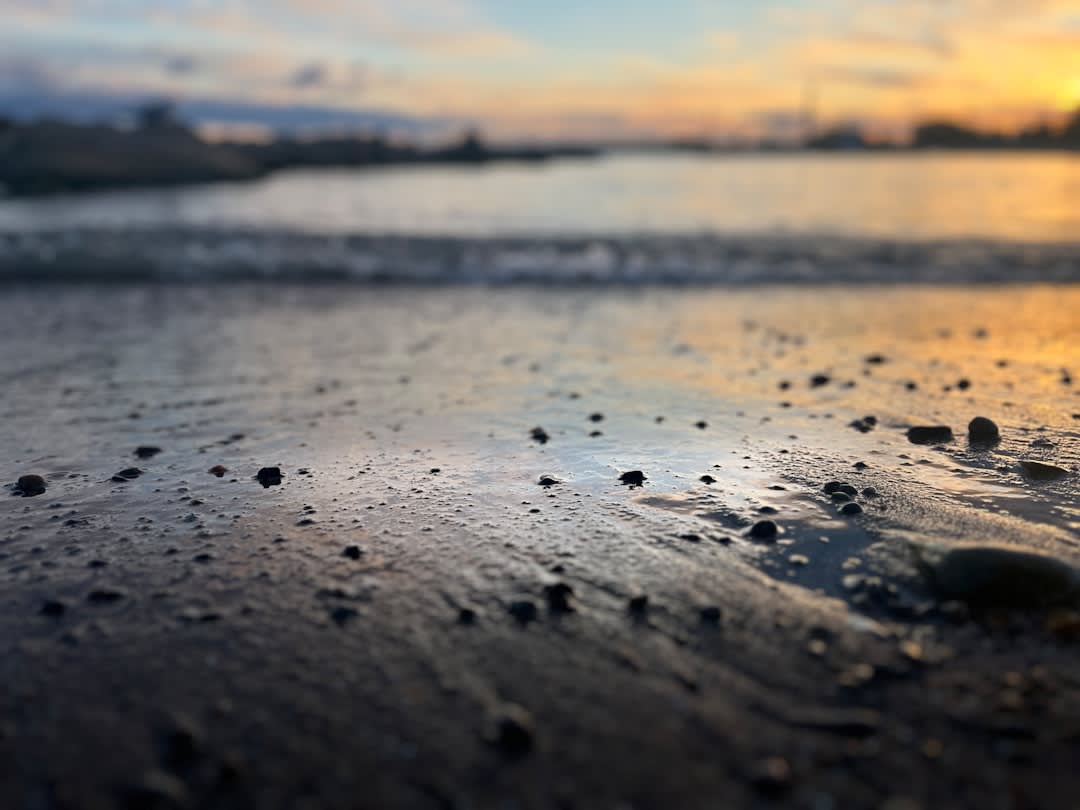
When to go: November through April for calm seas and dry roads; August to November if you want a shot at a turtle release, but expect afternoon rain.
Keep exploring
More from Guatemala
 guatemala
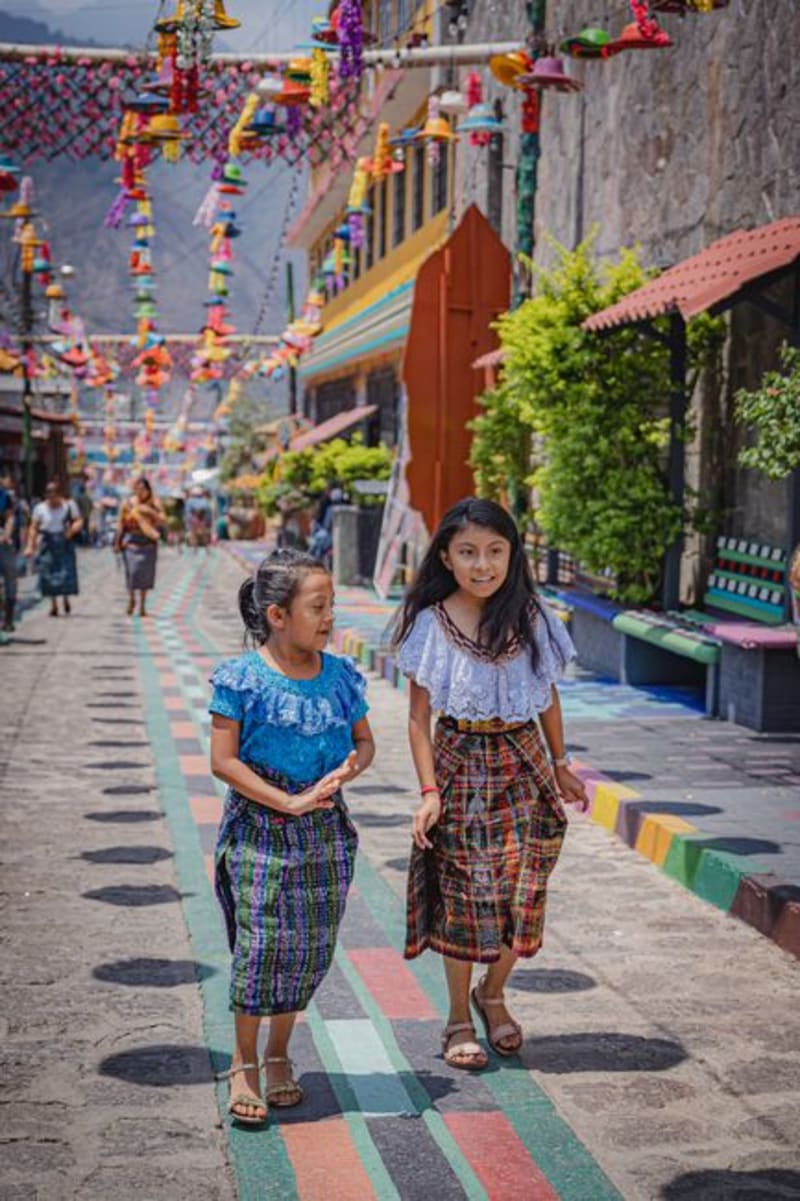
 Sololá
The highland market town above Lake Atitlán where K'iche' Maya traditional dress is still everyday clothing, not costume for visitors.
Explore guatemala
 Tikal
Maya temples rising from the jungle canopy, howler monkeys at dawn, and one of the great archaeological experiences on the planet.
Explore guatemala
 Todos Santos Cuchumatán
A Mam Maya mountain town famous for its red-striped trousers and a chaotic, drunken horse race held every All Saints' Day, high in Guatemala's coldest range.
Explore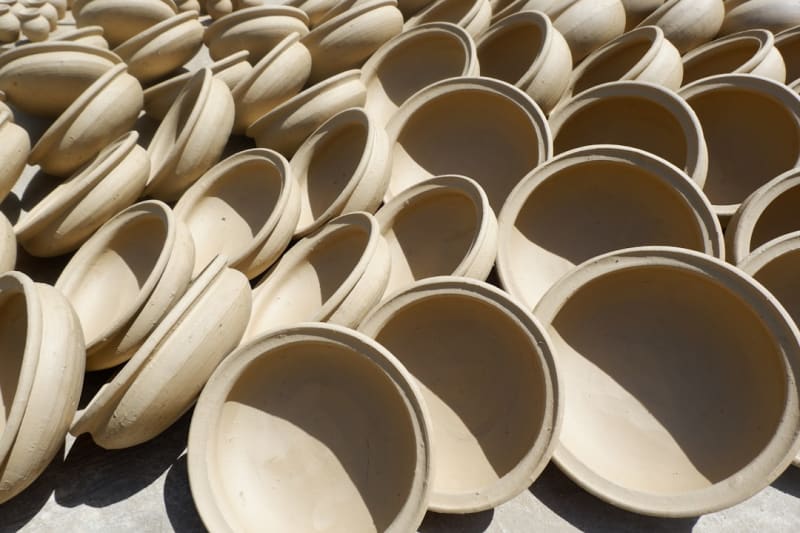 guatemala
 Totonicapán
A K'iche' highland capital known for its potters and mask-carvers, and for a communal land governance system its residents have defended, sometimes in the streets, for generations.
Explore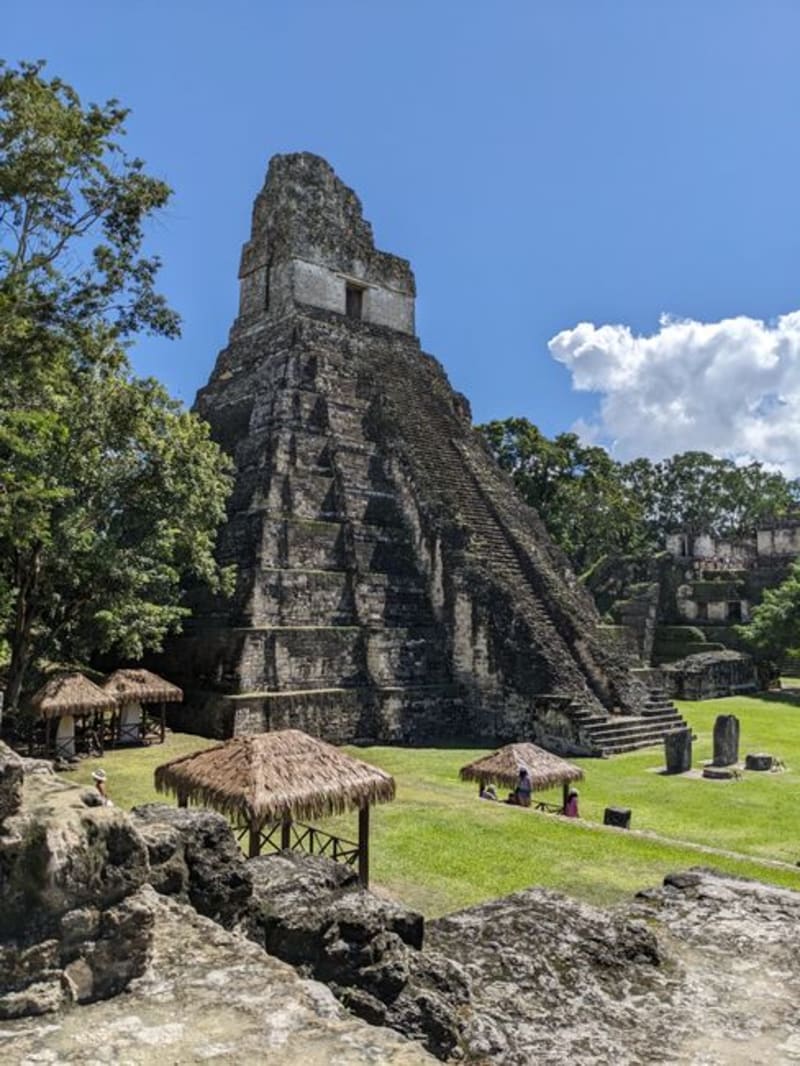 guatemala
 Uaxactún
A quiet Maya site near Tikal, home to the astronomical Group E complex the Maya used to track solstices and equinoxes with startling precision.
Explore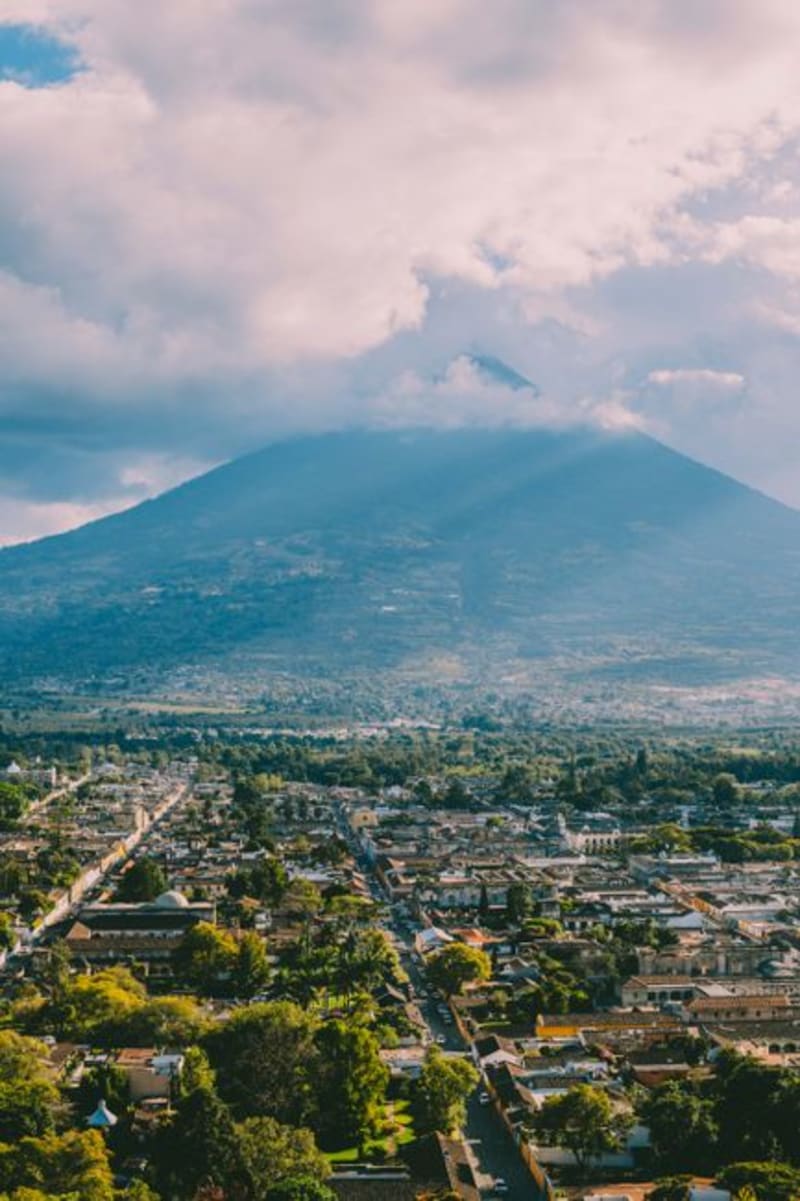 guatemala
 Volcán de Agua
The dormant giant looming over Antigua, whose 1541 mudslide erased a capital city and whose crater rim still rewards a brutal pre-dawn climb.
Explore