Santiago Atitlán
"I paid a few quetzales, sat with a wooden saint who smokes cigars, and it was the strangest hour of my year in Central America."
The lake's largest and most complicated town, where a wooden folk saint named Maximón receives rum offerings and the memory of civil-war violence still shapes daily life.
The lancha from Panajachel drops you at a dock busier and less curated than any other on the lake, and Santiago Atitlán makes clear within minutes that it is not arranging itself for your benefit. This is the largest Tz’utujil Maya town on Atitlán, and it feels like it — a real market crowded with women in huipiles so distinctive I could pick out Santiago’s embroidery pattern (birds, in bands of purple and yellow) from across the plaza, motorbikes weaving through crowds, vendors who barely glanced up as I passed. I’d been told this was the “authentic” stop on the lake circuit and I arrived skeptical of that word. I left convinced it, at least partially, earned it.
Sitting with Maximón
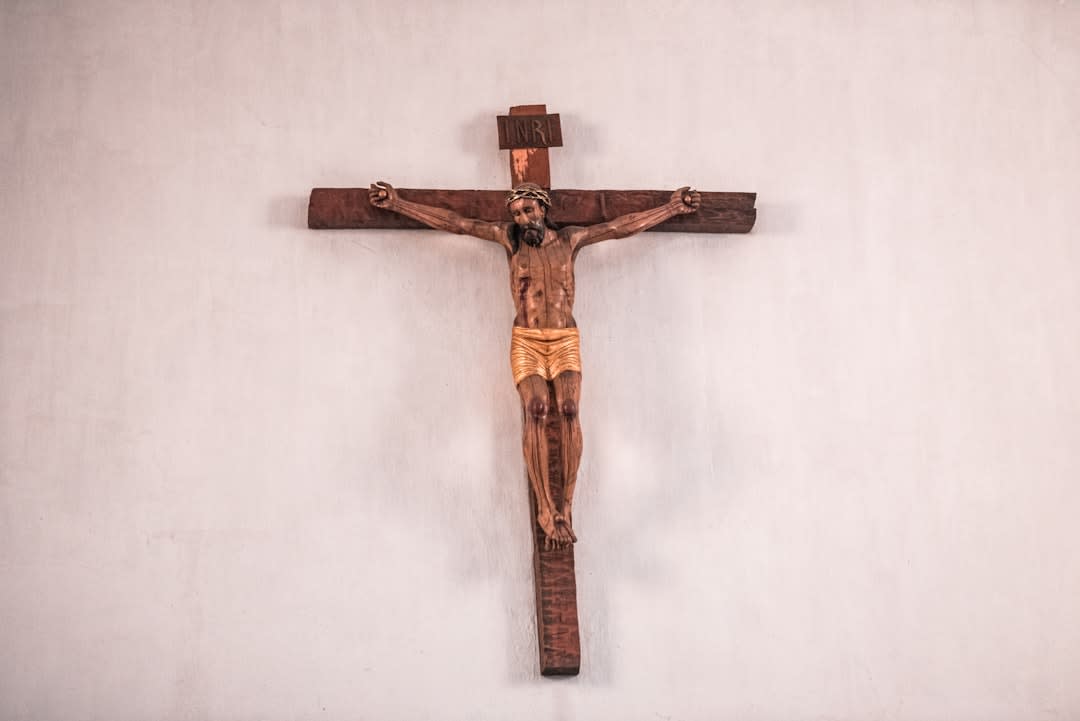
The reason most travelers come is Maximón, and I went in expecting a curiosity and left having had something closer to an experience. Maximón is a folk saint unique to a handful of highland towns — part Maya deity, part colonial-era invention, part local mischief — represented by a wooden effigy dressed in scarves, sunglasses, and a hat, cared for by a rotating cofradía (religious brotherhood) that moves him to a different house each year. I hired a kid outside the market to guide me to that year’s house, paid a small entrance fee, and found myself in a smoky room where a caretaker lit a cigarette and placed it in Maximón’s mouth while an older woman poured him a shot of rum onto the floor as offering. People pray to him for good crops, safe travel, revenge, love — whatever they need. I asked for nothing in particular and just sat, and the caretaker seemed to appreciate that I didn’t treat it as a photo op.
A town that remembers
Santiago carries civil-war history more visibly than anywhere else on the lake. In 1990, the army massacred thirteen residents here after a protest against military abuses, and the town successfully petitioned for the base’s removal — a rare and hard-won outcome. There’s a modest memorial near the church, and the priest who showed me around spoke about it plainly, without performance, the way you talk about something that happened to your own family because, for many people here, it did. It reframed everything else I saw that day — the huipiles worn not as costume but as continuity, the market’s stubborn ordinariness as its own kind of resistance.
When to go: Any dry-season morning (November–April) works for the market and Maximón visit, but go early — by early afternoon the lancha crowds thin and half the stalls have already packed up.
Keep exploring
More from Guatemala
 guatemala
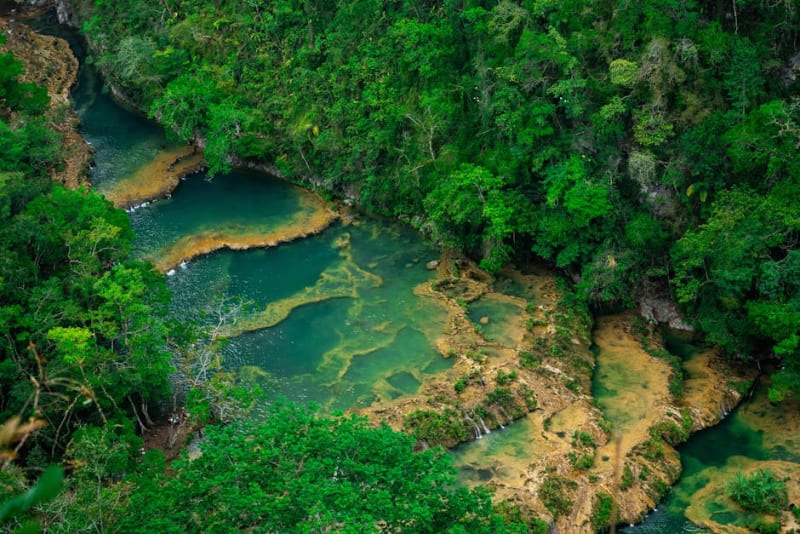
 Semuc Champey
Turquoise limestone pools stacked in the jungle like nature's infinity edges, above a river that disappears underground.
Explore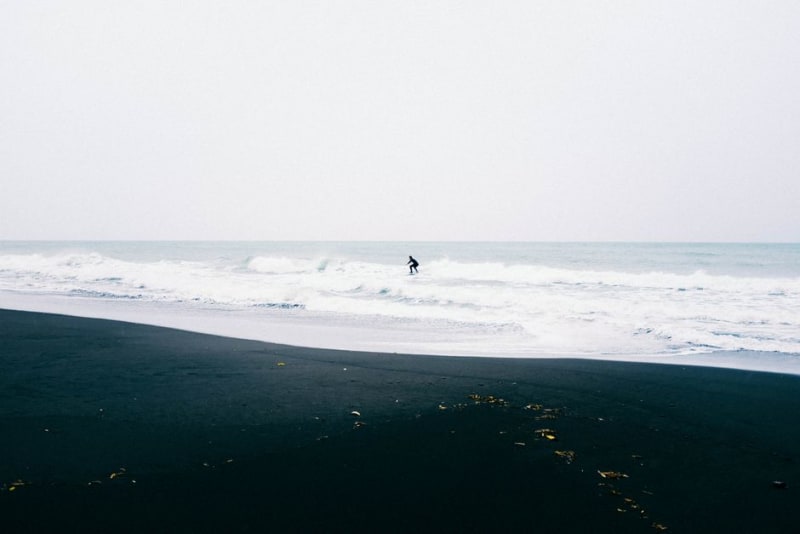 guatemala
 Sipacate
A Pacific coast town where a mangrove estuary meets black-sand surf, quieter and rawer than its famous neighbor El Paredón, just down the same dirt road.
Explore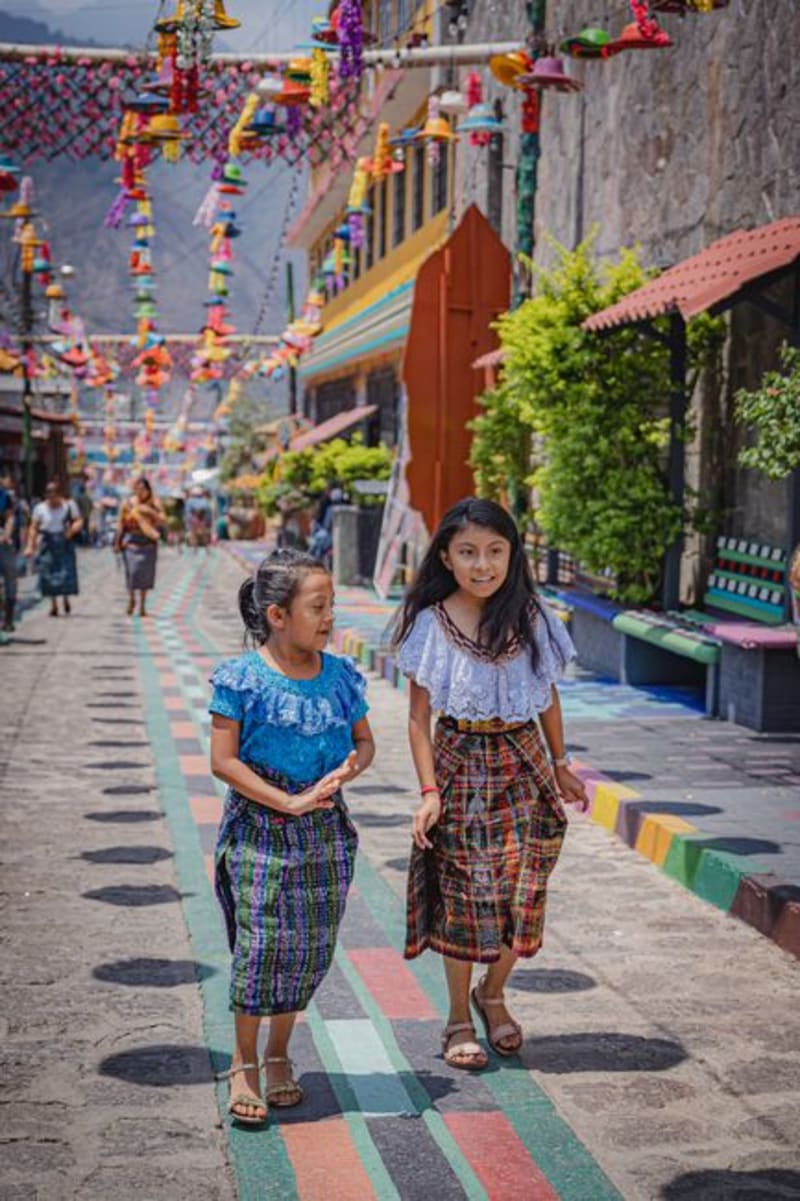 guatemala
 Sololá
The highland market town above Lake Atitlán where K'iche' Maya traditional dress is still everyday clothing, not costume for visitors.
Explore guatemala
 Tikal
Maya temples rising from the jungle canopy, howler monkeys at dawn, and one of the great archaeological experiences on the planet.
Explore guatemala
 Todos Santos Cuchumatán
A Mam Maya mountain town famous for its red-striped trousers and a chaotic, drunken horse race held every All Saints' Day, high in Guatemala's coldest range.
Explore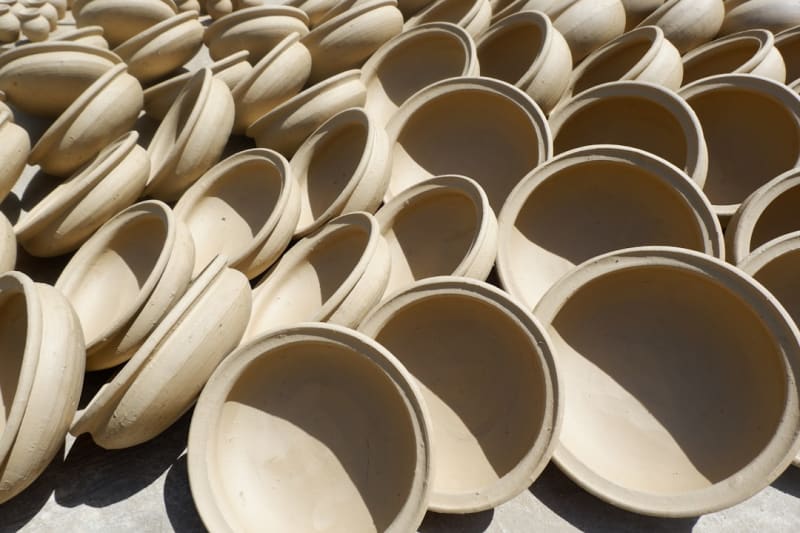 guatemala
 Totonicapán
A K'iche' highland capital known for its potters and mask-carvers, and for a communal land governance system its residents have defended, sometimes in the streets, for generations.
Explore