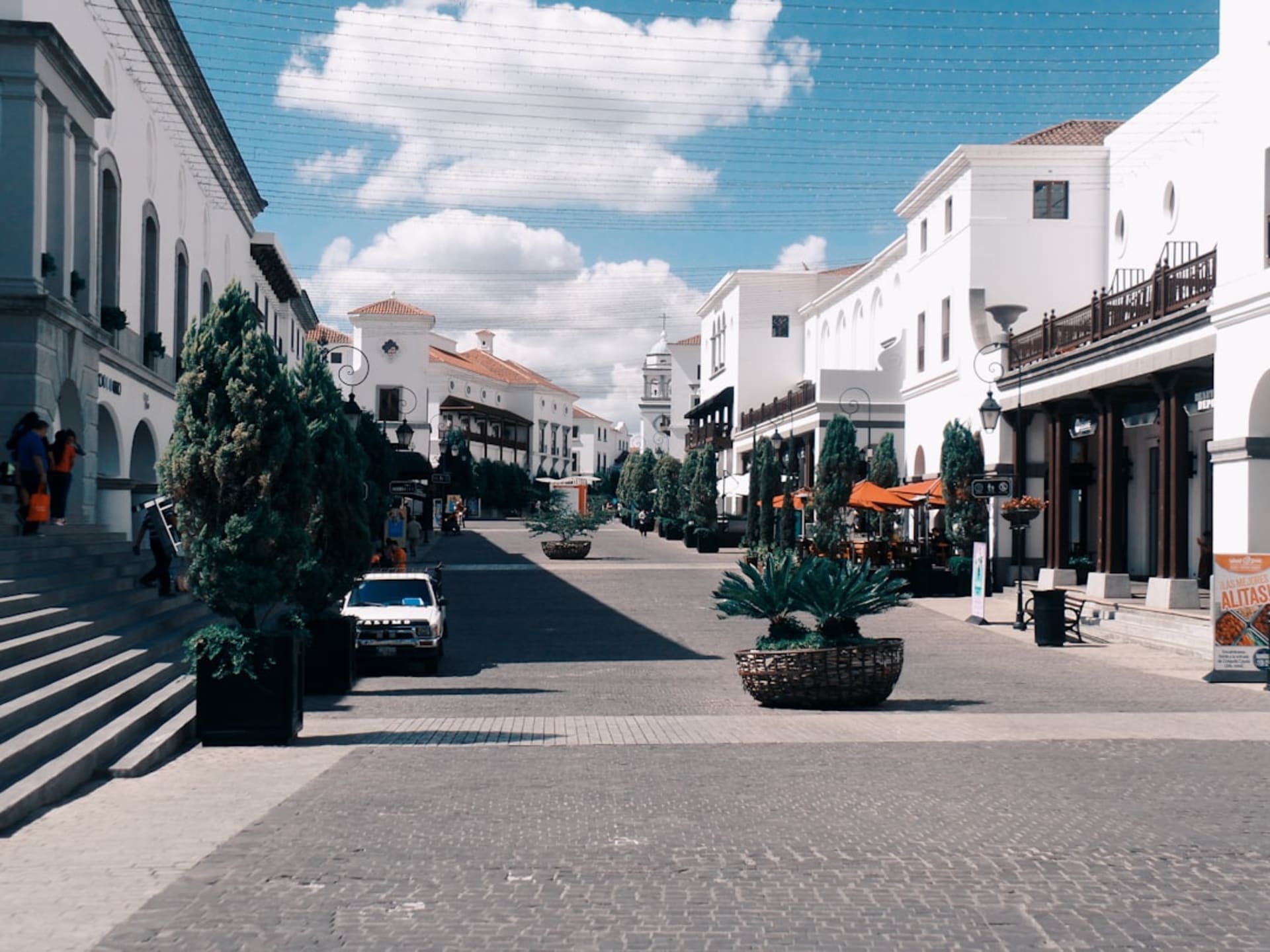
San Juan La Laguna
"San Juan is the one lake town where I felt like my money was actually staying with the people who earned it."
A cooperative-run weaving and coffee town whose murals and natural-dye workshops model a version of tourism that actually pays the community.
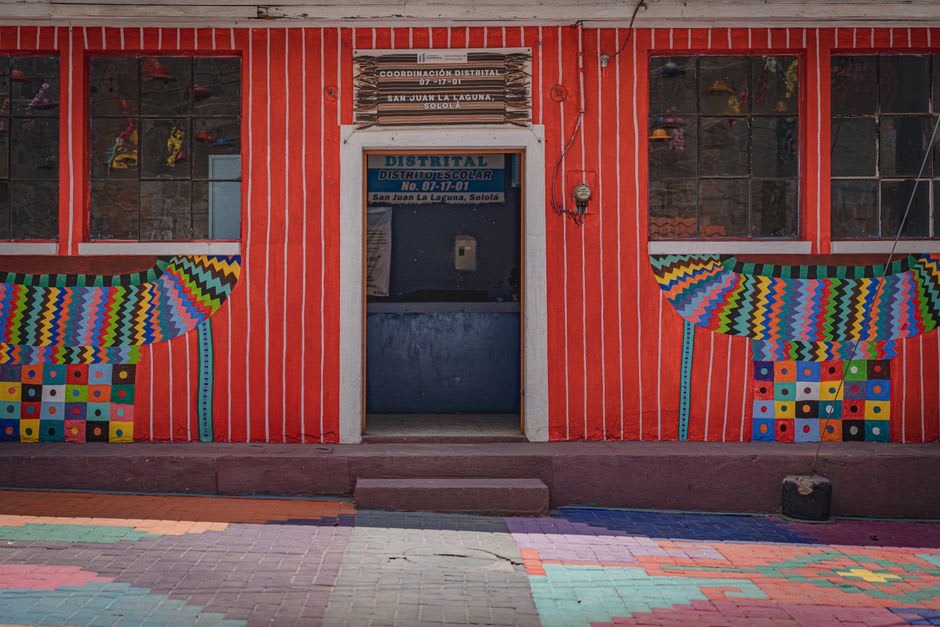
The lancha from San Pedro to San Juan La Laguna takes about five minutes, but the shift in atmosphere is immediate. No hostel touts on the dock, no competing bars blasting different music — just a steep street lined with murals in ochre and cochineal-red, and a noticeboard advertising cooperative tours in clean, deliberate English and Spanish. San Juan decided, collectively and deliberately, to build its economy around cooperatives rather than backpacker infrastructure, and after a week of noisier lake towns it felt like exhaling.
Threads dyed with beetles and indigo
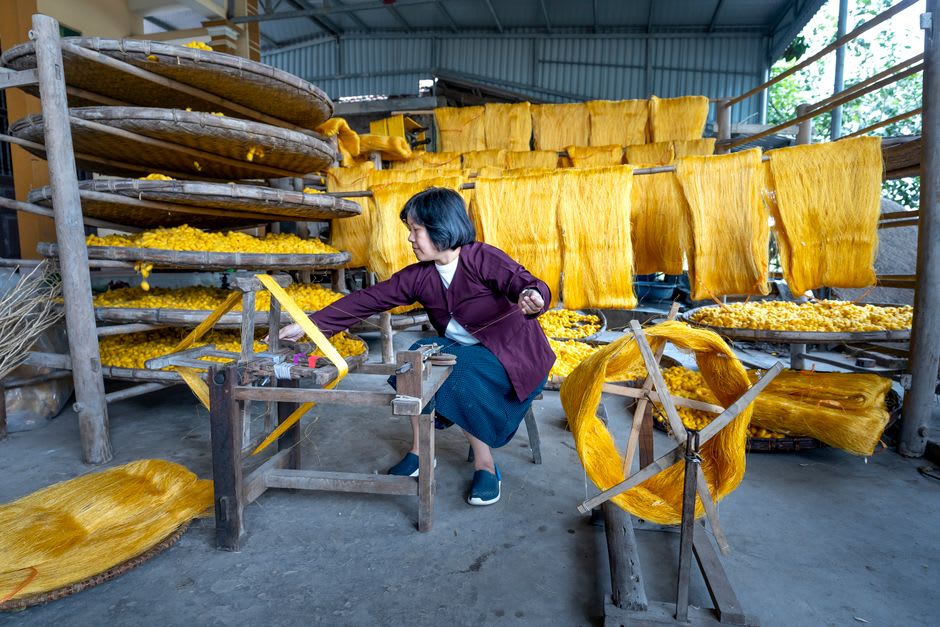
I booked a two-hour tour with Lema’ Cooperative, one of several women-run textile groups in town, and it remains one of the best-spent hours of my time in Guatemala. A Tz’utujil weaver named Juana walked me through the entire process from raw cotton to finished huipil: carding, spinning on a drop spindle, then dyeing with cochineal beetles crushed for red, añil indigo for blue, and pericón flowers for yellow, all boiled in the same blackened pots her mother used. She then sat at a backstrap loom tied to a porch post and worked in silence for a few minutes so I could actually watch the pattern emerge, before explaining that a single huipil can take three months of evening work. I bought a table runner. It felt inadequate compensation for what I’d just seen.
Coffee, murals, and a model worth copying
The town runs the same cooperative logic through its coffee. Asociación Chajulense and a couple of smaller collectives grow, roast, and sell beans on-site, and I ended a tour tasting three single-origin cups on a terrace above the lake, poured by the same farmer who’d shown me the drying patio twenty minutes earlier. Between workshops I wandered the streets photographing the murals that cover nearly every wall in the upper town — some painted by local youth groups, funded in part by the same tourism income the cooperatives generate, depicting Maya cosmology, corn harvests, and the lake itself. It’s the closest thing on Atitlán to a town that figured out how to host visitors without hollowing itself out in the process.
When to go: Year-round, but weekday mornings (Tuesday to Friday) are best to catch the cooperatives actually working rather than closed for market day in neighboring towns.