San Andrés Itzapa
"I have never seen a saint handed a lit cigarette and a shot of rum before, and I don't think I'll see it again anywhere but here."
A highland town built around a shrine to Maximón, the cigar-smoking folk saint who blends Maya ritual and Catholic imagery without apology.
The smoke hit me before I was even through the door — thick with copal incense, cigarette smoke, and something sweeter underneath that I later learned was the rum being poured as an offering. San Andrés Itzapa, a modest Kaqchikel town not far from Chimaltenango, is home to the most significant shrine in Guatemala dedicated to Maximón, sometimes called San Simón — a folk saint who is neither fully Maya nor fully Catholic, dressed in a suit and hat, sitting enthroned inside a dim room where the devout come to ask for favors ranging from healing to revenge.
Inside the Shrine
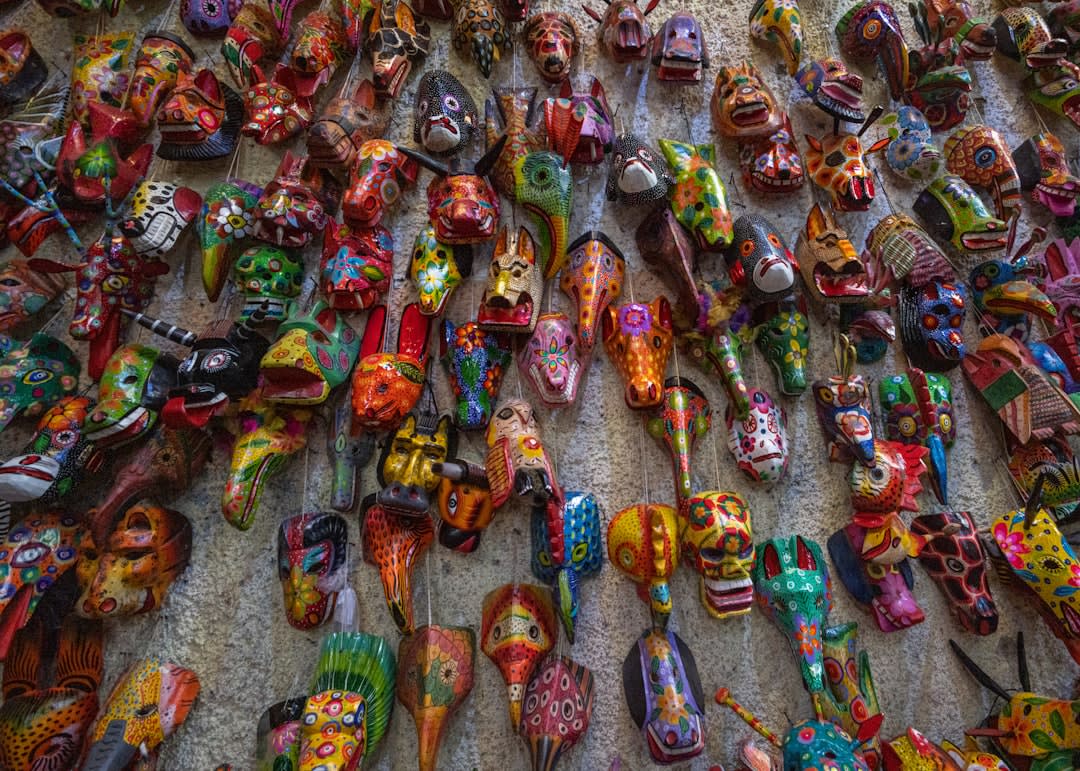
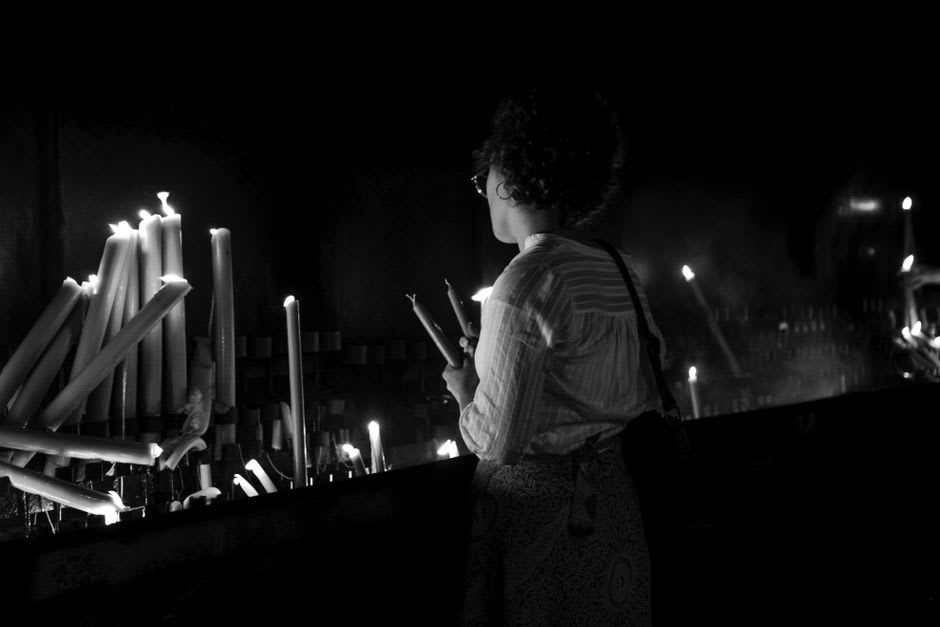
Photography inside is restricted and I didn’t push it, but the scene is worth trying to describe: Maximón sits upright on a chair at the center of the room, a wooden effigy dressed in real clothes — ties, scarves, sometimes sunglasses, depending on who’s dressed him that week — with a lit cigar perpetually between his lips and attendants standing by to refresh it. Visitors approach in a kind of loose queue, whispering requests, lighting candles in specific colors tied to specific wishes (red for love, green for money, black for something darker), and leaving offerings of rum, cigarettes, or coins at his feet.
Syncretism, Not Contradiction
I talked afterward with a woman selling candles outside who explained, without a trace of defensiveness, that praying to Maximón and attending Mass the next morning weren’t contradictory acts to her at all — this is a faith built from five centuries of Maya ritual bent around an imposed Catholicism, and the result isn’t confusion, it’s a genuinely separate theology that makes complete sense on its own terms. She’d been coming since she was a girl, brought by her grandmother, and she still asks Maximón for the same things: health for her children, a good harvest, protection on the road.
I left feeling like I’d witnessed something that tourism hasn’t managed to hollow out yet, mostly because so few foreign visitors make the trip. If you go, go quietly, buy a candle if you’re moved to, and let the ritual be exactly what it is rather than a photo opportunity.
When to go: October 28th is Maximón’s feast day and draws the largest crowds and most elaborate rituals of the year, though the shrine functions daily and a weekday afternoon visit offers a quieter, more contemplative experience.
Keep exploring
More from Guatemala
 guatemala
 San Francisco El Alto
A highland hilltop town that hosts one of Central America's largest weekly markets every Friday, a chaotic, thrilling sprawl of livestock, textiles, and produce from across the region.
Explore guatemala
 San Juan La Laguna
A cooperative-run weaving and coffee town whose murals and natural-dye workshops model a version of tourism that actually pays the community.
Explore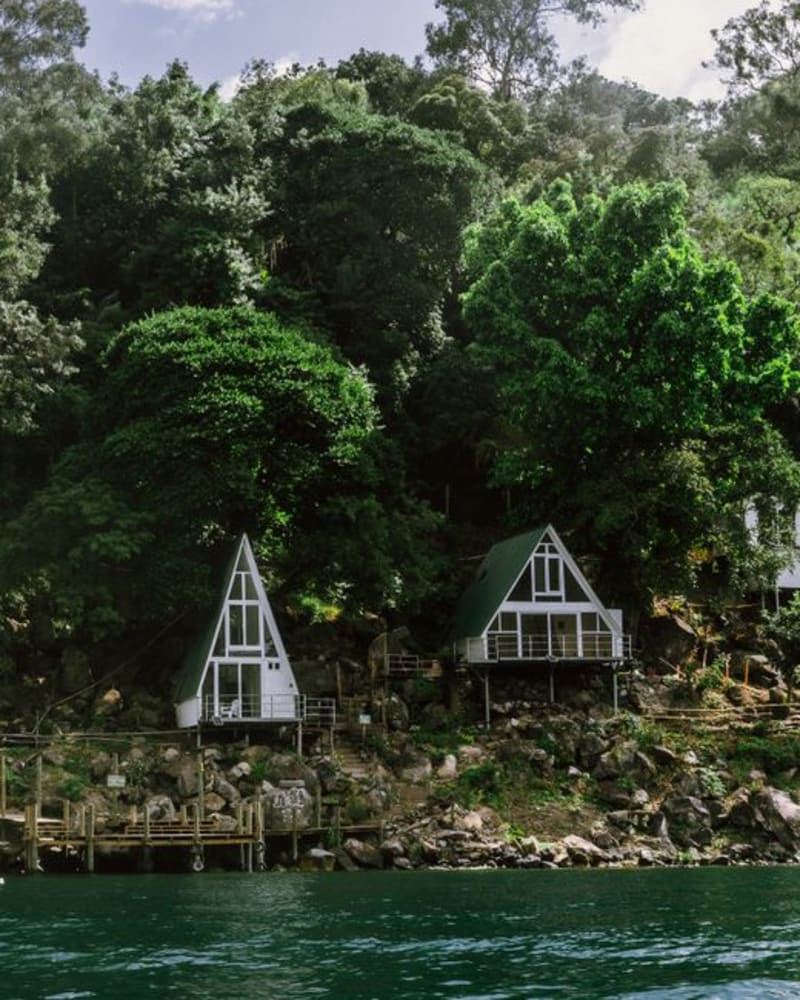 guatemala
 San Marcos La Laguna
A tiny lakeside village turned wellness retreat, where cacao ceremonies and sound baths share the footpath with cliff-jumping into impossibly clear water.
Explore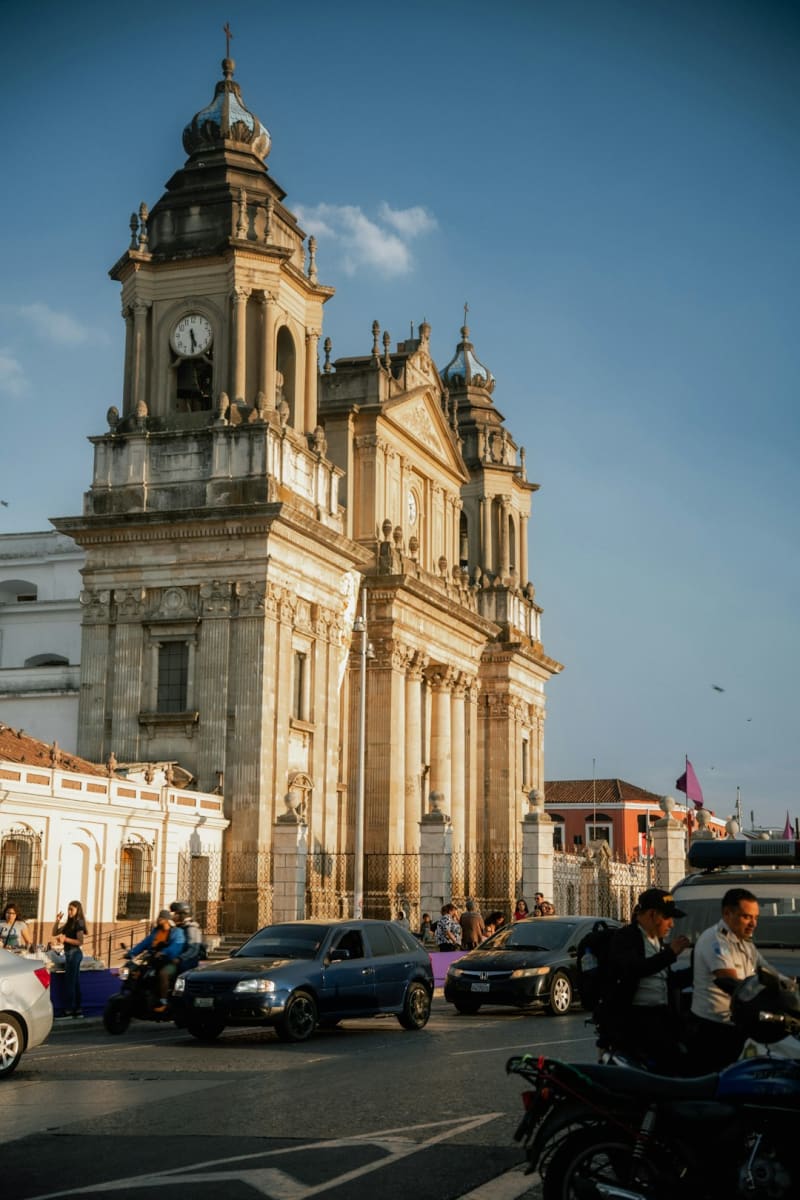 guatemala
 San Pedro La Laguna
A backpacker town stacked up the flank of its own volcano, where Spanish classes, hostel bars, and a brutal sunrise hike compete for your week.
Explore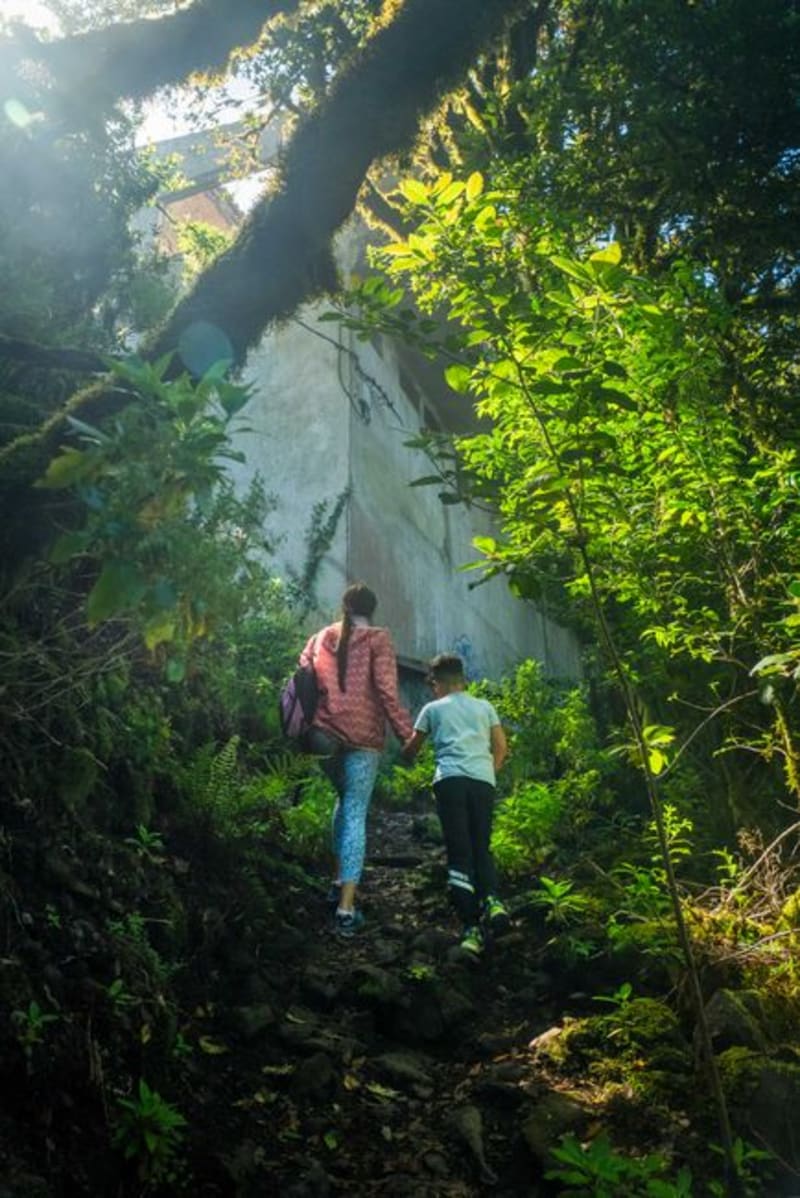 guatemala
 Santa Cruz La Laguna
A hillside village with no road access at all, reachable only by boat or a steep footpath, where a lakeside diving school trains people in genuinely clear water.
Explore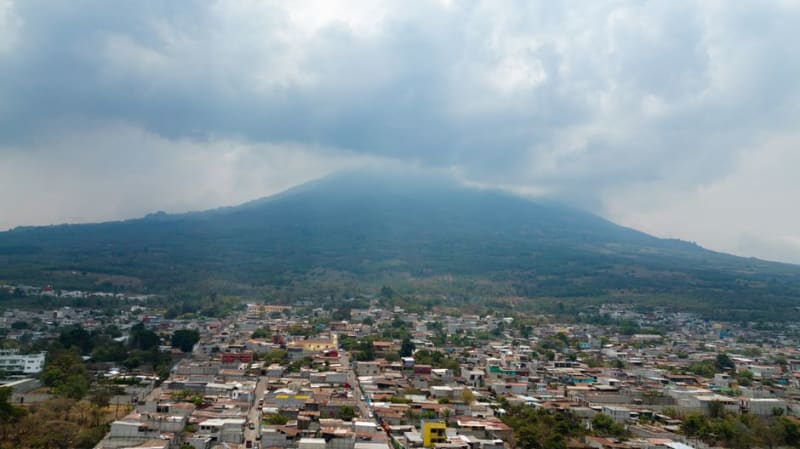 guatemala
 Santa María de Jesús
A Kaqchikel weaving town at the literal foot of Volcán de Agua, where the trailhead to the summit starts a few steps from the market stalls.
Explore