Retalhuleu
"Half colonial cattle town, half water park capital — Reu doesn't quite know what it wants to be, and I liked it more for that."
A Pacific lowland city known to everyone as 'Reu,' surrounded by cattle ranches and coffee fincas, home to Guatemala's biggest theme and water parks.
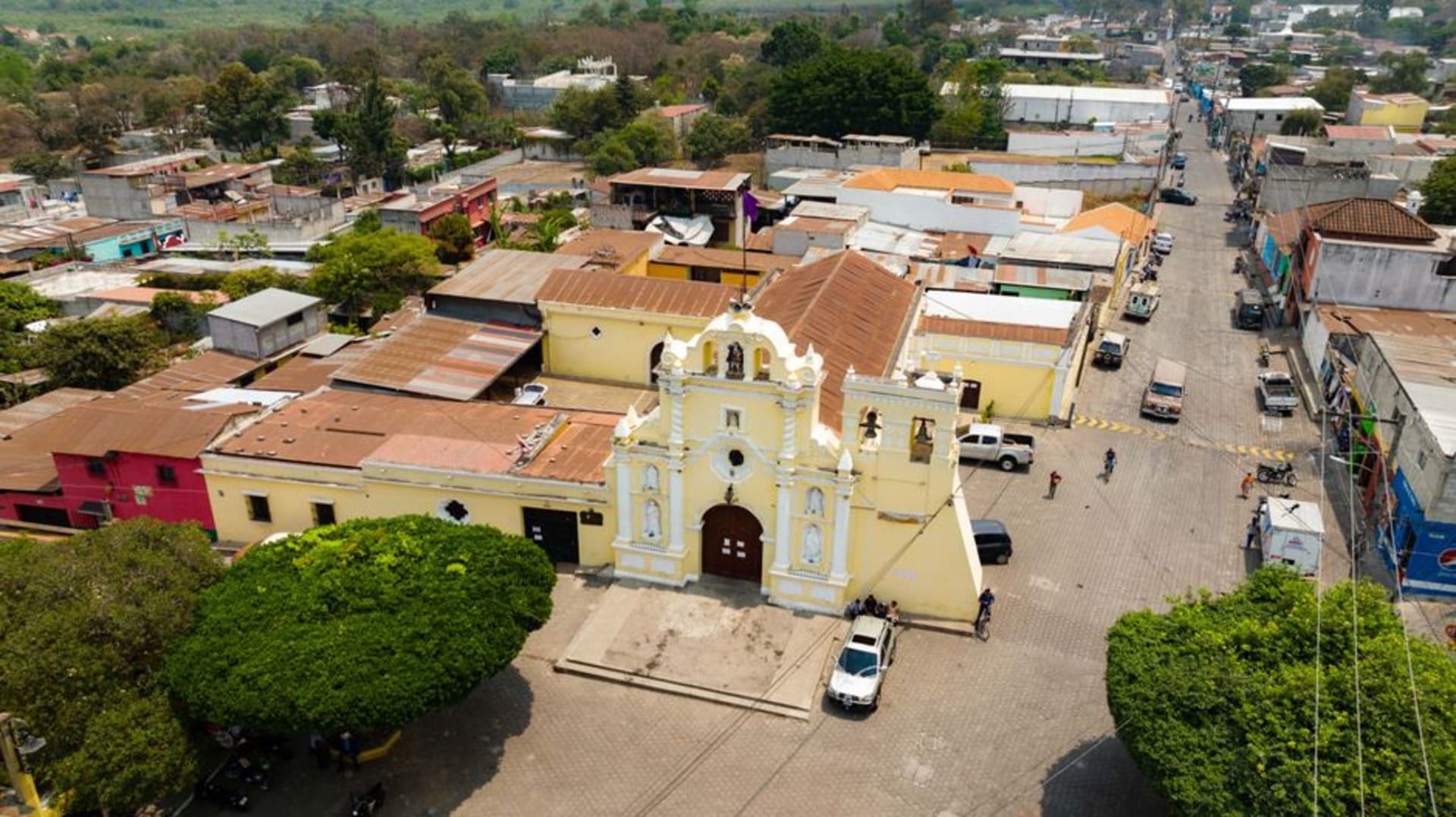
Nobody in Guatemala calls it Retalhuleu. It’s Reu, always, and the shortened name tells you something about the town’s personality — unpretentious, a little sun-bleached, more concerned with getting on with things than putting on airs for visitors. I came through on a work trip that had nothing to do with tourism, delivering some translated materials to a coffee cooperative outside town, and ended up staying an extra day because the contrast of the place caught me off guard: a handsome colonial plaza with a church and wrought-iron benches sitting less than twenty minutes from one of the largest theme parks in Central America.
Cattle, coffee, and a plaza that remembers slower days
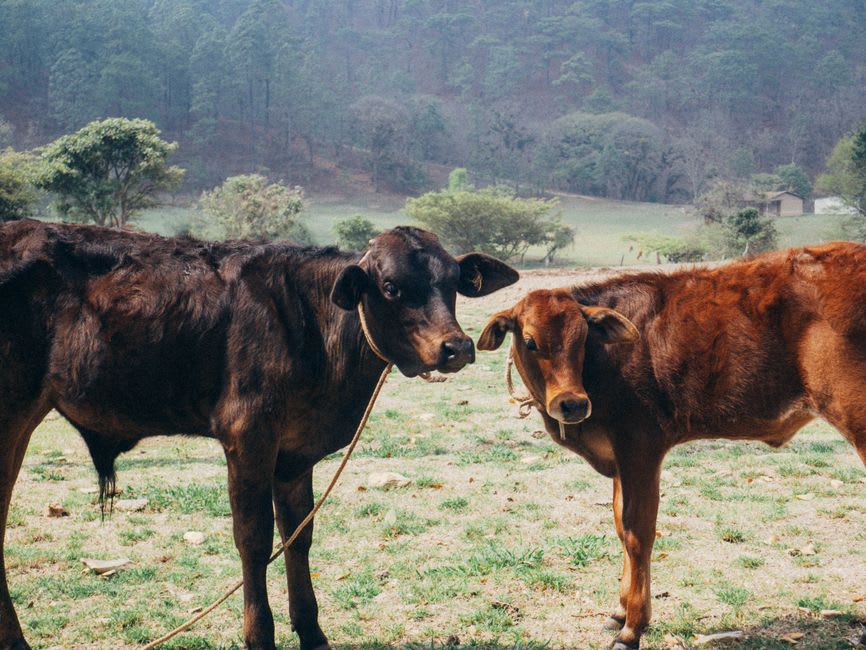
The Reu I first encountered was the historic one — a grid of low colonial buildings, motorbike taxis idling in the shade, ranchers in straw hats loading cattle trucks on the edge of town. This region is serious agricultural country, prosperous from cattle ranching on the coastal flats and coffee grown on the volcanic slopes rising just inland, and you feel that wealth in a certain quiet solidity to the older buildings downtown, a handful of genuinely elegant facades that most travelers never notice because they’re racing straight through to the beach or the parks. I had a long lunch of caldo de res in a family comedor just off the plaza, the owner explaining, unprompted, that her family had raised cattle in the surrounding fincas for three generations before she opened the restaurant.
Xetulul and Xocomil — Guatemala’s answer to a theme park
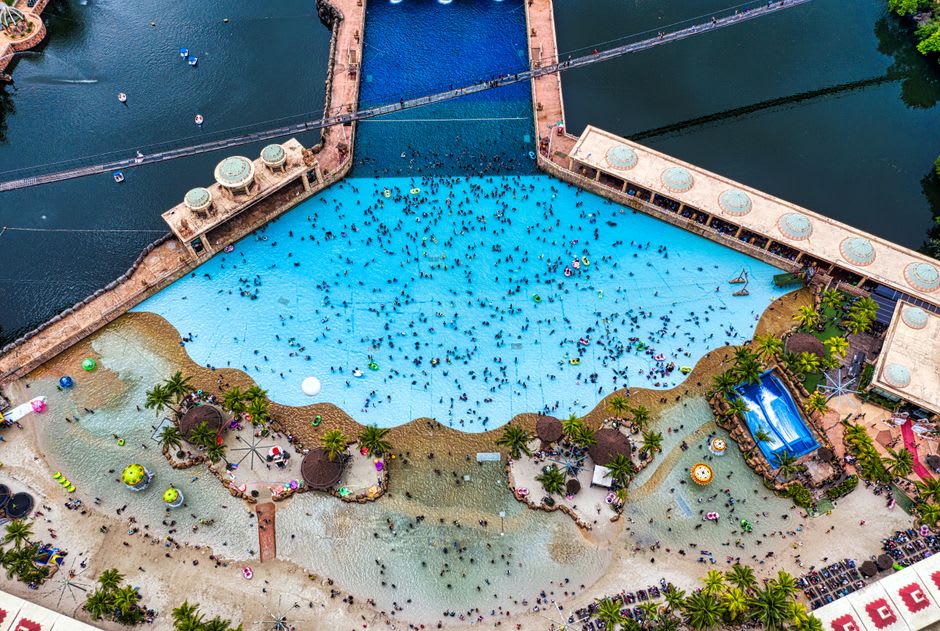
Then there’s the other Reu — Xetulul, an elaborate theme park built around miniature recreations of European landmarks, and Xocomil next door, one of the largest water parks in Latin America, both drawing families from across the country on weekends. It’s a genuinely strange juxtaposition against the surrounding cattle country, and I spent an afternoon at Xocomil mostly people-watching rather than riding slides, struck by how thoroughly local the crowd was — this isn’t built for foreign tourists, it’s where middle-class Guatemalan families from the capital and the coast come to spend a Saturday, and the atmosphere of unfiltered domestic fun was more interesting to me than the water slides themselves.
When to go: Year-round, though weekends bring the biggest crowds to Xetulul and Xocomil — visit midweek for a quieter park experience, or stick to the colonial center any time.