Pastores
"I went to Pastores for boots and left with a genuine respect for how much skill goes into something I'd always taken for granted."
A small town outside Antigua where the smell of tanned leather and the rasp of sewing machines announce Guatemala's cowboy-boot capital.
The tuk-tuk driver from Antigua dropped me on Pastores’ main street and told me, unprompted, which workshop his own boots came from — a small but telling detail in a town where apparently everyone has an opinion about who makes the best leather in Guatemala. Pastores is barely fifteen minutes from Antigua’s cobblestones, but it operates in a completely different register: no cafés with oat-milk options here, just storefront after storefront hung with handmade cowboy boots, belts, and saddles, the whole street smelling faintly of tanned hide and rubber cement.
Where the Boots Get Made
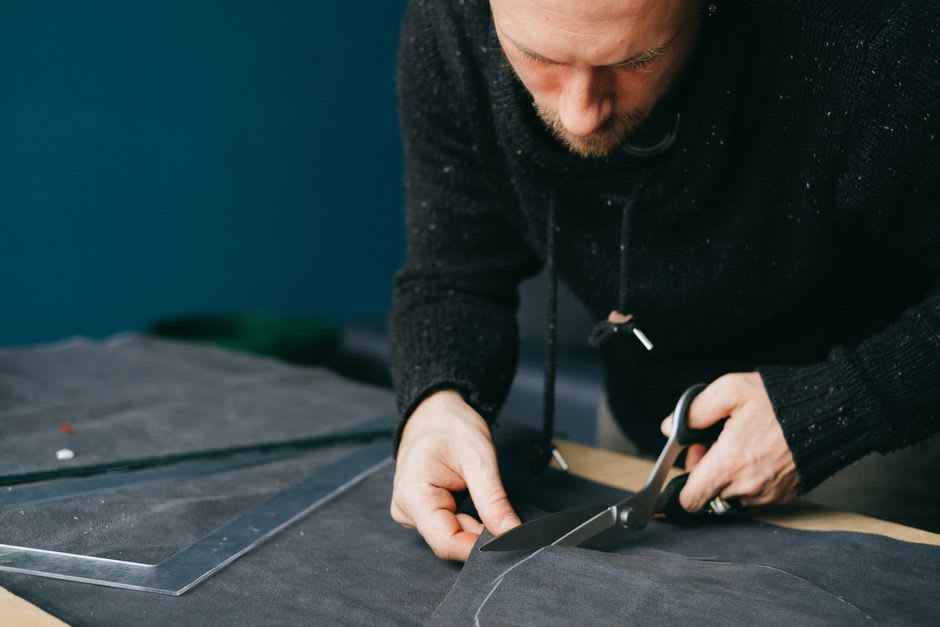
I ducked into a workshop where the owner, a man probably in his sixties with hands stained dark from years of dye, let me watch him cut a hide pattern for a pair of boots a customer had ordered by phone from Guatemala City. He worked from a chalk outline and a lifetime of muscle memory, no measuring tape, cutting the leather in long confident strokes that looked almost careless until I saw how precisely the pieces matched up. Behind him, two younger workers ran ancient-looking sewing machines that clattered like typewriters, stitching uppers to soles with a speed that made my earlier coffee-picking failure at a nearby finca look even more amateurish by comparison.
An Unplanned Purchase
I hadn’t planned to buy anything — I told myself that firmly on the tuk-tuk ride over — but the owner pulled a pair of caramel-colored boots off the wall, stitched with a modest floral pattern up the shaft, and told me to just try them on, no obligation. They fit better than any shoe I’ve bought in years, shaped by hand rather than a mold, and I walked out twenty minutes later having negotiated a price that still felt like a steal for the amount of skilled labor involved.
Pastores isn’t a place you spend a full day; an hour or two wandering the main strip, popping into two or three workshops to compare styles and haggle politely, is enough. But if you want a genuinely handmade souvenir from Guatemala that isn’t a textile — something with a maker you actually met — this is the town for it, and every pair I’ve since shown off back home has come with the story of the man who cut the leather himself.
When to go: Any time of year works since the workshops operate indoors, though weekday mornings mean less competition for the best-selling styles, which sometimes sell out before weekend visitors from Guatemala City arrive.
Keep exploring
More from Guatemala
 guatemala
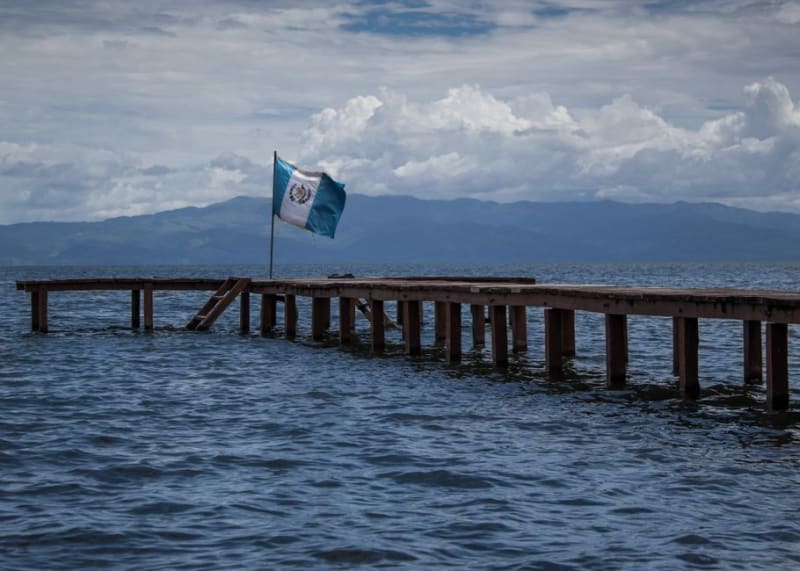
 Puerto Barrios
A sun-bleached Caribbean port town built by banana companies a century ago, now a laid-back gateway to Livingston with nowhere to rush.
Explore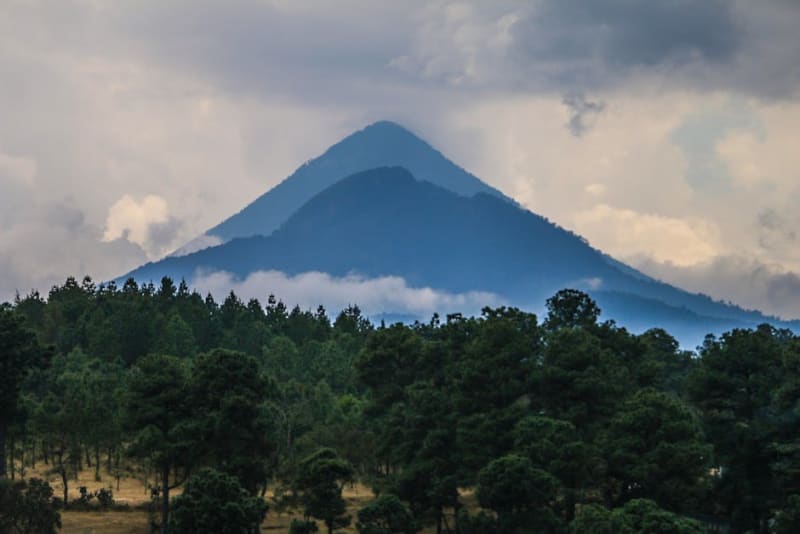 guatemala
 Quetzaltenango
Guatemala's highland second city — called Xela by everyone who lives there — where the Spanish schools are serious and the volcanic hot springs cure everything.
Explore guatemala
 Quiriguá
A UNESCO Maya site hidden inside a working banana plantation, home to the tallest carved stelae in the Maya world and a collection of strange zoomorphic boulders.
Explore guatemala
 Retalhuleu
A Pacific lowland city known to everyone as 'Reu,' surrounded by cattle ranches and coffee fincas, home to Guatemala's biggest theme and water parks.
Explore guatemala
 Río Dulce
A jungle-walled river canyon connecting Lake Izabal to the Caribbean, with hot springs, manatees, and a seventeenth-century Spanish fortress.
Explore guatemala
 Salcajá
A small highland town famous for two unrelated things done with equal devotion — jaspé tie-dyed thread and Central America's oldest surviving church.
Explore