Momostenango
"This is a town that still measures time by a calendar older than the Gregorian one, and nobody here finds that remarkable."
A K'iche' Maya wool town where Saturday markets sell hand-loomed ponchos by the hundred, and where daykeepers still read the sacred 260-day calendar as a living practice, not a museum piece.
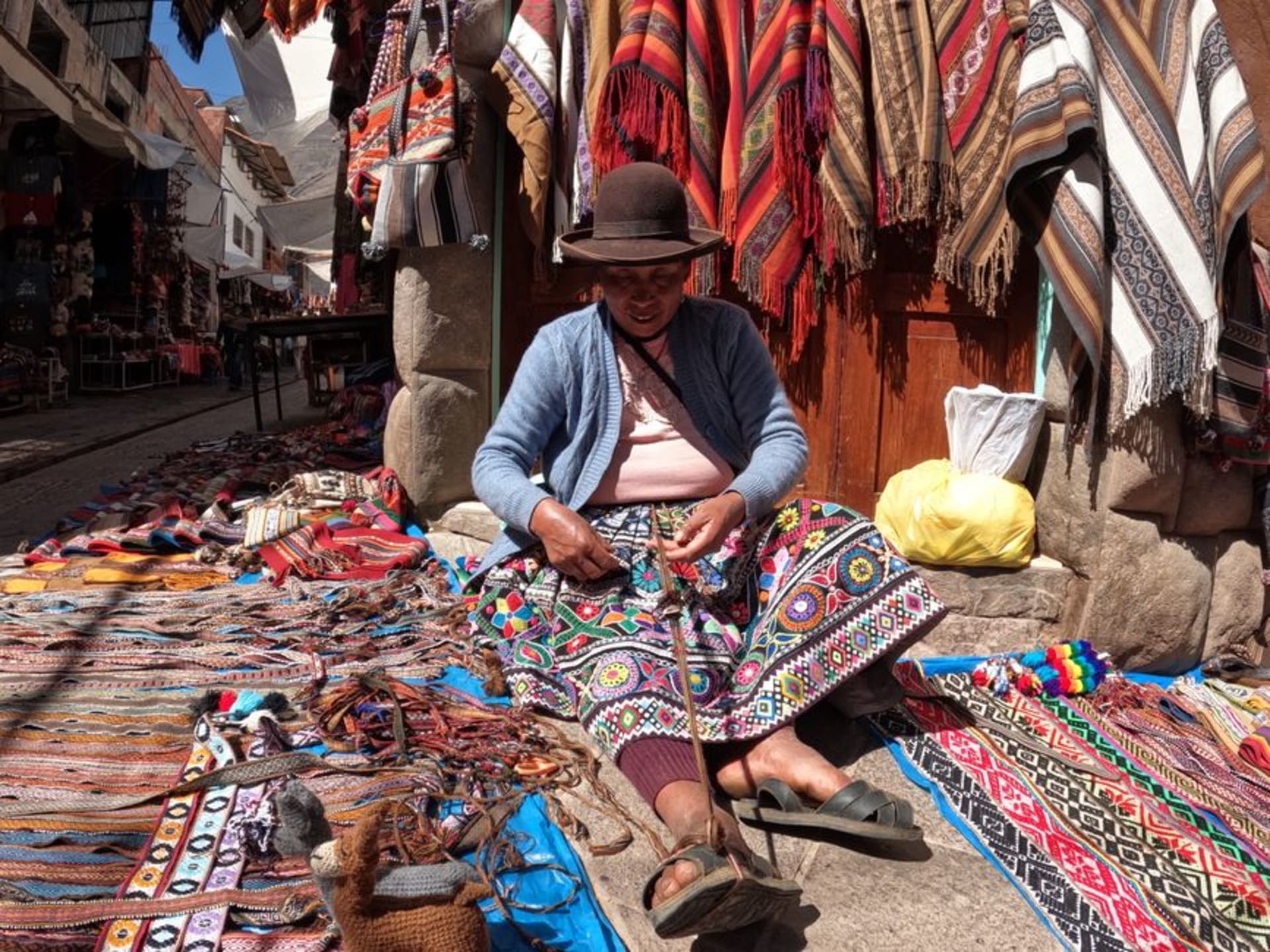
I arrived in Momostenango on a Friday night specifically to be there for the Saturday market, and I still wasn’t prepared for the scale of it. By seven the next morning the plaza and the streets around it were a wall of wool — ponchos, blankets, chamarras stacked chest-high, every shade of undyed cream and grey through deep indigo, laid out by weavers who’d walked in from surrounding aldeas before dawn. Momostenango sits at a cooler, higher altitude than most of the western highlands, and that cold is precisely why the wool trade took root here centuries ago and never left. You feel the logic of it standing in the market at 7am in three layers and still shivering.
A Market Built on Actual Sheep
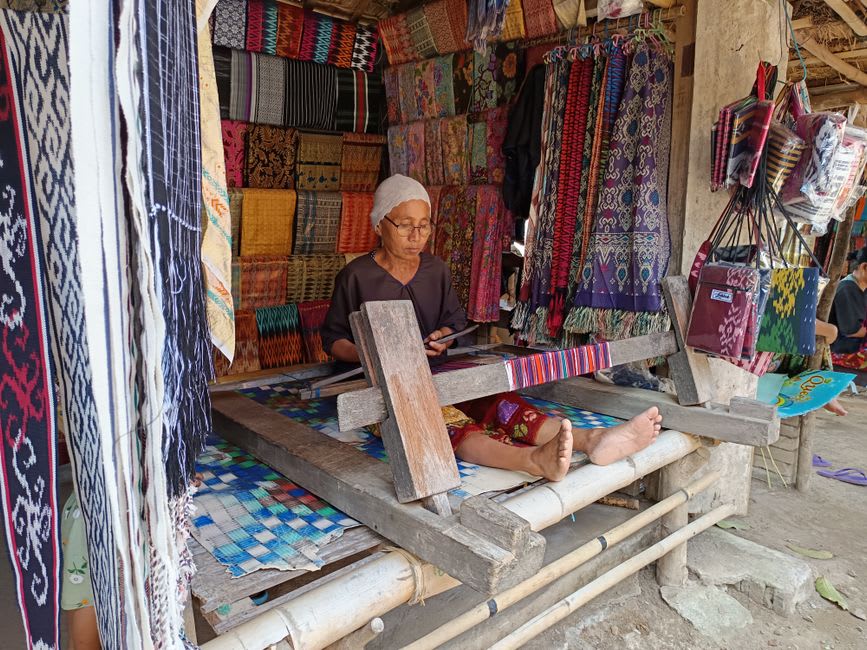
Unlike the more tourist-adjacent textile markets, Momostenango’s wool trade is still substantially a local, practical economy — farmers selling raw fleece, spinners selling thread, and the ponchos themselves bought as much by Guatemalans from colder departments as by any visitor. I got talking, slowly, in mixed Spanish and gestures, with a weaver named Don Pascual who’d brought down a stack of chamarras his wife had made over the past month on a foot-pedal loom in their house. He quoted me a price for one, I tried to negotiate out of habit, and he just shrugged and said the price was the price because the wool was real and the work was real. I paid it. I still wear that poncho every cold morning back home.
The Calendar That Never Stopped
What I hadn’t expected was how present the ancient Maya calendar still is here. Momostenango is one of the strongholds of the 260-day Cholq’ij calendar, kept alive by aj q’ij — daykeepers — who perform ceremonies at altars on the edges of town, reading the day-signs for clients seeking guidance on everything from health to marriage to travel. I didn’t attend a ceremony myself — it felt like something to be invited to, not to gawk at — but a guesthouse owner explained the system to me over dinner with the same matter-of-fact tone she’d use describing a Catholic mass schedule. It’s not presented as folklore or revival. It’s presented as Tuesday.
When to go: Come for the Saturday market specifically, and pack a warm layer regardless of season — Momostenango’s altitude keeps mornings cold even in the dry months of November to April.
Keep exploring
More from Guatemala
 guatemala
 Monterrico
Black volcanic sand, Pacific surf, mangrove estuaries, and the only beach town in Guatemala where sea turtles nest under the stars.
Explore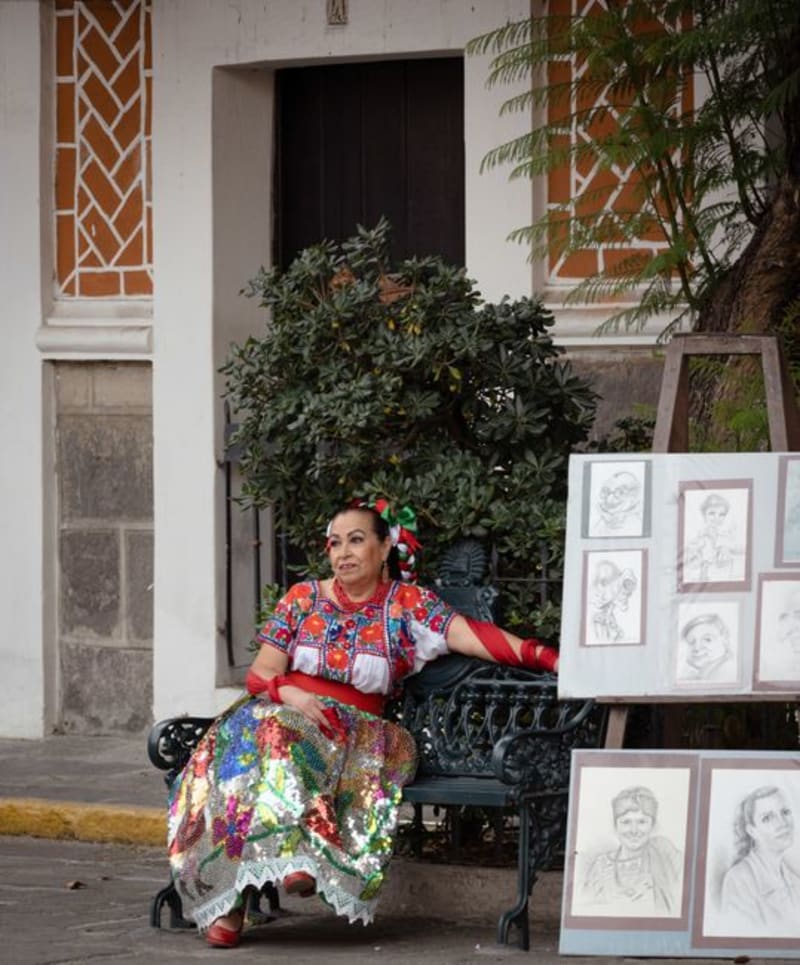 guatemala
 Nebaj
The remote heart of the Ixil Triangle, where distinctive red-and-purple traje and a still-raw civil-war history sit inside some of Guatemala's most isolated highlands.
Explore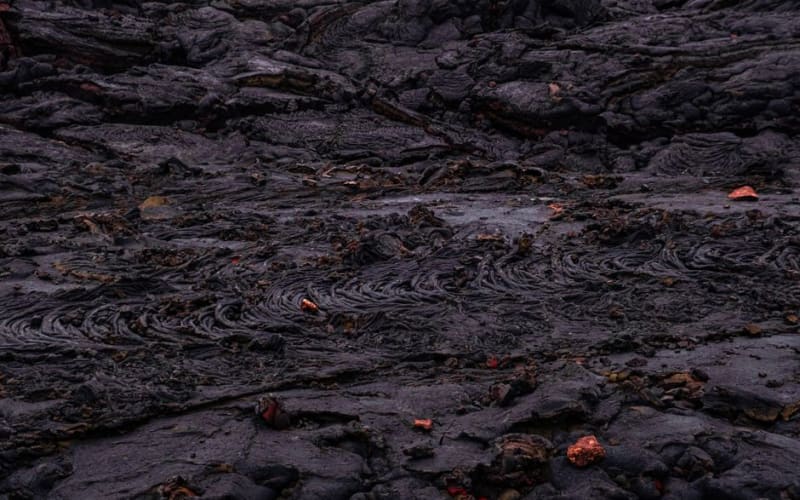 guatemala
 Pacaya Volcano
An active volcano close enough to Antigua for a half-day hike, where you roast marshmallows on rock still warm from the last lava flow.
Explore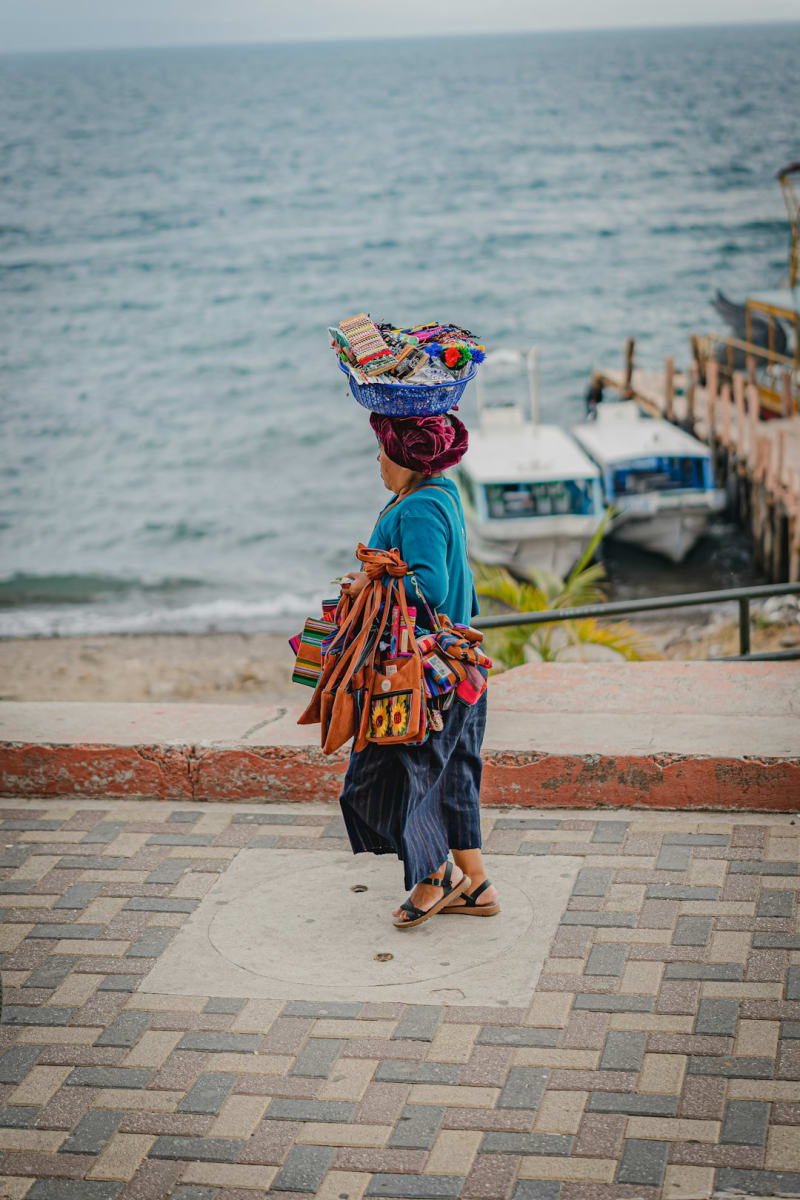 guatemala
 Panajachel
The lake's noisy, necessary front door — a strip of tourist shops and travel agencies that locals call Gringotenango, and the launch point for everywhere else on Atitlán.
Explore guatemala
 Pastores
A small town outside Antigua where the smell of tanned leather and the rasp of sewing machines announce Guatemala's cowboy-boot capital.
Explore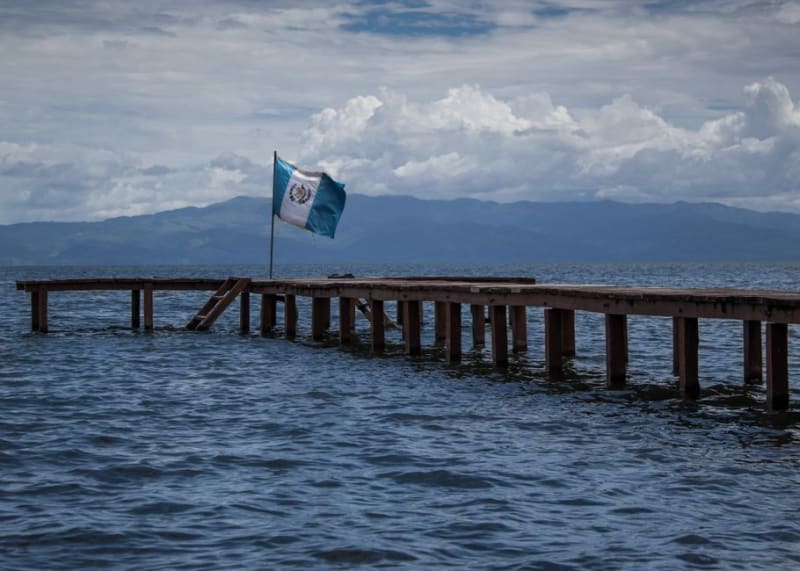 guatemala
 Puerto Barrios
A sun-bleached Caribbean port town built by banana companies a century ago, now a laid-back gateway to Livingston with nowhere to rush.
Explore