Lanquín
"Lanquín is not a destination, everyone tells you — and then you stay three extra nights anyway."
A one-street river town where bats pour out of a limestone cave at dusk and every hostel porch faces the same green valley.
Everyone treats Lanquín as a waypoint, the last town before Semuc Champey, the place you sleep before the pools and forget on the way out. I did the same thing on my first visit — dropped my bag at a hostel, asked about the morning shuttle, and planned to be gone within twenty hours. Then evening came, the valley went gold, and I understood why half the people at Zephyr Lodge’s bar had “just one more night” on repeat for a week straight. The town itself is barely more than a single sloped street of tiendas and comedores, but it sits in a fold of jungle hills so complete and so green that just sitting still and looking at it earns its keep.
The cave and the bats
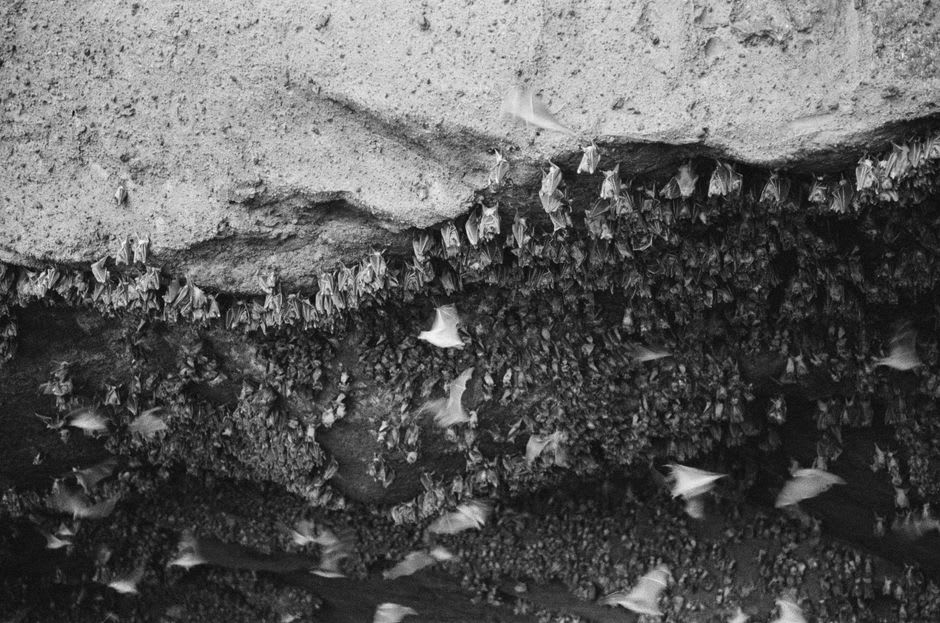
The reason to actually stop in Lanquín, beyond the valley view, is the cave at its edge — Grutas de Lanquín, a limestone system that the Q’eqchi’ consider sacred, dedicated to the underworld deity Tzuultaq’a. I went in mid-afternoon with a single kerosene lantern and a guide who clearly knew the route by feel rather than sight, wading through ankle-deep water past stalactites lit orange and dripping, bats stirring overhead the whole way. But the real spectacle happens outside, right at dusk: stand at the cave mouth as the light drops and watch thousands of bats stream out in a continuous black ribbon, spiraling up against the last color in the sky for what feels like ten unbroken minutes. I’ve seen bat emergences elsewhere in Central America advertised as tourist events with bleachers and vendors; this one had none of that, just a handful of us leaning against the rock, saying nothing.
Floating down the river on an inner tube
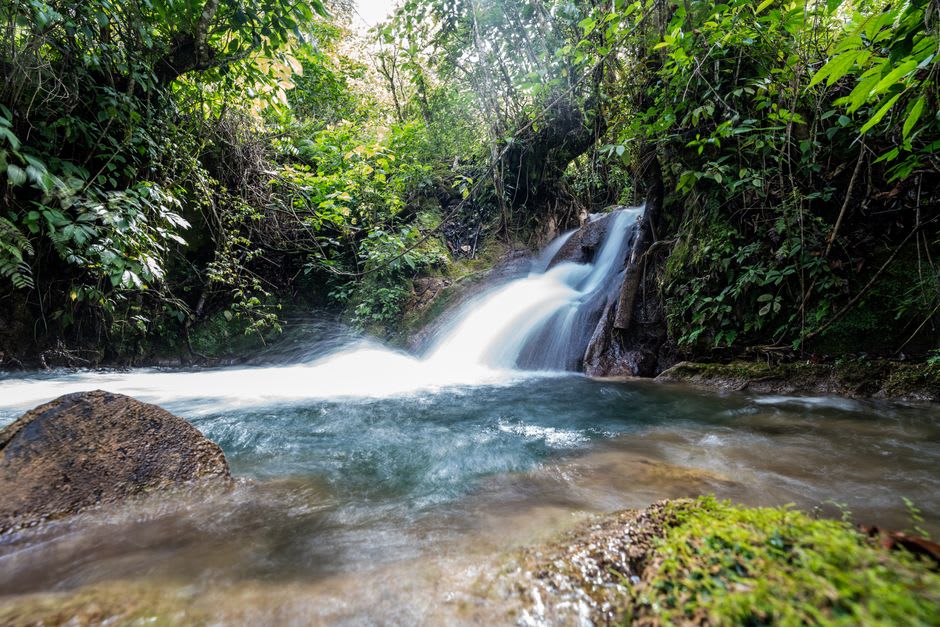
The other Lanquín ritual is tubing the river that runs below town — a lazy, sun-baked float on a truck inner tube with a bag of chips wedged against your stomach and nowhere in particular to be. Local kids paddle out selling cold beer from dugout canoes, and the current does the rest of the work. It sounds like a backpacker cliché until you’re actually in the water, spinning slowly past limestone cliffs and hanging vines, and every ounce of the rush from getting there — the bone-shaking pickup ride down from Cobán — drains straight out of your shoulders.
Stay at one of the hillside lodges rather than in town proper — the porches all face the valley, and the nights are loud with insects and distant river noise in a way that makes sleep come easily despite the heat.
When to go: January through April for the driest roads and clearest cave water. The bat emergence happens nightly year-round, so time your day around dusk regardless of season.
Keep exploring
More from Guatemala
 guatemala
 Las Lisas
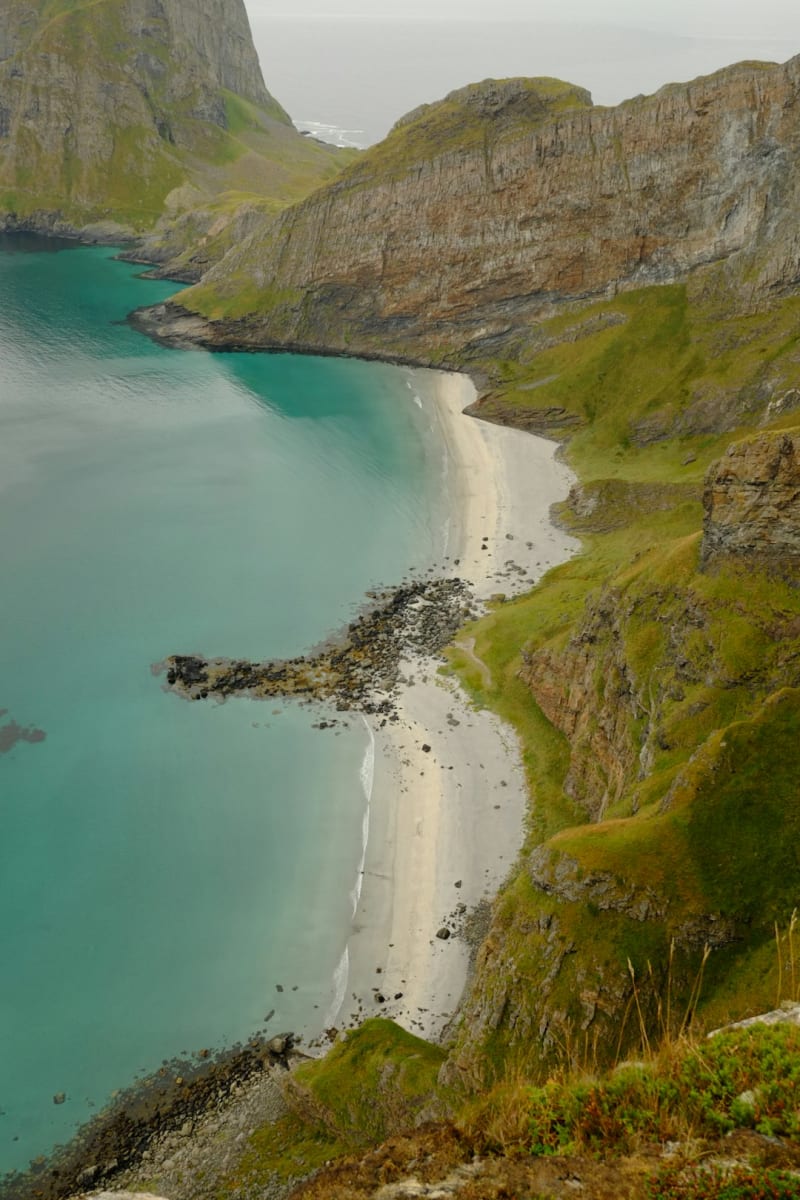
A fishing village on Guatemala's forgotten southeastern coast, near enough to El Salvador to smell the border, where the black sand runs for miles and almost nobody comes.
Explore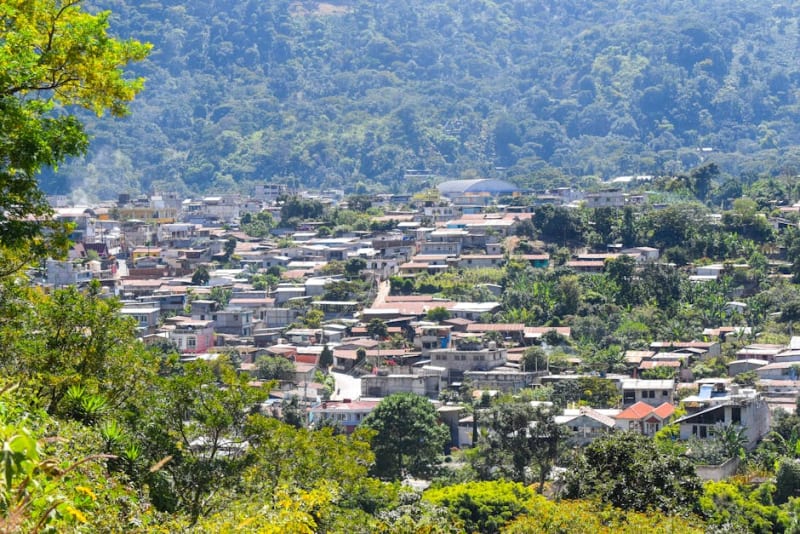 guatemala
 Livingston
Only reachable by boat, this Garifuna Caribbean town on the Rio Dulce estuary beats to its own drum — literally.
Explore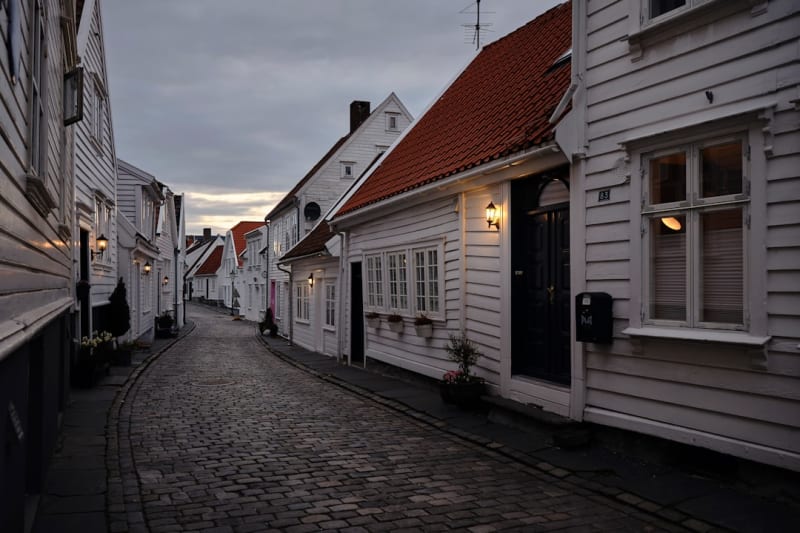 guatemala
 Mixco
A colonial hill town turned capital suburb, all steep cobbled streets and unbroken views over Guatemala City, its own history distinct from the ruined fortress at Mixco Viejo up north.
Explore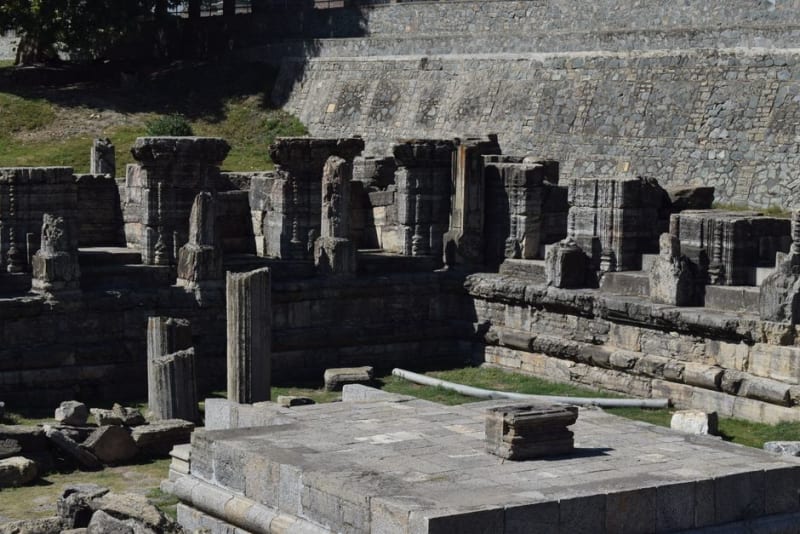 guatemala
 Mixco Viejo
A ruined K'iche' fortress-city hidden in dramatic ravine terrain near Guatemala City, conquered by Alvarado in 1525 after a siege the Spanish nearly lost.
Explore guatemala
 Momostenango
A K'iche' Maya wool town where Saturday markets sell hand-loomed ponchos by the hundred, and where daykeepers still read the sacred 260-day calendar as a living practice, not a museum piece.
Explore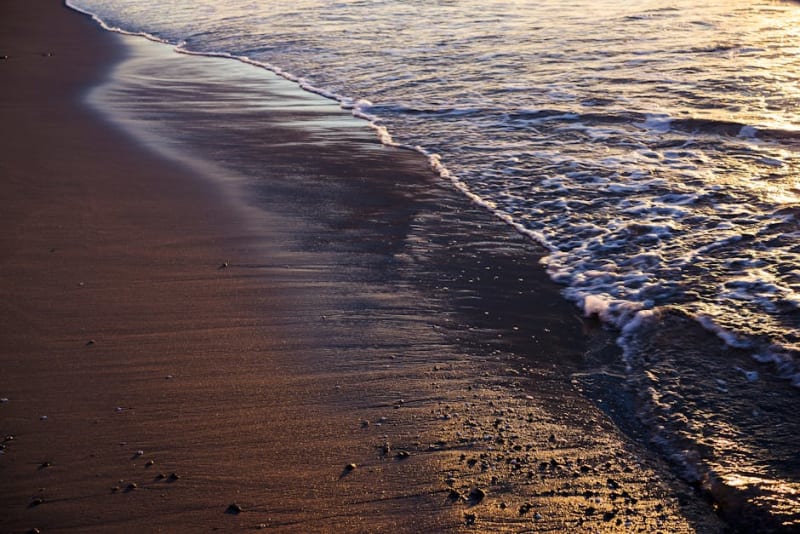 guatemala
 Monterrico
Black volcanic sand, Pacific surf, mangrove estuaries, and the only beach town in Guatemala where sea turtles nest under the stars.
Explore