Lago de Amatitlán
"Guatemala City's day-trip lake is finally being allowed to heal, and you can watch it happen."
A volcanic lake twenty minutes south of Guatemala City, where a cable car climbs to views of Volcán de Pacaya and a decades-long cleanup is slowly giving the water back its color.
I’ll be honest about how this one started: I went to Amatitlán because a Guatemalan friend in the city needed an excuse to escape her office on a Friday, and the teleférico — the cable car strung up the mountainside above the lake — seemed like the kind of low-effort adventure that fits into half a day. We took a bus from Zona 4 that smelled like fried plantain and diesel, and forty minutes later were standing at the base station watching the little red cabins swing out over rooftops and then, abruptly, over open water.
The View the City Doesn’t Expect
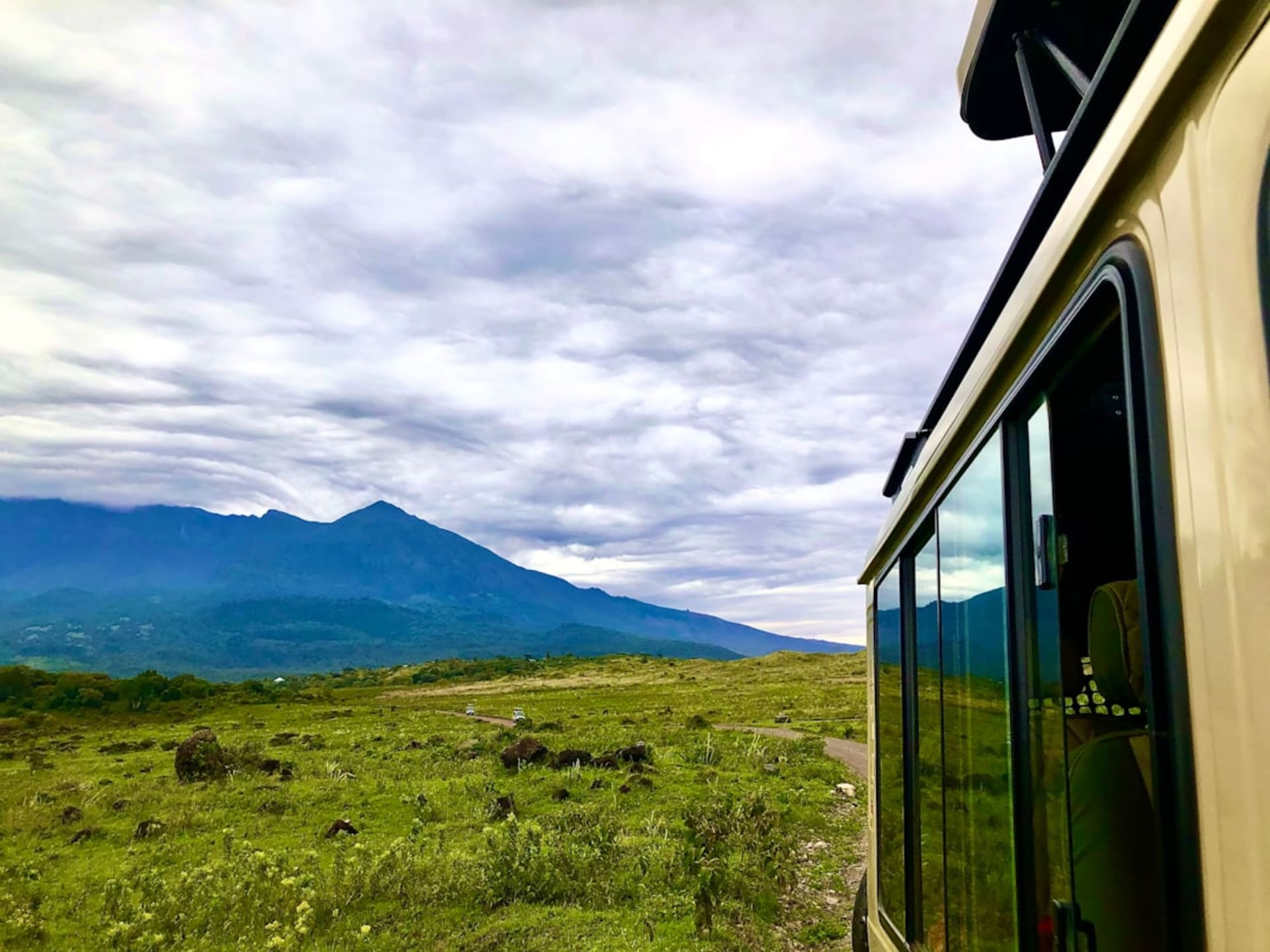
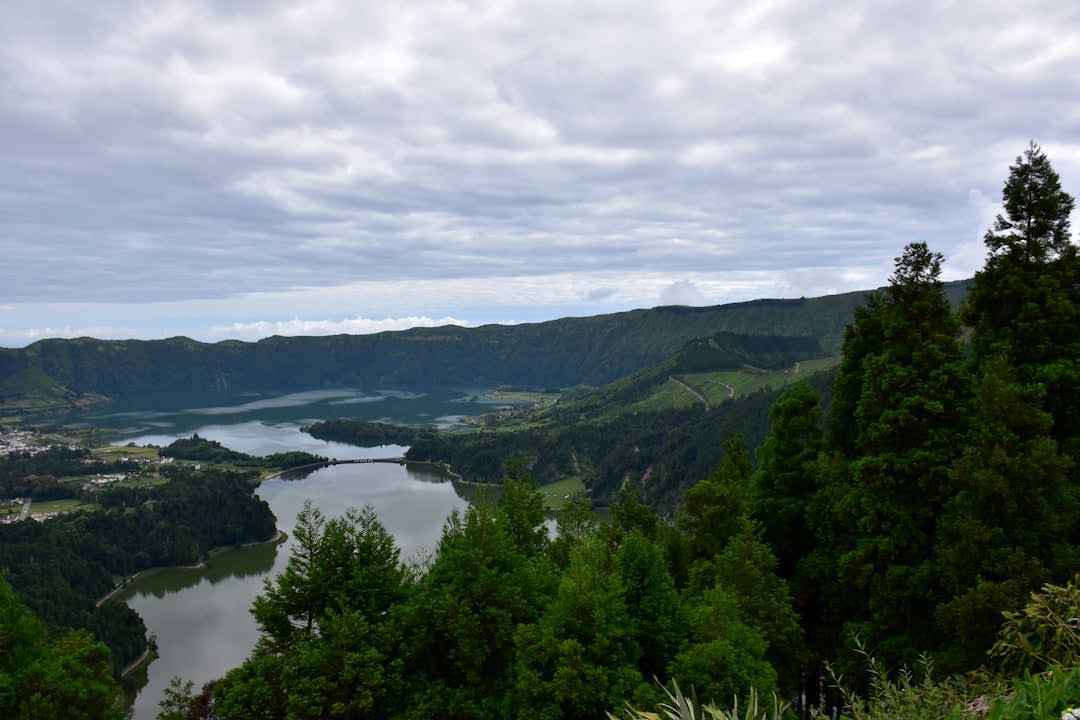
The ride up is short, maybe ten minutes, but the reveal is worth it — Amatitlán opens up beneath you as a genuine lake, ringed by green hills with the cone of Volcán de Pacaya visible on a clear day, still occasionally puffing a thin ribbon of steam like it’s clearing its throat before saying something. My friend, who grew up thirty minutes from here, said she hadn’t been up in over a decade and had forgotten how much prettier it looks from three hundred meters than it does from the shoreline. From up top, restaurants with terraces serve grilled fish and cold beer to families who’ve clearly made this their regular Sunday circuit, kids pressed against the glass of the cable car on the way back down.
A Lake Learning to Breathe Again
Down at the shoreline, the story is more complicated. Amatitlán has been one of Guatemala’s most polluted lakes for decades — runoff, sewage, and industrial waste from the capital’s sprawl turned parts of it a murky green that locals still joke about with more resignation than humor. But there’s real, visible investment now: treatment infrastructure, cleanup crews on the water, restored sections of the malecón where families actually walk in the evening instead of holding their noses and hurrying past. An older man fishing off a low wall told me he remembered swimming here as a boy, stopped for thirty years, and had started again just the last couple of summers, cautiously, “un poco a la vez” — a little at a time. It’s not swimmable everywhere yet, and I wouldn’t oversell it as a spotless recovery, but it’s a rare thing to visit a place and be able to point at genuine, incremental progress rather than genuine, incremental decline.
When to go: Any dry-season weekend (November to April) for clear views of Pacaya from the cable car; go on a weekday if you want the malecón without the crowds.