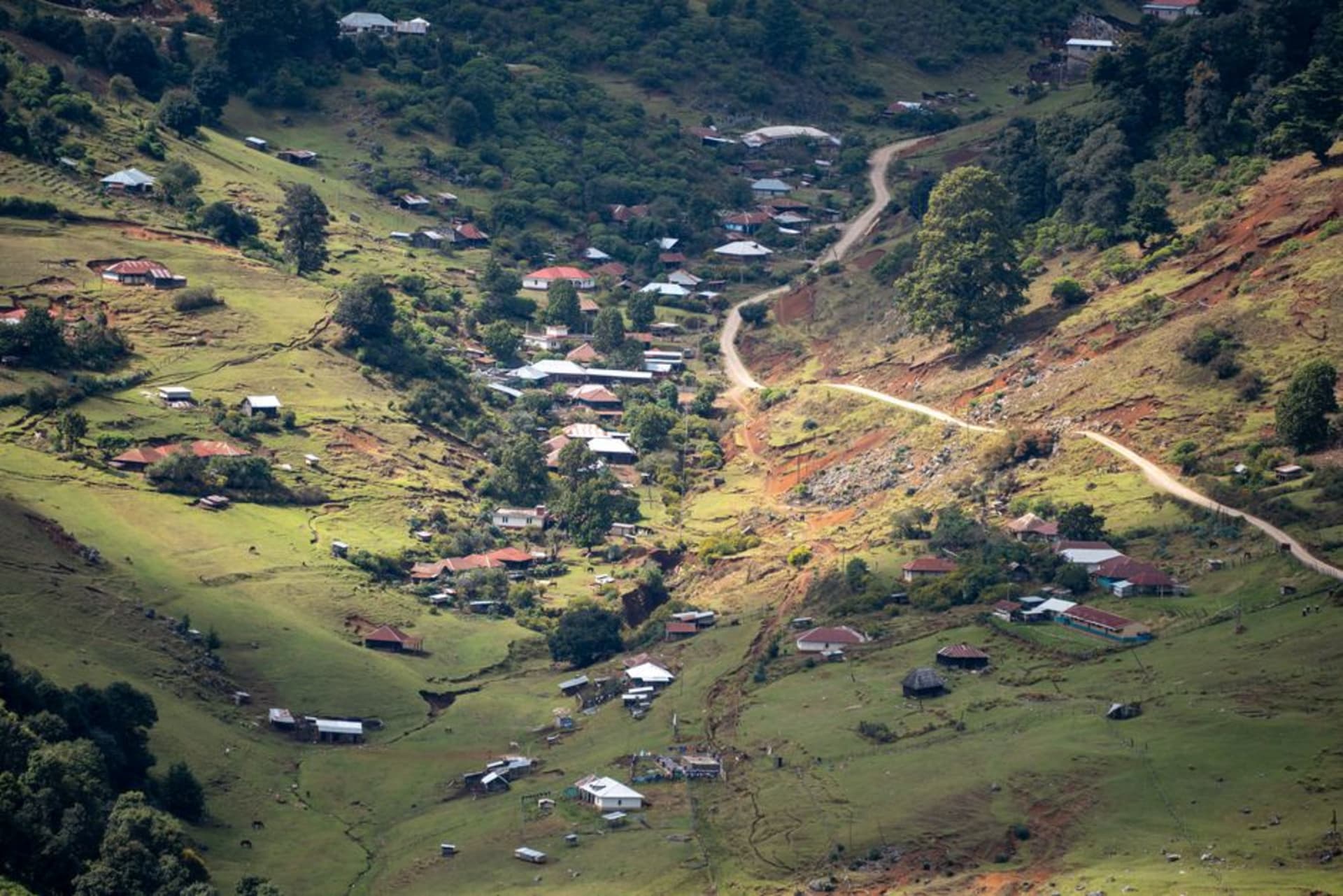
Huehuetenango
"Everyone talks about Xela. Nobody talks about Huehue, which is exactly why I liked it."
A quiet colonial highland capital overshadowed by Quetzaltenango, but the real gateway to the Cuchumatanes mountains and some of Guatemala's finest coffee country.
Every traveler I met heading toward the western highlands was going to Xela — Quetzaltenango, the region’s cultural and backpacker capital — and when I said I was stopping in Huehuetenango first, most gave me a polite, slightly confused nod. Huehue, as everyone locally calls it, doesn’t get the same billing, and after three days there I still can’t fully explain why. The central plaza is properly colonial, an unhurried cathedral facing a park where old men play checkers on painted concrete tables and shoeshine boys work the same corner their fathers probably worked. It’s not a showpiece town. It’s a functioning one, and that has its own appeal after weeks of more curated stops.
The gateway everyone drives past
Huehuetenango’s real value became clear once I started using it as a base rather than a destination in itself. This is the last significant town before the Cuchumatanes range climbs toward Todos Santos and the Ixil Triangle, and the collectivos heading up into the mountains all leave from here, loaded with sacks of produce and the occasional confused foreigner. I spent a morning just riding one partway up the range and back, watching the vegetation shift from highland pine to genuinely alpine scrubland within an hour, the road clinging to switchbacks with views that dropped away for what looked like a thousand meters. Nobody I met in Xela had done this. Most hadn’t even considered it.
Coffee country, without the crowd
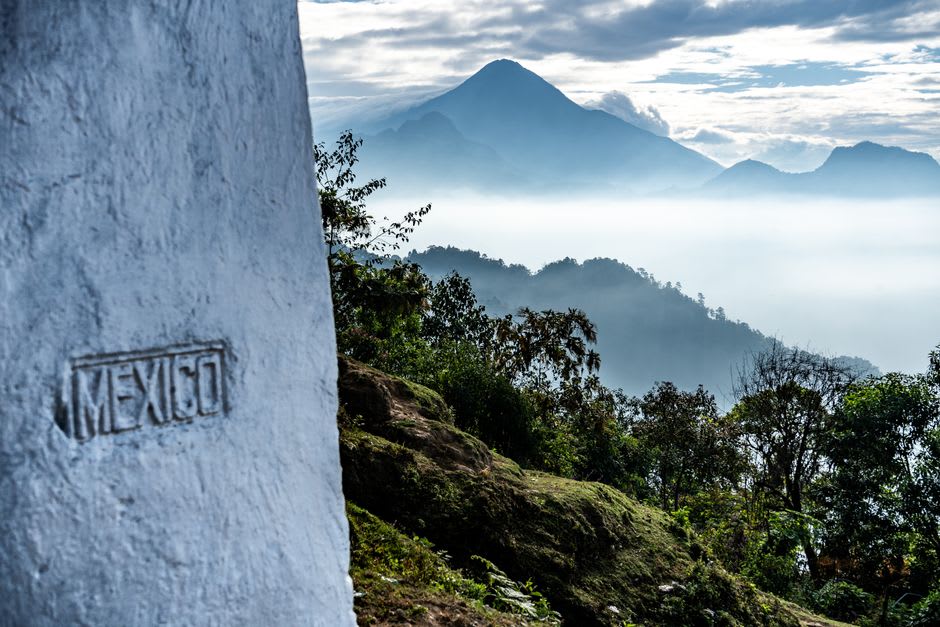
Huehuetenango is also one of Guatemala’s most respected coffee-growing regions, its high-altitude, mineral-rich soil producing beans that specialty roasters worldwide now list by department name, the way you’d list a wine appellation. I visited a small finca outside town run by a family who’d been growing coffee for three generations, walked the shaded rows between banana trees planted deliberately to protect the coffee plants from direct sun, and sat afterward on their porch drinking a cup so fresh it had been picked, pulped, and roasted within the same week. The farmer, Don Rigoberto, told me flatly that Antigua gets the tourists and the reputation, but Huehuetenango grows coffee just as good, quietly, without needing anyone to notice. I believed every word of it.
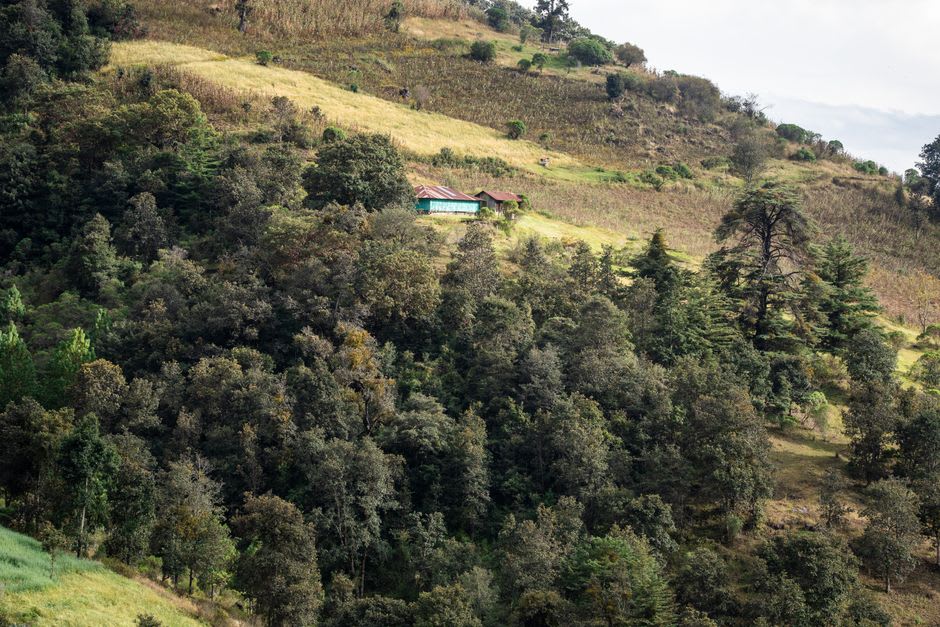
When to go: November through April for dry roads into the Cuchumatanes and the tail end of the coffee harvest; the town itself is pleasant year-round given its lower altitude relative to the mountains above it.
Keep exploring
More from Guatemala
 guatemala
 Iximché
The former capital of the Kaqchikel Maya, where an alliance with the Spanish curdled into betrayal and massacre, its ceremonial plazas now quiet under pine forest.
Explore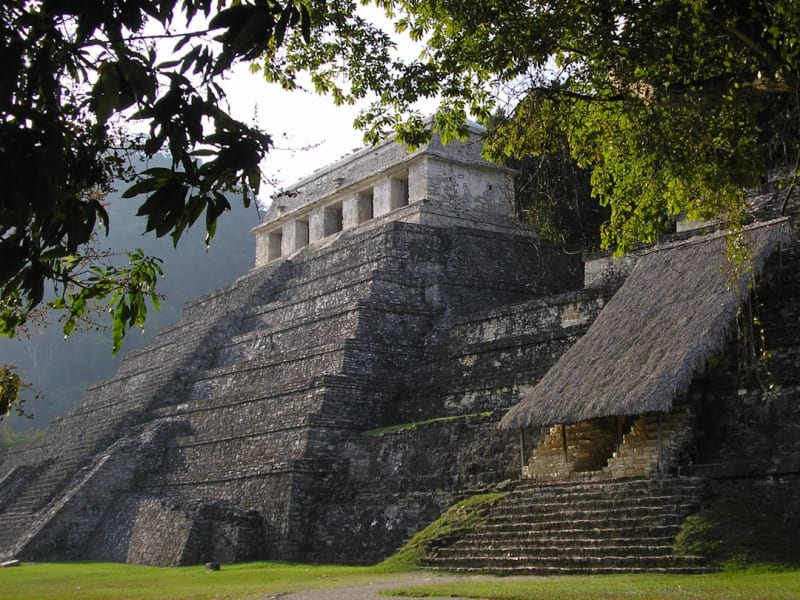 guatemala
 Kaminaljuyú
A once-mighty Maya trading city, now reduced to a scatter of grassy mounds fenced inside a Guatemala City park, swallowed by the very sprawl it predates by two thousand years.
Explore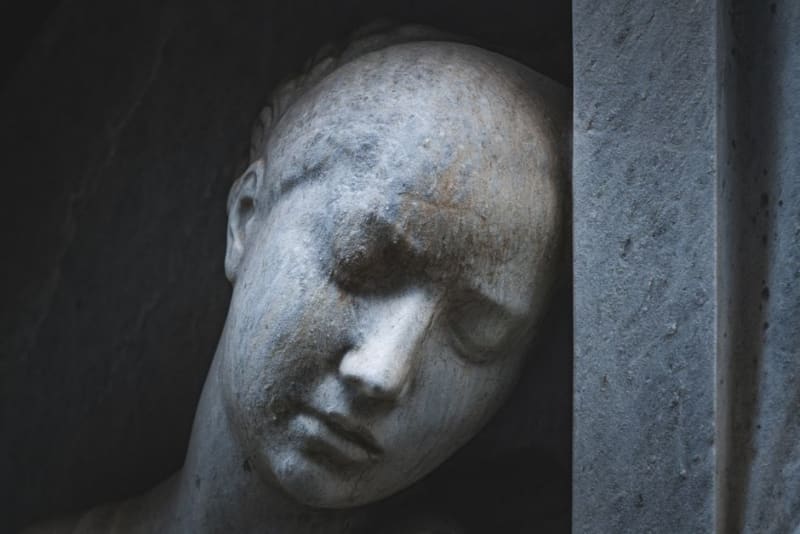 guatemala
 La Democracia
A modest Pacific coast town whose central plaza doubles as an open-air museum of giant Olmec-influenced stone heads from the enigmatic Monte Alto culture.
Explore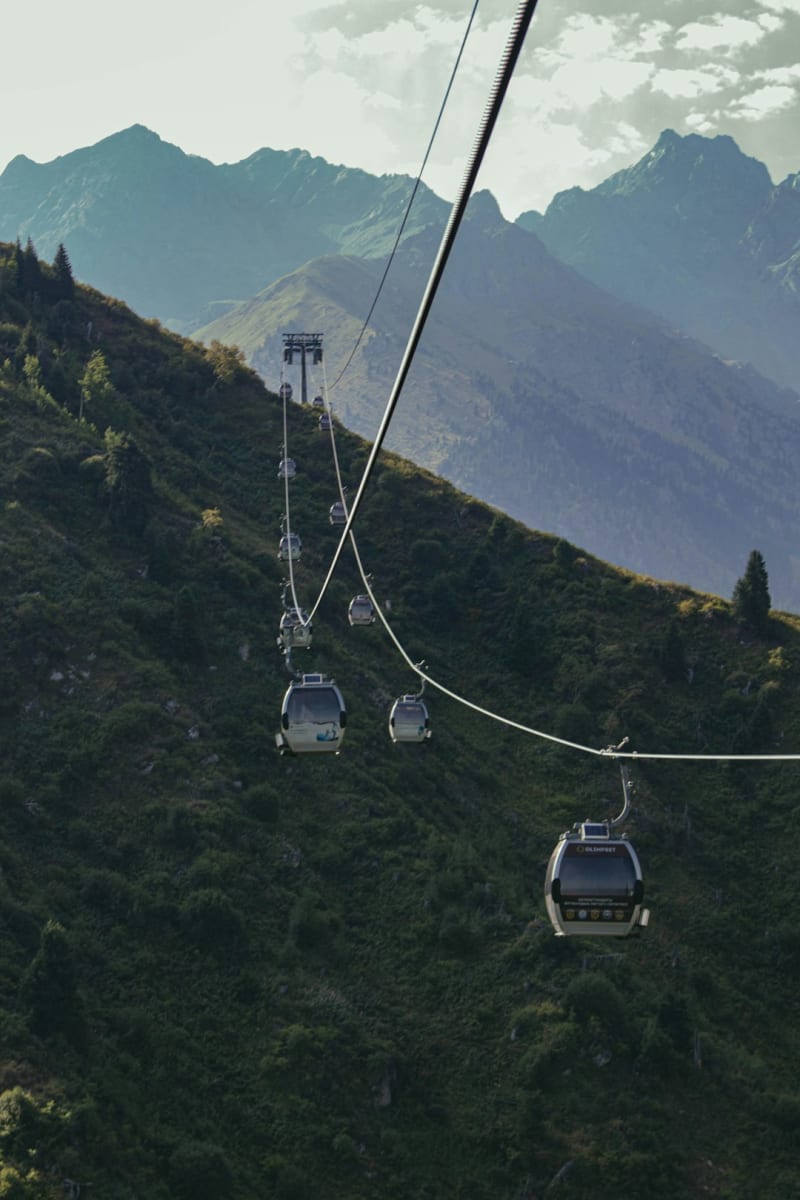 guatemala
 Lago de Amatitlán
A volcanic lake twenty minutes south of Guatemala City, where a cable car climbs to views of Volcán de Pacaya and a decades-long cleanup is slowly giving the water back its color.
Explore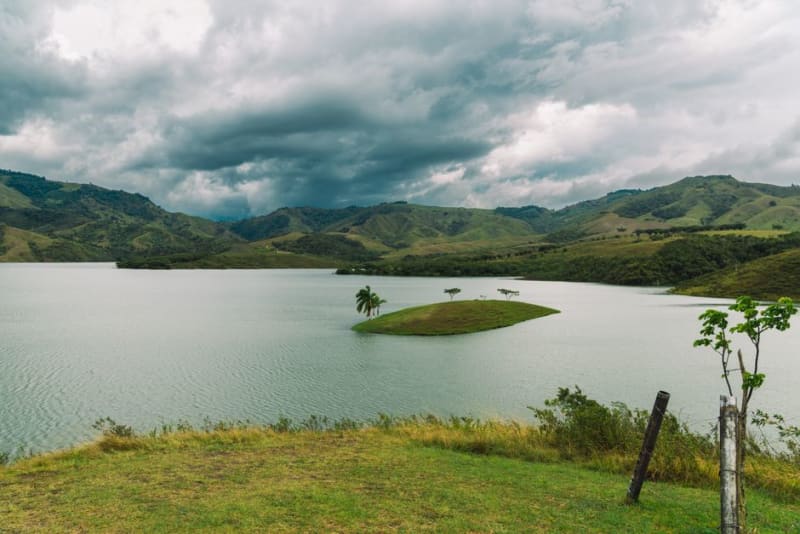 guatemala
 Lago de Izabal
Guatemala's largest lake, guarded by a pirate-era stone fort and fed by hot springs where the jungle steams straight into the water.
Explore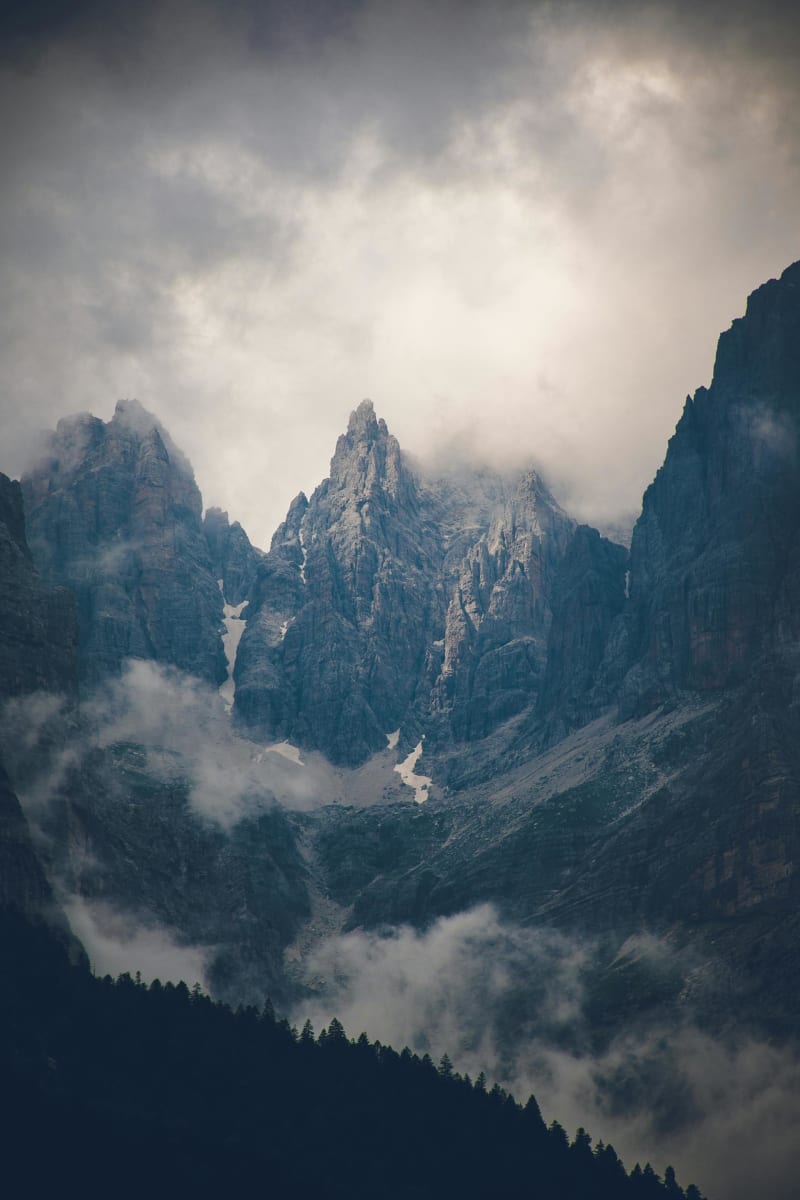 guatemala
 Lake Atitlán
Three volcanoes, a dozen Maya villages, and a lake that Huxley called the most beautiful in the world.
Explore