Fuego Volcano
"Every rooftop bar in Antigua faces the same direction, toward the one volcano that never fully stops smoking."
A permanently smoking giant above Antigua, one of Central America's most active volcanoes, both mesmerizing and a solemn reminder of 2018.
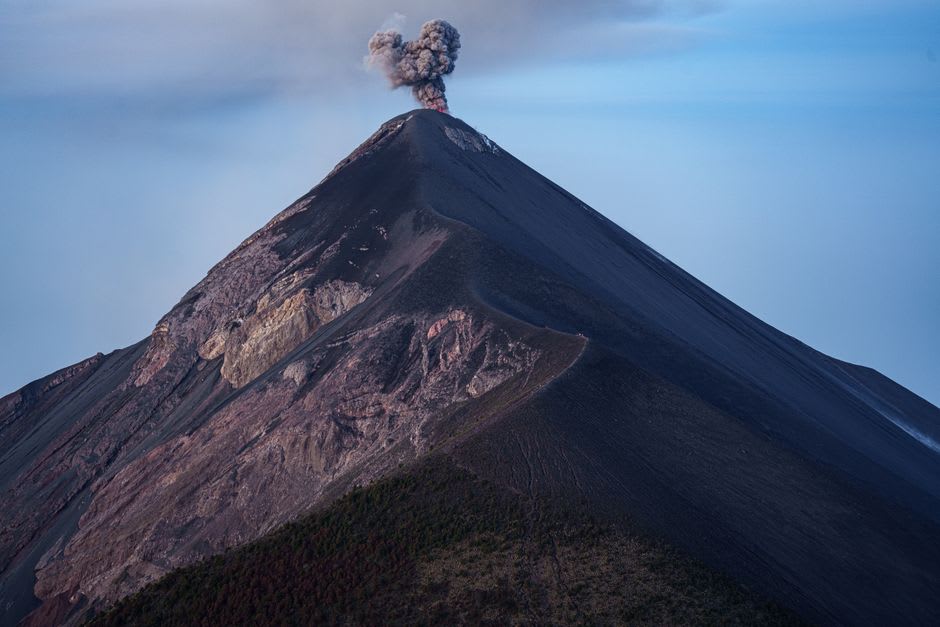
You notice Fuego before anyone points it out to you. Sit on almost any rooftop terrace in Antigua at sunset, drink in hand, and you’ll see every other table’s chairs angled the same direction — toward a dark cone on the horizon with a thin gray plume rising steadily off its summit, sometimes lazy and vertical, sometimes bent sideways by wind. It rarely stops entirely. I asked a bartender one evening how long the smoke had been visible that day and he shrugged, said pretty much always, like I’d asked about the weather. Fuego is one of the most consistently active volcanoes in Central America, and living in its shadow has clearly become, for Antigua, a kind of ordinary background fact rather than a daily alarm.
A shadow that turned deadly
That ordinariness makes it easy to forget, until you’re reminded directly, that Fuego is not just scenic. In June 2018, a sudden pyroclastic flow raced down its flank with almost no warning, burying the village of San Miguel Los Lotes and killing several hundred people in the surrounding area — one of the deadliest volcanic disasters in the country’s modern history. I visited a memorial near the affected zone on a later trip, a quiet, somber place with photographs of those who died, and it recontextualized every rooftop photo I’d taken of the smoking cone from Antigua’s comfortable distance. The volcano that looks so photogenic from a hotel terrace is the same one that reshaped the landscape and a community’s life in a matter of minutes.
Watching it from Acatenango’s ridge
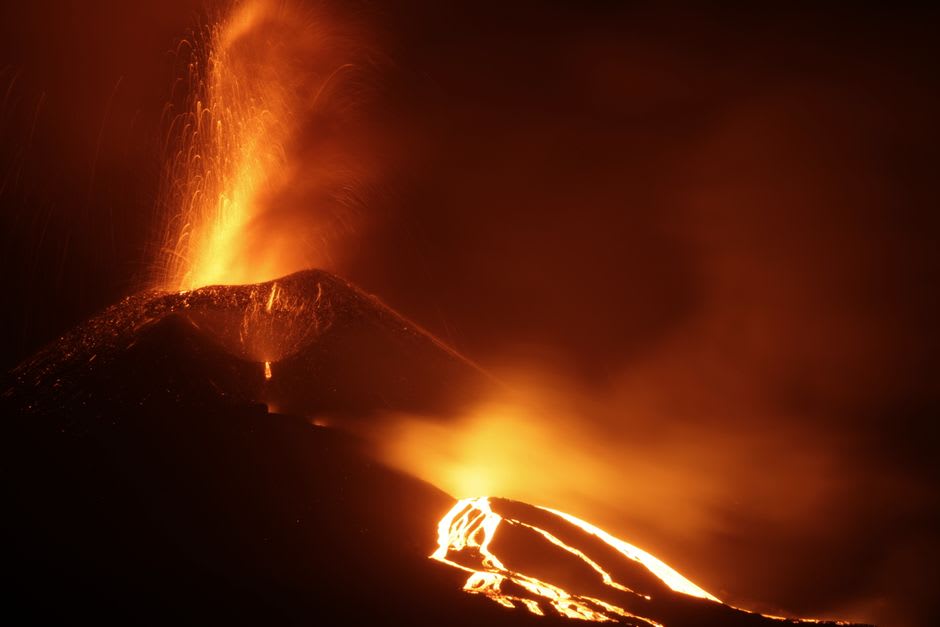
The closest most travelers get to Fuego is not on its own slopes — access there is tightly restricted given the ongoing activity — but from the neighboring peak of Acatenango, where overnight trekkers camp facing directly across the saddle between the two volcanoes. I stood on that ridge one night with a group of strangers, all of us silent, watching Fuego send up rhythmic bursts of glowing rock against total darkness, the boom of each eruption arriving a half-second after the flash. It’s the safest vantage from which to actually witness what Fuego does, and it left a stronger impression on me than almost anything else I’ve seen in Guatemala — beautiful and unmistakably dangerous in the same instant.
When to go: Year-round for viewing from Antigua’s rooftops, though clear dry-season skies (November to April) show the plume and any night activity best. Approach any visit near the 2018 disaster zone with the gravity it deserves rather than as a curiosity stop.
Keep exploring
More from Guatemala
 guatemala
 Fuentes Georginas
A steaming hot springs resort tucked in a volcanic crater above Zunil, where cold cloud-forest air meets water hot enough to fog your glasses.
Explore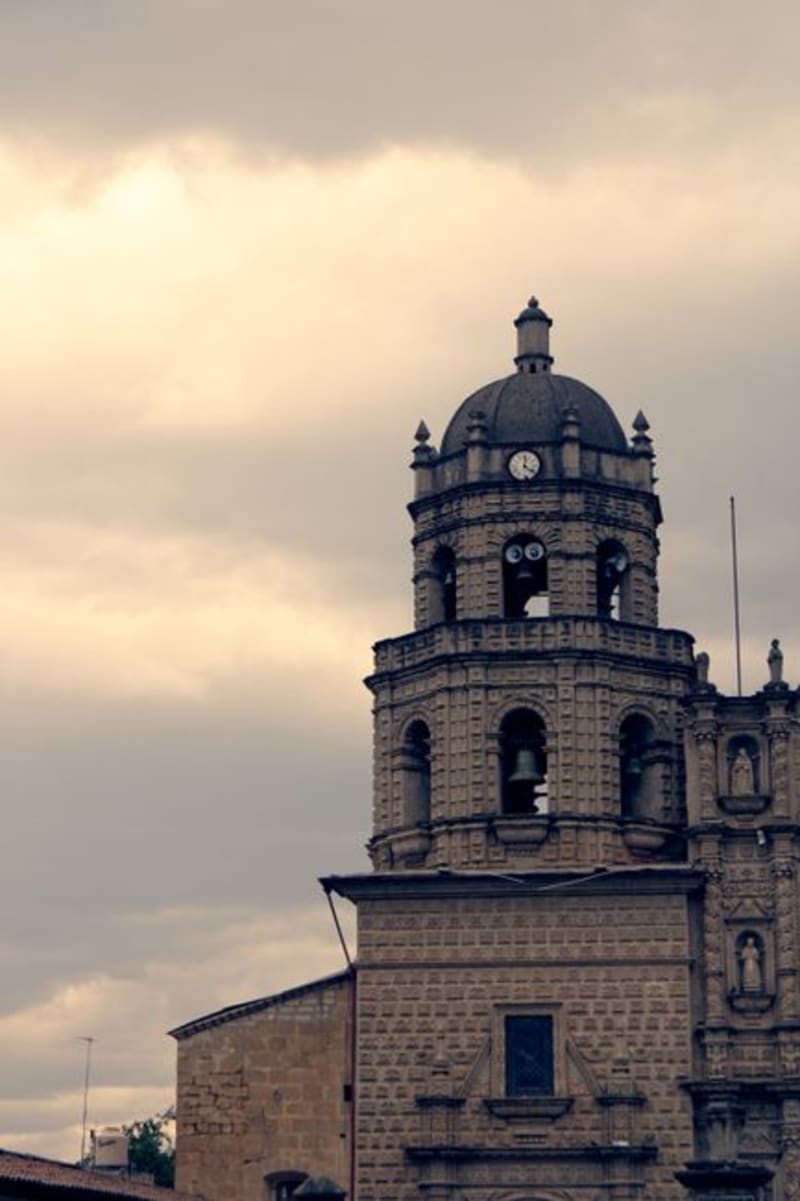 guatemala
 Huehuetenango
A quiet colonial highland capital overshadowed by Quetzaltenango, but the real gateway to the Cuchumatanes mountains and some of Guatemala's finest coffee country.
Explore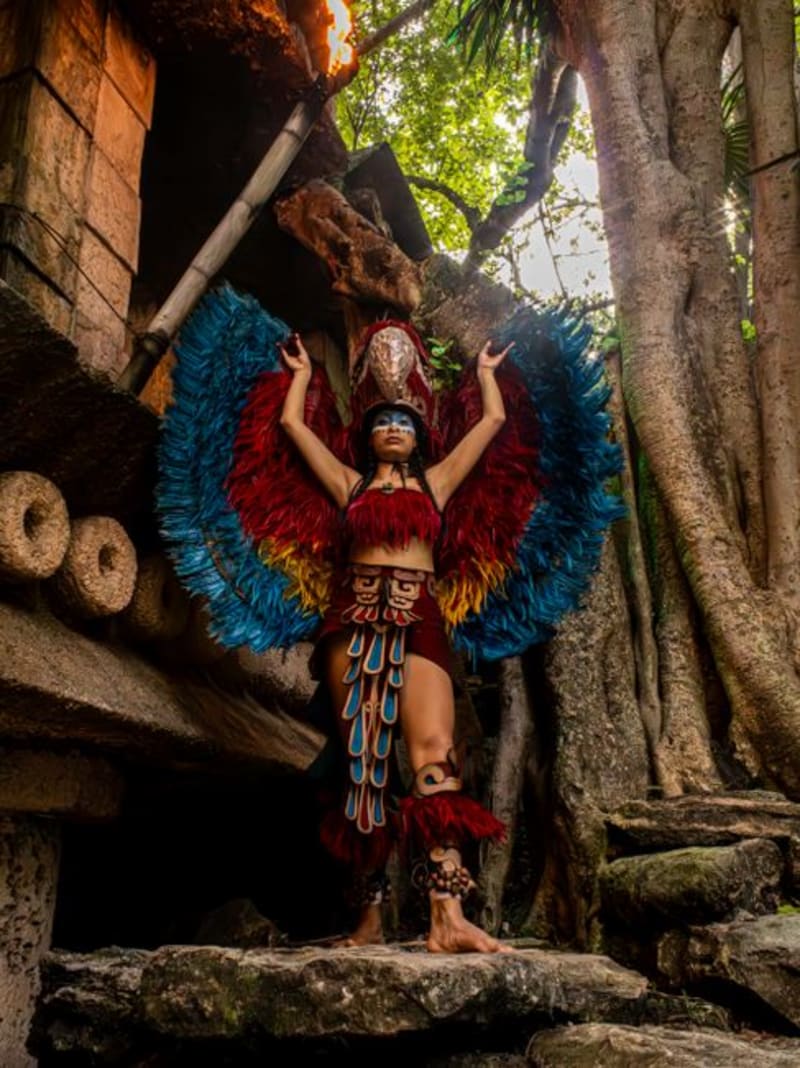 guatemala
 Iximché
The former capital of the Kaqchikel Maya, where an alliance with the Spanish curdled into betrayal and massacre, its ceremonial plazas now quiet under pine forest.
Explore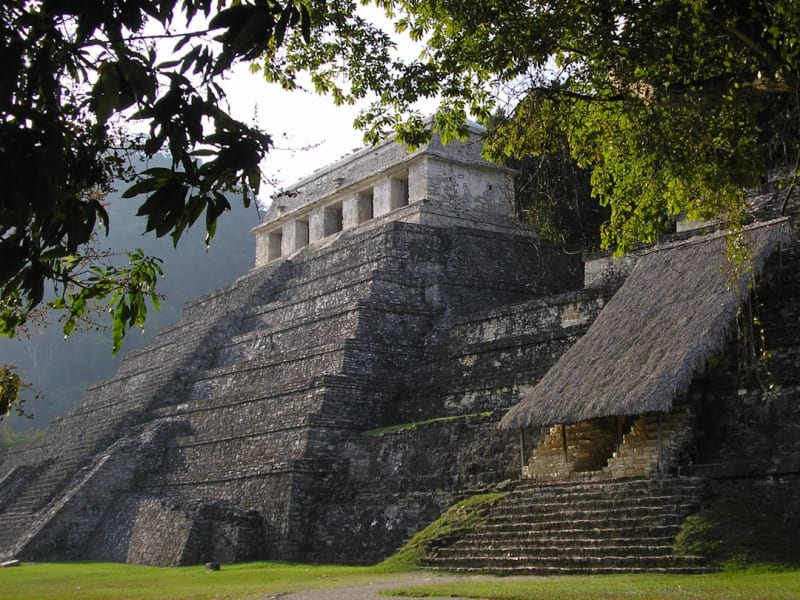 guatemala
 Kaminaljuyú
A once-mighty Maya trading city, now reduced to a scatter of grassy mounds fenced inside a Guatemala City park, swallowed by the very sprawl it predates by two thousand years.
Explore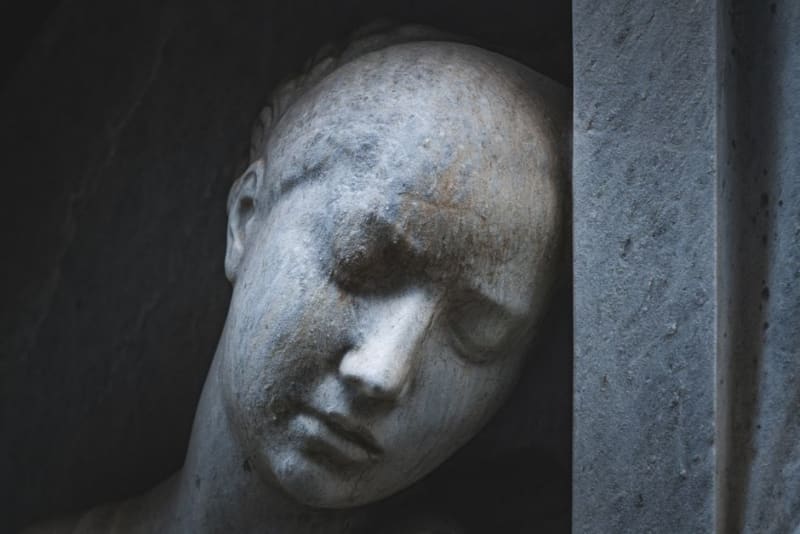 guatemala
 La Democracia
A modest Pacific coast town whose central plaza doubles as an open-air museum of giant Olmec-influenced stone heads from the enigmatic Monte Alto culture.
Explore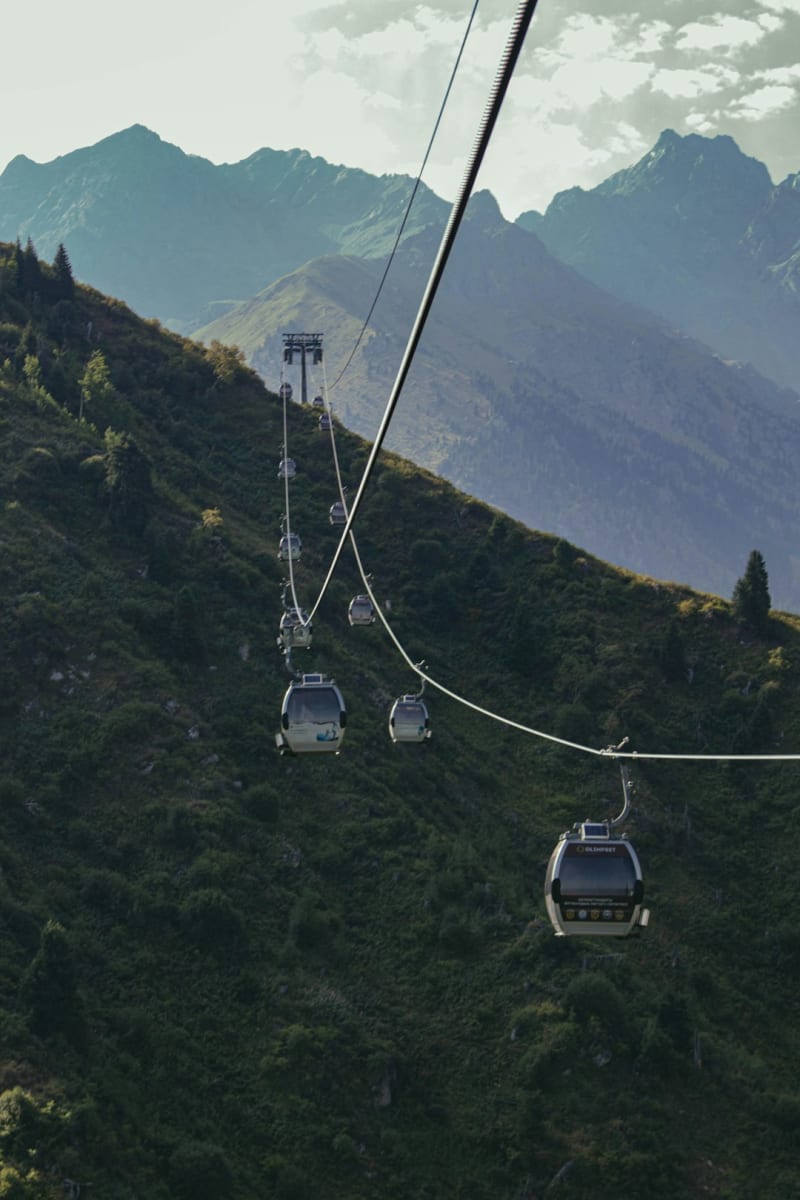 guatemala
 Lago de Amatitlán
A volcanic lake twenty minutes south of Guatemala City, where a cable car climbs to views of Volcán de Pacaya and a decades-long cleanup is slowly giving the water back its color.
Explore