Finca La Azotea
"I came for the coffee tour and left having learned more about Maya textiles than I had in a month in Guatemala."
A working coffee estate outside Quetzaltenango where the tour ends not at a gift shop but at a Maya textile museum housed in the old drying barns.
Finca La Azotea sits close enough to Xela that you can visit as a half-day trip and be back in the city for dinner, but far enough into the hills that the air changes on the drive in — cooler, damper, smelling faintly of wet earth and roasted beans even before you arrive. I’d done coffee tours before in Antigua and expected something similar: rows of glossy green plants, a guide explaining pulping and drying, a bag of beans pushed on you at the end. What I got instead was that, plus something I hadn’t planned for at all.
Coffee, the Old-Fashioned Way
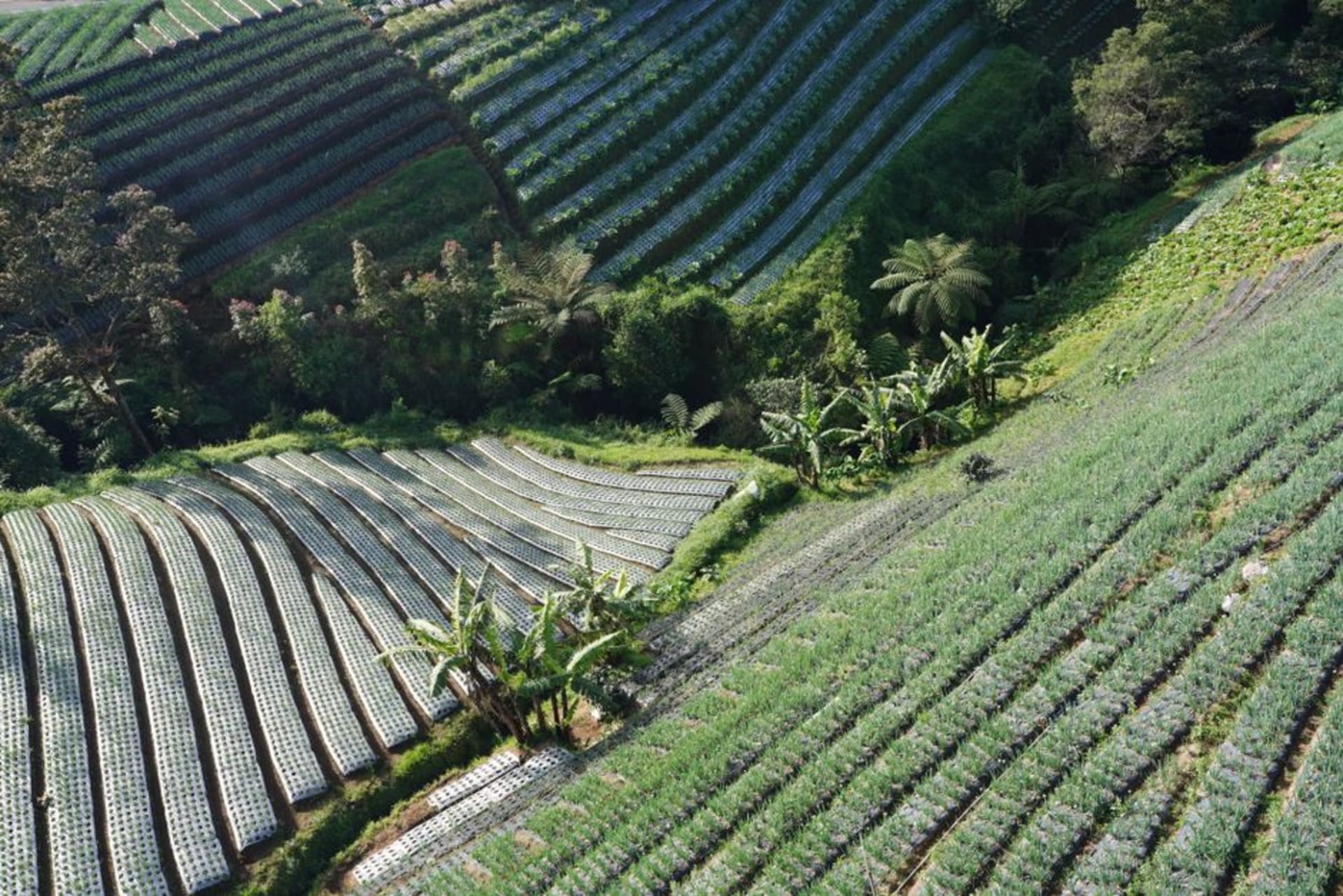
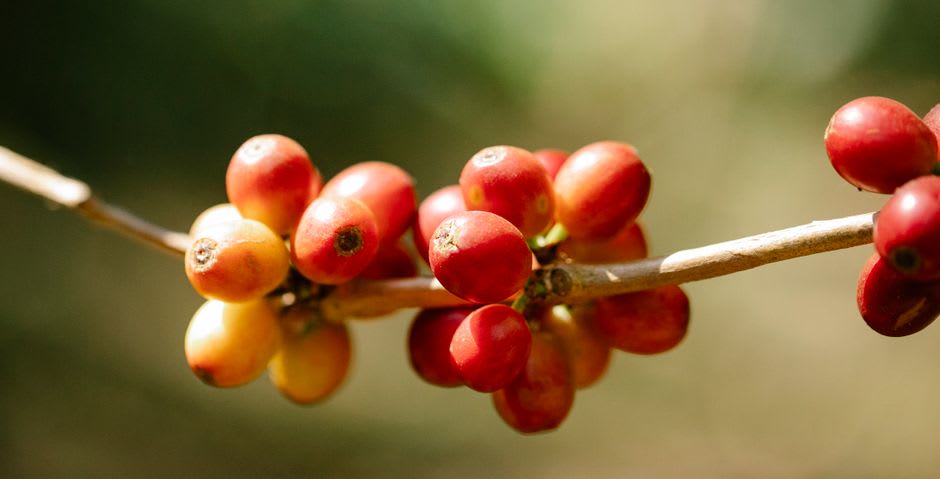
The finca has been growing coffee here for well over a century, and it shows in the infrastructure — wooden drying patios worn smooth by generations of rakes, an old wet mill still in occasional use, rows of shade-grown arabica climbing the slope in the kind of orderly lines that only make sense once you’ve seen how much labor goes into keeping them that way. My guide, a young agronomy student named Pablo working there for the harvest season, picked a ripe cherry off the branch and had me bite into it before explaining anything — sweet, almost grape-like flesh around the bean, nothing like what ends up in your cup. It’s a small trick every coffee tour does, but it worked on me anyway.
The Museum Nobody Mentions First
What surprised me was the second half of the visit: the estate’s old drying barns have been converted into a genuinely excellent museum of Maya textiles and traditional costume, a private collection built up over decades that includes huipiles and trajes from villages across the highlands, some no longer woven in that exact pattern by anyone alive. A woman staffing the museum, who’d grown up in a weaving family near Totonicapán, walked me through the regional differences in thread count and color symbolism with more patience than the ticket price could possibly justify. I left with a much sharper sense of how textile patterns function almost like a passport — a huipil telling you, if you know how to read it, exactly which town a woman is from.

When to go: November to February coincides with the coffee harvest, when the drying patios are actually in use; the museum is worthwhile year-round, rain or shine.