El Paredón
"El Paredón is what happens when a fishing village and a surf break fall in love and nobody's told the rest of the world yet."
A black-sand surf village on Guatemala's Pacific coast, wedged between a mangrove estuary and an ocean that hasn't finished being discovered.
The last stretch into El Paredón is a boat ride, not a road — a narrow motorized lancha threading through a mangrove channel near Sipacate, herons lifting off the banks as we passed, the water so still it mirrored the tangled roots on either side. Then the mangroves open up and there it is: a strip of black volcanic sand between the estuary and the open Pacific, a village of maybe a few hundred people that has, in the last decade, quietly become one of Central America’s better-kept surf secrets.
Sand That Burns Your Feet
Nobody warned me about the sand. It’s genuinely black, fine-grained, volcanic in origin, and by ten in the morning it’s hot enough that I was hopping between patches of shade like the ground was on fire, which, functionally, it kind of was. The upside is dramatic sunsets — that black sand seems to intensify every orange and pink the sky produces at dusk, and every evening a loose crowd gathered along the beach with beers to watch it happen, surfers still in wetsuits, a few dogs weaving between everyone’s legs.
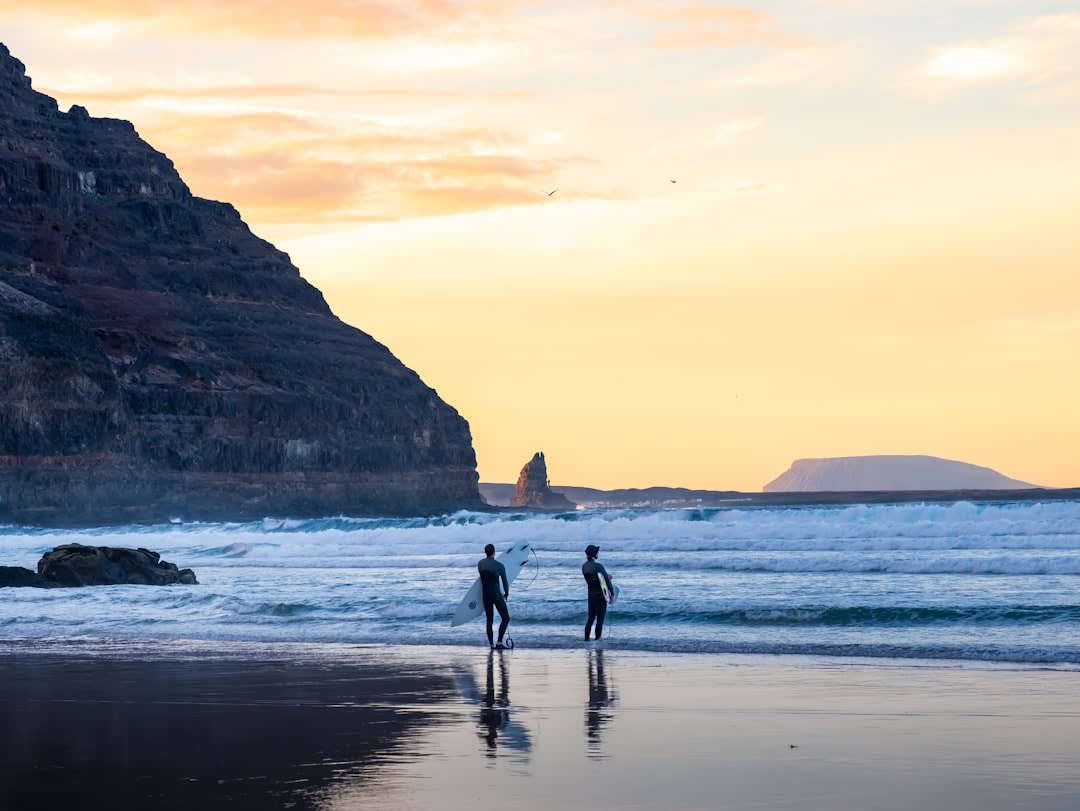
Learning to Read a Beach Break
I hadn’t surfed more than twice in my life before this, and the beach break here turned out to be exactly the forgiving, sandy-bottomed setup a beginner needs. My instructor, a local guy who’d learned on this same stretch of sand as a kid using a board a tourist had left behind years ago, kept the lesson loose and unhurried — more time spent laughing at my wipeouts than lecturing me on technique, which somehow worked better than any structured lesson I’d had elsewhere. By the third day I could catch a wave and stand for a few unglamorous seconds before the inevitable collapse, and it felt like a genuine accomplishment rather than a tourist activity checked off a list.
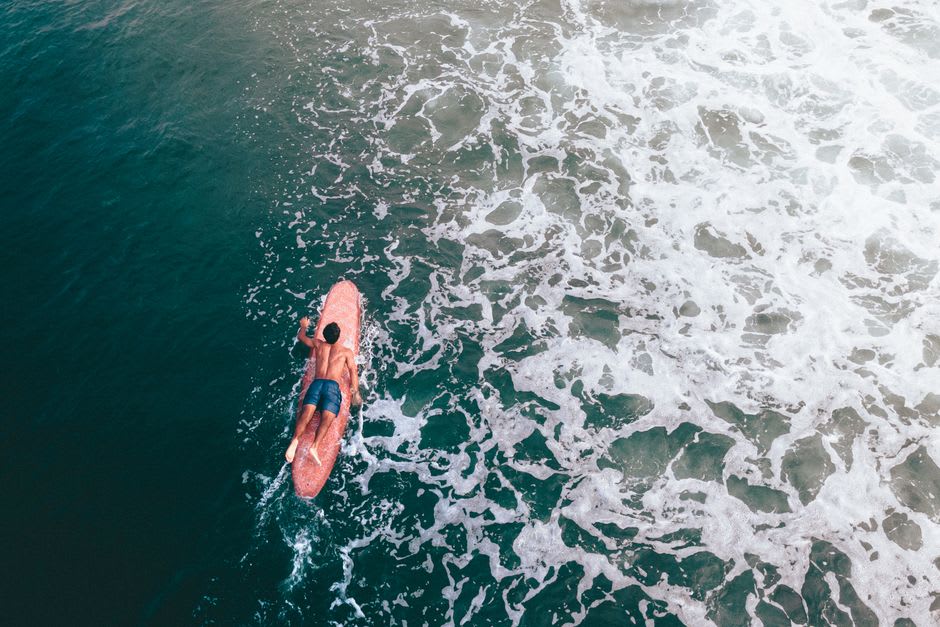
Beyond the surf, the mangrove estuary behind the village is worth its own morning — we paddled a kayak through the channels at dawn looking for the roseate spoonbills that nest there, and our guide, whose family has fished these waters for generations, pointed out crab traps set along the banks that his grandfather had taught him to build the same way. El Paredón still feels unfinished in the best sense: a handful of hostels, a couple of good ceviche shacks, and a coastline that hasn’t yet decided what it wants to become.
When to go: The dry season from November to April brings the most consistent swell and sunniest days; rainy season afternoons bring short, dramatic downpours but mornings are often clear and the waves stay reliable year-round.
Keep exploring
More from Guatemala
 guatemala
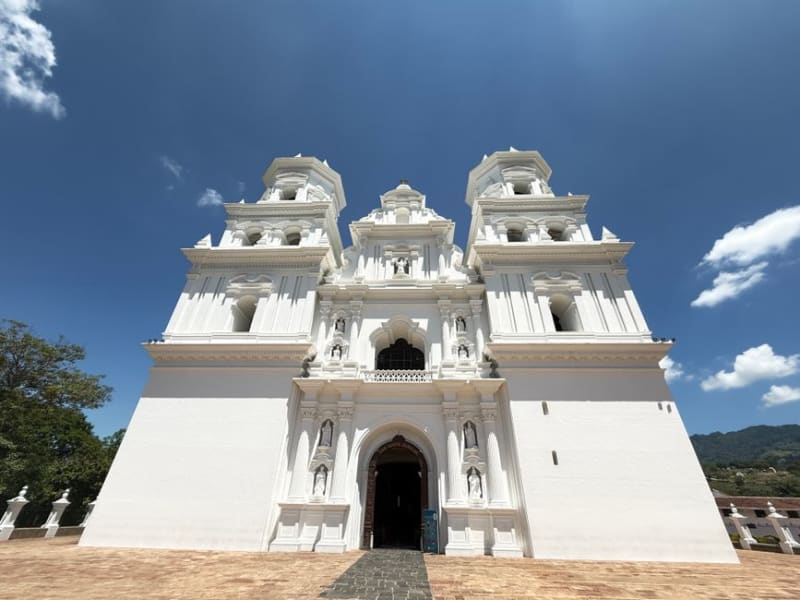
 Esquipulas
Central America's holiest pilgrimage town, where a colonial basilica shelters the venerated Black Christ and pilgrims arrive on foot from three countries.
Explore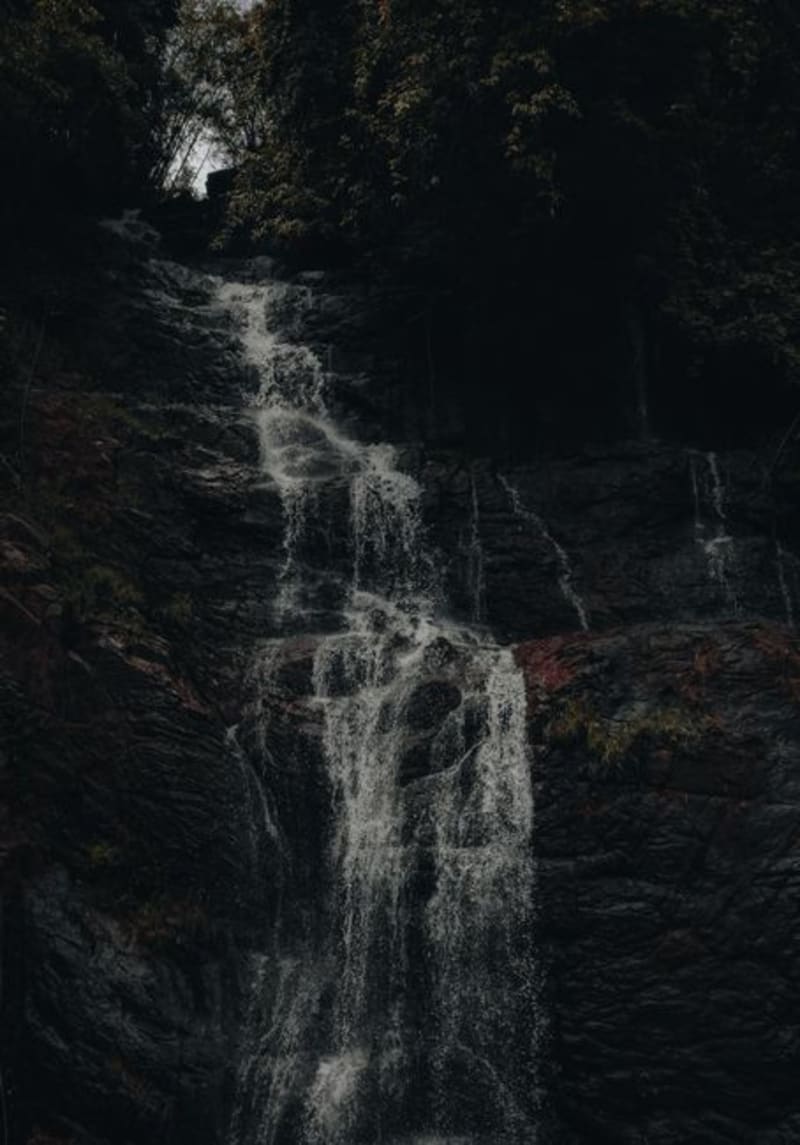 guatemala
 Finca El Paraíso
A scalding waterfall that drops straight into a cold jungle river, so you can stand with one shoulder boiled and the other frozen.
Explore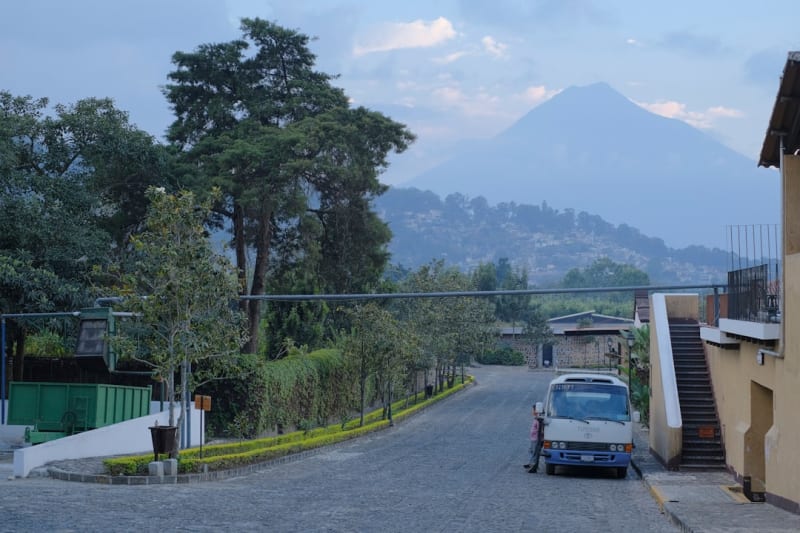 guatemala
 Finca Filadelfia
A working coffee plantation in the hills above Antigua, where the whole slow chain from ripe cherry to poured cup happens in front of you.
Explore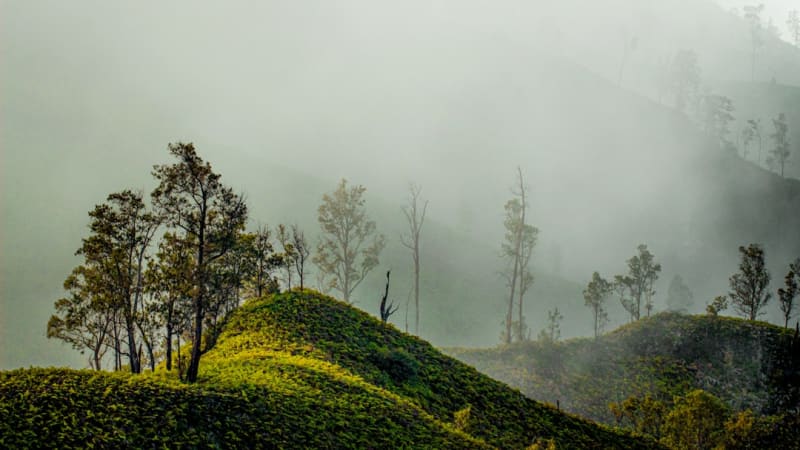 guatemala
 Finca La Azotea
A working coffee estate outside Quetzaltenango where the tour ends not at a gift shop but at a Maya textile museum housed in the old drying barns.
Explore guatemala
 Flores and Peten
A pastel island town on Lake Peten Itza, gateway to Tikal's jungle temples and the Maya Biosphere Reserve.
Explore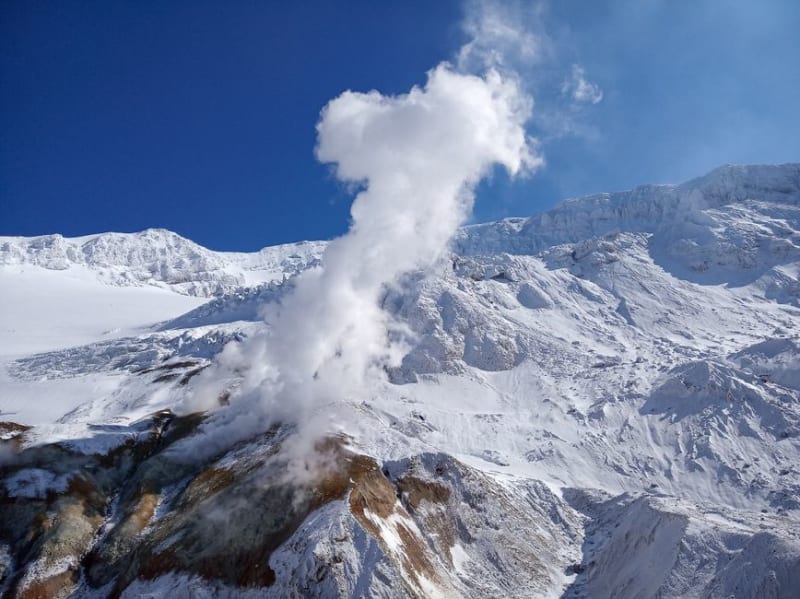 guatemala
 Fuego Volcano
A permanently smoking giant above Antigua, one of Central America's most active volcanoes, both mesmerizing and a solemn reminder of 2018.
Explore